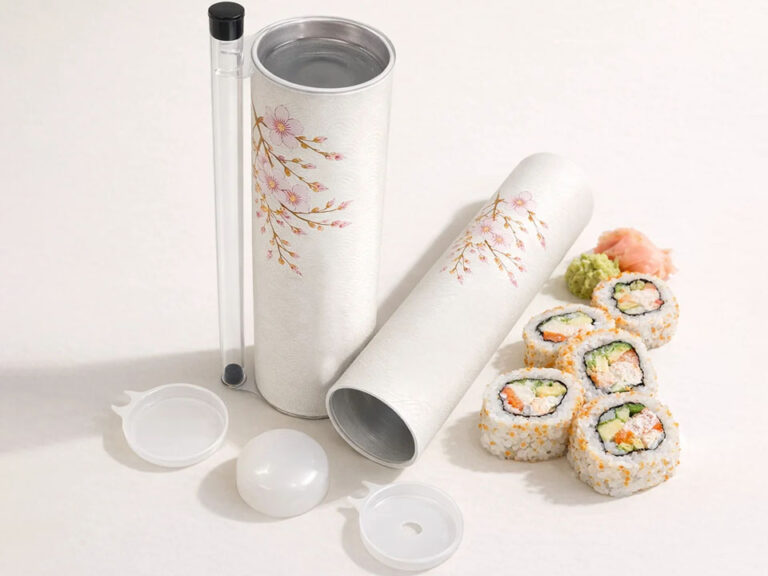
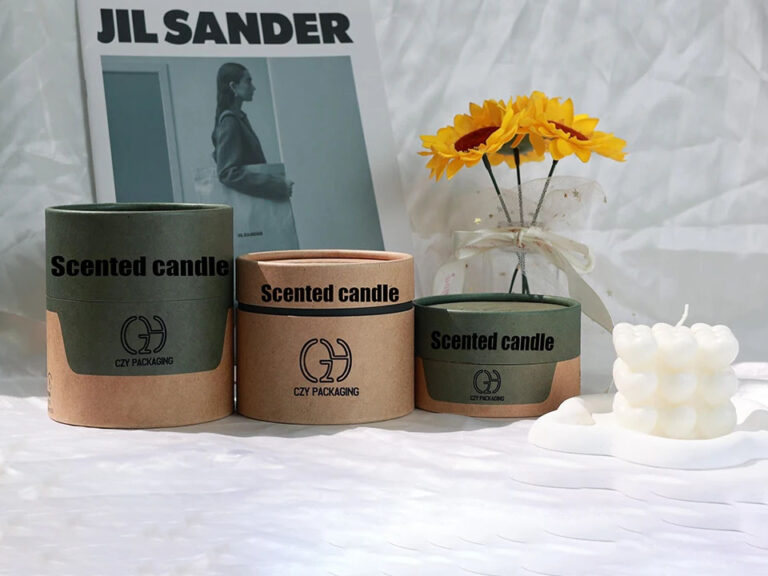
Ainda não está a ver a solução de embalagem certa? Fale com o nosso chefe.
Se consultou o nosso sítio Web ou falou com o departamento de vendas e ainda não vê um caminho claro, envie o seu pedido aqui. A sua mensagem vai diretamente para o nosso Diretor Geral para uma análise executiva da viabilidade, custo e prazo de entrega. Obterá um próximo passo claro - o que podemos fazer, o que precisamos de si e o caminho mais rápido para uma cotação.
Revisão direta pela GM das suas especificações, casos de utilização e restrições
Verificação do tamanho + estrutura: diâmetro, altura, resistência da parede, inserções
Recomendações de impressão/acabamento para corresponder à marca + orçamento
Alternativas de redução de custos e opções de melhoria do prazo de entrega
Clareza no processo de cotação: MOQ, plano de amostragem e o que fazer a seguir
Falar com o nosso chefe
Obter um orçamento rápido para embalagens de tubos de papel personalizadas
Criado para gestores de embalagens, aprovisionamento e engenheiros de embalagens. Especifique o tamanho, a quantidade e o acabamento para receber orientações sobre o orçamento, o prazo de entrega e as especificações para os programas dos EUA e da UE.
Personalização pronta para orçamento: diâmetro, altura, espessura da parede, inserções, revestimentos e fechos
Acabamentos de qualidade superior: CMYK/Pantone, folha de alumínio, relevo, UV
Clareza de abastecimento: especificações claras + CQ + orientação DFM
Sustentável: Papel FSC® disponível a pedido
Resistente às crianças: concebido de acordo com a norma ISO 8317 / PPPA
Vantagens de optar por um pacote de tubos no aprovisionamento
Índice
A embalagem em tubo não é apenas uma “caixa com bom aspeto”. Em termos de aprovisionamento, é uma forma de reduzir as excepções, proteger a OTIF e manter as suas especificações estáveis em todas as SKUs. Obtém também um formato que se desloca bem, que fica bem arrumado nas prateleiras e que apoia a consistência da marca sem acrescentar drama à embalagem.
1) A embalagem em tubo pode simplificar o aprovisionamento e reduzir a incerteza
O aprovisionamento é mais fácil quando a especificação da embalagem é “bloqueada” numa fase inicial. A embalagem em tubo ajuda porque é estruturalmente simples: diâmetro, altura, espessura da parede, estilo da tampa, acabamento e arte. Assim que congelar estas variáveis, o seu ciclo de OP fica mais calmo.
Senti-lo-á mais quando conseguir:
linhas multi-SKU que partilham a mesma família de embalagens
reabastecimento contínuo (DTC + grossista ao mesmo tempo)
Projectos OEM/ODM em que as alterações iniciais são normais, mas as alterações tardias são dispendiosas
Bloqueio de especificações e fluxo de trabalho de aprovação
A embalagem em tubo permite uma via de aprovação mais limpa:
amostra de pré-produção → assinatura da “amostra dourada
pontos de controlo de CQ claros sobre o ajuste, sensação de fecho, posição de impressão e acabamento da superfície
menos passos de montagem ambíguos, portanto menos momentos de “pensámos que queria dizer...”
Isto reduz as idas e vindas. Também facilita a responsabilização dos fornecedores, uma vez que as especificações são mensuráveis.
2) A logística e o armazenamento podem tornar-se mais fáceis: durabilidade, eficiência do cubo, menos danos
As embalagens danificadas dão origem a trabalho oculto: reclamações, provas fotográficas, reembalagens, reetiquetagem e mensagens incómodas para o cliente. Um tubo rígido pode reduzir estas dores de cabeça, uma vez que resiste ao esmagamento e protege melhor os bordos do que muitas caixas de cartão dobráveis.
Ganhos típicos em aquisições:
menos excepções de entrada no armazém
menos unidades “não vendáveis” devido a mossas ou arranhões
menos estornos de retalhistas relacionados com danos na apresentação
Prevenção de danos e estornos
Se o seu produto se encontra num corredor premium, os danos cosméticos continuam a ser considerados como danos. Um tubo rígido protege o aspeto de desembalagem, o que protege a venda.
Um bom exemplo de itens de alto valor percebido é embalagem em tubo de papel para jóias. É construído para manter a forma e o momento da marca intacto.
3) A embalagem e a mão de obra podem diminuir: menos peças, embalagem mais rápida, menos retrabalho
O aprovisionamento não é apenas uma questão de preço unitário. Tem também a ver com a forma como a embalagem se comporta na linha de produção e no interior de um expedidor.
A embalagem em tubo permite-lhe frequentemente simplificar a embalagem, porque
necessita de menos “peças auxiliares” (menos enchimento, menos inserções complicadas)
é rápido a fechar e consistente a manusear
reduz a reembalagem provocada por cantos esmagados ou falhas de cola
Eficiência da embalagem e redução de erros
Quando as equipas de operações se movem rapidamente, os erros acontecem. Um pacote mais simples reduz os erros de seleção, os erros de embalagem e os problemas de “inserção incorrecta”. Isto reduz os bilhetes dos clientes e protege as métricas dos vendedores nas plataformas.
Se enviar pós ou suplementos, pode ver este efeito rapidamente. Verifique a estrutura e o posicionamento em embalagem em tubo de papel para proteínas em pó. Uma mochila rígida e confortável tende a viajar melhor e a ser embalada mais rapidamente.
4) Prazos de entrega mais rápidos suportam o reabastecimento e os picos de promoções
O tempo de execução não é apenas um número de calendário. É uma alavanca de risco. Quando a embalagem não chega a tempo, ou se perde a janela de lançamento ou se apressa uma solução alternativa que cria problemas de controlo de qualidade.
A embalagem em tubo permite uma entrega mais rápida quando..:
normalizar os tamanhos numa família de produtos
reutilizar agendas e modelos de impressão
manter os acabamentos consistentes para não ter de reiniciar a amostragem a cada nova encomenda
Reordenar a cadência e a estabilidade do programa
Se estiver a realizar campanhas regulares, os tubos facilitam a criação de um ritmo de repetição de encomendas. As equipas de aprovisionamento gostam da repetição porque reduz as surpresas e mantém os níveis de serviço estáveis.
5) A gestão do inventário pode melhorar com tamanhos de tubo normalizados e menos erros de embalagem
A precisão do inventário quebra quando a embalagem se torna confusa: demasiadas caixas de cartão semelhantes, demasiados componentes, demasiadas construções únicas. A embalagem em tubo pode reduzir essa complexidade.
Porque é que ajuda:
as formas padrão são mais fáceis de contar e identificar
menos peças soltas significa menos erros de recolha
as famílias de embalagens estáveis tornam o controlo de SKU mais simples para linhas de produção rápidas
Manuseamento 3PL e precisão de recolha
Se uma equipa rotativa de 3PL tratar das suas encomendas, é necessário que a embalagem seja difícil de estragar. Um formato de tubo consistente facilita a formação e reduz os erros de seleção. Isto protege a experiência do cliente e o desempenho da sua plataforma.
6) A sustentabilidade e a reciclabilidade podem ser mais fáceis de comunicar
As alegações de sustentabilidade são agora objeto de escrutínio. A abordagem mais segura é uma linguagem simples e materiais claros.
As embalagens em tubo de papel contribuem para uma história mais limpa porque:
o seu aspeto é baseado em papel
pode reduzir a necessidade de enchimento adicional
está em conformidade com as expectativas dos compradores nos segmentos de presentes, premium e retalho
Declarações responsáveis que sobrevivem às auditorias
O aprovisionamento pode proteger a marca solicitando documentação clara:
descrição dos materiais e revestimentos
pormenores de acabamento (laminação, folha de alumínio, relevo, verniz)
materiais de encerramento e a forma como afectam as orientações de eliminação
Diga o que é o pacote. Evite afirmações radicais. Mantenha a sua mensagem consistente nas páginas de produtos, caixas de cartão e listagens.
7) As opções de embalagem dos tubos dependem do material, das necessidades de barreira e da conformidade
Nem todos os tubos se adaptam a todos os produtos. A escolha correta depende do que pode correr mal.
Utilizar esta lente de seleção:
Sensibilidade do produto: luz, oxigénio, humidade, aroma
Gestão do risco: risco de esmagamento, abrasão e queda
Conformidade: resistência das crianças, provas de adulteração, disciplina de rotulagem
Canal: prateleira de retalho, subscrição, preenchimento do mercado
Mapeamento de casos de utilização com referências internas
Categoria do produto
Risco de aquisição a controlar
Caraterística do tubo a solicitar
Referência interna
Cosméticos / cuidados da pele
arranhões, consistência da impressão, presença na prateleira
acabamento de superfície mais forte, controlo de cor estável, ajuste apertado da tampa
8) As tendências do mercado impulsionam as embalagens em tubo: desembalagem de qualidade, preparação para o retalho e conformidade
A embalagem em tubo corresponde ao que os compradores e os canais recompensam atualmente:
toque premium sem montagem complicada
melhor proteção sem enchimentos volumosos
uma presença mais limpa nas prateleiras e uma marca coerente
maior alinhamento da conformidade para as categorias regulamentadas
É por isso que os tubos aparecem nos programas de cosméticos, suplementos, brindes e embalagens compatíveis. Reduzem a fricção operacional e melhoram a forma como o produto chega ao cliente.
Um quadro de pontuação prático para aquisições que pode utilizar nos pedidos de cotação
Quando comparar fornecedores, não se limite a pedir “um orçamento”. Peça pontos de controlo.
Ponto de controlo
O que perguntar ao fornecedor
O que protege
Tolerância de ajuste e fecho
como o ajuste da tampa é controlado e verificado
menos tampas soltas, menos devoluções
Controlo da impressão e da cor
que norma é utilizada para a correspondência de impressões
menos problemas de marca em todos os lotes
Durabilidade da superfície
como a resistência ao desgaste é tratada na embalagem e nas caixas de exportação
menos pedidos de indemnização por “danos recebidos
Disciplina de amostragem
como é o processo de amostragem da pré-produção
menos surpresas na produção em massa
Método QC
que plano de inspeção é utilizado e que defeitos são considerados críticos
menos defeitos recorrentes
Método de embalagem para exportação
como as unidades são protegidas dentro das caixas de cartão master
menos amolgadelas e danos por compressão
Porque é que isto é importante para os compradores a granel, grossistas e programas OEM/ODM
Se compra embalagens para revenda, gere várias marcas ou gere o volume de vendas por grosso, precisa de um fornecedor que se adapte sem problemas de controlo de qualidade. As embalagens em tubo ajudam, mas a capacidade do fornecedor continua a ser importante.
Uma instalação de fabrico com uma oficina de embalagem limpa, um controlo de qualidade disciplinado e um grande armazém permite um fornecimento estável para grandes quantidades. É exatamente isso que o aprovisionamento pretende: menos excepções, menos atrasos e menos tempo gasto a procurar soluções.
Se quiser que o acondicionamento em tubo seja rentável do ponto de vista operacional, mantenha a estratégia simples:
construir uma família de tubos padronizada em todas as SKUs
definir as especificações com antecedência e documentá-las claramente
alinhar os pontos de controlo do controlo de qualidade com os modos de falha reais (ajuste, desgaste, esmagamento, deslocamento da impressão)
reordenar com uma cadência regular em vez de entrar em pânico à última da hora
É assim que a embalagem em bisnaga apoia os resultados de aquisição com que todos se preocupam: OTIF mais limpa, menos danos, manuseamento de inventário mais fácil e uma experiência de marca que se mantém consistente desde o envio até à prateleira.