Ainda não está a ver a solução de embalagem certa? Fale com o nosso chefe.
Se consultou o nosso sítio Web ou falou com o departamento de vendas e ainda não vê um caminho claro, envie o seu pedido aqui. A sua mensagem vai diretamente para o nosso Diretor Geral para uma análise executiva da viabilidade, custo e prazo de entrega. Obterá um próximo passo claro - o que podemos fazer, o que precisamos de si e o caminho mais rápido para uma cotação.
Revisão direta pela GM das suas especificações, casos de utilização e restrições
Verificação do tamanho + estrutura: diâmetro, altura, resistência da parede, inserções
Recomendações de impressão/acabamento para corresponder à marca + orçamento
Alternativas de redução de custos e opções de melhoria do prazo de entrega
Clareza no processo de cotação: MOQ, plano de amostragem e o que fazer a seguir
Falar com o nosso chefe
Obter um orçamento rápido para embalagens de tubos de papel personalizadas
Criado para gestores de embalagens, aprovisionamento e engenheiros de embalagens. Especifique o tamanho, a quantidade e o acabamento para receber orientações sobre o orçamento, o prazo de entrega e as especificações para os programas dos EUA e da UE.
Personalização pronta para orçamento: diâmetro, altura, espessura da parede, inserções, revestimentos e fechos
Acabamentos de qualidade superior: CMYK/Pantone, folha de alumínio, relevo, UV
Clareza de abastecimento: especificações claras + CQ + orientação DFM
Sustentável: Papel FSC® disponível a pedido
Resistente às crianças: concebido de acordo com a norma ISO 8317 / PPPA
Dicas e vantagens da embalagem personalizada da caixa de tubos de chá
Índice
O chá é exigente. Perde rapidamente o aroma, detesta humidade e apanha cheiros estranhos como uma esponja. Entretanto, os seus clientes avaliam a qualidade em segundos. Se a embalagem parece barata, o chá parece barato.
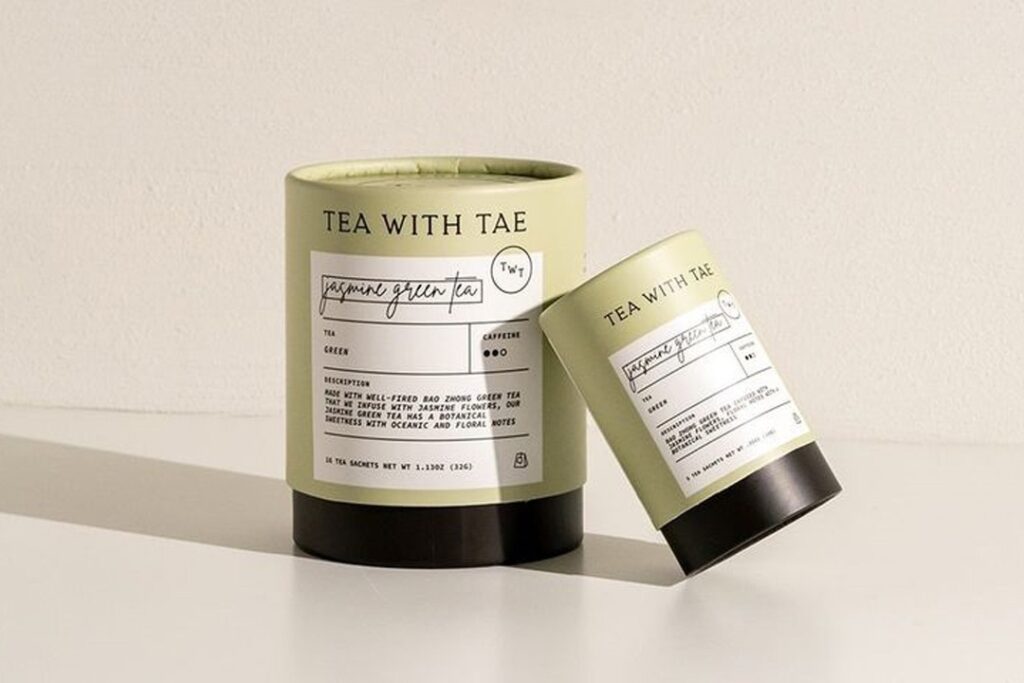
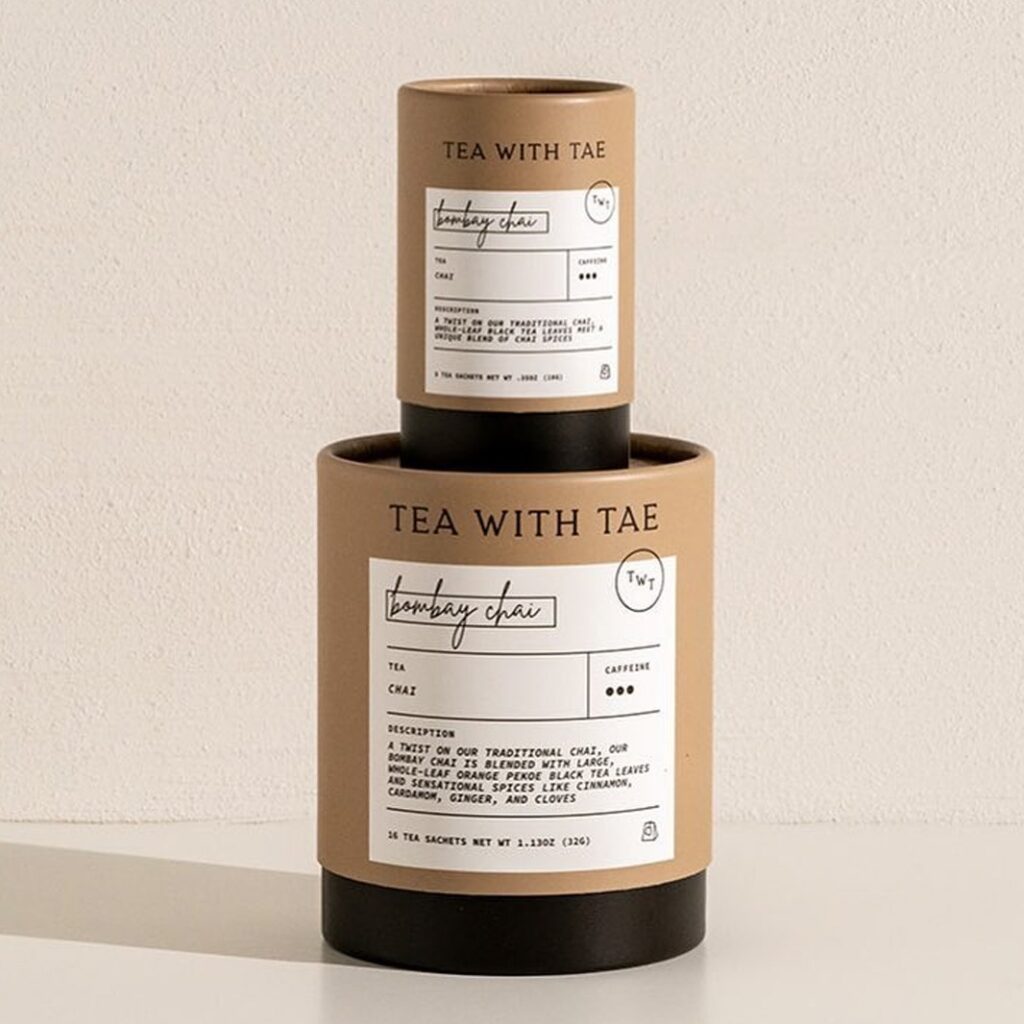
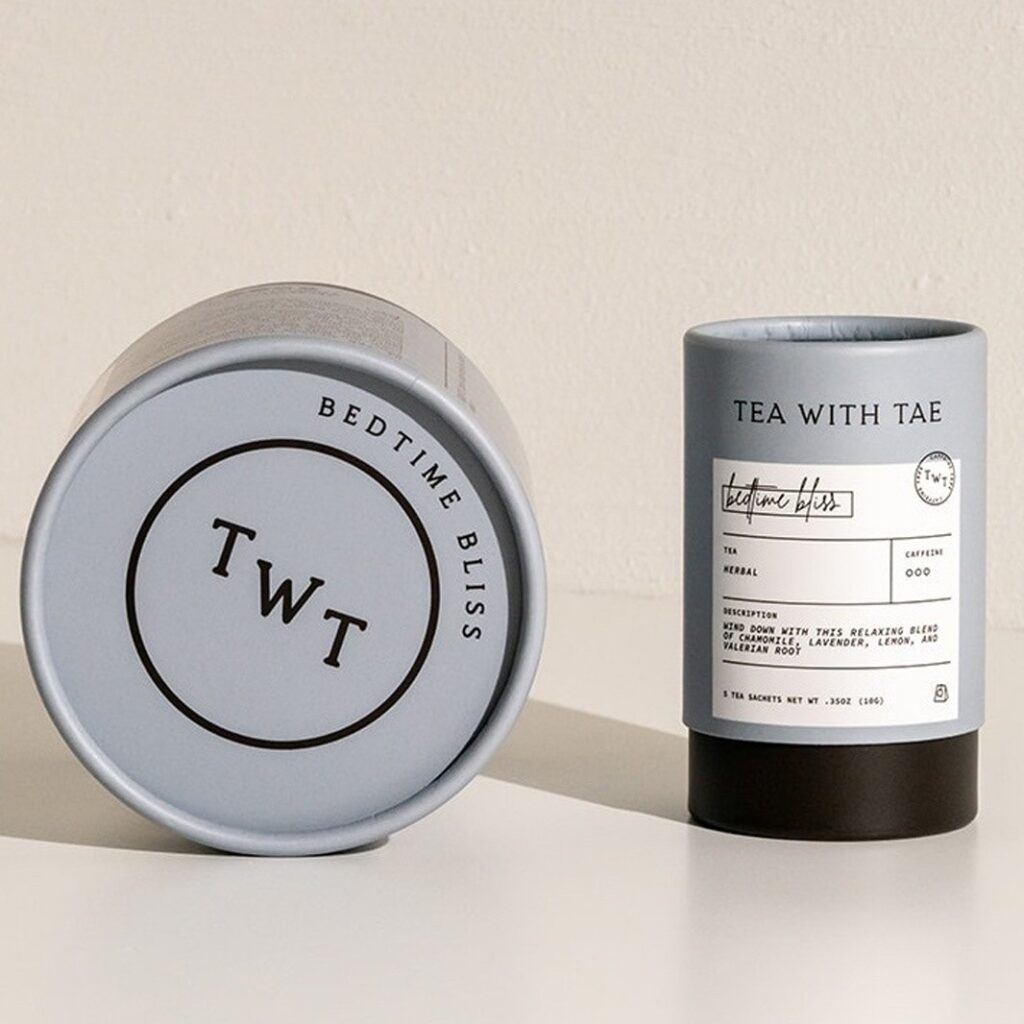
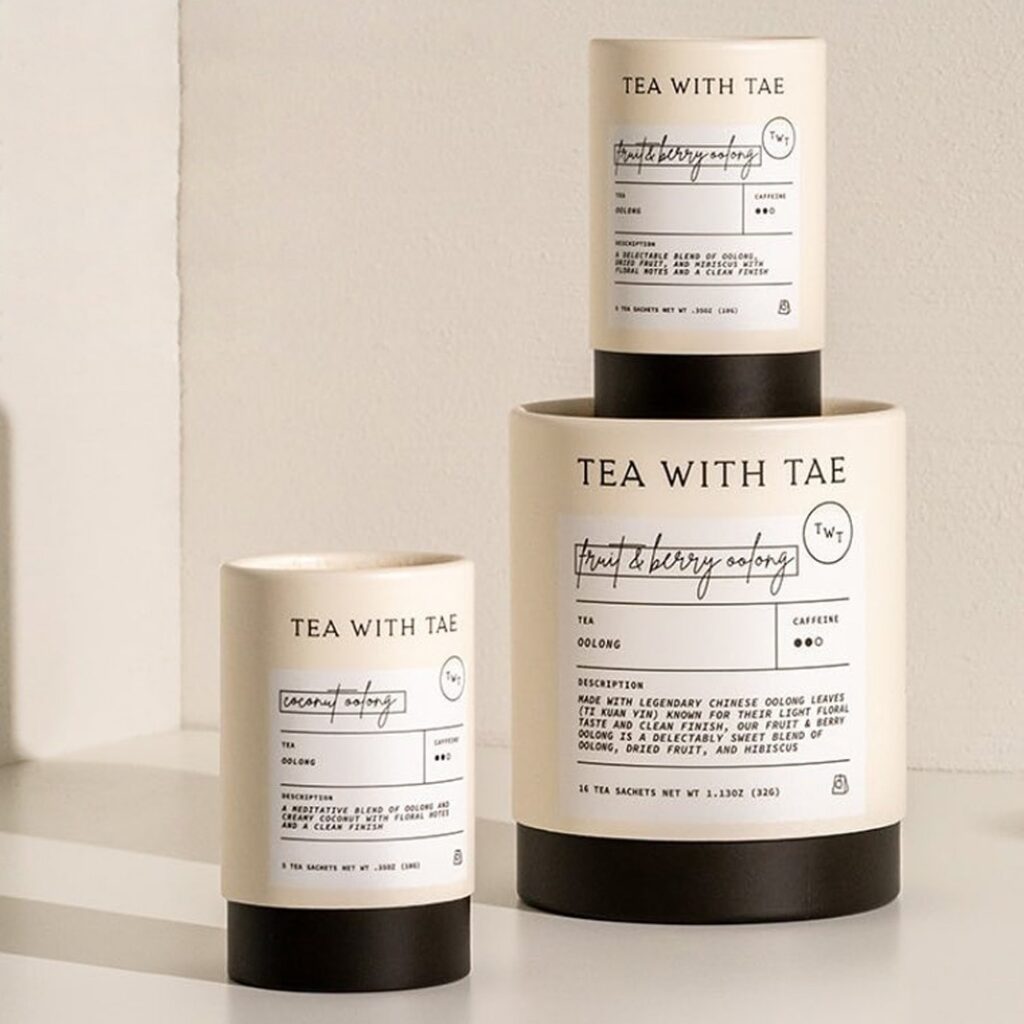
É por isso que um caixa de tubos de chá personalizada funciona tão bem. Uma embalagem redonda rígida protege as folhas, melhora a presença nas prateleiras e proporciona uma tela limpa para a marca e informações de conformidade. Se estiver a abastecer-se a granel, a fazer OEM/ODM, ou a fornecer retalhistas e comércio eletrónico, também torna as operações mais fáceis.
Dicas de embalagem de caixas de chá personalizadas
1) Resolver os “quatro da frescura”: oxigénio, luz, humidade, odor
A qualidade do chá diminui quando o ar entra sorrateiramente, a humidade aumenta, a luz do sol atinge o produto ou os odores próximos o contaminam. Não se pode “copiar o marketing” para se livrar de um chá velho.
O que normalmente funciona na produção:
Utilizar um tubo exterior rígido para bloquear a luz e reduzir o esmagamento.
Especifica um ajuste mais apertado da tampa para que a embalagem se mantenha fechada durante o transporte e depois de aberta.
Adicione uma camada interior quando necessitar de um desempenho de barreira mais forte.
2) Utilizar uma estrutura tubular rígida para reduzir os danos de transporte
Os sacos macios dobram-se. As caixas de cartão dobráveis esmagam. Um cilindro rígido mantém a forma, o que ajuda a proteger o chá de folhas inteiras e mantém a embalagem com um aspeto “novo” quando chega.
Isto é mais importante em:
Transporte transfronteiriço (trânsito longo, muito manuseamento)
Caixas de assinatura (repetir unboxing, memória da marca)
Vendas no mercado (as devoluções e as más críticas prejudicam a classificação)
Conversa de operações: reduzir a taxa de danos não é apenas “simpático”. Reduz os reembolsos, diminui o volume de reenvio e mantém as métricas da sua loja saudáveis.
3) Utilize uma marca de 360 graus para obter um impacto na prateleira
Uma embalagem redonda dá-lhe uma tela envolvente. Pode criar um reconhecimento mais forte nas prateleiras e fazer com que o produto pareça mais “desenhado” e não apenas rotulado.
Uma apresentação prática que vende:
Frente: nome do chá + notas de sabor + marca
Lado: origem/história + pistas de degustação
Verso: guia de fabrico de cerveja + informação sobre conformidade + código de barras
Para uma inspiração de estampado completo, veja embalagem em tubo de papel impresso de dupla face. A categoria do produto é diferente, mas a lógica da impressão transfere-se perfeitamente para o chá.
4) Incluir a embalagem para oferta no plano SKU
O chá é uma categoria clássica de prendas. Uma embalagem em tubo parece naturalmente “guardada”, como algo que se expõe numa prateleira da cozinha em vez de se deitar fora.
Estratégia inteligente de SKU:
Manter uma embalagem de “bebida diária” simples para o volume.
Adicione um tubo pronto a oferecer para férias, pacotes e encomendas de empresas.
Utilizar o mesmo chá no interior. Deixe que a embalagem faça o trabalho principal.
5) Tratar a “qualidade alimentar” como uma especificação, não como um slogan
Os compradores sérios não querem promessas vagas. Eles querem especificações, consistência e prontidão na documentação.
O que os compradores normalmente pedem em B2B:
Declaração do material (cartão, forro, adesivo, tinta)
Adequação ao contacto com os alimentos para produtos secos
Pontos de controlo de CQ (ajuste da tampa, controlo de odores, resistência à fricção da impressão)
Se vende a retalhistas, distribuidores ou equipas de grandes marcas, crie um fluxo de trabalho “folha de especificações + lista de CQ” desde o início. Isto encurta os ciclos de aprovação e reduz as idas e vindas.
6) Tornar verificáveis as alegações de sustentabilidade
A sustentabilidade chama a atenção, mas apenas se a conseguir explicar claramente. As suas afirmações devem ser rigorosas, específicas e fáceis de validar.
As melhores práticas do sector:
Sempre que possível, opte por estruturas em papel.
Evite materiais mistos chamativos, a menos que o desempenho o exija.
Não exagere nas vendas. Os compradores detestam "greenwashing".
Para uma referência de cilindros ecológicos, ver caixa de tubos de papel ecológica. Mais uma vez, um produto diferente, o mesmo posicionamento de sustentabilidade.
7) Bloquear o tamanho e o fecho antecipadamente para evitar o retrabalho
A maioria dos atrasos na recolha de amostras acontece porque as equipas começam primeiro com o trabalho artístico. Depois, alguém se apercebe que a colher não cabe, que a tampa está solta ou que a área do rótulo é demasiado pequena.
Um fluxo de trabalho limpo:
Confirmar o formato do chá e o volume de enchimento
Definir o diâmetro interior e a altura (incluir o espaço livre)
Escolha o tipo de tampa e a tolerância de ajuste
Finalizar as inserções (apenas se acrescentarem valor real)
Em seguida, fazer o trabalho artístico e o acabamento
É assim que mantém a sua linha de base estável e evita os loops de “refazer o design”.
8) Controlar a temperatura de armazenagem com embalagem + operações
A embalagem apoia a qualidade. Não substitui um bom armazenamento. Se a sua cadeia de abastecimento passa por armazéns quentes ou portos húmidos, as suas especificações de embalagem devem corresponder à realidade.
O que ajuda na logística real:
Opções de barreira mais fortes para um prazo de validade mais longo
Fechos mais apertados para um comportamento de abertura/fecho frequente
Mensagens claras do tipo “conservar em local fresco e seco” onde os clientes não as possam perder
Não está apenas a proteger o chá. Está a proteger as encomendas repetidas.
9) Imprimir informações de forma clara para reduzir os bilhetes de apoio
Uma informação clara reduz as perguntas dos clientes, os problemas dos retalhistas e os litígios no mercado. Também reduz as devoluções de “listagens confusas”.
Colocá-los na embalagem numa hierarquia legível:
Tipo de chá + notas de sabor
Guia de fabrico de cerveja (simples e digitalizável)
Peso líquido + ingredientes
Colocação de lote/lote + código de barras que não envolva as costuras
Nota do sector: a má colocação do código de barras causa dores de cabeça ao retalhista e pode provocar estornos. Não deixe que um design bonito interrompa as operações.
10) Planear o MOQ, o prazo de entrega e a amostragem como um profissional
Se estiver a fazer vendas por grosso, marca própria ou OEM/ODM, a amostragem é a sua apólice de seguro.
Um fluxo de amostragem prático:
Amostra de estrutura (ajuste, fecho, sensação de manuseamento)
Prova de cor (precisão de impressão, acabamento, resistência ao desgaste)
Amostra de pré-produção (aprovação final antes da produção em massa)
Escreva critérios de aceitação para cada etapa. Evitará erros dispendiosos sem falar de “matemática de custos”.”
11) Utilizar a procura do mercado do chá para justificar as actualizações das embalagens
As actualizações de embalagens são mais eficazes quando estão associadas a resultados comerciais:
A perceção de um valor mais elevado permite um posicionamento de preços mais elevado
Uma melhor proteção reduz as devoluções e as críticas negativas
Os pacotes prontos para oferta aumentam o AOV através de pacotes e promoções sazonais
A forte presença nas prateleiras melhora a venda a retalho
Em termos simples: uma melhor embalagem facilita a venda de chá de qualidade superior em grande escala.
Tabela de lista de verificação das especificações da embalagem de tubos de chá
Utilize esta tabela como uma lista de verificação para os compradores ou como uma ferramenta de alinhamento interno rápido.
Risco de embalagem
O que especificar numa caixa de tubos de chá personalizada
Porque é importante para os compradores
O aroma desvanece-se rapidamente
Melhor camada de barreira + ajuste mais apertado da tampa
Mantém o aroma de “primeira abertura” durante mais tempo
O chá absorve a humidade
Estrutura de controlo da humidade + vedação limpa
Reduz a aglomeração e a perda de sabor
Exposição à luz
Invólucro opaco + tubo de papel rígido
Protege o chá e as ervas sensíveis
Danos causados pelo trânsito
Estrutura cilíndrica rígida
Menos embalagens danificadas e reembolsos
A marca parece genérica
Impressão em película completa + acabamentos de qualidade superior
Maior impacto e conversão na prateleira
Questões de operações de retalho
Código de barras numa zona plana, não sobre as costuras
Menos atrasos e litígios na receção
Casos de utilização no mundo real para embalagens de chá personalizadas
Eis os modelos de negócio de chá mais comuns e o que normalmente funciona.
Tipo de negócio
Configuração de embalagem de tubos que se adapta
Dica de operações que poupa dores de cabeça
Marca de chá DTC
Tubo rígido + disposição das informações limpas + tampa que se pode fechar
Manter a embalagem rápida; evitar inserções complexas, exceto se necessário
Vendedor transfronteiriço
Estrutura robusta + acabamento resistente a riscos
Escolher acabamentos que resistam a longos períodos de trânsito e manuseamento
Distribuidor / grossista
Tamanhos de tubo padrão em todas as SKUs
A normalização reduz a dispersão de SKU e o caos no armazém
Presentes para empresas
Visual para oferecer presentes + design amigo dos pacotes
Planeie a montagem de kits com antecedência para que o seu 3PL não improvise
Marca própria / OEM
Folha de especificações + pontos de controlo de amostragem
Bloquear a linha de demarcação antes de iniciar um trabalho artístico pesado
Pretende uma referência de estrutura tubular rígida que se adapte a um posicionamento de “elevada proteção”? Verificar tubos de embalagem de cartão personalizados recicláveis. O mercado é diferente, mas a lógica de proteção é exatamente a que os vendedores de chá necessitam.
Se a sua linha de chá inclui o posicionamento “premium + segurança” (ou se vende em categorias que requerem acesso controlado), pode usar o pensamento de encerramento de caixa de embalagem de tubo de papel reciclável resistente a crianças. A ideia-chave é o desempenho do fecho e a disciplina das especificações, não a categoria do produto.
Vantagens da embalagem de tubo de chá personalizada para venda por grosso a granel e OEM/ODM
Se estiver a fornecer retalhistas, a gerir uma marca ou a realizar projectos OEM/ODM, as embalagens de tubos de chá criam três tipos de vantagens:
Alavancagem da marca: uma estrutura premium faz com que o seu chá pareça legítimo, mesmo antes de os clientes o provarem.
Alavancagem de operações: as embalagens rígidas reduzem os danos e mantêm os produtos prontos para a prateleira.
Alavancagem de vendas: A apresentação com oferta suporta pacotes, promoções sazonais e SKUs de valor mais elevado.
E quando compra a granel, quer um fornecedor que possa lidar com tiragens repetidas estáveis, CQ consistente e volume grossista. Esta é a diferença entre “uma boa amostra” e um programa de embalagem que pode ser ampliado.