Ainda não está a ver a solução de embalagem certa? Fale com o nosso chefe.
Se consultou o nosso sítio Web ou falou com o departamento de vendas e ainda não vê um caminho claro, envie o seu pedido aqui. A sua mensagem vai diretamente para o nosso Diretor Geral para uma análise executiva da viabilidade, custo e prazo de entrega. Obterá um próximo passo claro - o que podemos fazer, o que precisamos de si e o caminho mais rápido para uma cotação.
Revisão direta pela GM das suas especificações, casos de utilização e restrições
Verificação do tamanho + estrutura: diâmetro, altura, resistência da parede, inserções
Recomendações de impressão/acabamento para corresponder à marca + orçamento
Alternativas de redução de custos e opções de melhoria do prazo de entrega
Clareza no processo de cotação: MOQ, plano de amostragem e o que fazer a seguir
Falar com o nosso chefe
Obter um orçamento rápido para embalagens de tubos de papel personalizadas
Criado para gestores de embalagens, aprovisionamento e engenheiros de embalagens. Especifique o tamanho, a quantidade e o acabamento para receber orientações sobre o orçamento, o prazo de entrega e as especificações para os programas dos EUA e da UE.
Personalização pronta para orçamento: diâmetro, altura, espessura da parede, inserções, revestimentos e fechos
Acabamentos de qualidade superior: CMYK/Pantone, folha de alumínio, relevo, UV
Clareza de abastecimento: especificações claras + CQ + orientação DFM
Sustentável: Papel FSC® disponível a pedido
Resistente às crianças: concebido de acordo com a norma ISO 8317 / PPPA
Guia sobre como selecionar as caixas personalizadas perfeitas
Índice
Escolher caixas personalizadas parece simples até se deparar com os verdadeiros problemas: cantos esmagados durante o transporte, uma tampa que parece “barata”, etiquetas que não se ajustam ou um produto de qualidade superior que parece mediano numa prateleira.
Se quiser ter menos dores de cabeça, comece com a mesma lógica que os engenheiros de embalagens utilizam: escolher primeiro o tipo de caixa adequado para o trabalho, e, em seguida, definir o tamanho, a estrutura e os acabamentos.
Se vende embalagens de tubos de papel, já está num bom caminho. Os tubos protegem bem, empilham-se de forma limpa e têm uma sensação de qualidade superior sem chamar a atenção. Pode explorar estilos na nossa Produtos lista.
E se necessitar de capacidade para grandes quantidades, o nosso sítio Web indica que operamos uma oficina de purificação de embalagens alimentares modernas mais um 12.300m² de armazém, com capacidade média diária superior a 300 000 peças. (Caixas de tubos de papel personalizadas)
As caixas personalizadas começam com o tipo de caixa e o caso de utilização
1) Escolher primeiro o tipo de caixa, depois falar dos materiais e do acabamento
Antes de pedir “rígido”, “luxo” ou “ecológico”, decida a que é que a sua caixa deve sobreviver:
Prateleira de retalho: impacto nas prateleiras, marca limpa, legibilidade do código de barras
Expedição de comércio eletrónico: resistência a quedas, resistência a amolgadelas, menor taxa de danos
Prenda / Relações Públicas: fluxo de unboxing, apresentação, aspeto “digno de ser guardado
Produtos regulamentados: disposição para crianças, inviolável e compatível com a conformidade
Alimentos / suplementos: necessidades de barreira, manuseamento limpo, ajuste consistente
Aqui está um rápido confronto para manter as decisões fundamentadas:
Palavra-chave do caso de utilização
O que é mais importante
Movimento de embalagem de tubos de papel
Página de exemplo
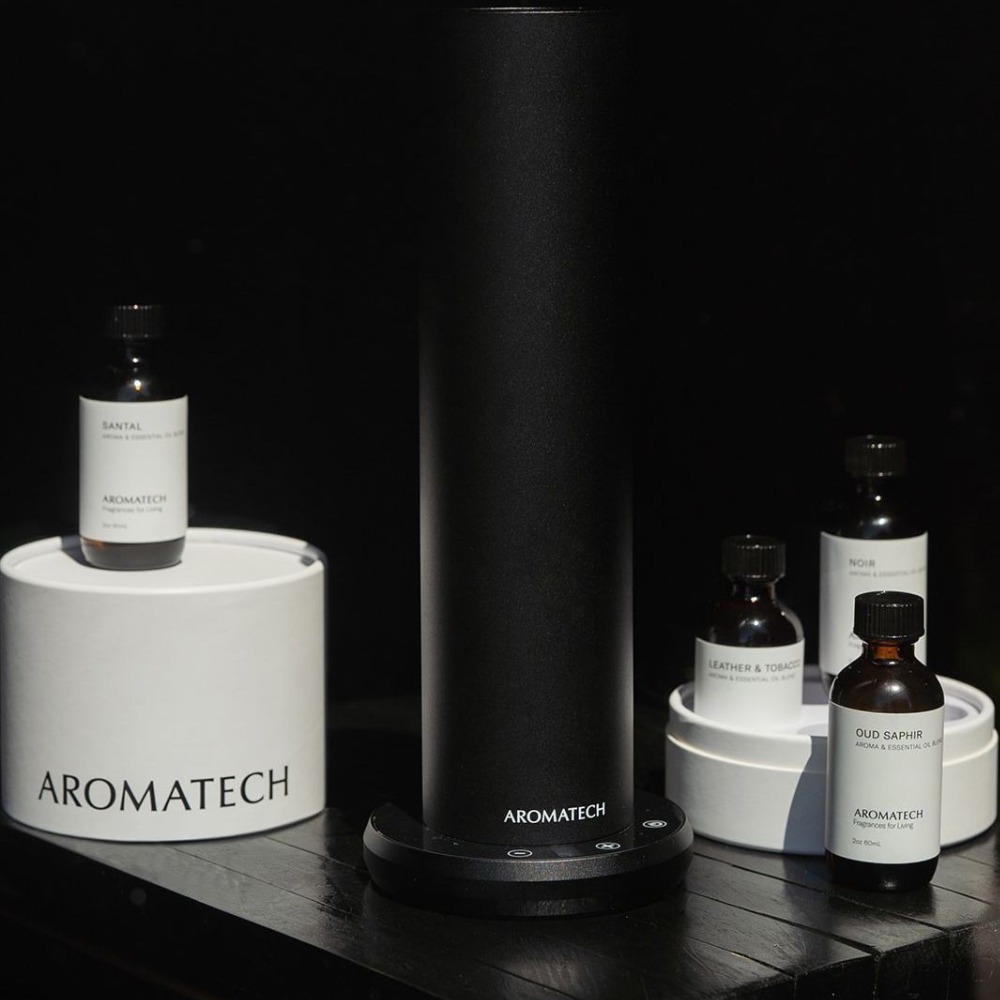
embalagens de cosméticos
aspeto + toque tátil
costuras limpas, impressão nítida, acabamento de qualidade superior
3) As caixas de oferta são uma sequência de desembalagem
A embalagem para presentes não é “uma caixa mais bonita”. É uma coreografia.
Pensar por etapas:
Primeiro toque: textura, ajuste apertado, sem oscilações baratas
Primeira vista: mensagem, colocação do logótipo, revestimento interior limpo
Revelar: produto assenta corretamente, sem abanões, sem riscos
Após a utilização: as pessoas guardam-no ou deitam-no fora
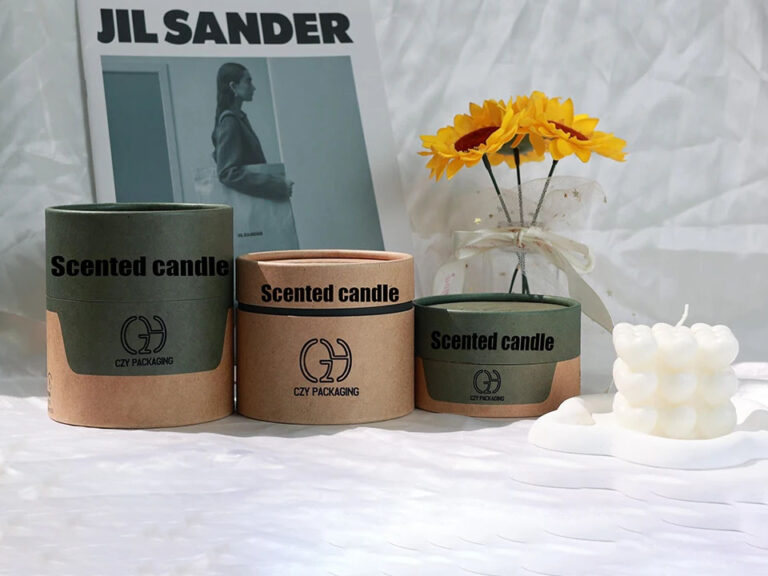
Um tubo de papel brilha aqui porque parece naturalmente uma recordação. Adicione um encarte personalizado e o seu unboxing torna-se repetível à escala.
Caixas de embalagem para venda a retalho
4) As caixas de retalho funcionam como vendedores de prateleiras
Numa prateleira, a sua embalagem tem segundos para realizar três tarefas:
Parar o comprador
Explicar o produto rapidamente
Confirmar a marca é de confiança
Utilize a hierarquia de embalagens como um profissional:
Frente: nome do produto principal + um benefício principal
Lado: principais especificações e texto de conformidade
Anterior: história, utilização, área de códigos de barras de fácil leitura
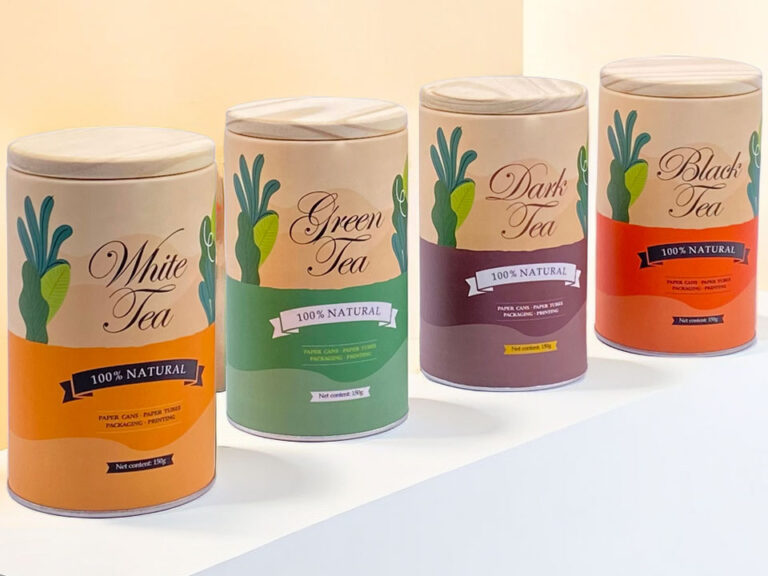
Para categorias com grande volume de vendas a retalho, como suplementos e chá, um tubo limpo pode ser bem apresentado e manter-se resistente. Pode ver exemplos na nossa Produtos catálogo.
Tamanho e tolerância da caixa personalizados
5) Medir as dimensões com tolerância e não com adivinhação
Um erro comum é medir apenas o produto e encomendar um “ajuste perfeito”. Isso geralmente sai pela culatra na linha de embalagem.
O que fazer em vez disso:
Medir o máximo diâmetro/largura, não a média.
Deixar um pequeno espaço livre para que os trabalhadores possam embalar rapidamente sem riscar.
Se necessitar de uma apresentação mais apertada, utilize um inserir para controlar o movimento em vez de encolher o tubo.
É assim que se evitam atrasos nas filas, devoluções e aquela dolorosa discussão por correio eletrónico “porque é que não serve?.
Materiais e estrutura das embalagens de tubos de papel
6) Adequar a estrutura e os materiais aos canais de distribuição
Nem todos os tubos são construídos para o mesmo trajeto.
Expedição DTC quer resistência à mossa e fecho fiável.
Reabastecimento do retalho quer estabilidade da pilha e bordos limpos.
Alimentos e suplementos muitas vezes necessitam de um melhor pensamento de barreira e de um ajuste consistente da tampa.
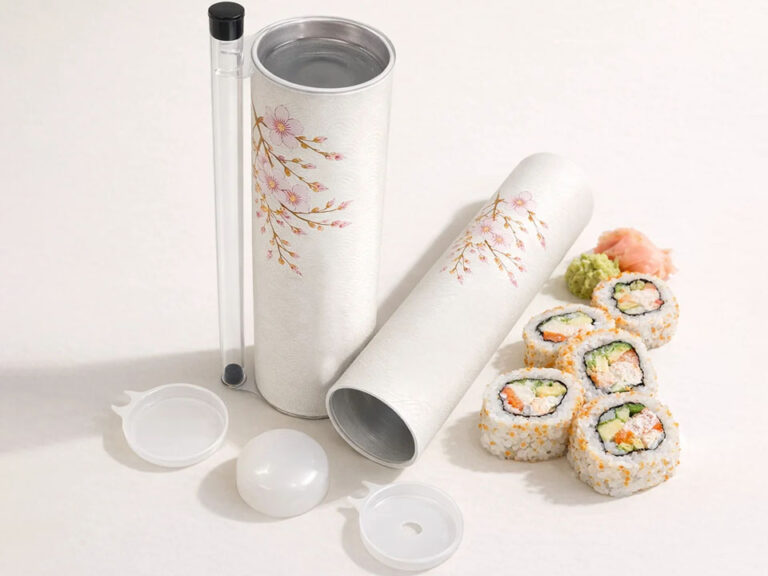
Exemplos que assinalam diferentes direcções funcionais:
Se estiver a encomendar OEM/ODM ou quantidades por grosso, é aqui que a contribuição de um engenheiro de embalagens lhe poupa trabalho. A nossa página inicial destaca que pode falar diretamente com os engenheiros de embalagens sobre a estrutura, os materiais, os acabamentos, as inserções e as opções de segurança para crianças. (Caixas de tubos de papel personalizadas)
Caixas de embalagem ecológicas
7) As embalagens ecológicas necessitam de provas reais
“O termo ”amigo do ambiente", por si só, já não convence os compradores. São necessários pormenores que resistam a um exame minucioso:
Conteúdo reciclado, papel de origem responsável ou uma clara redução de materiais mistos
Estrutura mais limpa e mais fácil de reciclar
Menos trabalhos artísticos com muita tinta quando não ajudam a marca
Se o seu público se preocupa com a sustentabilidade, dê-lhe uma história curta e factual que possa repetir.
8) Tornar as alegações de sustentabilidade auditáveis através de fontes e especificações
A forma mais rápida de perder a confiança é através de uma linguagem vaga e verde. O caminho mais seguro:
Utilizar, sempre que possível, fontes de abastecimento de materiais rastreáveis.
Manter a documentação pronta para compradores, distribuidores e plataformas.
Alinhe a mensagem da sua embalagem com o que a caixa realmente é (sem promessas exageradas).
Isto também ajuda as equipas de aquisição. Estas equipas adoram especificações que podem enviar sem terem de as reescrever.
Caixas de transporte e resistência ao empilhamento
9) A expedição e o empilhamento são requisitos rigorosos, não são “agradáveis de ter”
Se envia em caixas de cartão, empilha em paletes ou armazena num armazém, tem de pensar como logística:
compressão de caixas de cartão
resistência ao esmagamento dos bordos
vibração + queda realidades
risco de exposição à humidade
Mesmo as embalagens de qualidade superior falham se não conseguirem sobreviver à última milha.
10) Evitar o excesso de engenharia escolhendo “força suficiente”
Maior, mais grosso, mais pesado não é automaticamente melhor. Uma embalagem demasiado grande pode criar novos problemas:
maior volume de carga
mais difícil de abrir
mais material do que o necessário
embalagem mais lenta
Objetivo resistência adequada à finalidade. É assim que se reduzem as taxas de danos sem transformar a embalagem num tijolo.
Ensaios de embalagens para envio de encomendas
11) Testar como um transportador de encomendas, não como um salão de exposições
Uma amostra que parece óptima numa secretária pode falhar em trânsito.
Efetuar controlos práticos antes da produção em massa:
ensaio de queda (vários ângulos)
simulação de vibrações
ensaios de empilhamento por compressão
fadiga de fecho (ciclos de abertura/fecho)
Este passo protege o seu calendário de lançamento e mantém o apoio ao cliente silencioso.
Mensagens sobre embalagens recicláveis
12) Apoiar o termo “reciclável” com instruções que respeitem o consumidor
Se disser “reciclável”, ajude os compradores a fazê-lo corretamente:
ser breve (clareza ao estilo “tubo de papel + etiqueta de papel”)
explicar o que deve ser removido (inserção, revestimento ou fechos especiais, se aplicável)
evitar ícones confusos que não correspondam às regras locais de reciclagem
Instruções claras reduzem o atrito e aumentam a confiança na marca.
A lista de controlo de 12 pontos das caixas personalizadas
Título do ponto
O que previne
O que especificar no seu RFQ
1) Escolher primeiro o tipo de caixa
estrutura incorrecta, iterações desperdiçadas
caso de utilização: retalho / DTC / oferta / regulamentado
2) A embalagem dos cosméticos vende a sensação de marca
“Produto de qualidade superior, embalagem média”
terminar, imprimir objetivo, inserir necessidade
3) As caixas de oferta são uma sequência de desembalagem
o unboxing é confuso
ordem de revelação, ajuste interno, colocação de mensagens
4) As caixas de retalho funcionam como vendedores de prateleiras
conversão de prateleiras baixas
hierarquia, zona de código de barras, reivindicações-chave
5) Medir as dimensões com tolerância
atrasos na embalagem, arranhões
tamanho máximo do produto + espaço livre + plano de inserção
6) Adequar a estrutura aos canais
danos em trânsito
método de envio, embalagem de cartão, altura da pilha
7) As alegações ecológicas necessitam de pontos de prova
risco de greenwashing
história do material, abordagem de reciclabilidade
8) Tornar os pedidos auditáveis
rejeição de contratos
especificações, notas de fornecimento, documentação
9) A expedição e o empilhamento são requisitos
produto triturado
expectativas de compressão, condições de armazenamento
10) Evitar a sobreengenharia
embalagens volumosas
definir “força suficiente”, não “tão espessa quanto possível”
11) Testar como um transportador
falhas inesperadas após o lançamento
plano de queda/vibração/compressão
12) Mensagens recicláveis de apoio
confusão dos clientes
instruções simples de eliminação
Por onde começar se estiver a comprar a granel ou a fazer OEM/ODM
Se é proprietário de uma marca, distribuidor ou vendedor transfronteiriço, o caminho mais fácil é simples:
Escolha um estilo de referência da nossa Produtos página.
Enviar as especificações do produto, a quantidade pretendida e o canal de venda.
Peça uma recomendação de estrutura pronta para produção e um plano de amostragem.
Bloquear a linha de base, confirmar as expectativas de impressão e, em seguida, dimensionar.