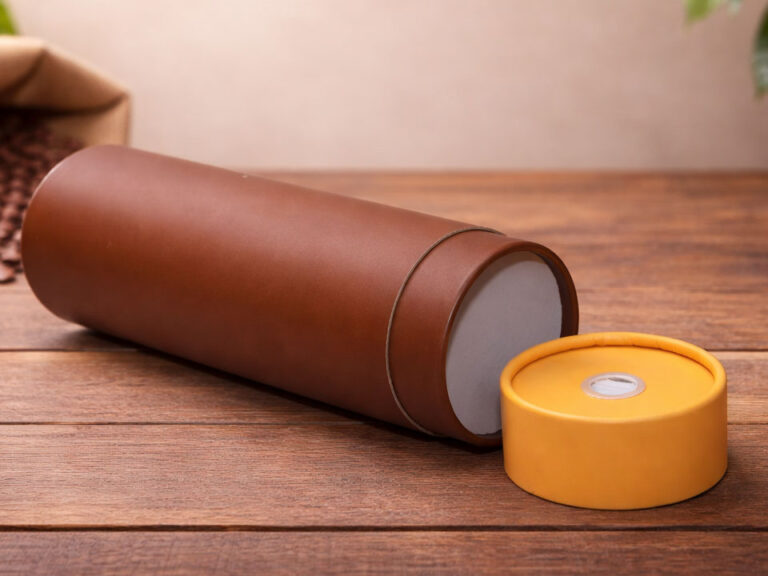
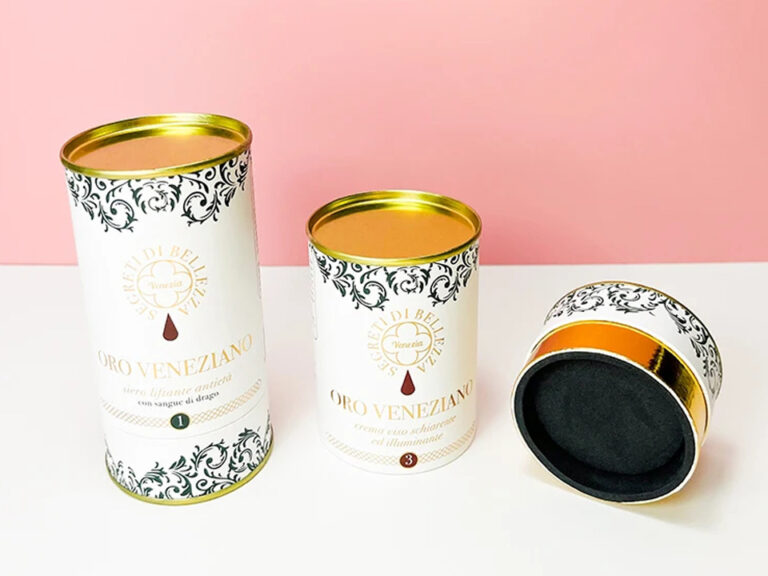
Ainda não está a ver a solução de embalagem certa? Fale com o nosso chefe.
Se consultou o nosso sítio Web ou falou com o departamento de vendas e ainda não vê um caminho claro, envie o seu pedido aqui. A sua mensagem vai diretamente para o nosso Diretor Geral para uma análise executiva da viabilidade, custo e prazo de entrega. Obterá um próximo passo claro - o que podemos fazer, o que precisamos de si e o caminho mais rápido para uma cotação.
Revisão direta pela GM das suas especificações, casos de utilização e restrições
Verificação do tamanho + estrutura: diâmetro, altura, resistência da parede, inserções
Recomendações de impressão/acabamento para corresponder à marca + orçamento
Alternativas de redução de custos e opções de melhoria do prazo de entrega
Clareza no processo de cotação: MOQ, plano de amostragem e o que fazer a seguir
Falar com o nosso chefe
Obter um orçamento rápido para embalagens de tubos de papel personalizadas
Criado para gestores de embalagens, aprovisionamento e engenheiros de embalagens. Especifique o tamanho, a quantidade e o acabamento para receber orientações sobre o orçamento, o prazo de entrega e as especificações para os programas dos EUA e da UE.
Personalização pronta para orçamento: diâmetro, altura, espessura da parede, inserções, revestimentos e fechos
Acabamentos de qualidade superior: CMYK/Pantone, folha de alumínio, relevo, UV
Clareza de abastecimento: especificações claras + CQ + orientação DFM
Sustentável: Papel FSC® disponível a pedido
Resistente às crianças: concebido de acordo com a norma ISO 8317 / PPPA
O futuro sustentável das embalagens de latas de papel
Índice
As latas de papel estão a ter um verdadeiro momento. Pode vê-las em proteínas em pó, chá, cuidados com a pele, CBD e até em acessórios. As marcas não as escolhem apenas porque parecem “verdes”. Escolhem-nas porque vendem-se bem, navegar bem, e sensação de qualidade sem se transformar numa confusão amolgada no correio.
No entanto, “lata de papel” não significa automaticamente “fácil de reciclar”. A forro, revestimento de barreira, adesivo, e sistema de tampas decidir se a embalagem se comporta como papel no mundo real. Se está a adquirir para distribuição a granel, OEM/ODM ou grossista, precisa de um design que funcione nas prateleiras e no cumprimento.
Este guia explica o que é verdade, o que é arriscado e como especificar latas de papel que protejam o seu produto e as suas margens.
Embalagem de latas de papel vs embalagem de plástico
Se vende a retalho ou envia DTC, já ouviu estas perguntas:
Podemos reduzir o plástico sem acabar com o prazo de validade?
Chegará sem arranhões, amolgadelas ou cantos esmagados?
Pode ter um aspeto de qualidade superior e funcionar à escala?
As latas de papel são muitas vezes o ponto ideal, uma vez que lhe permitem:
Estrutura rígida para empilhamento e trânsito
Grande área para impressão para texto de marca e conformidade
Acabamentos de qualidade superior como folha metálica, laminação mate e revestimentos texturados
Melhor sensação de desembalagem do que uma caixa de cartão dobrável fina
A fibra de papel pode reciclar-se várias vezes, mas não para sempre. As fibras ficam mais curtas em cada ciclo, pelo que o sistema precisa de fibras frescas para se manter saudável. As orientações do sector explicam geralmente que as fibras de papel reciclado passam normalmente por cerca de 5-7 utilizações antes que enfraqueçam demasiado.
Este pormenor é importante porque mantém as suas reivindicações limpas. Pode dizer-se que o papel tem muitas vezes mais do que uma vida. Não deve insinuar “reciclagem infinita”.”
A reciclabilidade depende da conceção da embalagem
Aqui está a parte que muitas marcas aprendem da maneira mais difícil: uma lata de papel é um composto de papel, e não uma folha de papel de fotocópia.
A maioria das latas de papel inclui uma mistura de:
Camadas de barreira para bloquear a humidade ou o oxigénio
Adesivos que unem o invólucro ao núcleo
Tintas de impressão e revestimentos
Tampas de metal, plástico ou híbridas
Inserções para impedir o ruído
Esses pedaços que não são de papel podem dificultar a reciclagem se não se separarem bem na polpa. É por isso que deve tratar “reciclável” como um resultado da conceção, não é uma etiqueta material.
Revestimentos de barreira e revestimentos em embalagens de papel
A barreira é onde a verdadeira engenharia acontece. O seu produto não se preocupa com o marketing. Preocupa-se com o ar, a humidade, a luz e o odor.
As proteínas em pó detestam a humidade
O chá detesta a humidade e a captação de odores
Os cuidados de pele detestam fugas e contaminação
Os cartuchos CBD detestam arranhões e danos por impacto
Para manter a qualidade do produto estável, muitas latas de papel utilizam um revestimento fino ou um revestimento de barreira. Alguns formatos de papel de alta barreira podem conter uma percentagem significativa de material não-papel. Isso não os torna “maus”. Significa que deve especificação inteligente e mensagem clara sobre as orientações para a eliminação.
Argumentos baseados em provas a favor das embalagens de latas de papel
Palavra-chave do argumento
O que pode reivindicar em segurança
Ponto de dados que pode utilizar
Tipo de fonte de credibilidade
Circuitos de reciclagem de papel
A fibra de papel pode ser submetida a vários ciclos antes de se decompor
Gama típica de reutilização da fibra: 5-7 ciclos
Orientações da associação da indústria do papel
A possibilidade de reciclagem depende da conceção
Revestimentos, adesivos e revestimentos podem reduzir o desempenho da reciclagem
Os componentes que não são de fibra podem criar desafios de processamento no moinho
Orientações de conceção para reciclagem
Camadas de barreira
A barreira melhora a estabilidade nas prateleiras, mas aumenta a complexidade
O papel de elevada barreira pode incluir uma quota notável de não-papel
Guia técnico do papel de barreira
Taxas de reciclagem no mundo real
“O ”papel" não garante uma recuperação elevada
Algumas categorias de embalagens de papel são muito menos recicladas do que se pensa
Estatísticas governamentais sobre resíduos e reciclagem
Ensaio e verificação
A prova supera os pressupostos para as alegações na embalagem
Utilizar métodos de avaliação da reciclabilidade e validação
Diretrizes de reciclagem da indústria
Utilize essa tabela como âncora quando falar com retalhistas, distribuidores e compradores de plataformas. Mantém a história profissional e protege-o de afirmações descuidadas.
Tubo de papel para embalagem de proteínas em pó
A proteína em pó é uma das combinações mais claras para as latas de papel: produto seco, grande área de marca e forte presença nas prateleiras. O tubo correto também mantém a sua forma durante o cumprimento da encomenda, pelo que recebe menos bilhetes de “chegou danificado”.
Problema do comprador que resolve: Caixas de cartão macias que se desmoronam no envio de embalagens múltiplas. As latas de papel mantêm melhor a sua geometria, pelo que as fotografias das prateleiras e a abertura de caixas pelos clientes se mantêm consistentes.
Tubo de papel para embalagem de chá com tampa de folha de Flandres
O chá tem dois inimigos: a humidade e o odor. Um sistema de tampa estanque ajuda a proteger o aroma e mantém a embalagem “fresca” mesmo depois de aberta repetidamente.
Conversa sobre o sector: trata-se de manter o aroma e controlar a humidade. Se vende chá de qualidade superior, esta é a diferença entre “sabe bem” e “os clientes voltam”.”
Embalagem de cosméticos em tubo
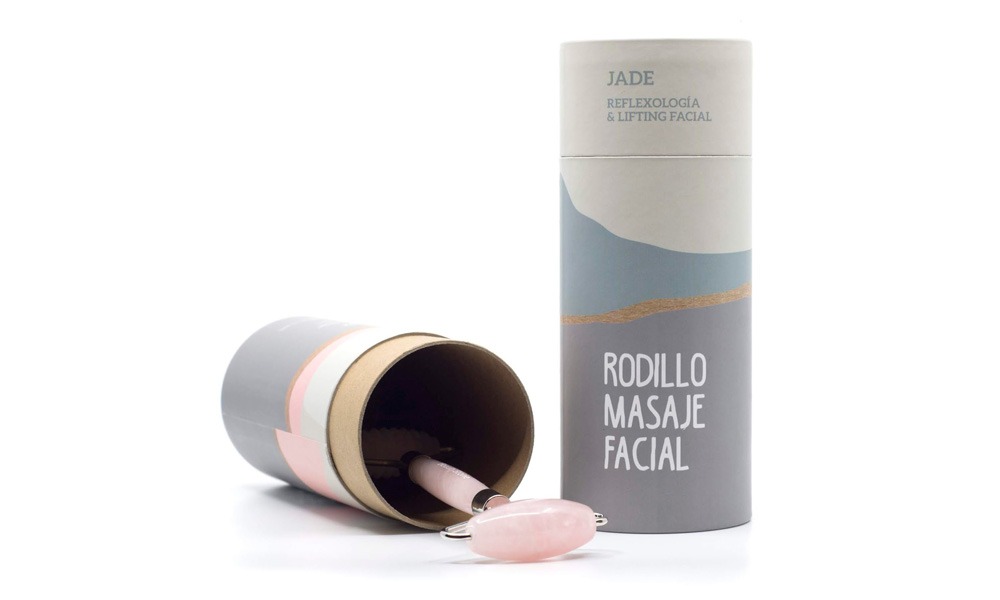
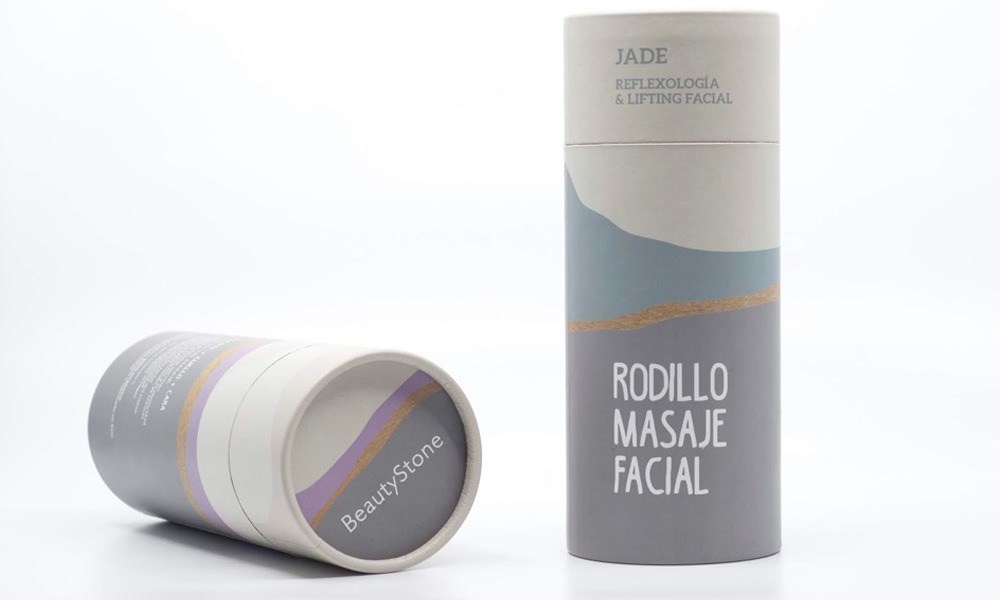
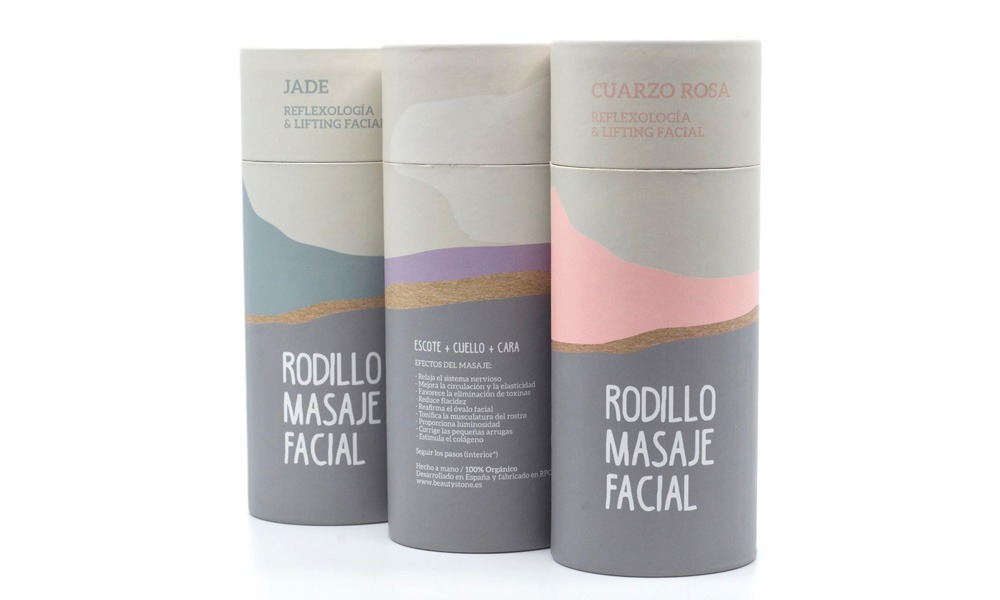
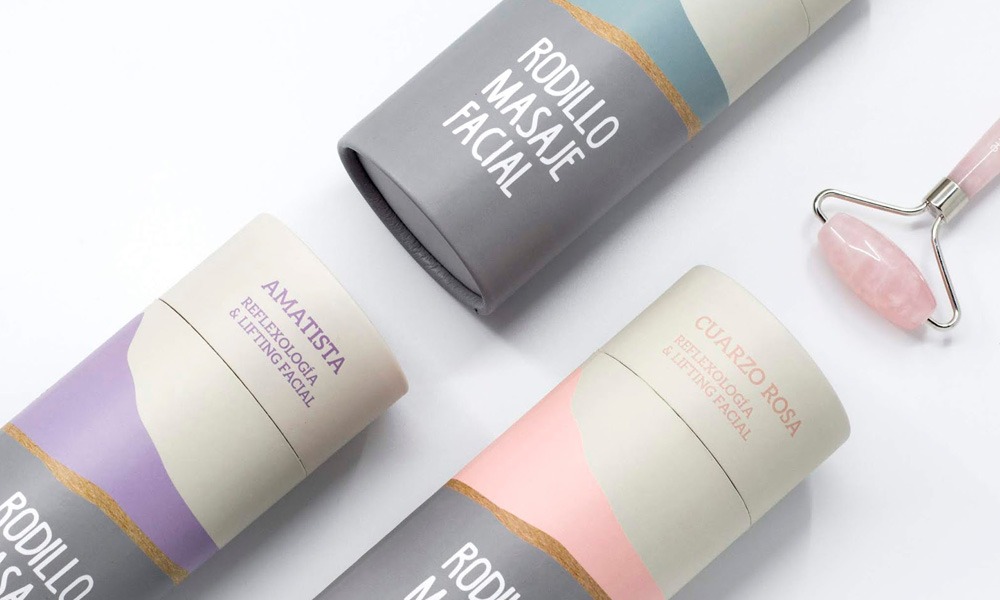
Os compradores de produtos de beleza julgam com os olhos e com as mãos. Um tubo de papel proporciona-lhe uma superfície rígida e limpa para um acabamento de qualidade superior e fotografa bem para páginas de produtos e anúncios.
Problema do comprador que resolve: As embalagens de cartão frágeis que se dobram nos caixotes de venda a retalho ou são esmagadas nas malas de mão. Os tubos rígidos mantêm a sua marca com um aspeto intencional.
Embalagem em tubo de papel resistente às crianças
As embalagens de cannabis obedecem a regras mais rigorosas. É necessário ter resistência às crianças, valor de exposição e proteção em trânsito ao mesmo tempo. Os formatos de tubo de papel podem tratar disso com a estrutura e as inserções corretas.
Valor das operações: reduzem o ruído, reduzem os arranhões e diminuem o risco de devolução. Trata-se de uma verdadeira vantagem quando se enviam milhares de unidades através do manuseamento por transportadoras mistas.
Tubos de embalagem de cartuchos de CBD
Os cartuchos riscam-se facilmente e os clientes apercebem-se. Um tubo ajustado e uma inserção mantêm a unidade centrada e reduzem os danos por impacto na entrega de última milha.
Valor de venda: um desempacotamento mais limpo, menos queixas de “chegou riscado” e melhores fotografias de avaliação.
Tubo de embalagem de elásticos para o cabelo com janela transparente
Os tubos de papel não são apenas para consumíveis. Os acessórios beneficiam da sensação de “oferta”, para além de uma melhor resistência ao esmagamento do que uma caixa de cartão fina.
Ângulo do retalho: os compradores podem ver o artigo rapidamente. Isto reduz o tempo de decisão e ajuda a conversão.
Caixas de tubo de cartão para embalagem de cabelo, pele e unhas
As embalagens de suplementos e de produtos de bem-estar necessitam frequentemente de uma forte identidade de prateleira numa gama de SKUs. Uma linha de tubos de papel facilita a manutenção de uma marca consistente enquanto se trocam sabores ou fórmulas.
Valor de construção da marca: uma estrutura consistente em todas as unidades de manutenção de stock faz com que o seu bloco de prateleiras pareça mais apertado e mais “uma verdadeira marca”, e não uma dispersão de produtos isolados.
Embalagem de tubos de papel para jóias
No caso das jóias, a embalagem faz parte do produto. Um tubo rígido dá a sensação de ser uma recordação e protege os artigos durante o transporte sem enchimento adicional.
Valor para o cliente: parece uma prenda, mesmo quando é comprada pelo próprio. É assim que se ganha um melhor conteúdo de unboxing.
Orientações para a eliminação de embalagens de papel pelos consumidores
Mesmo a melhor conceção falha se os clientes não souberem o que fazer com ela. Se a sua embalagem for um composto, uma orientação simples na embalagem ajuda a reduzir a confusão e melhora os resultados no mundo real.
Seja direto:
Utilizar um texto de eliminação claro que as pessoas possam seguir num relance
Evitar afirmações vagas que não possam ser verificadas
Alinhe a sua mensagem com a estrutura real do seu tubo e tampa
Isto protege a sua marca e reduz a fricção do serviço ao cliente.
Embalagens de tubos de papel OEM/ODM para encomendas por grosso e a granel
Quando se vai para além da amostragem, a escala torna-se o jogo completo. São necessários materiais consistentes, impressão estável e resultados previsíveis. É por isso que os compradores preferem um fabricante que possa produzir a granel e manter o controlo de qualidade estável durante longos ciclos de produção.
Se tratar essa página como a sua “base” para a navegação interna, também ajuda os compradores a saltar de um cenário para o outro sem perder o contexto.
Lista de verificação da embalagem de latas de papel para uma especificação pronta a produzir
Utilize esta lista de controlo para reduzir as idas e vindas e acelerar a recolha de amostras:
Tipo de produto: pó, chá, cuidados da pele, cartucho, acessório
Necessidade de barreira: humidade, oxigénio, odor, gordura
Tipo de fecho: tampa de papel, tampa de metal, mecanismo de segurança para crianças
Plano de inserção: suporte de espuma ou estruturado para impedir o ruído
Impressão e acabamento: impressão offset, folha de alumínio, laminação mate, efeitos especiais
Mentalidade de trânsito: anti-sufoco, anti-esmagamento, sem ruído
Texto de conformidade: reivindicações e etiquetas obrigatórias que tenciona imprimir
Se der ao seu fornecedor este briefing logo à partida, reduzirá os ciclos de revisão e atingirá a produção em massa mais rapidamente.