Ainda não está a ver a solução de embalagem certa? Fale com o nosso chefe.
Se consultou o nosso sítio Web ou falou com o departamento de vendas e ainda não vê um caminho claro, envie o seu pedido aqui. A sua mensagem vai diretamente para o nosso Diretor Geral para uma análise executiva da viabilidade, custo e prazo de entrega. Obterá um próximo passo claro - o que podemos fazer, o que precisamos de si e o caminho mais rápido para uma cotação.
Revisão direta pela GM das suas especificações, casos de utilização e restrições
Verificação do tamanho + estrutura: diâmetro, altura, resistência da parede, inserções
Recomendações de impressão/acabamento para corresponder à marca + orçamento
Alternativas de redução de custos e opções de melhoria do prazo de entrega
Clareza no processo de cotação: MOQ, plano de amostragem e o que fazer a seguir
Falar com o nosso chefe
Obter um orçamento rápido para embalagens de tubos de papel personalizadas
Criado para gestores de embalagens, aprovisionamento e engenheiros de embalagens. Especifique o tamanho, a quantidade e o acabamento para receber orientações sobre o orçamento, o prazo de entrega e as especificações para os programas dos EUA e da UE.
Personalização pronta para orçamento: diâmetro, altura, espessura da parede, inserções, revestimentos e fechos
Acabamentos de qualidade superior: CMYK/Pantone, folha de alumínio, relevo, UV
Clareza de abastecimento: especificações claras + CQ + orientação DFM
Sustentável: Papel FSC® disponível a pedido
Resistente às crianças: concebido de acordo com a norma ISO 8317 / PPPA
Quais são as diferenças entre os vários tipos de tubos de papel?
Índice
As pessoas dizem “tubo de papel” como se fosse uma coisa só. No trabalho real de embalagem, é mais como encomendar café. Há diferentes tipos de construção, diferentes “sensações” e diferentes desempenhos quando o produto chega ao armazém, ao transporte marítimo ou a uma prateleira de retalho.
Então, o que é que está realmente diferente?
A maior parte das vezes, resume-se a como o tubo é enrolado, a espessura da parede, e quais os acabamentos ou inserções que adiciona. Estas escolhas decidem se o seu tubo se mantém estaladiço após o envio, se a tampa fica bem apertada (não é frágil) e se o seu produto chega sem qualquer ruído.
Se quiser fazer uma análise rápida dos estilos de tubos por categoria, comece com a Produtos página.
Tubos de papel enrolados em espiral
Tubos de papel enrolados em espiral utilizar folhas de papel enroladas num ângulo à volta de um mandril. Esta construção é o cavalo de batalha das caixas de tubos para venda a retalho, porque é bem dimensionada e cobre a maior parte das tensões de transporte “normais”.
Porque é que as marcas escolhem tubos enrolados em espiral
Suave para produção a granel: Pode executar especificações consistentes entre SKUs sem transformar cada encomenda num projeto científico.
Proteção sólida para o transporte diário: Com a espessura de parede correta, os tubos em espiral suportam melhor a pressão de empilhamento e as quedas da caixa do que as caixas de cartão dobráveis.
Fácil de vestir: Os invólucros impressos, a laminação mate e os pormenores em folha de alumínio dão-lhe presença nas prateleiras sem ter de mudar para uma estrutura totalmente diferente.
Cenários mais adequados
Comércio eletrónico transfronteiriço em que o pacote é tratado demasiadas vezes
Caixas de subscrição onde os arranhões e as amolgadelas aparecem rapidamente
Lançamentos a retalho em que é necessário repetir a qualidade em todos os lotes
Tubos de papel para enrolamento convoluto
Tubos de papel enrolado (enrolado em paralelo), as camadas de papel de embrulho são mais “rectas” ao longo do eixo do tubo. Os compradores geralmente escolhem este estilo quando se preocupam com rigidez e um mais controlado encaixe da tampa.
Porque é que os tubos convolutos têm sensações diferentes
Sensação de mão mais rígida“: Ideal quando o produto é denso ou quando se pretende um teste de compressão mais robusto.
Melhor controlo do ajuste e do acabamento: Se a sua tampa tem de ser precisa, esta construção pode ajudar a reduzir essa sensação de “tampa solta”.
Cenários mais adequados
Embalagens premium onde a experiência de abertura é importante
Objectos mais pesados que castigam paredes finas
Tampas bem ajustadas onde não se quer que haja oscilações
Núcleos de papel e tubos de parede espessa
A núcleo de papel é basicamente um tubo de parede espessa concebido para suportar carga. Mesmo que esteja a fazer embalagens para o consumidor, este conceito é importante porque as paredes espessas resolvem dores de cabeça comuns: amolgadelas, cantos esmagados e devoluções.
Onde os tubos de parede espessa ganham o seu sustento
Empilhamento de caixas-mestras (a pressão do armazém aumenta)
Percursos marítimos longos em que os danos por compressão se manifestam tardiamente
Produtos que os clientes agarram com força (fitness, suplementos, ferramentas)
Se vir amolgadelas à chegada, não se limite a “atualizar a impressão”. Especifique a parede como um núcleo, depois estilize o exterior para o retalho.
Tubos de papel resistentes à água
O papel e a humidade não se dão bem. É por isso que embalagem em tubo de papel resistente à água baseia-se geralmente em barreiras inteligentes e não em desejos.
Tácticas comuns de controlo da humidade
Laminação mate para resistência a arranhões e uma superfície mais firme
Revestimentos interiores quando óleos, aromas ou pós podem manchar o tubo
Melhor ajuste do fecho para reduzir as trocas de ar
Verá esta lógica nas embalagens de alimentos e suplementos, onde a frescura e a apresentação limpa são muito importantes.
Embalagem em tubo de papel para chá
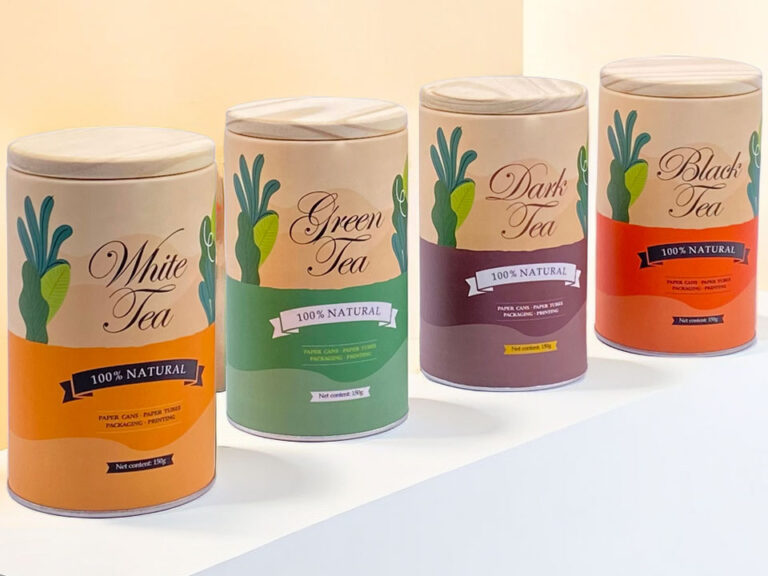
Os pacotes de chá vivem ou morrem pelo aroma. Pretende-se um tubo que seja de primeira qualidade, que feche bem e que proteja contra a humidade durante o armazenamento.
Uma boa referência é o tubo de chá com uma tampa de folha de Flandres: embalagem de tubos de papel para chá. A página destaca um ajuste confortável, laminação mate e detalhes em folha, o que ajuda tanto no desempenho da barreira como no aspeto de prateleira.
Embalagem em tubo de papel para proteína em pó
As embalagens de proteínas em pó são atiradas para os sacos do ginásio, enviadas a granel e empilhadas no armazém. Arranhões, impressões digitais e amolgadelas são os pontos de dor habituais.
O exemplo do tubo de proteína em pó mostra um cilindro laminado mate com detalhes em folha quente: tubos de papel para proteínas em pó. A laminação mate faz um verdadeiro trabalho aqui - corta o brilho, esconde as marcas de manuseamento e mantém a embalagem com um aspeto limpo durante mais tempo.
Embalagem em tubo de papel para cosméticos
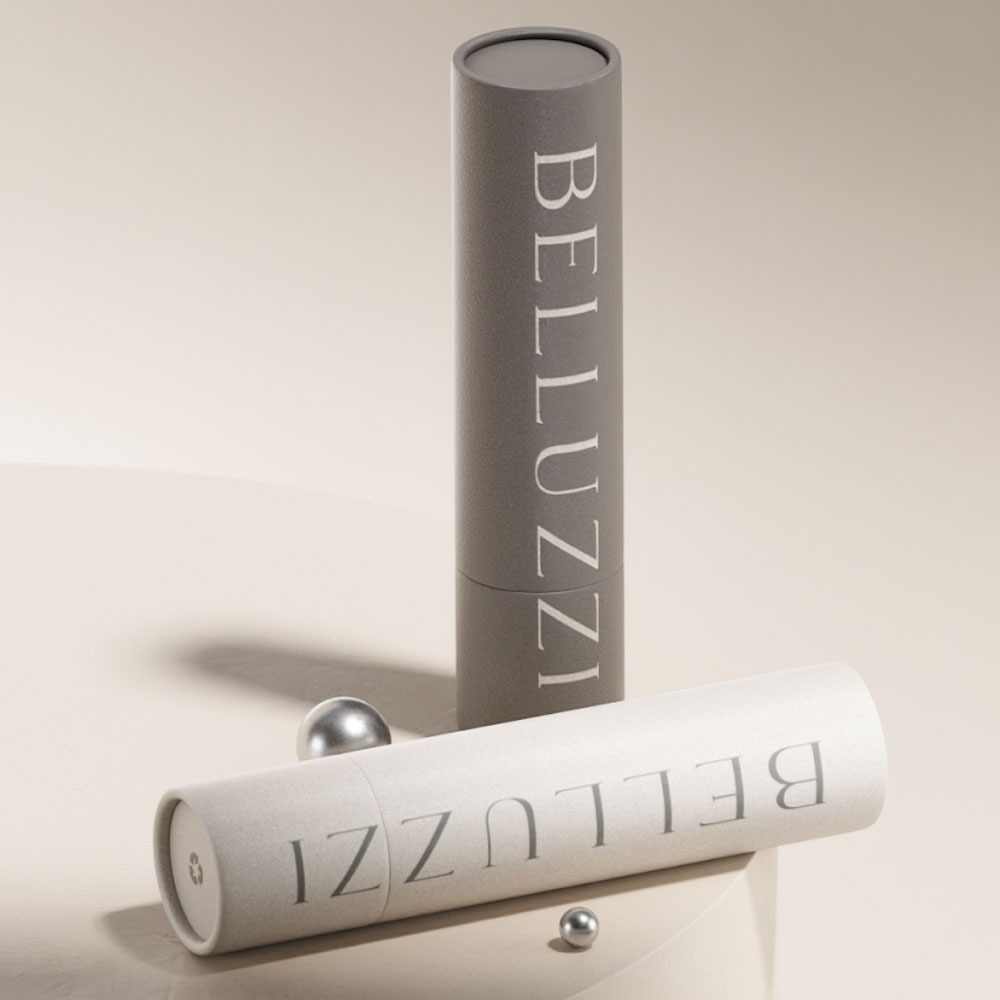
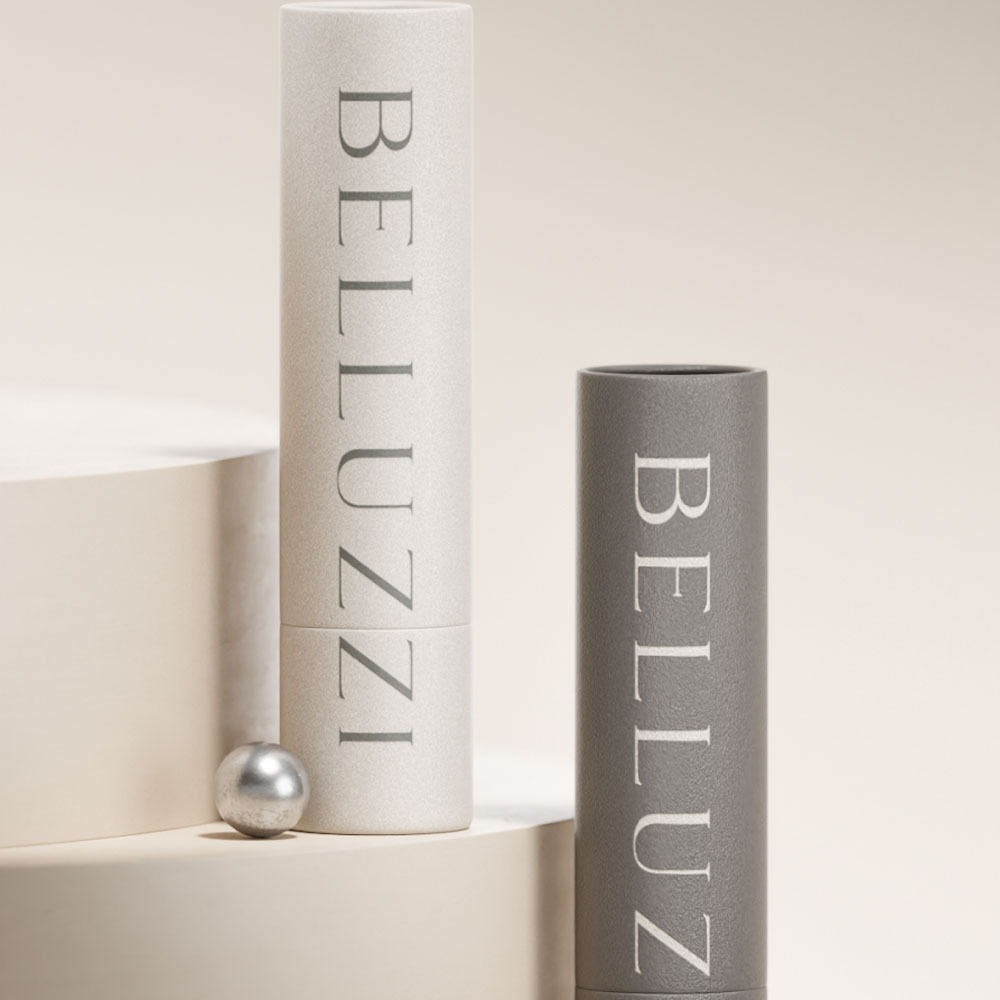
Os compradores de cosméticos julgam rapidamente. O seu tubo tem de proteger o produto, mas também tem de parecer caro sem parecer demasiado concebido.
Este exemplo de tubo para cosméticos utiliza um núcleo rígido com impressão offset e estampagem em folha: tubos de papel para cosméticos. É uma estrutura clássica “premium mas simples” que funciona para soros, cremes e pequenos artigos de beleza.
Embalagem de tubo de papel resistente a crianças
As categorias regulamentadas trazem um tipo diferente de pressão: segurança, expectativas de conformidade e menos “segundas oportunidades” se os clientes se queixarem.
O exemplo resistente às crianças inclui uma parede transparente e um suporte de espuma: tubos de papel resistentes às crianças. Esse suporte de espuma está a fazer um trabalho silencioso e prático - mantém o produto centrado, reduz o ruído e ajuda a reduzir as reclamações de danos.
Caixas de tubos de papel para cartuchos de CBD
Os cartuchos são pequenos, mas a embalagem tem de ter um bom desempenho. Um encaixe solto e arranhões durante o transporte podem dar origem a reembolsos e más críticas.
Este tubo de cartucho utiliza um núcleo rígido com laminação mate e detalhes em folha metálica: caixas de tubos de papel para cartucho CBD. Trata-se de uma solução simples para as marcas que pretendem uma apresentação pronta para a venda a retalho e um envio mais seguro.
Embalagem de tubos de papel para jóias
A embalagem das jóias tem uma função: dar a sensação de poder ser oferecida no momento em que alguém a segura. As impressões digitais, os arranhões e a “sensação de tampa barata” estragam o momento.
Um bom exemplo é o tubo de jóias branco mate com um laço: caixa de tubos de papel para jóias. A superfície mate ajuda a eliminar as manchas e o pormenor da fita transforma-o num pacote pronto a oferecer.
Embalagem de tubo de papel impresso de dupla face
Se pretende uma revelação de qualidade superior sem alterar a estrutura central, imprima o interior. É uma ação simples que faz com que o unboxing pareça concebido.
Especificações de embalagens de tubos de papel que realmente importam
Espessura da parede e resistência ao esmagamento
Se os clientes receberem tubos amolgados, normalmente trata-se de danos por compressão, Não é “má sorte”. Corrija-o com uma parede mais espessa, um núcleo mais forte ou um melhor plano de inserção para que o produto não transfira o impacto para o corpo do tubo.
Ajuste da tampa, fricção e controlo do ruído
Uma tampa solta mata a confiança. Também cria choques, o que faz com que toda a embalagem pareça barata. Pode reforçar a experiência controlando o ajuste, adicionando uma inserção e escolhendo uma construção que suporte uma tolerância estável.
Laminação mate, impressão offset e pormenores em folha quente
Os acabamentos não são apenas decoração. A laminação mate ajuda a reduzir os riscos e as impressões digitais. A impressão em offset mantém os pormenores nítidos. A folha de alumínio acrescenta um realce premium que os compradores notam rapidamente, especialmente nos sectores da beleza e do bem-estar.
Como escolher embalagens de tubos de papel
Eis uma forma simples de escolher a direção certa sem complicar demasiado a questão:
Se enviar diretamente para o consumidor, A empresa de gestão de riscos, a Firma, dá prioridade à resistência ao esmagamento e ao controlo dos riscos. A laminação mate e as paredes mais resistentes pagam-se a si próprias com menos queixas de “chegou danificado”.
Se vende um produto de qualidade superior, A nossa empresa, a Firma, concentra-se na sensação da tampa, na nitidez da impressão e num acabamento limpo. Os clientes reparam no ajuste e no acabamento antes de lerem uma única palavra no rótulo.
Se o seu produto se puder deslocar no interior do tubo, adicionar uma inserção. O chocalho é um íman de retorno.
Se estiver nas categorias de alimentos, chá ou aromas, pense primeiro na barreira. Isto significa proteção da superfície, fechos mais limpos e materiais que se mantêm apresentáveis após o armazenamento.
Caixas de tubo de papel personalizadas OEM/ODM
Se está a comprar para uma marca, um distribuidor ou um programa de marca própria, não precisa apenas de “um tubo”. Precisa de um sistema repetível: estrutura + acabamento + impressão + inserções + produção consistente para grandes tiragens.
É aí que o suporte OEM/ODM ajuda. Pode alinhar as especificações uma vez, fazer uma amostragem rápida e, em seguida, escalar para encomendas por grosso sem reinventar o pacote de cada vez.