Все еще не нашли подходящего упаковочного решения? Поговорите с нашим боссом.
Если вы просмотрели наш сайт или поговорили с сотрудниками отдела продаж, но все еще не видите четкого пути, отправьте свой запрос здесь. Ваше сообщение попадет непосредственно к нашему генеральному директору, который проанализирует целесообразность, стоимость и сроки выполнения. Вы получите четкий следующий шаг - что мы можем сделать, что нам нужно от вас, и самый быстрый путь к получению предложения.
Непосредственный анализ GM ваших спецификаций, сценариев использования и ограничений
Проверка размеров и структуры: диаметр, высота, прочность стенок, вставки
Рекомендации по печати и отделке в соответствии с брендом и бюджетом
Альтернативы снижения затрат и варианты увеличения времени выполнения заказа
Ясность пути предложения: MOQ, план отбора образцов и что делать дальше
Поговорите с нашим боссом
Получить быструю консультацию по Индивидуальная упаковка в бумажные трубки
Создан для менеджеров по упаковке, закупкам и инженеров по упаковке. Укажите размер, количество и отделку, чтобы получить информацию о стоимости, сроках выполнения заказа и рекомендации по спецификациям для программ США/ЕС.
Готовая к заказу спецификация: диаметр, высота, толщина стенок, вставки, вкладыши и крышки
Достижение эффективных результатов в бизнесе с помощью упаковки из цилиндрического картона
Оглавление
Большинство брендов теряют деньги не потому, что их товар плох. Они теряют их в процессе доставки, когда возникают повреждения, возвратные талоны, “особые условия” на складе и упаковка, которая выглядит дешево на полке. Именно здесь цилиндрическая картонная упаковка (коробки из бумажных трубок) зарабатывает на жизнь.
Бумажная трубка - это не модная технология. Это практичный формат, который защищает чувствительные к углам товары, сохраняет жесткость под давлением и обеспечивает чистую поверхность для брендинга и маркировки. При оптовых продажах, OEM/ODM или поставках дистрибьюторам эти детали превращаются в реальные бизнес-результаты.
Карта бизнес-результатов для упаковки из цилиндрического картона
Название аргумента (используйте их в качестве заголовков разделов)
Что он улучшает
Что она исправляет в реальном мире
Источник доверия (без внешних ссылок)
Соблюдение правил отгрузки и размерной дисциплины
Меньше исключений при доставке, более плавное выполнение заказа
Меньше хаоса “не могу отсканировать / не могу отсортировать / нужно перепаковать”.
Правила перевозчика + ваш СОП по выполнению заказов + проверки качества исходящей продукции
Защита рулонных и чувствительных к углам изделий
Меньше претензий по ущербу, меньше возвратов
Никаких мятых углов, никаких погнутых товаров, никаких сообщений “прибыл испорченный”.
Физика продукта + отзывы покупателей + категории данных о возвратах
Пластиковые торцевые крышки и варианты с контролем вскрытия
Больше доверия к безопасности, меньше споров
Уменьшает случайное открытие, поддерживает необходимость повторного закрытия
Реалии розничной торговли + требования к дистрибуции
Квадратные бумажные трубки и некрутящаяся упаковка
Более чистое складирование, более легкое штабелирование
Меньше качения, лучшая устойчивость паллеты
Рабочий процесс на складе + эффективность комплектации и упаковки
Легкая, но прочная конструкция
Повышение эффективности транспортировки без риска “провалиться”
Прочные стенки и приемлемый вес
Поведение упаковочного материала + практика испытаний на падение/сжатие
Возможность повторного использования и хранения
Более высокая воспринимаемая ценность, лучшее запоминание бренда
Клиенты хранят его, используют повторно, говорят о нем
Поведение после покупки + опыт распаковки
Возможность вторичной переработки и история устойчивого развития
Более легкие разговоры с продавцами
Более четкое “бумажное” сообщение при правильном построении
Разбивка материалов + местные рекомендации по переработке
Соблюдение правил отгрузки и размерной дисциплины
Проблемы с отгрузкой обычно не возникают на совещании по продукту. Они появляются в понедельник утром, когда на складе говорят: “Эта партия не пройдет через линию”.”
Цилиндрическая картонная упаковка поможет вам стандартизировать те вещи, которые обеспечивают спокойное выполнение:
Последовательная геометрияТубус лучше держит форму, чем мягкая картонная коробка, когда посылки сжимаются при транспортировке.
Более чистое размещение этикетокМеньше помятых этикеток со штрихкодами, меньше отказов при сканировании, меньше ошибок в маршрутах.
Повторяющаяся упаковка: ваша команда может быстро собраться, потому что формат каждый раз ведет себя одинаково.
Углы выходят из строя первыми. Именно поэтому трубки выигрывают для изделий, которые ненавидят острые края и плоские точки давления.
Трубка защищает по своей конструкции:
у него без углов, которые можно помять
он распределяет силу по кривой
она лучше противостоит вмятинам, чем тонкостенная картонная упаковка
Тубусы для транспортировки плакатов
Если вы отправляете плакаты, гравюры, сертификаты, чертежи или произведения искусства, вы уже знаете, что такое боль: один загнутый край может превратить идеальный товар в возврат.
Тубы позволяют свернуть продукт и сохранить его в чистоте. Это уменьшает количество сообщений “прибыл погнутый” и время, которое вы тратите на споры о том, произошло ли повреждение до или после доставки.
Косметика, средства личной гигиены и предметы ежедневного ношения
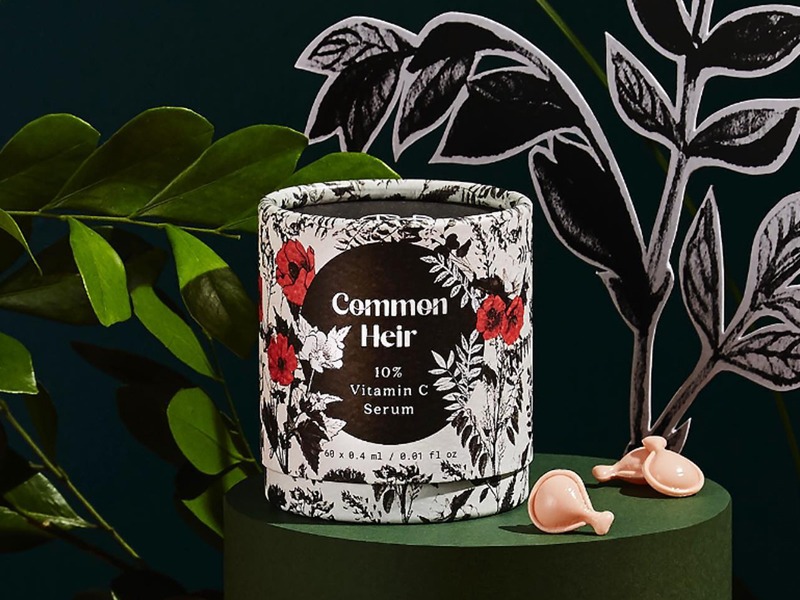
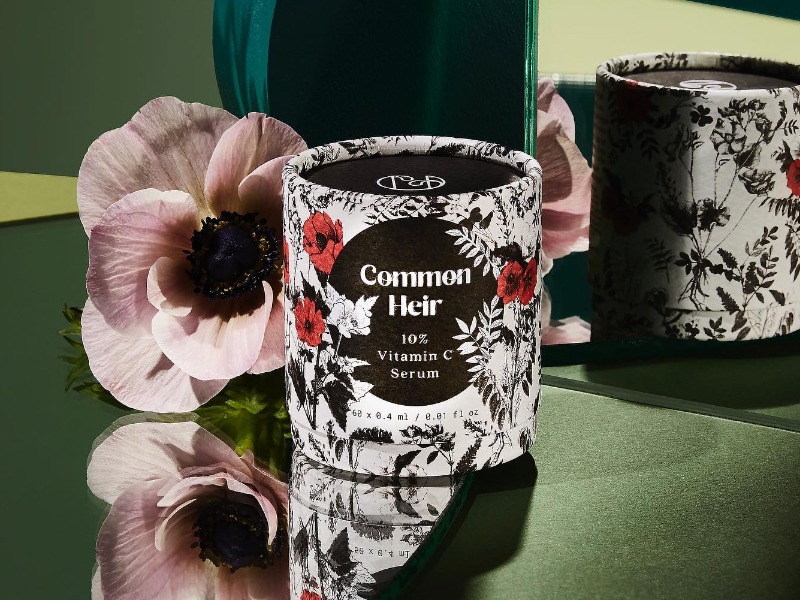
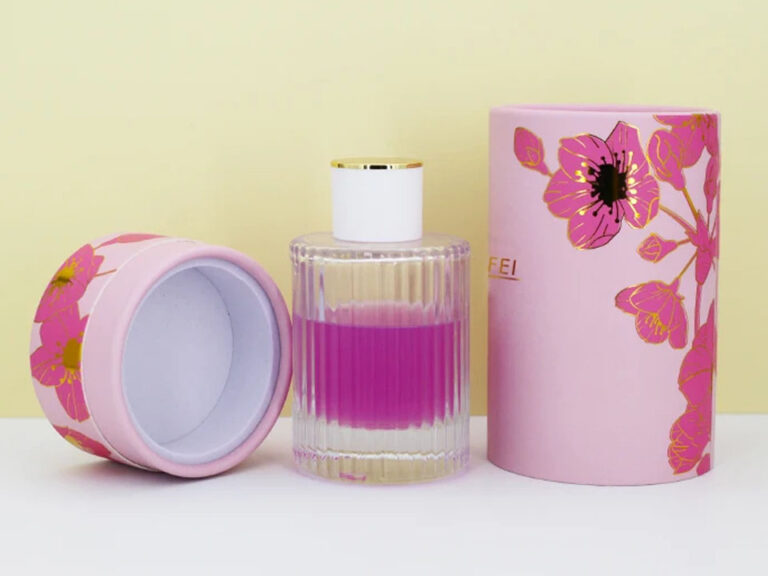
Тубы также хорошо подходят для категорий, где покупатели заботятся о презентации и хранении. Подумайте о косметике, средствах ухода и наборах для путешествий. Такой формат, как коробка упаковки косметической трубки Защищает изделие и придает ему первоклассный вид.
Порошки, питание и функциональные продукты
Для порошков и функциональных товаров нужна защита, а также ощущение прочности в руке. Тубус может обеспечить это, не превращая рюкзак в громоздкий кирпич. Посмотрите, какой стиль используется для упаковка протеинового порошка.
Пластиковые торцевые крышки и варианты с контролем вскрытия
На многих рынках покупатели не просто открывают упаковку один раз. Они открывают ее, закрывают, путешествуют с ней, хранят ее и ожидают, что она останется чистой.
Именно поэтому торцевые крышки и варианты закрытия дело:
Повторное закрытие удобства: покупателям не нужно уничтожать упаковку, чтобы использовать продукт.
Стабильность транзита: повышенная устойчивость к случайному открытию во время транспортировки.
Сигналы доверия: опциональные ступеньки для вскрытия помогают уменьшить количество споров по поводу того, что “это выглядит вскрытым”.
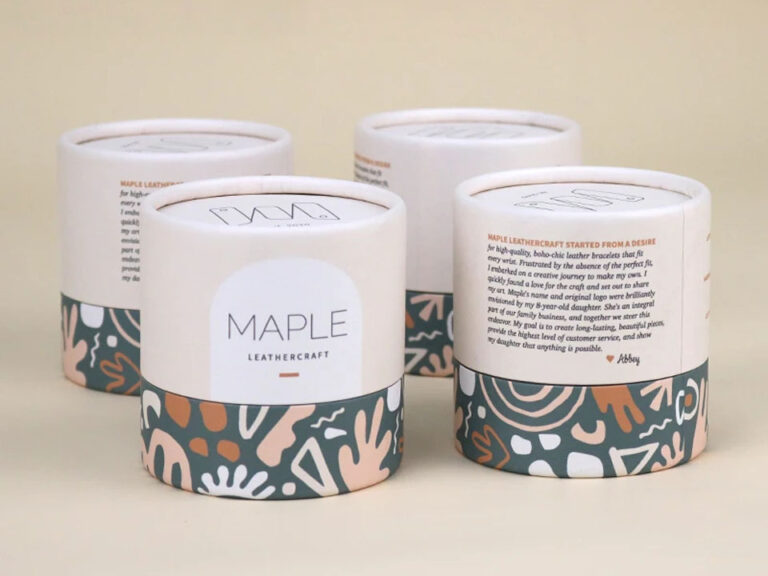
Для премиальных подарков закрытие и отделка имеют еще большее значение, поскольку упаковка становится частью продукта. Отличным справочным форматом является ювелирные изделия и браслеты бумажная упаковка трубки, В этом случае речь идет о презентабельности и достойной укладке.
Квадратные бумажные трубки и некрутящаяся упаковка
Будем откровенны: цилиндры могут покатиться. В условиях быстрого склада качение упаковки может вызвать мелкие раздражения, которые превращаются в замедление работы - особенно при укладке, сканировании и упаковке в термоусадочную пленку.
Именно здесь квадратные бумажные трубки (или другие форматы противоскольжения) подходят:
Улучшенная укладка
Более чистое поведение паллет
Меньше работы с “посылками”
Многие бренды придерживаются смешанной стратегии: цилиндры для розничных героических SKU, а нероликовые форматы для оптовых линий или маршрутов с высокой интенсивностью дистрибуции. Это не нерешительность. Это зрелость операционной системы.
Легкая, но прочная конструкция
Вам не нужна упаковка, которая кажется хрупкой. Вам также не нужна упаковка, которая будет напоминать транспортировку гантели.
Бумажные трубки занимают полезную среднюю зону:
Жесткие стенки защищают от сжатия
формат остается практичным для транспортировки
упаковка кажется премиальной без лишних сложностей
Это важно для трансграничных продавцов и операторов торговых площадок, поскольку претензии по ущербу бьют по вам дважды - один раз в виде возврата денег, а второй - в виде давления на рейтинг магазина.
Возможность повторного использования и хранения
Трубка не кажется одноразовой. Люди хранят его.
Это несомненный выигрыш для запоминания бренда, потому что ваша упаковка остается в пространстве покупателя. Она становится местом хранения кабелей, инструментов для макияжа, аксессуаров или настольных принадлежностей. Вам не нужно навязывать “историю повторного использования”. Форма сама по себе располагает к этому.
OEM/ODM и оптовый контрольный список для пользовательских коробок бумажной трубки
Если вы покупаете оптом, не начинайте с “сделать красиво”. Начните с того, что нарушит вашу цепочку поставок.
Воспользуйтесь этим контрольным списком, чтобы не запутаться в проекте:
Подгонка и допуск: внутренний диаметр, высота, посадка вкладыша, герметичность крышки
Уровень защитыПрочность стенок, сопротивление сжатию, поведение при вибрации во время транзита
Стратегия закрытия: фрикционная крышка, торцевые крышки, специальные крышки, дополнительные ступеньки для вскрытия.
Исполнение бренда: стойкость отпечатков, долговечность покрытия, устойчивость к потертостям
Складская реальность: поведение при укладке, поверхность сканирования штрих-кода, скорость упаковки
Потребности в соответствии: устойчивость к воздействию детей или требования к конкретной категории, где это уместно
Согласованность шкал: стабильность от партии к партии, контрольные точки контроля качества, совместимость линий.
Если вы хотите просмотреть параметры формата, прежде чем указывать детали, то каталог коробок из бумажных трубок это самый быстрый способ сравнить стили в разных отраслях.
Завершение: почему упаковка из цилиндрического картона способствует эффективным результатам
Цилиндрическая картонная упаковка работает, потому что она устраняет слабые места - как в буквальном смысле, так и с точки зрения эксплуатации. Она защищает чувствительные к углам товары, обеспечивает предсказуемость выполнения заказов, поддерживает премиальный брендинг и соответствует технологическим процессам массового производства.
Если ваши цели - сокращение числа жалоб на повреждения, более плавная транспортировка, лучшее присутствие на полке и упаковка, которую покупатели не выбрасывают сразу же, коробки из бумажных трубочек - это практичный шаг, а не тренд.
Когда вы будете готовы, начните с Домашняя страница и соотнесите тип вашего продукта с ближайшей структурой, а затем зафиксируйте фасон, застежку и отделку в зависимости от маршрута доставки и канала продаж.