Все еще не нашли подходящего упаковочного решения? Поговорите с нашим боссом.
Если вы просмотрели наш сайт или поговорили с сотрудниками отдела продаж, но все еще не видите четкого пути, отправьте свой запрос здесь. Ваше сообщение попадет непосредственно к нашему генеральному директору, который проанализирует целесообразность, стоимость и сроки выполнения. Вы получите четкий следующий шаг - что мы можем сделать, что нам нужно от вас, и самый быстрый путь к получению предложения.
Непосредственный анализ GM ваших спецификаций, сценариев использования и ограничений
Проверка размеров и структуры: диаметр, высота, прочность стенок, вставки
Рекомендации по печати и отделке в соответствии с брендом и бюджетом
Альтернативы снижения затрат и варианты увеличения времени выполнения заказа
Ясность пути предложения: MOQ, план отбора образцов и что делать дальше
Поговорите с нашим боссом
Получить быструю консультацию по Индивидуальная упаковка в бумажные трубки
Создан для менеджеров по упаковке, закупкам и инженеров по упаковке. Укажите размер, количество и отделку, чтобы получить информацию о стоимости, сроках выполнения заказа и рекомендации по спецификациям для программ США/ЕС.
Готовая к заказу спецификация: диаметр, высота, толщина стенок, вставки, вкладыши и крышки
Материальная революция цилиндрической упаковки: Расшифровка технологического кода и эстетического выражения современных упаковочных коробок
Оглавление
Цилиндрическая упаковка - это уже не просто “красивая коробка”. Это и технические характеристики, и точка соприкосновения с брендом, и инструмент цепочки поставок, объединенные в одно целое.
Если вы покупаете оптом (OEM/ODM, оптовая торговля, частные марки, розничные программы), ваша туба должна выжить в реальной жизни: влажные склады, 3PL-перевозки, трансграничный транзит, возврат товара на рынок и грязные полки. От выбора материала зависит, будет ли ваша упаковка оставаться хрустящей, герметично закрываться, чисто печататься и сохранять первоклассный вид после падения на последней миле.
Бумажные трубки выглядят просто, но современные конструкции многослойны. Подумайте о структуре + барьер + отделка. При правильном подходе бумажные композиты выдерживают давление при укладке, риск попадания влаги и презентацию бренда, не превращая упаковку в цилиндр с “пластиковым вкусом”.
Барьерные слои и контроль влажности
Если вы отправляете чай, кофе, пищевые добавки или порошки, влажность - тихий злодей. Бумажная композитная туба может добавить барьерную прокладку, плотное прилегание крышки и защиту поверхности, чтобы упаковка не стала мягкой и не потерлась во время транспортировки.
Прочность при штабелировании и устойчивость к раздавливанию
Трубки естественным образом сопротивляются вертикальному сжатию лучше, чем многие складные картонные коробки. Это важно, когда картонные коробки укладывают в высокие штабели, обвязывают ремнями или втискивают в смешанные паллеты.
Для сыпучих продуктов питания обычно используется более толстая стенка + жесткий сердечник, чтобы трубка оставалась круглой, а крышка - прилегающей. Вот хороший пример для этой категории: белковый порошок бумажная упаковка трубки.
Печать и тактильная отделка
Бумага выигрывает, когда вы хотите, чтобы “ощущение руки” делало часть продаж. Мягкие прикосновения, тиснение, крафтовая текстура, матовая ламинация - все эти сигналы бренда покупатели понимают мгновенно.
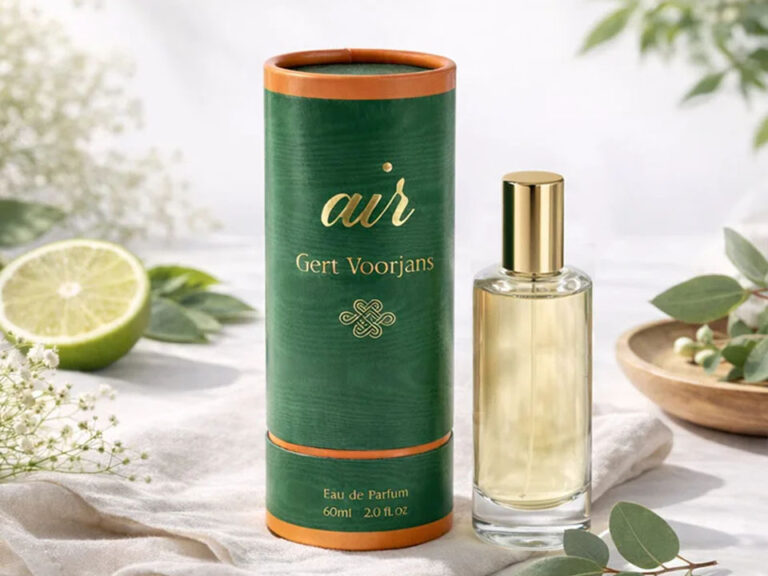
Если вы занимаетесь красотой и хотите получить премиальный захват плюс чистую графику, этот стиль показывает направление: тубы из косметического картона.
Инженерные пластмассы
В трубках пластик не должен быть по умолчанию. Они должны заслужить свое место. Используйте их, когда вам нужна видимость, ударопрочность, более жесткие допуски или стабильный внутренний слой - особенно для трансграничных товаров и товаров с большим количеством мест на рынке.
Видимость и ударопрочность
Если покупатели хотят “увидеть его перед покупкой”, трубка с окошком повышает конверсию и сокращает количество колебаний. Кроме того, при большом количестве SKU она помогает прояснить варианты.
Это распространенный компромисс для брендов, которым нужна история с бумагой, но при этом необходимо поведение дисплея. С точки зрения поставщиков, им также легче управлять: вы поддерживаете стабильность поставок бумажных трубок, а затем настраиваете размер окна, тип пленки и спецификацию клея в зависимости от вашего канала.
Металлические сплавы
Металл в цилиндрической упаковке - это доверие и возможность повторного использования. Металлическая крышка кажется надежной. Она сигнализирует о свежести и премиальности, а также побуждает покупателей хранить тюбик на полке еще долго после того, как продукт закончится.
Крышки из жести и индикаторы свежести
Для чая, кофе и кондитерских изделий ощущение крышки - это не деталь. Это триггер восприятия. Прочная металлическая крышка уменьшает сомнения “а не несвежая ли она?” и может улучшить момент распаковки, не делая его броским.
Металлы также могут придать четкость внешнему виду - особенно если вам нужен насыщенный цвет, четкие края или более “коллекционное” ощущение. Если ваш бренд зависит от фирменного тона (соответствие Pantone, чистые блики, минимальный дизайн), металлические застежки помогут сохранить вид упаковки при розничном освещении.
Материалы на биооснове
Биооснова не обязательно означает хрупкость. Покупатели обычно хотят простого: волокнистую структуру, которая при этом достигает целевых показателей и поддерживает требования по устойчивому развитию в розничной торговле и на экспорт.
Перерабатываемые конструкции на основе волокон
Для многих брендов практический выигрыш один и тот же: бумажные тубы, которые масштабируются, хорошо доставляются и соответствуют ожиданиям вторичной переработки на ключевых рынках. Это позволяет сохранить последовательность истории вашей упаковки, пока вы развиваетесь от небольших партий к большим циклам пополнения запасов.
Упаковка в виде бумажной трубки, устойчивой к воздействию детей
В регулируемых категориях “безопасность дизайна” имеет значение. Вам нужна упаковка, которая обеспечивает соответствие требованиям, снижает риски и при этом выглядит как настоящий бренд, а не как обычный контейнер.
“Слово ”умный" в упаковке обычно означает одно из двух: отслеживание или сигналы состояния. Речь идет не о диковинках. Речь идет о меньшем количестве споров, меньшем количестве подделок и более плавном управлении каналом.
NFC и упаковка для защиты от подделок
Если вы продаете товары на торговых площадках или через многочисленных дистрибьюторов, контрафакт и утечка информации из каналов сбыта могут стать еженедельной головной болью. Интеллектуальные функции упаковки могут поддерживать потоки аутентификации, проверять партии и усиливать заявления о регистрации бренда.
Это имеет большое значение в таких категориях, как CBD, где покупателям важны доверие и происхождение. Вот формат, который подходит для этого сценария: Коробки с бумажными тубусами для картриджей CBD.
Чернила с индикатором температуры и риск холодного хранения
Для продуктов, которые нельзя перегреть или неправильно эксплуатировать, визуальные индикаторы помогают уменьшить количество споров в логистике по принципу “он сказал, она сказала”. Даже простая подсказка о температуре может способствовать более эффективному рассмотрению претензий и ведению переговоров с розничными продавцами.
Матрица выбора материала
Вот удобный способ сопоставления материалов с реальными болевыми точками покупателей. Используйте его, когда составляете RFQ, ужесточаете дилайн или согласовываете свои действия с 3PL.
Система материалов
Наиболее подходящая болевая точка
Типичный подход к сборке
Сильно подходящие категории
“Язык ”Итоги покупателя"
Композитные материалы на основе бумаги
Устойчивость к сминанию, защита от потертостей, приятные ощущения
структуры, ориентированные на волокно, бумажные конструкции
Велнес, красота, регулируемые категории
Более легкое вхождение ритейлера в систему, более чистая история соблюдения требований
Умные материалы
Защита от подделок, прослеживаемость, холодная цепочка
Структура с поддержкой NFC/QR, индикаторные функции
Рынок с высокой степенью насыщенности, регулируемый, экспортный
Меньше споров, лучший контроль каналов
Сценарии упаковки, которые встречаются в реальном мире
Большинство проектов проваливаются не из-за дизайна. Они терпят неудачу из-за операционного трения: возвраты, потертости, несоответствие крышки, несоответствие цвета или упаковка, которая замедляет процесс комплектации и подбора.
Выполнение заказов электронной коммерции и доставка товаров на рынок
Если ваш SKU проходит через 3PL, предусмотрите возможность трения: слишком плотно упакованные коробки, конвейеры, падения на последней миле и случайные погодные условия.
Простое правило: спецификация для сохранение формы и стабильность закрытия. Благодаря этому трубка остается круглой, крышка выравнивается, а жалобы клиентов уменьшаются.
Планировка розничной торговли и переоборудование полок
Розничная торговля жестока. Ваша посылка должна выглядеть идеально после обработки, а не просто только что из коробки.
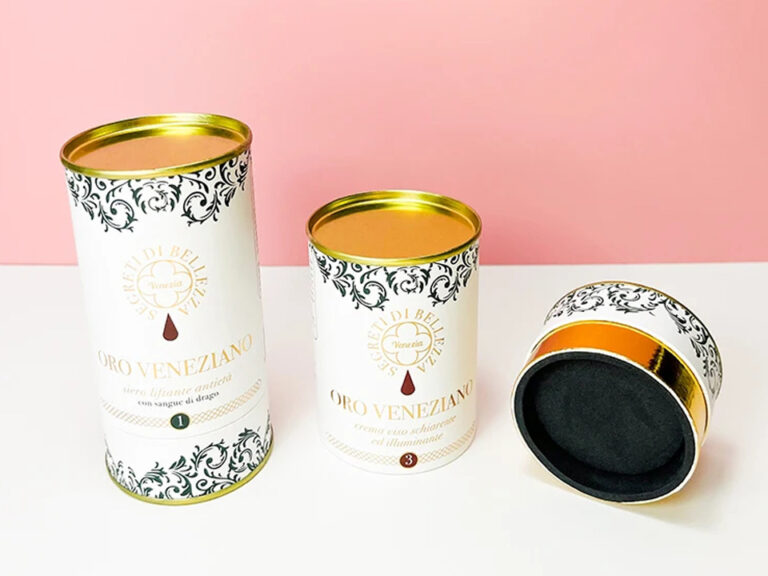
Для косметических добавок или продуктов “ежедневной рутины” важна сильная графика и последовательность печати. Многие бренды используют именно это стилевое направление: двухсторонняя печатная упаковка бумажной трубки.
Управление вариантами и масштабирование SKU
Когда ваша линия растет, система упаковки должна оставаться аккуратной. Цилиндрические форматы помогают стандартизировать диаметр и высоту, позволяя варьировать этикетки, отделку и крышки. Это уменьшает производственный хаос и делает закупки чище.
Оптовая торговля OEM/ODM для растущих брендов
Оптовым покупателям важна повторяемость: постоянство цвета, стабильные сроки выполнения заказа, четкий контроль качества и надежность выпускаемой продукции - особенно если вы поставляете продукцию в розничную сеть или занимаетесь трансграничными поставками.
Именно поэтому мы поддерживаем OEM/ODM и оптовые программы, разработанные для владельцев брендов, производителей, трансграничных продавцов, дистрибьюторов, агентств и команд частных марок - чтобы ваша упаковка могла масштабироваться без постоянных переделок.