Все еще не нашли подходящего упаковочного решения? Поговорите с нашим боссом.
Если вы просмотрели наш сайт или поговорили с сотрудниками отдела продаж, но все еще не видите четкого пути, отправьте свой запрос здесь. Ваше сообщение попадет непосредственно к нашему генеральному директору, который проанализирует целесообразность, стоимость и сроки выполнения. Вы получите четкий следующий шаг - что мы можем сделать, что нам нужно от вас, и самый быстрый путь к получению предложения.
Непосредственный анализ GM ваших спецификаций, сценариев использования и ограничений
Проверка размеров и структуры: диаметр, высота, прочность стенок, вставки
Рекомендации по печати и отделке в соответствии с брендом и бюджетом
Альтернативы снижения затрат и варианты увеличения времени выполнения заказа
Ясность пути предложения: MOQ, план отбора образцов и что делать дальше
Поговорите с нашим боссом
Получить быструю консультацию по Индивидуальная упаковка в бумажные трубки
Создан для менеджеров по упаковке, закупкам и инженеров по упаковке. Укажите размер, количество и отделку, чтобы получить информацию о стоимости, сроках выполнения заказа и рекомендации по спецификациям для программ США/ЕС.
Готовая к заказу спецификация: диаметр, высота, толщина стенок, вставки, вкладыши и крышки
Руководство по индивидуальным решениям для упаковки в картонные трубки
Оглавление
Если вы продаете товар, который нуждается в реальная защита, Чистый брендинг и первоклассный дизайн, индивидуальная упаковка картонных туб заслуживает серьезного внимания. Тубы не просто “держат” продукт. Они уменьшают вмятины, сокращают количество беспорядочных упаковок и придают SKU оригинальный вид на полке.
В качестве Лучшие пользовательские бумажные коробки трубки производитель, Мы поддерживаем изготовление на заказ, оптовая торговля, и OEM/ODM для ритейлеров, владельцев брендов, фабрик, трансграничных продавцов электронной коммерции, дистрибьюторов, агентств и растущих стартапов. Мы управляем современным семинар по очистке пищевой упаковки и 3D-склад площадью 12 300 м², со среднесуточной производительностью 300,000+ штук-Чтобы вы могли масштабировать работу, когда заказы начнут поступать быстро.
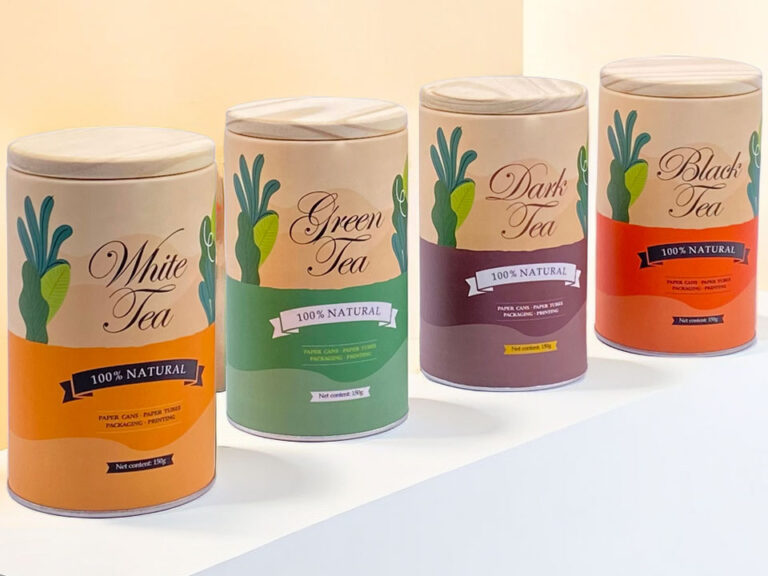
Картонный тубус - это цилиндр из жесткого картона (часто спирально навитый), который защищает продукцию лучше, чем многие складные картонные коробки. Вы можете выбрать диаметр, высота, толщина стенок, тип затвора и вставки чтобы трубка подходила к вашему изделию как перчатка.
Вы увидите трубки, используемые для:
готовая к продаже упаковка, которая требует влияние на полку
упаковка для транспортировки, где требуется меньше мятых углов
подарочная упаковка, где важна распаковка
продукты, которые покупатели открывают и закрывают неоднократно
Экономичная, пригодная для вторичной переработки упаковка с прокладочным материалом
Трубки имеют смысл, когда вам нужно структура + амортизация без использования тяжелых материалов. Картон естественным образом амортизирует небольшие удары, а цилиндрическая форма помогает упаковке сохранять жесткость.
Что это решает в реальном мире
Снижение количества жалоб на хрупкие предметы, которые “пришли поврежденными”
Меньше возвратов с разбитых краев
улучшенная укладка в картонную коробку во время выполнения заказа
Пример сценария Бренд по уходу за кожей поставляет стеклянные пипетки. Трубка с плотной вставкой удерживает флакон по центру, уменьшает дребезжание и защищает область плеча, которая обычно ломается первой.
Цилиндрическая форма улучшает защиту от ударов
Круглое тело распределяет давление. Именно поэтому тубы часто хорошо работают, когда картонные коробки сжимаются при транспортировке. Если вы когда-нибудь видели, как коробка сминается на повороте, вы уже поняли это.
Сокращение команды по упаковке: вы управляете риск падения, сжатие, и вибрация. Трубки помогают во всех трех случаях, если вы используете их в паре с правильной вставкой.
Где это важнее всего
стеклянные бутылки, свечи, банки и флаконы
Аксессуары премиум-класса, которые легко царапаются
продукты, поставляемые в смешанных коробках с другими SKU
360° брендирования для присутствия на полке
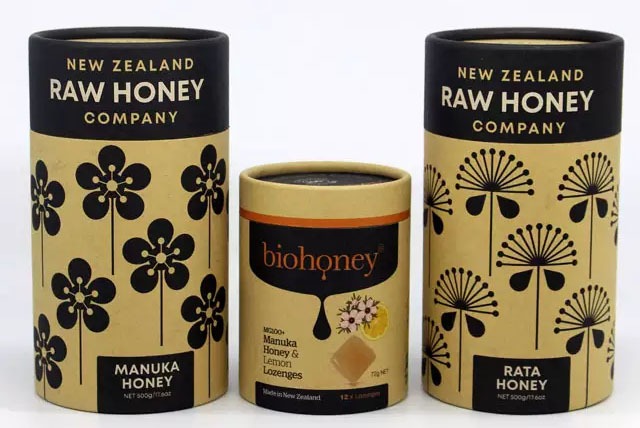
Трубка дает возможность полностью обернуть холст. Это помогает, когда вы хотите отзыв бренда в переполненном проходе, или вы хотите, чтобы покупатели читали историю, не переворачивая коробку снова и снова.
Легкие победы, которые не кажутся “лишними”
напечатайте чистую панель с ингредиентами, которая гладко обволакивает
Добавьте QR-код для получения информации о партии, советов по использованию или проверки подлинности
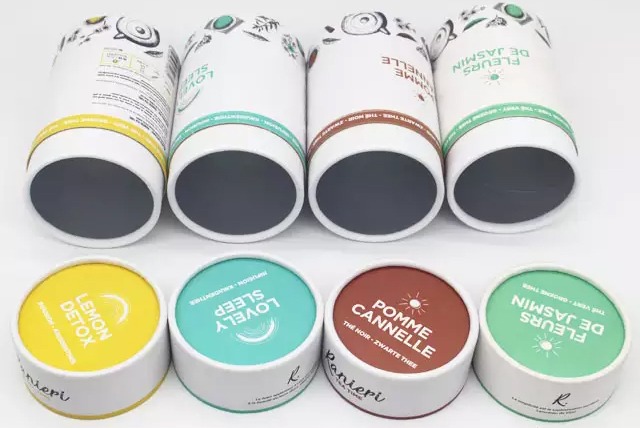
Создайте единый внешний вид для нескольких SKU с помощью цветовой маркировки колпачков или этикеток
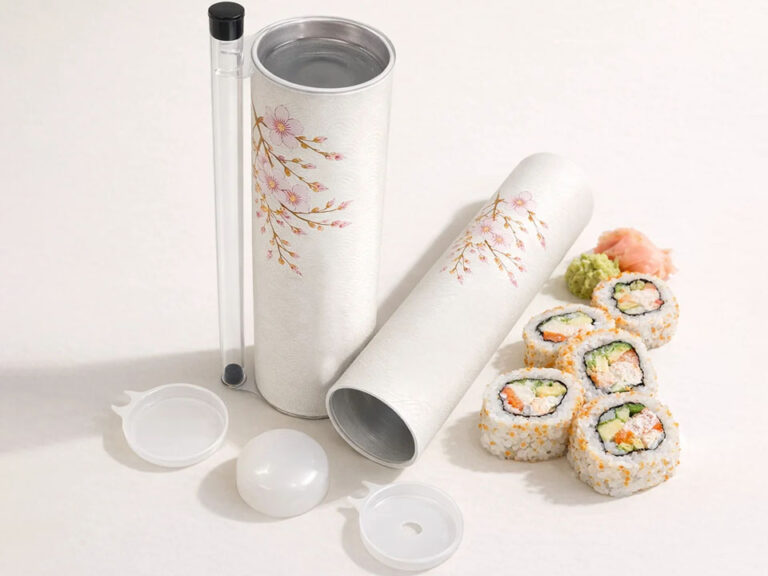
Однокомпонентные и многокомпонентные модели, заглушки, колпачки и телескопические трубки
Трубки можно собрать из нескольких распространенных конструкций:
Цельные картонные трубки
Простой корпус + крышка. Хорошо подходит для быстрой упаковки и стабильной транспортировки.
Картонные трубки из двух и трех частей
Часто используется для создания более премиального впечатления от открытия/закрытия. Подумайте о “презентационной упаковке”, которую покупатели оставляют себе.
Варианты заглушек и крышек
Ваше закрытие управляет обоими опыт пользователей и защита продукции:
плотная застежка в виде пробки для лучшей фиксации
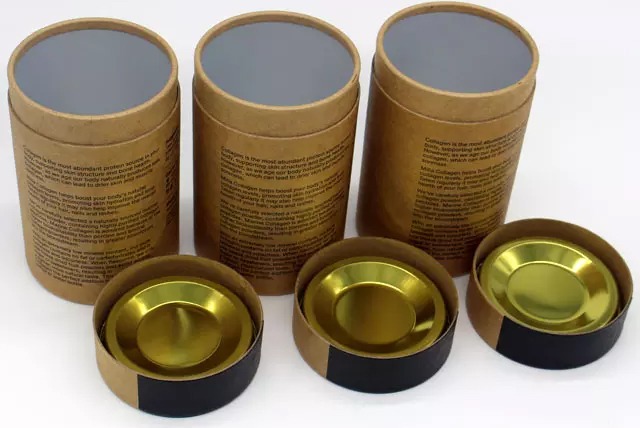
Варианты крышек из металлической жести для более надежного уплотнения
специальные системы закрытия для категорий, чувствительных к соблюдению требований
Большинство проектов по производству труб проваливаются по одной скучной причине: спецификация не соответствует поведению продукта. Товар сдвигается, этикетка потерта или упаковка кажется неплотной.
Диаметр и высота
Подберите внутренний диаметр трубки к самой широкой точке изделия.
Оставьте достаточно места для вставки и легкого извлечения.
Избегайте “слишком тугих” конструкций, которые снижают скорость упаковочной линии.
Вставки
Вставки уменьшают движение и защищают поверхности. Кроме того, они придают упаковке ощущение чистоты и “продуманности”, а не случайности.
Используйте вставки, когда это необходимо:
защита от дребезга для стеклянных, металлических или хрупких деталей
последовательное позиционирование для показа и фотографий
защита для отделки премиум-класса
Индивидуальные решения для упаковки картонных туб по категориям продукции
Вот как упаковка в тубусы выглядит в самых распространенных случаях, с примерами, которые вы можете просмотреть.
Упаковка косметических туб
Бренды по уходу за кожей и косметикой используют тюбики для презентация премиум-класса, Лучшая защита и более чистый товарный вид на полках. Начните с картонные тубы для косметики.
Эта категория нуждается в уверенной вибрации “крепкого контейнера”. Тубы также помогают уменьшить вмятины при доставке на большие расстояния. См. трубка для упаковки белкового порошка.
Обычно это около защита, плотное прилегание и доверие к бренду. Трубки также помогают предотвратить повреждение при дроблении смешанных заказов. См. Бумажные коробки с тубусом для картриджей CBD.
Утверждения о возможности вторичной переработки и соответствие требованиям: Зеленые руководства FTC и ISO 18604
Устойчивое развитие продается, но небрежные заявления могут привести к обратному результату.
Если указано “пригодно для вторичной переработки”, проверьте, насколько реальна переработка именно для вашей структуры и региона.
Если вы продаете товары в США, то Зеленые гиды FTC влияют на то, как бренды должны формулировать заявления об охране окружающей среды.
Если вам нужен язык стандартов для оценки пригодности к переработке, ISO 18604 охватывает упаковку, которая может быть восстановлена в процессе вторичной переработки материалов.
Объясните, из чего состоит упаковка, как ее утилизировать и какие детали (например, вкладыши или крышки) могут отличаться.
Процесс упаковки OEM/ODM и оптовых продаж
Если вы покупаете товар для бренда, фабрики или дистрибьюторского бизнеса, вас обычно волнуют три вещи: точность, стабильное качество и повторяемость производства.
Вот рабочий процесс, который не дает проектам сбиться с пути:
Зафиксируйте размеры SKU (изделие, вставка, посадка шапки).
Подтвердите закрытие (однокомпонентные и многокомпонентные, пробки и крышки).
Выберите направление печати (фирменная сторона, нанесение штрих-кода, нормативная копия).
Образец и стресс-тест (испытание на встряхивание, падение, проверку на наличие потертостей).
Перейти к основной массе как только вы освоите шаги по упаковке.
Такой подход хорошо подходит для OEM/ODM, поскольку сокращает количество переделок и обеспечивает чистоту согласований.
Ключевые утверждения и подтверждающие источники
Утверждение, которое вы можете использовать в своей статье
Что он поддерживает
Практическое доказательство
Тип источника
Экономичная, пригодная для вторичной переработки упаковка с прокладочным материалом
Позиционирование + история защиты
Меньше вмятин и смятых углов по сравнению со многими складными картонными коробками
Отраслевая практика + поведение материалов
Цилиндрическая форма улучшает защиту от ударов
Производительность доставки и выполнения заказов
Улучшенное поведение при сжатии, меньший риск защемления углов
Принцип создания упаковки
360° брендирования для присутствия на полке
Розничная торговля и стоимость бренда
Оберточный дизайн, более легкое повествование, более прочная система SKU
Практика мерчандайзинга
Однокомпонентные и многокомпонентные модели, заглушки, колпачки и телескопические трубки
Лучше подходит для конкретного случая использования
Выбирайте закрытие в зависимости от частоты открывания и потребностей в защите
Варианты структуры упаковки
Выбор диаметра и длины и вставки
Лучшая упаковка и меньший доход
Вставки останавливают движение и уменьшают потертости
Практика выполнения
Утверждения о возможности вторичной переработки и соответствие требованиям: Зеленые руководства FTC и ISO 18604
Надежность и контроль рисков
Более точное информирование об устойчивом развитии
Нормативная база + стандарты
Процесс упаковки OEM/ODM и оптовых продаж
Масштаб и воспроизводимость
Меньше изменений в спецификации, больше согласований
Дисциплина производственного процесса
Склад площадью 12 300 м² и пропускной способностью 300 000+ в день
Обеспечение поставок
Поддержка оптовых заказов и постоянное пополнение запасов
Заявление о возможностях производителя
Контрольный список спецификаций для упаковки в картонные тубы
Специфический элемент
Что нужно решить
Почему это важно для оптовых заказов
Внутренний диаметр
посадка изделия + место для вставки
Предотвращает дребезжание и потертости
Высота трубки
пространство для головы + легкое выдвижение
Повышает скорость распаковки и упаковки
Толщина стенки
уровень защиты
поддерживает сжатие и транзитную обработку
Стиль закрытия
колпачок/штекер/многодетная деталь
Обеспечивает удобство и безопасность для пользователей
Тип вставки
картон, формованный, индивидуальная подгонка
Сохраняет стабильность продукта в коробке
Печатная обработка
варианты матовых/глянцевых/текстурных покрытий
влияет на внешний вид и устойчивость к загрязнениям
Копия на соответствие
предупреждения, партия, штрих-код
Сокращает количество перемаркировок и возвратов денег