Still Not Seeing The Right Packaging Solution? Talk to Our Boss.
If you’ve reviewed our website or spoken with sales and still don’t see a clear path, send your request here. Your message goes directly to our General Manager for an executive review of feasibility, cost, and lead time. You’ll get a clear next step—what we can do, what we need from you, and the fastest route to a quote.
Direct GM review of your specs, use case, and constraints
Print/finish recommendations to match brand + budget
Cost-down alternatives and lead-time improvement options
Quote path clarity: MOQ, sampling plan, and what to next
Talk to Our Boss
Get a Fast Quote for Custom Paper Tube Packaging
Built for packaging managers, procurement, and packaging engineers. Specify size, quantity, and finish to receive moq, lead time, and spec guidance for us/eu programs.
Quote-ready customization: diameter, height, wall thickness, inserts, liners, and closures
The Benefits of Paper Tube Boxes for Tea Packaging
Table of Contents
Tea is picky. It absorbs smells, hates moisture, and fades under light. Once the aroma slips away, you can’t “fix” it later.
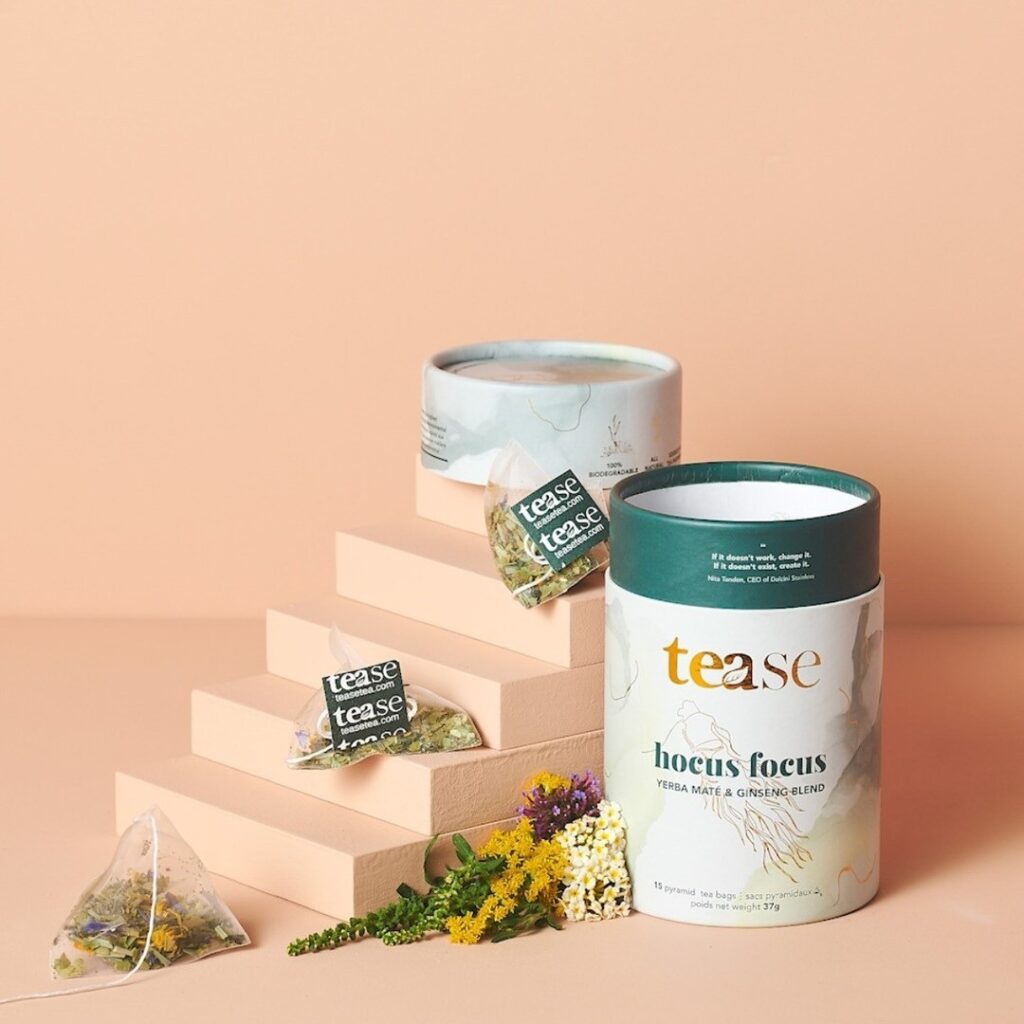
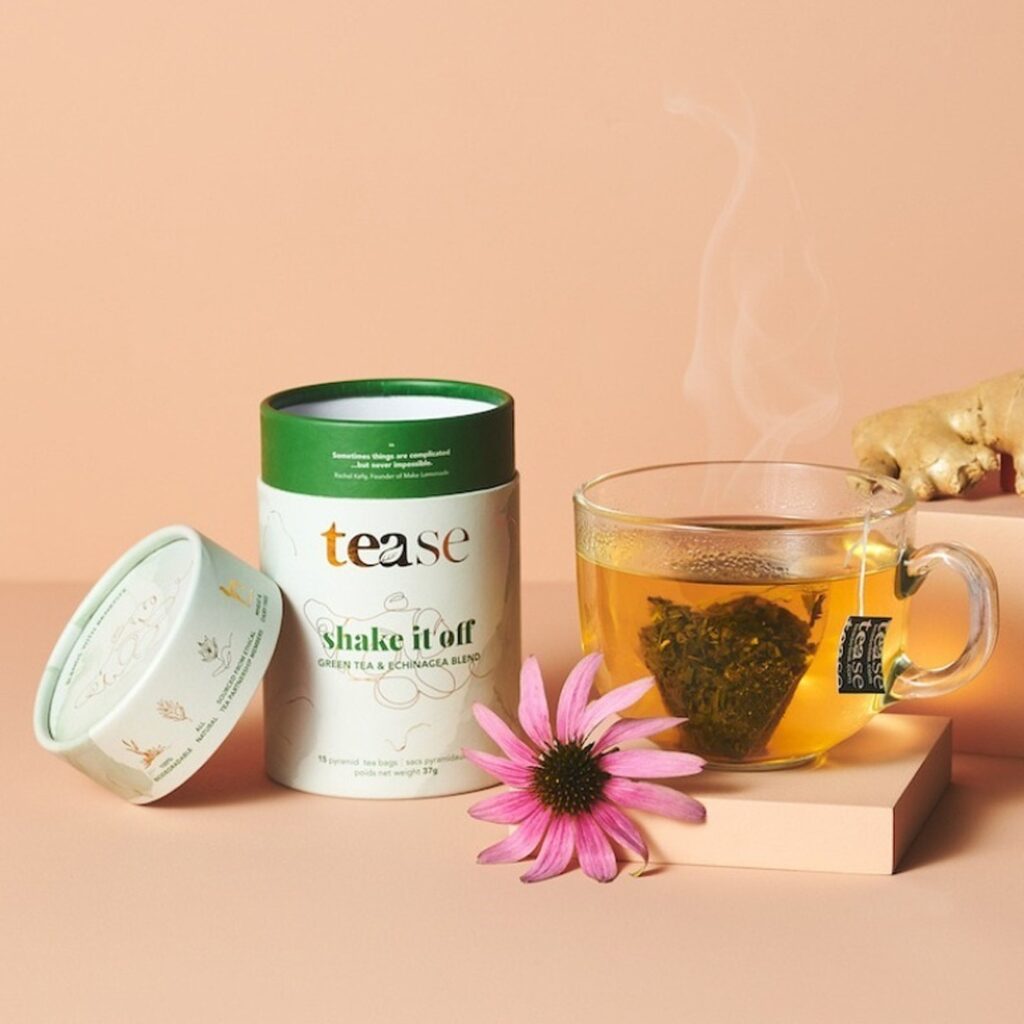
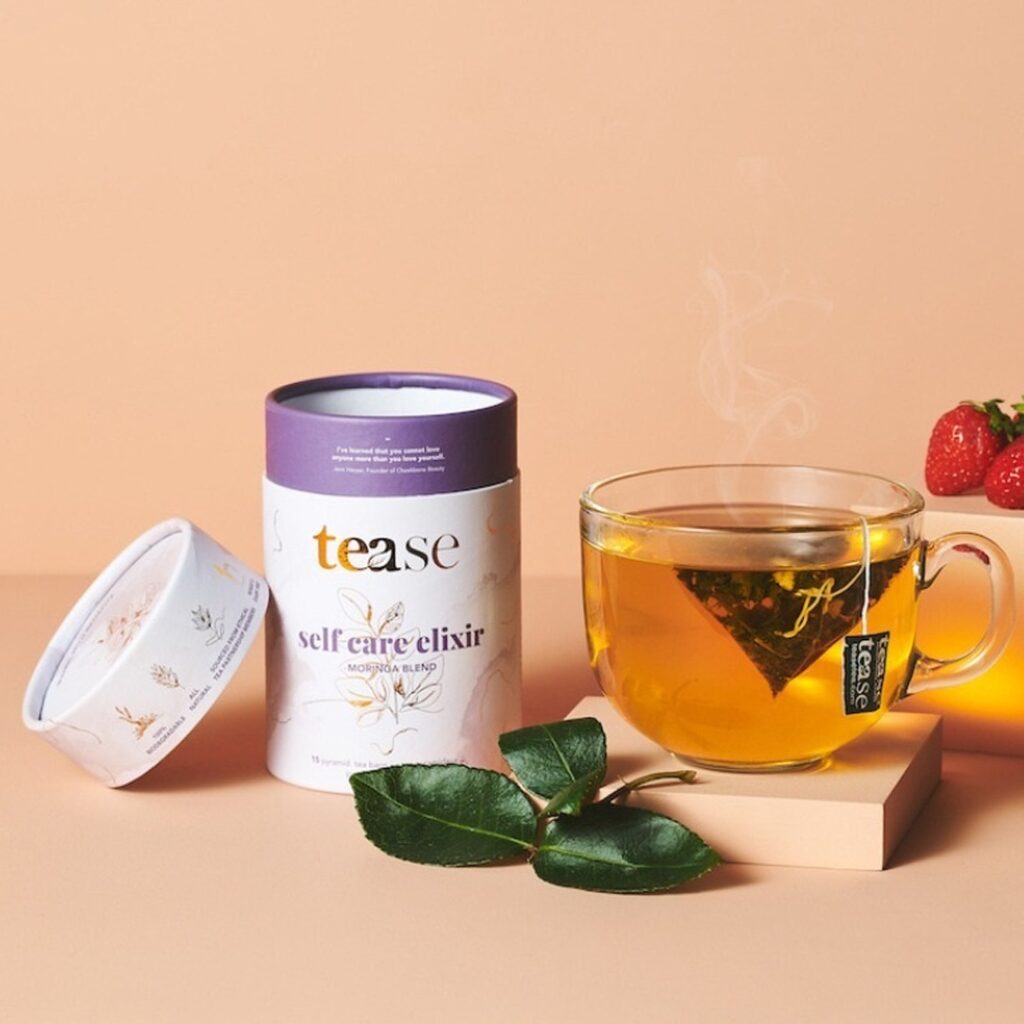
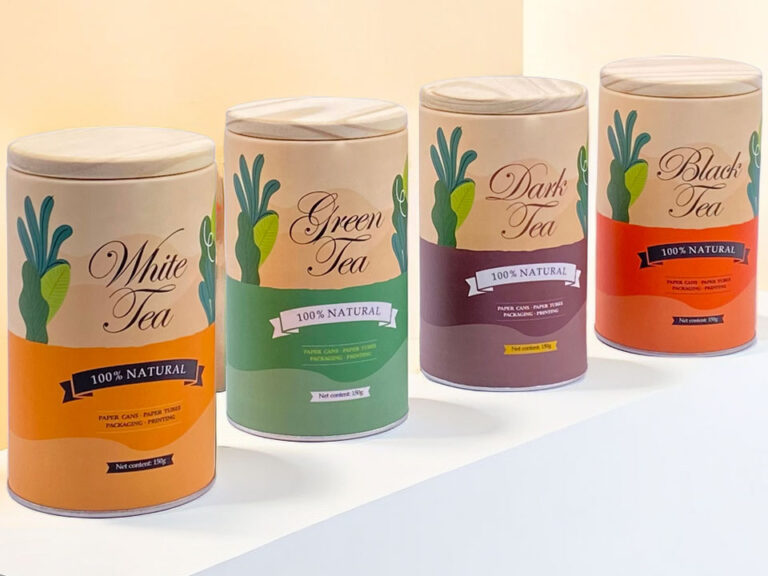
So tea packaging can’t be just a pretty container. You need a pack that protects freshness, looks premium, and ships well—without making your ops team miserable. That’s where paper tube boxes for tea packaging shine, especially when you spec them the right way.
If you’re a tea brand, a private-label seller, a cross-border e-commerce operator, or a wholesaler supplying retailers, this guide breaks down the real benefits and the practical details that matter.
Quick internal links you can explore while you read:
A lot of tea buyers now expect paper-forward packs. They like the natural look. They like the “less plastic” feel. And they trust brands that don’t overwrap everything.
Paper tube boxes help you deliver that message while keeping the structure sturdy. They also work well for brands that want a clean, modern, minimal vibe—kraft, matte textures, quiet colors, and simple typography.
Where this helps you most:
Retail shelves: the cylinder shape stands out fast.
Gift sets: the tube feels like a keepsake, not a disposable carton.
Brand story: natural textures match tea’s “origin + craft” positioning.
Paper and paperboard recycling data for packaging credibility
If you talk sustainability, don’t sound like marketing. Keep it simple and concrete.
Use a short, procurement-friendly table. It makes your page feel more “supplier-grade” and less like a blog.
What buyers ask
What you can say (plain English)
What you should prepare
“Is it recyclable?”
“The tube body uses paperboard. If the structure stays paper-forward, it can fit common paper recycling habits.”
Material spec + structure notes
“Is it plastic-free?”
“We can keep it paper-forward, but shelf-life goals may require an inner liner.”
Liner options list
“Do you offer responsible sourcing?”
“We can support certified paper options depending on your order needs.”
Tea quality drops when you lose control of four enemies: light, moisture, oxygen, and odor transfer. If your packaging fails any one of them, you’ll see it in reviews: “flat aroma,” “stale taste,” “weird smell,” or “arrived crushed.”
A paper tube box works like a rigid outer shell. Then you upgrade protection with the lid fit + inner liner + sealing style.
Tea packaging protection matrix
Freshness risk
What goes wrong
What a paper tube box can do
What to add for stronger protection
Light
Aroma and color fade
Thick paperboard blocks light well
Opaque wrap + tight lid
Moisture
Tea clumps, loses snap
Rigid body reduces gaps and crushing
Barrier liner + snug lid
Oxygen
Flavor dulls, aroma drifts
Better closure than many folding cartons
Freshness seal / inner bag (when needed)
Odor transfer
Tea picks up “warehouse smell”
Less exposure than loose packs
Odor barrier liner + clean storage
Low oxygen transmission packaging and oxygen control
If you sell green tea, jasmine, or premium loose leaf, oxygen control matters. In real packaging work, that usually means you focus on:
Tighter closure (less air exchange)
Barrier liner (less oxygen and moisture migration)
Optional freshness add-ons (only when your shelf-life target demands it)
Anti-crush protection for tea shipping and gifting
Crushed tea triggers returns. It also triggers doubt. Customers often blame freshness, even when the real issue was pressure in transit.
Paper tube boxes reduce that risk because they’re rigid and stack-friendly. You’ll feel the difference right away when you move from thin cartons or soft packs.
E-commerce fulfillment for tea packaging
Tubes stack better in master cartons.
They resist corner dents that make packs look “old.”
They help cut damage complaints in last-mile delivery.
Tea gift packaging for premium sets
The tube feels like a gift before you add any fancy finish.
It looks tidy in a kitchen or a display shelf.
It supports “one format, many SKUs” (black tea, oolong, herbal blends) with size changes instead of totally new boxes.
Tube structure and inner liner for tea freshness
This is where people get burned: they choose the tube by how it looks, then regret it when shelf life or aroma doesn’t hold.
For tea, the inside matters early:
Inner liner choice: your main barrier for moisture and odor
Closure system: friction lid, tinplate lid, screw-style, or tighter-fit designs
Headspace control: less empty space often means better aroma retention
This layered thinking also makes your sales story stronger. Instead of saying “our tube is better,” you explain what each layer does. Buyers love that because it sounds like packaging engineering, not ads.
Food-grade packaging compliance for paper tube boxes
Serious buyers will ask about compliance. That’s normal for tea, especially in regulated markets and major retail.
What you should confirm during sourcing:
Food-contact safety for liner, adhesives, inks (when applicable)
Required documents for your target market
Lot traceability and stable QC for repeat orders
If you sell wholesale or run OEM/ODM programs, capability and consistency matter as much as design. You want the same color, the same fit, and the same feel across replenishment cycles.
Sustainability trade-offs in recyclable tea packaging
If you want trust, be honest about trade-offs.
Stronger barrier liners can make recycling harder.
“No plastic at all” can reduce shelf performance for aroma and moisture control.
Paper-forward designs can balance both, especially when you plan structure and materials from day one.
A simple rule works well: start from your channel and shelf target, then pick the lightest structure that still protects tea quality.
Wholesale custom paper tube boxes for tea packaging: use cases and business value
Paper tube boxes don’t just look premium. They solve real commercial problems across sourcing, shipping, and merchandising.
Private label tea packaging for retailers and distributors
Standard tube sizes simplify SKU planning.
One design system can cover many flavors and origins.
Seasonal drops stay consistent without redoing everything.
Cross-border e-commerce tea packaging for marketplaces
Tubes reduce damage claims.
They photograph well for listings.
Bundles look more premium, which helps upsell without changing the tea.
OEM/ODM tea packaging for growing brands
You can start with a proven structure, then tune materials and finishes.
Sampling → confirmation → mass production runs smoother.
You avoid “pretty but hard to produce” concepts that stall at prepress.
If you want to browse more formats, start here: paper tube boxes products catalog. For channels that demand tighter closures and safer opening logic, these reference formats are useful too: