Still Not Seeing The Right Packaging Solution? Talk to Our Boss.
If you’ve reviewed our website or spoken with sales and still don’t see a clear path, send your request here. Your message goes directly to our General Manager for an executive review of feasibility, cost, and lead time. You’ll get a clear next step—what we can do, what we need from you, and the fastest route to a quote.
Direct GM review of your specs, use case, and constraints
Print/finish recommendations to match brand + budget
Cost-down alternatives and lead-time improvement options
Quote path clarity: MOQ, sampling plan, and what to next
Talk to Our Boss
Get a Fast Quote for Custom Paper Tube Packaging
Built for packaging managers, procurement, and packaging engineers. Specify size, quantity, and finish to receive moq, lead time, and spec guidance for us/eu programs.
Quote-ready customization: diameter, height, wall thickness, inserts, liners, and closures
The Importance of Investing in Custom Candle Tube Boxes
Table of Contents
Candle brands don’t usually lose customers because the scent is “bad.” They lose customers because the product shows up cracked, scuffed, melted, or just looks cheap the moment someone sees it.
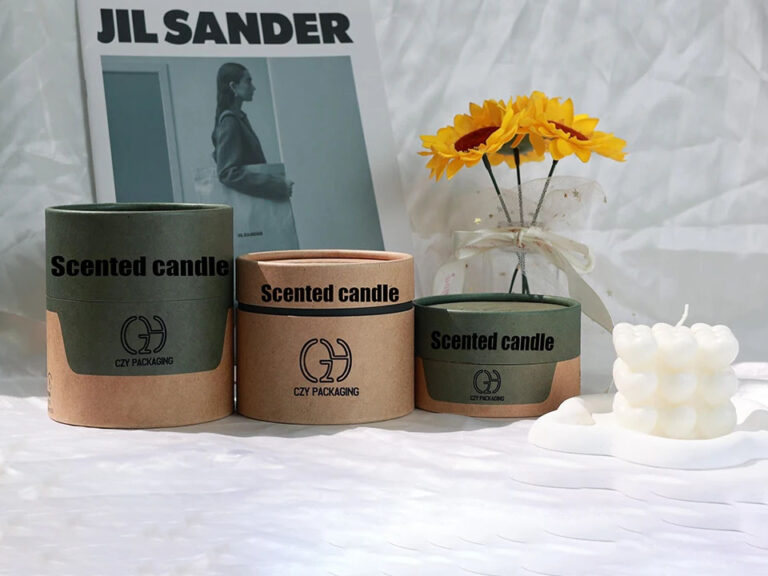
A candle is a fragile product with a luxury expectation. That’s a tough combo. You need packaging that protects during shipping, looks sharp on a shelf, and keeps your brand consistent across every SKU. That’s why custom candle tube boxes keep showing up in serious candle lines—especially for retailers, DTC brands, and wholesale buyers who can’t afford messy returns.
If you source in bulk, do OEM/ODM, or sell across multiple channels, the packaging choice becomes a business decision. It affects your damage rate, your return rate, your reviews, and how much trust people feel before they even light the wick.
Below are the same core reasons buyers invest in candle tubes—written in a more practical, real-world way, with scenarios you’ll recognize.
1) Shelf appeal for custom candle tube boxes
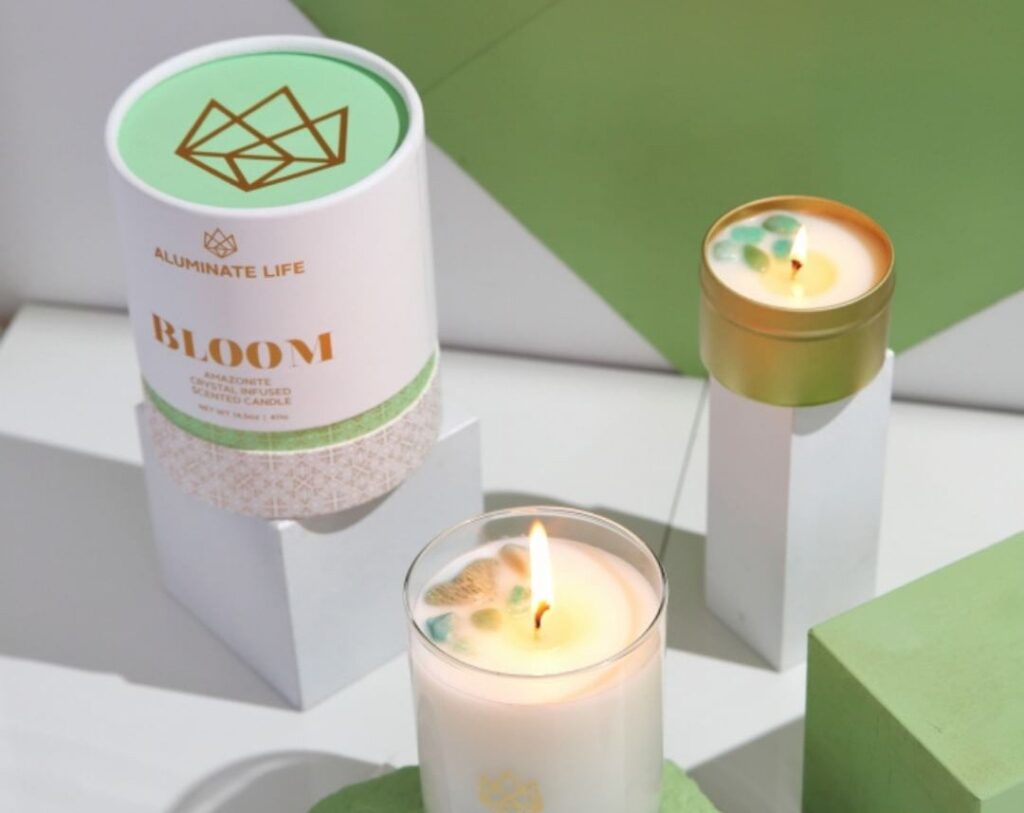
In retail, your candle has about two seconds to earn a pickup. A rigid paper tube helps because it looks “giftable” by default. It stands tall, it feels solid, and it gives you a clean, premium silhouette.
Where it pays off:
Boutique shelves: Tubes stack neatly and keep labels front-facing.
Seasonal tables: A tube looks like a ready-made present, even without extra wrapping.
Photo-heavy listings: Smooth cylinders shoot well. You get fewer awkward angles than with flimsy folding cartons.
If you want a quick reference for how tube packaging can carry a premium look across categories, browse the products collection for structure ideas like finishes, closures, and print styles.
2) Fragile candle protection for glass jar shipping
Candles break for boring reasons: drop impact, vibration, and empty space inside the pack. When a jar can move, it will move. That movement turns into chips, hairline cracks, and broken lids—then you get returns, replacements, and bad reviews.
A custom tube fixes the root issue: fit and stabilization.
What to spec for protection:
Right inner diameter: A snug fit cuts rattle during line-haul.
Insert or base pad: Helps with shock absorption and keeps the jar centered.
Rigid wall strength: Tubes resist side crush better than thin cartons in mixed parcels.
This is the part many brands miss: protection isn’t only “strong material.” It’s the right structure + the right tolerance.
3) Heat protection and melt prevention in candle packaging
Heat is the quiet enemy. A candle can leave your warehouse perfect and arrive soft, sweaty, or slightly deformed after sitting in a hot truck or on a porch.
A tube box can’t change the weather, but it can help you manage heat risk with smart structure choices:
Thicker board and tighter fit reduce internal air gaps that trap heat.
Barrier layers and liners can support stability for softer wax blends.
Tamper seals can protect presentation when you ship in warm seasons.
This matters most for:
Summer shipping
Subscription boxes
Cross-border fulfillment (more time in transit, more exposure)
If you sell wax melts or softer formulas, borrow closure concepts from packaging designed for higher compliance needs, like recyclable cannabis child resistant paper tube packaging. You’re not copying the category—you’re learning from how it prevents accidental opening and protects the product experience.
4) Custom printing and branding on candle tube packaging
Your tube is a 360° billboard. That’s the real value of printing: you stop relying on a tiny front label to do all the work.
A well-printed tube can carry:
Scent name + notes
Burn time and care icons
Brand story and materials
Batch code / SKU logic for ops
This isn’t just “marketing.” It’s fewer customer questions and cleaner channel consistency. If your retail box, your DTC box, and your wholesale box all look different, shoppers feel that mismatch.
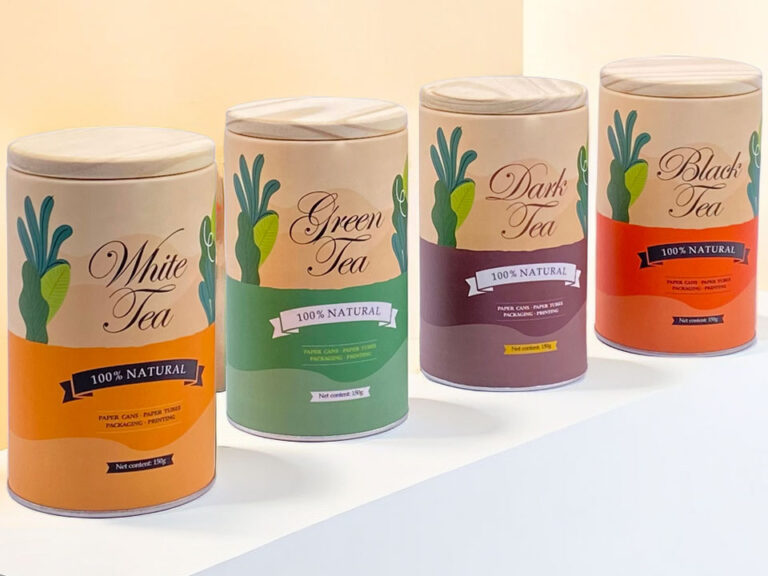
For print coverage ideas, look at a format built around all-over visuals like double sides printed paper tube packaging. The takeaway is simple: more printable surface gives you more room to sell the story without clutter.
5) 360° design surface for storytelling and e-commerce photos
Candle customers buy with their eyes first. They also screenshot, share, and compare. Tubes make that easier because they give you a clean wrap-around canvas.
Practical wins for e-commerce:
Your hero image looks premium without extra props
Your “what’s inside” shot feels organized
Your unboxing content feels intentional
If you’re building a line with multiple scents, tubes also help you create a system: same structure, different color bands, different finishes. That’s how you scale a collection without chaos.
6) Bulk custom candle tube boxes and unit cost control
If you’re buying in volume, packaging becomes a leverage point. Bulk runs typically mean:
smoother production planning
better consistency across batches
easier fulfillment because the pack is standardized
And here’s the overlooked benefit: stable packaging reduces downstream costs. Fewer damaged units. Fewer “please resend” tickets. Less time spent on messy fixes.
If you run multiple SKUs and sell across channels, standardizing tube specs can make your ops team very happy. It turns packaging into a repeatable system instead of a constant redesign.
7) Custom size and inserts to reduce damage and returns
Returns don’t just cost money. They cost momentum. They mess up inventory accuracy, strain customer support, and hurt marketplace performance.
Sizing and inserts help you control three big headaches:
Void space (the #1 reason jars break)
Label scuffing (brand looks cheap even when the candle is fine)
Lid loosening (a small issue that triggers a “this feels low quality” reaction)
Think like logistics: you’re designing a shipping-ready unit, not just a display pack.
Here’s a quick spec cheat-sheet you can hand to your team:
Candle risk
What causes it
Tube box spec to fix it
Operational impact
Breakage
Movement + drops
Custom inner diameter + insert
Lower damage rate, fewer replacements
Wax deformation
Heat exposure
Tighter fit + optional barrier liner
Better arrival condition in warm seasons
Scuffed labels
Friction in transit
Smooth inner wall + snug hold
Cleaner unboxing, fewer complaints
“Cheap feel”
Thin packaging
Rigid wall + solid closure
Better perceived value, stronger reviews
8) Unboxing experience for repeat purchase and gifting
Unboxing isn’t fluff. It’s the moment your customer decides if you’re a “one-time buy” or a brand they’ll recommend.
Tube packaging helps because it naturally supports small upgrades:
A clean pull-tab or lift-off lid
A short scent story inside the cap
Care instructions that don’t look like an afterthought
For gifting, details like a handle or a window can boost perceived value fast. If you like that direction, check how a clear window + handle structure works in a tube format here: paper tube packaging with clear window and silk handle. The point isn’t the product category—it’s how structure upgrades the “this feels special” moment.
9) Clear labeling for faster purchase decisions
A customer shouldn’t have to guess. The easier you make the decision, the more likely they buy.
For candles, clarity usually means:
scent name + notes
wax type (soy, beeswax, blends)
burn time (if you include it)
safety icons and care instructions
size/weight details
batch or lot info (especially for wholesale)
This also helps your ops side. Clear print reduces picking errors, wrong-SKU shipments, and “which scent is this?” headaches in a warehouse.
If you also sell related body-care items, the labeling discipline you see in packaging like cosmetics tube packaging is a good benchmark: organized info, premium feel, and clean hierarchy.
10) Eco-friendly paper tube packaging and recyclability claims
Many candle buyers care about sustainability, but they’re also skeptical. If you claim “eco-friendly,” the packaging has to back it up with materials and structure that look credible.
Paper tubes can support that story because they’re paper-based and easy to position as a lower-plastic option, depending on your finishes and components.
A simple, honest approach works best:
keep materials straightforward
avoid overpromising
make disposal guidance clear
If you want a clean example of an eco-forward tube direction, see this style: eco-friendly paper tube box. Again, different category, same design logic.
Custom candle tube box scenarios that match how you actually sell
Retail shelf-ready candle packaging
If you pitch boutiques or gift stores, tubes help you deliver a pack that looks finished on day one. You can also build a consistent “line look” that fits planograms and seasonal resets.
If you sell online, packaging needs to survive carrier handling. Tight sizing and inserts reduce the chance your candle becomes a customer support ticket.
Wholesale and distribution
If you supply distributors or resellers, packaging becomes part of your operational promise: consistent specs, consistent print, fewer issues downstream. That reliability is what wins repeat POs.
A quick buying checklist for custom candle tube boxes
Use this checklist when you talk to a manufacturer:
Confirm size range and tolerances (fit matters more than people think)
Plan for SKU growth (same structure, different design system)
Align on OEM/ODM workflow (artwork, sampling, approvals, mass production)
Think about daily capacity and quality control if you’re scaling fast
If you’re sourcing from a factory built for bulk customization, the goal is simple: stable quality at volume. That’s what keeps your brand experience consistent while you grow.