Still Not Seeing The Right Packaging Solution? Talk to Our Boss.
If you’ve reviewed our website or spoken with sales and still don’t see a clear path, send your request here. Your message goes directly to our General Manager for an executive review of feasibility, cost, and lead time. You’ll get a clear next step—what we can do, what we need from you, and the fastest route to a quote.
Direct GM review of your specs, use case, and constraints
Print/finish recommendations to match brand + budget
Cost-down alternatives and lead-time improvement options
Quote path clarity: MOQ, sampling plan, and what to next
Talk to Our Boss
Get a Fast Quote for Custom Paper Tube Packaging
Built for packaging managers, procurement, and packaging engineers. Specify size, quantity, and finish to receive moq, lead time, and spec guidance for us/eu programs.
Quote-ready customization: diameter, height, wall thickness, inserts, liners, and closures
The Influence of Paper Tube Packaging on Shelf Attraction
Table of Contents
Most shelves are brutal. Your product gets a tiny window to earn a glance, then a pickup, then a spot in the cart. If your pack looks like everything else, you’re basically asking shoppers to do extra work. They won’t.
Paper tube packaging changes that fight in three simple ways: it stands out with a different silhouette, it feels better in-hand, and it sends cleaner “premium + responsible” signals. When you build those cues on purpose, you usually lift pick-up rate and conversion without shouting.
Shoppers don’t read. They scan. So shelf attraction starts with visibility, not copywriting.
Eye-tracking metrics on retail shelves
Even if you don’t run full eye-tracking, you can think like it: Did they notice it? Did they pause? Did they pick it up? Those are the real steps.
Paper tubes help because they:
break the “flat wall” effect (most packs are rectangles)
stay readable from an angle (round body, vertical height)
hold cleaner finishes (less glare with the right lamination)
If you’re fighting a crowded aisle, that silhouette difference is often the cheapest attention you’ll ever buy—without turning your design into a billboard.
Shelf-facing strategy and block disruption
Retail teams care about shelf neatness. Brand teams care about shelf impact. Tubes can serve both.
A smart play is block disruption: keep your brand block consistent (same height, strong front panel), but let the cylinder shape interrupt the usual grid. That interruption is what makes people look twice.
Packaging shape and purchase decisions
Shape isn’t decoration. It affects what shoppers think they’re getting and how confidently they choose.
Cylindrical packaging vs flat cartons
A cylinder naturally feels “special edition” compared to a standard box. It also performs better when shelves get messy. Corners on cartons crush and look tired fast. Tubes hold their posture. In retail, posture equals trust.
If you sell giftable items or premium SKUs, cylinders also look intentional in secondary placements like endcaps and countertop units.
Perceived volume and multi-pack behavior
People judge volume with quick cues. Shape is one of those cues. That matters when your product wins on:
bundles
sampler sets
“grab two” promos
subscription replenishment
When the pack looks solid and substantial, shoppers hesitate less. They’re more willing to add a second unit because it feels like a safe bet.
Roundness cues and brand perception
Round shapes don’t feel aggressive. They feel approachable. That’s useful if your brand tone aims for calm, clean, or premium.
Rounded forms and product expectations
A tube doesn’t just say “different.” It often says:
curated
high-end
gift-ready
better protected
That’s why tubes work especially well for cosmetics and personal care. If you’re building a premium vibe without over-designing, a format like custom cosmetics tube packaging fits that expectation right away.
When roundness fits the category
Roundness isn’t universal. If you sell a product that needs “clinical” credibility, you can keep the tube structure but sharpen the graphics:
tighter grid layout
higher contrast typography
less decorative noise
Same cylinder. Different signal.
Tactile packaging and perceived quality
Shelf attraction doesn’t end at “seen.” It often ends at “felt.” The second someone touches your pack, they decide if it’s worth their time.
Matte lamination, soft-touch feel, and grip
Matte finishes do a lot of heavy lifting:
they reduce shelf glare
they hide scuffs
they feel controlled and premium
For wellness packaging, that “clean grip” matters. It makes the product feel more legit. You’ll see that direction in formats like protein powder packaging tubes where shoppers expect quality and consistency.
Structural rigidity and “premium in hand”
Rigid paperboard cores create confidence. When the pack doesn’t flex, it reads as durable, well-made, and higher value.
That also helps with damage control in real retail. A pack that arrives clean and stays clean protects your shelf image. Less shelf-wear usually means fewer “I’m not sure about this brand” moments.
Gift and accessory brands lean on this a lot. A clean presentation like jewelry paper tube boxes with a silk bowknot signals “this is a gift” without needing extra outer packaging.
Sustainability perception and trust
Shoppers use packaging as a shortcut for values. Paper tubes can benefit from that shortcut, but only if you communicate clearly.
Paper-based packaging cues
Paper-based materials often trigger “more recyclable” or “less plastic” assumptions. In categories like beauty, tea, and wellness, that perception can lift intent because it matches what shoppers already want to believe.
Clear claims, compliance, and risk control
This part matters: people don’t trust vague green talk. You win trust when you make disposal and material choices easy to understand.
If you’re in a regulated category, you also need real safety features. That’s where structures like child resistant paper tube packaging support both shelf appeal and buyer requirements. It’s not just “pretty packaging.” It’s a risk-control tool.
Practical retail use cases for paper tube packaging
Here are real shelf scenarios where tubes pull their weight.
Tea packaging and aroma protection
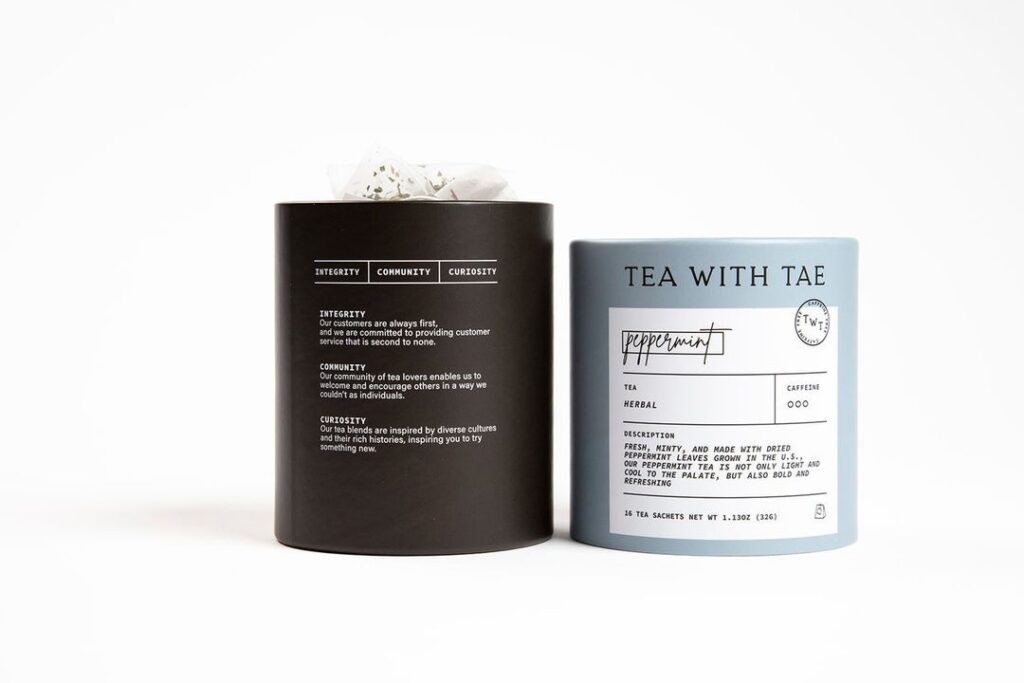
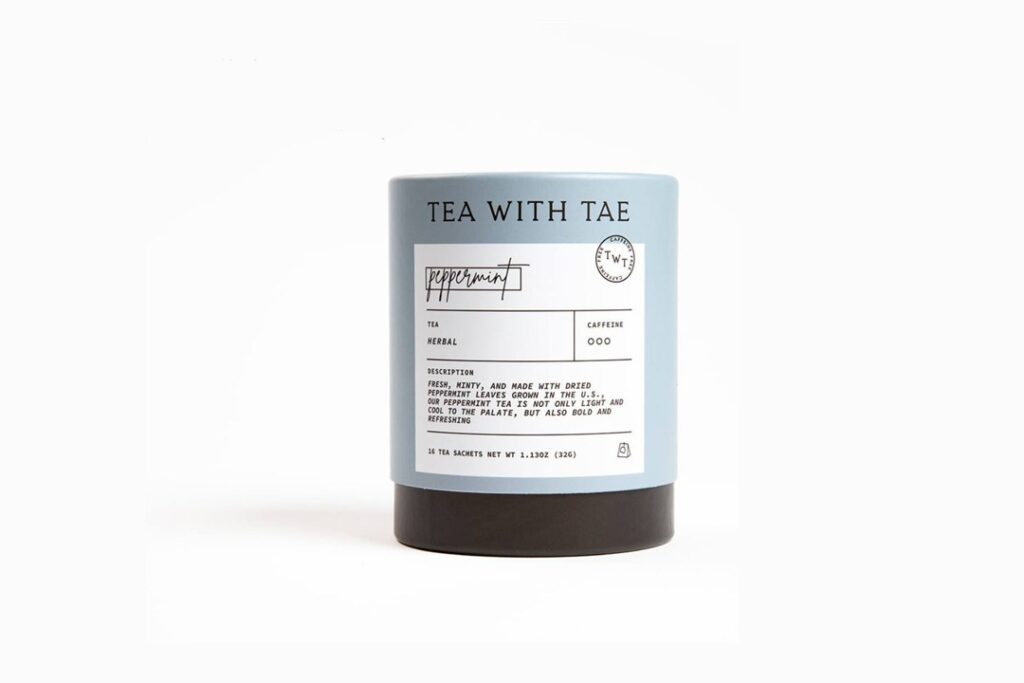
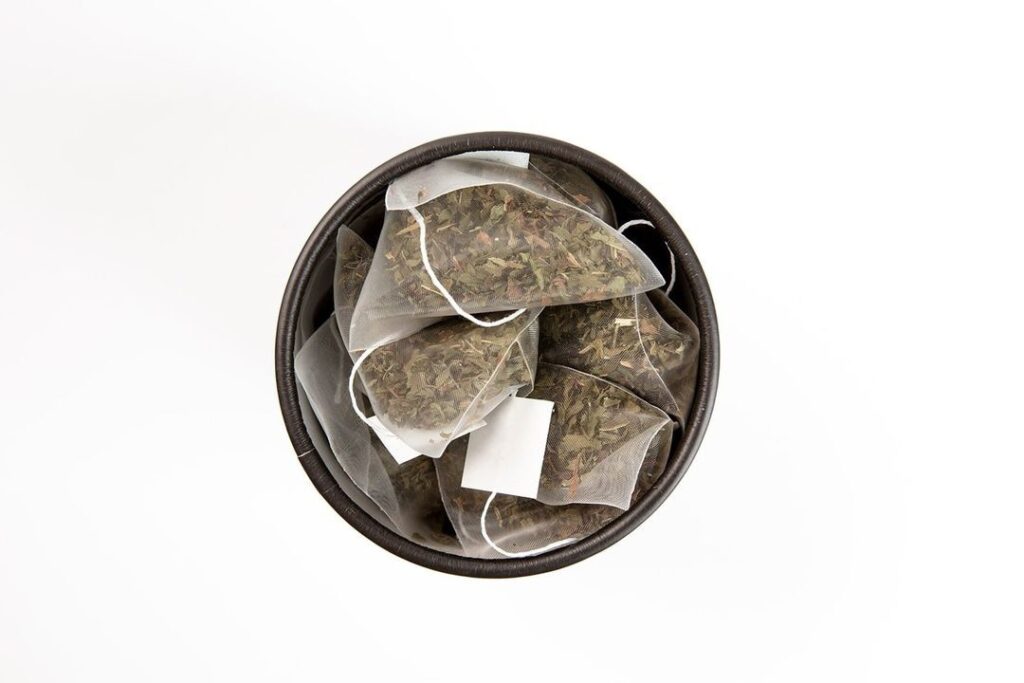
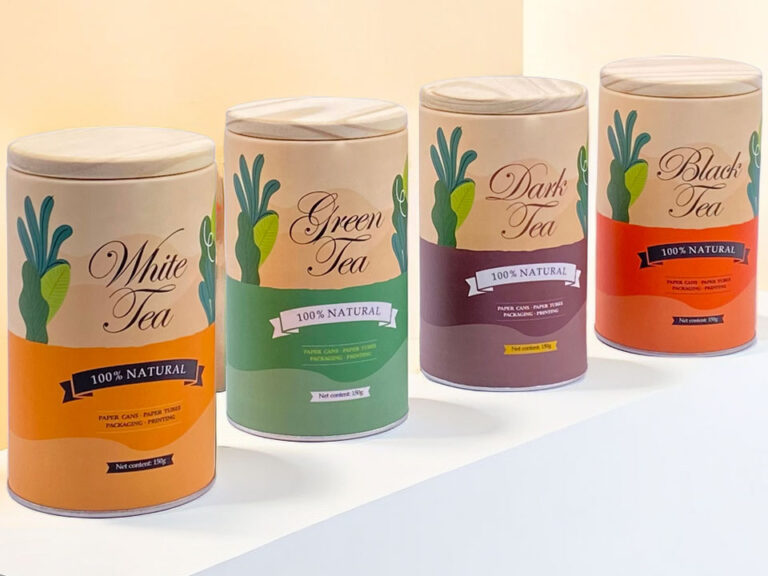
Tea shoppers care about freshness, gifting, and story. A tube can support all three: it looks premium, it stacks well, and it feels like it protects what’s inside.
Shelf pain: too many similar cartons Tube fix: distinct shape + premium closure cue + better gifting vibe
Protein powder packaging for retail and subscription
Wellness aisles can feel like a commodity wall. Tubes help you claim a cleaner, more premium brand block. They also travel well for subscription shipping.
If you sell travel sizes, bundles, or trial kits, protein powder packaging tubes can make the product feel less “warehouse” and more “brand.”
Cosmetics shoppers notice details. A tube format gives you a tight canvas for finish work (matte, foil accents, clean seams) without adding bulky outer boxes.
OEM/ODM paper tube packaging for wholesale and bulk orders
Shelf attraction doesn’t mean much if the pack falls apart in mass production. Most buyers don’t want “perfect samples.” They want reliable manufacturing, repeatable quality, and fewer surprises when they scale.
For wholesale and bulk programs, OEM/ODM helps you lock down the stuff procurement teams care about:
packing method (to reduce transit damage and shelf defects)
If you’re selling as a brand owner, cross-border seller, distributor, or agency, those details protect your sell-through. They also protect your reviews and your reorders.
A fast checklist before you launch a tube SKU
What’s your shelf enemy? Glare, clutter, crushed corners, or copy that nobody reads?
What’s your one-second signal? Premium, fresh, safe, or eco-forward?
What should happen after pickup? Easy reading, better handfeel, or a small unboxing moment?
If you build around those answers, paper tube packaging stops being “nice design” and starts becoming a shelf tool that drives real commercial results.