Still Not Seeing The Right Packaging Solution? Talk to Our Boss.
If you’ve reviewed our website or spoken with sales and still don’t see a clear path, send your request here. Your message goes directly to our General Manager for an executive review of feasibility, cost, and lead time. You’ll get a clear next step—what we can do, what we need from you, and the fastest route to a quote.
Direct GM review of your specs, use case, and constraints
Print/finish recommendations to match brand + budget
Cost-down alternatives and lead-time improvement options
Quote path clarity: MOQ, sampling plan, and what to next
Talk to Our Boss
Get a Fast Quote for Custom Paper Tube Packaging
Built for packaging managers, procurement, and packaging engineers. Specify size, quantity, and finish to receive moq, lead time, and spec guidance for us/eu programs.
Quote-ready customization: diameter, height, wall thickness, inserts, liners, and closures
The Key Points on The Design of The Perfume Paper Tube Packaging
Table of Contents
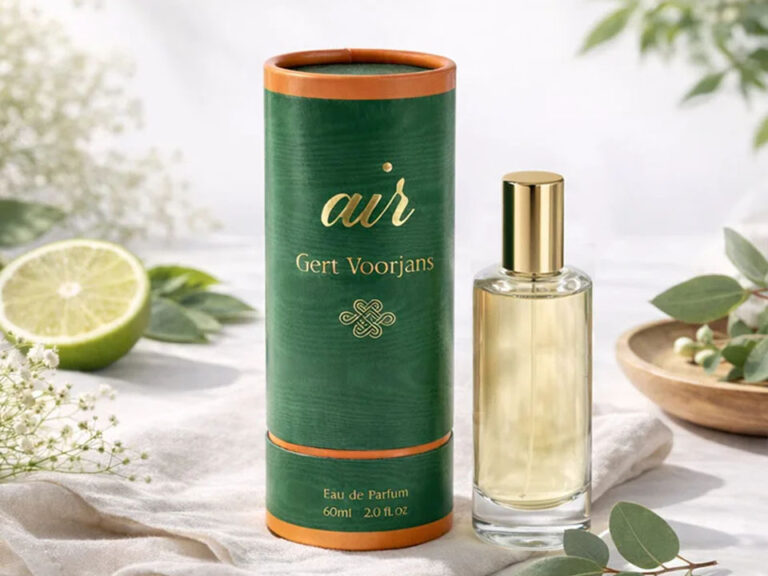
Perfume packaging has a hard job. It has to look premium, protect a fragile bottle, and still run smoothly in a packing line. Paper tube packaging can do all of that—if you design it with real shipping and fulfillment in mind.
If you’re sourcing for bulk wholesale, OEM/ODM, or steady reorders, you also need something else: a spec that stays consistent when you scale. That’s where a production-first checklist helps.
A perfume tube isn’t “just a cylinder.” It’s a system: bottle fit + insert control + closure feel + branding layout + shipping carton strategy. Miss one part, and you’ll feel it later as dents, scratches, slow pack-out, or returns.
A lot of tube projects go sideways because the team designs a beautiful tube first, then tries to “make the bottle fit.” That’s backwards. You want the tube to hold the bottle snugly, but not so tight that packers fight it all day.
Diameter and height
Measure the widest point of the bottle (often the shoulder, not the base). That drives the tube inner diameter.
Leave clean headroom for the insert and an easy pull-out. If customers have to shake the tube to get the bottle out, you’ve already lost the premium feel.
Plan for cap shapes. Decorative caps and sharp edges love to rub tube walls during insertion and removal.
Real scenario: cross-border orders see long vibration time in transit. If the bottle has even a little room to move, it’ll “sandpaper” itself against the inside wall. Your product arrives fine, but the finish looks tired. Inserts fix this. More on that below.
Paper Tube Structure and Opening Method
Structure is where you decide the vibe: fast-moving retail unit, or gift-grade unboxing.
A paper tube can feel high-end without being complicated. The trick is to make the open-and-close action feel confident. Wobbly closures don’t just annoy customers. They also loosen during shipping, which can scuff the bottle.
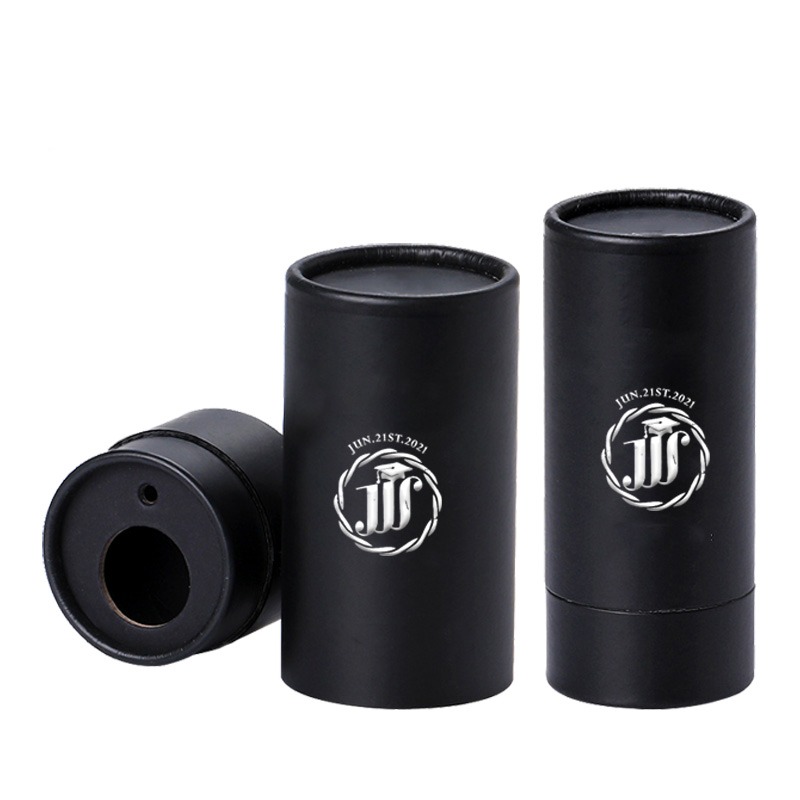
One-piece cardboard tubes
This is the go-to for efficient pack-out. It’s stable, simple, and friendly for warehouse teams. If your SKU ships daily and you care about line speed, this structure often makes life easier.
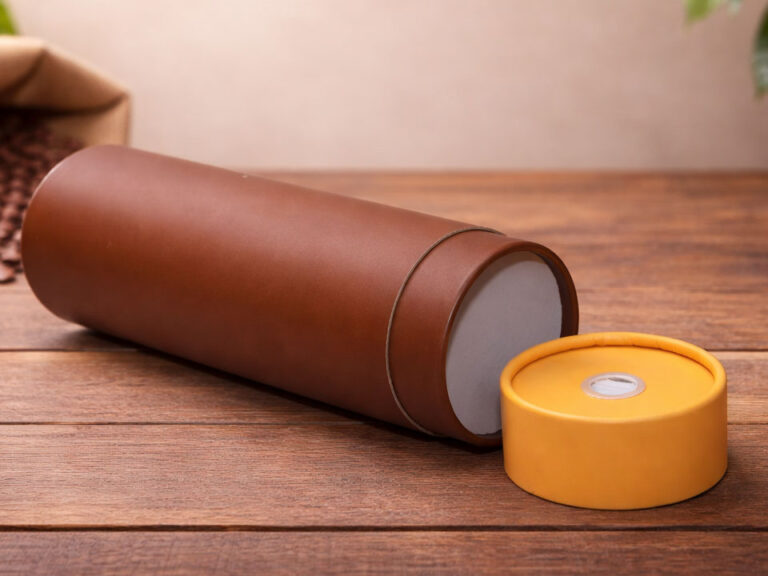
Two-piece and three-piece cardboard tubes
This format leans more presentation packaging. Customers tend to keep it on a dresser or reuse it, which helps brand recall. It can also support cleaner separation between “visual design” and “functional fit,” which is useful when you run multiple SKUs in one line.
Plug and cap options
Closure choice is part protection, part brand feel.
If you want a tighter close and a more “sealed” touch, lean into firm-fitting cap concepts.
If you want a clean premium look, keep the seam tidy and the fit consistent across batches.
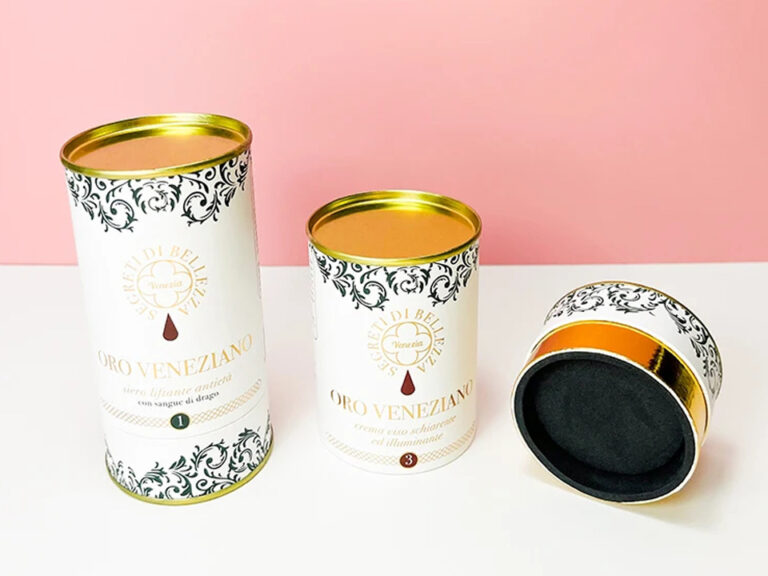
A quick way to see how closure feel changes perception is to compare tube styles that use stronger cap logic, like a tinplate-style cover used in other categories. For reference structure cues, see kraft paper tube boxes for tea packaging with tinplate cover and translate that “firm close” idea into your perfume spec.
Diameter and length selection and inserts
If you only invest in one functional upgrade, make it the insert.
Perfume bottles are usually glass, and perfume caps often have coatings, plating, or glossy finishes. Movement inside the tube is the enemy. It creates rattle, rub marks, and that “cheap packaging” feeling the moment a customer touches it.
Inserts
Inserts do three important things:
Anti-rattle control: stops vibration damage and noisy shipping.
Center alignment: keeps the bottle in a “designed” position when the customer opens the tube.
Surface protection: prevents scuffs on glass, caps, and labels.
Use cases you’ll recognize:
DTC fulfillment: your team wants fast pack-out. A well-designed insert makes the bottle drop in cleanly with no fiddling.
Retail shelf: customers pick up and shake items. No rattle keeps the premium impression intact.
Distributor cartons: tubes may be stacked and shifted. Inserts reduce “micro-damage” that shows up as scratches later.
A tube protects the perfume, but the shipping carton protects the business.
This is where many brands lose money in the real world: the product is fine, but the tube arrives dented. Retailers hate it. Customers return it. Your support team eats the fallout.
Lock these early:
Orientation rules: upright vs side placement changes pressure points.
Pack count per carton: keep it consistent for faster picking and fewer errors.
Void control: tubes rolling inside cartons is a silent killer.
Warehouse slang that matters: you want fewer “touches.” If packers have to adjust every unit, your throughput drops and mistakes go up. A better carton layout reduces touches.
Recyclable claims and compliance
Sustainability sells, but only when you keep the message clean and accurate.
Do this instead of vague claims:
Tell customers what the tube is made from in plain words.
Give simple disposal guidance.
Call out any parts that vary by finish or structure (for example, special caps or coatings).
This doesn’t just help marketing. It reduces customer questions and lowers post-purchase friction.
If you also sell regulated or safety-sensitive products in other lines, those packaging lessons transfer well. For closure discipline and secure handling cues, see recyclable cannabis child resistant paper tube packaging box. Even if perfume doesn’t need child resistance, the mindset of “secure close + controlled access” improves quality.
OEM/ODM and bulk wholesale packaging workflow
Bulk buyers don’t just want a nice-looking tube. They want a repeatable spec.
That means you treat the tube like a production item, not a one-time design file. The goal is simple: the next batch should match the first batch so your brand stays consistent and your reorders stay smooth.
A workflow that keeps teams sane:
Lock dimensions: bottle size, insert fit, cap clearance.
Confirm structure: one-piece vs multi-piece, closure choice, opening method.
Finalize print layout: wrap design, info placement, barcode area.
Run stress checks: shake, scuff, drop scenarios that match your real shipping channel.
Freeze the spec for reorders: same fit, same feel, same look.
If you’re building a fragrance line that sits inside a wider beauty catalog, it’s smart to align tube logic across categories. A good cross-category reference is custom paper cardboard cosmetics tube packaging box cosmetic cardboard tubes. Same idea: consistent fit, strong branding, and reliable batch output.
Perfume Paper Tubes
A strong perfume paper tube design is simple when you focus on the right things:
Fit the bottle correctly.
Stop movement with inserts.
Choose a closure that feels firm and premium.
Use the 360° wrap to tell a clean story.
Plan the outer carton so shipping doesn’t undo your work.
Lock a reorder-friendly OEM/ODM workflow so quality stays stable.
If you’re sourcing for retailers, brand owners, cross-border sellers, distributors, agencies, or growing brands that need bulk output, start with the Top Custom Paper Tube Boxes Manufacturer homepage, then move into the Products list to shortlist styles that match your channel.