Still Not Seeing The Right Packaging Solution? Talk to Our Boss.
If you’ve reviewed our website or spoken with sales and still don’t see a clear path, send your request here. Your message goes directly to our General Manager for an executive review of feasibility, cost, and lead time. You’ll get a clear next step—what we can do, what we need from you, and the fastest route to a quote.
Direct GM review of your specs, use case, and constraints
Print/finish recommendations to match brand + budget
Cost-down alternatives and lead-time improvement options
Quote path clarity: MOQ, sampling plan, and what to next
Talk to Our Boss
Get a Fast Quote for Custom Paper Tube Packaging
Built for packaging managers, procurement, and packaging engineers. Specify size, quantity, and finish to receive moq, lead time, and spec guidance for us/eu programs.
Quote-ready customization: diameter, height, wall thickness, inserts, liners, and closures
Why Custom Paper Tube Packaging Holds Significance
Table of Contents
When you sell a product, you’re not only selling what’s inside. You’re selling what people expect it to be.
That’s the real reason custom paper tube packaging matters. A paper tube can protect your item, support your brand story, and make your product look “ready for retail” instead of “ready for clearance.” It also helps you run cleaner ops when you scale into bulk orders, wholesale replenishment, or multi-SKU launches.
Limitations of cylindrical packaging and how to plan around them
Avoids space waste and case-pack headaches
Case pack plan, void management, pallet logic
Logistics constraints + real-world handling
Packaging design influences purchase decisions
People decide fast. They don’t study a package first. They react.
A paper tube gives you a bold shape that reads clearly on a shelf and looks clean in a product photo. That matters for retail brands, cross-border sellers, and marketplace listings where the hero image does most of the talking.
Here’s the practical play:
Keep the front panel simple. One promise. One visual.
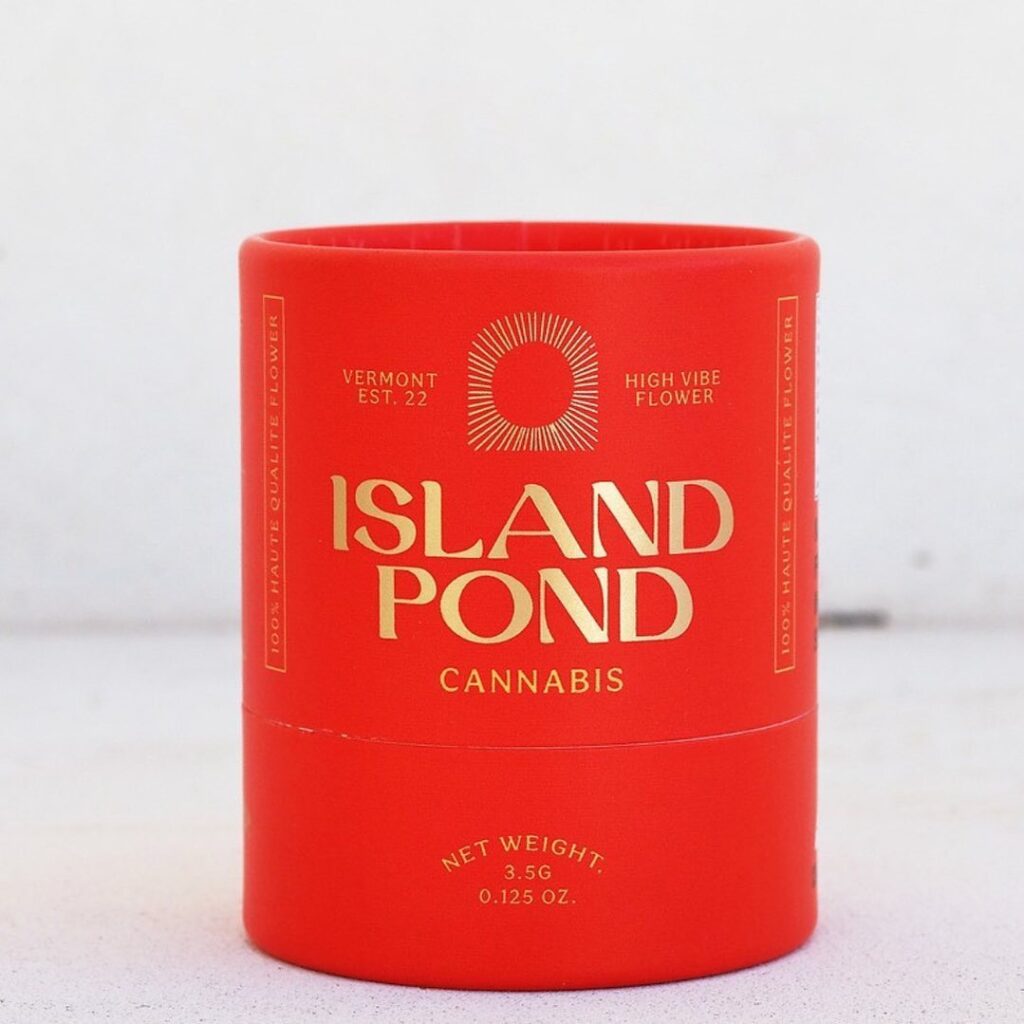
Use a finish that matches your price point. Matte for modern. Soft-touch for premium. A small foil hit for “giftable.”
Make the typography readable at thumbnail size. If it can’t be read on a phone screen, it won’t convert.
Brand differentiation on shelf and on PDP
In crowded categories, “same product, different logo” happens all the time. If your formula isn’t wildly unique, your packaging has to create separation.
A custom tube helps you stand out in three ways:
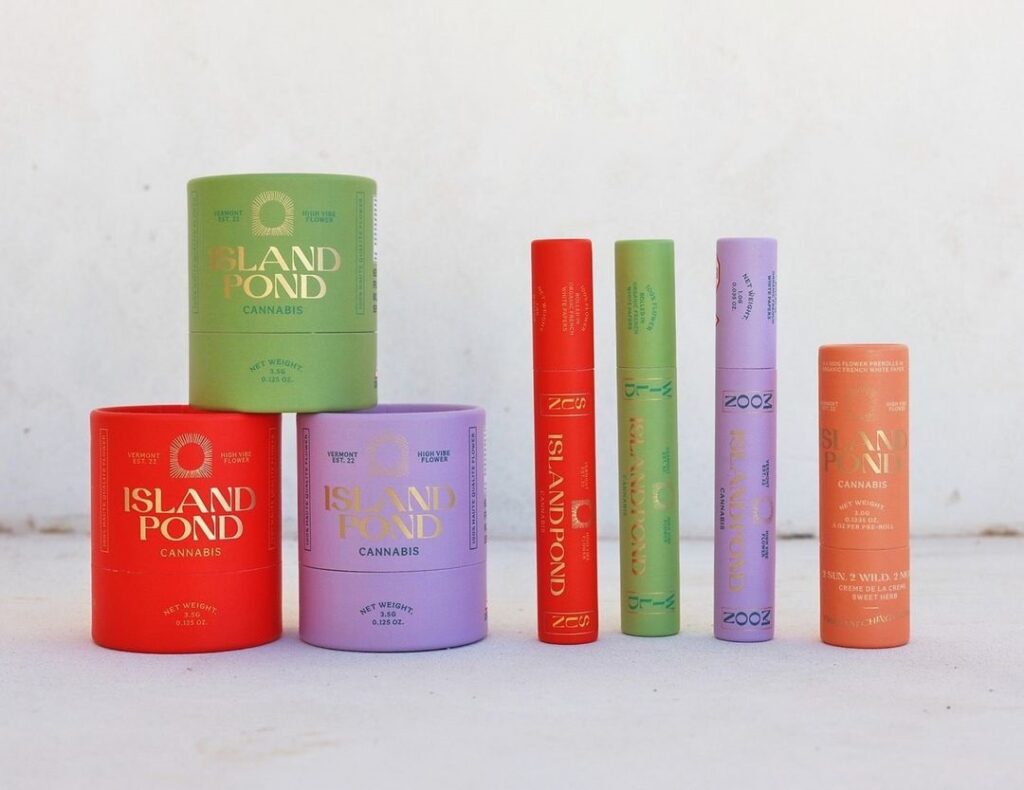
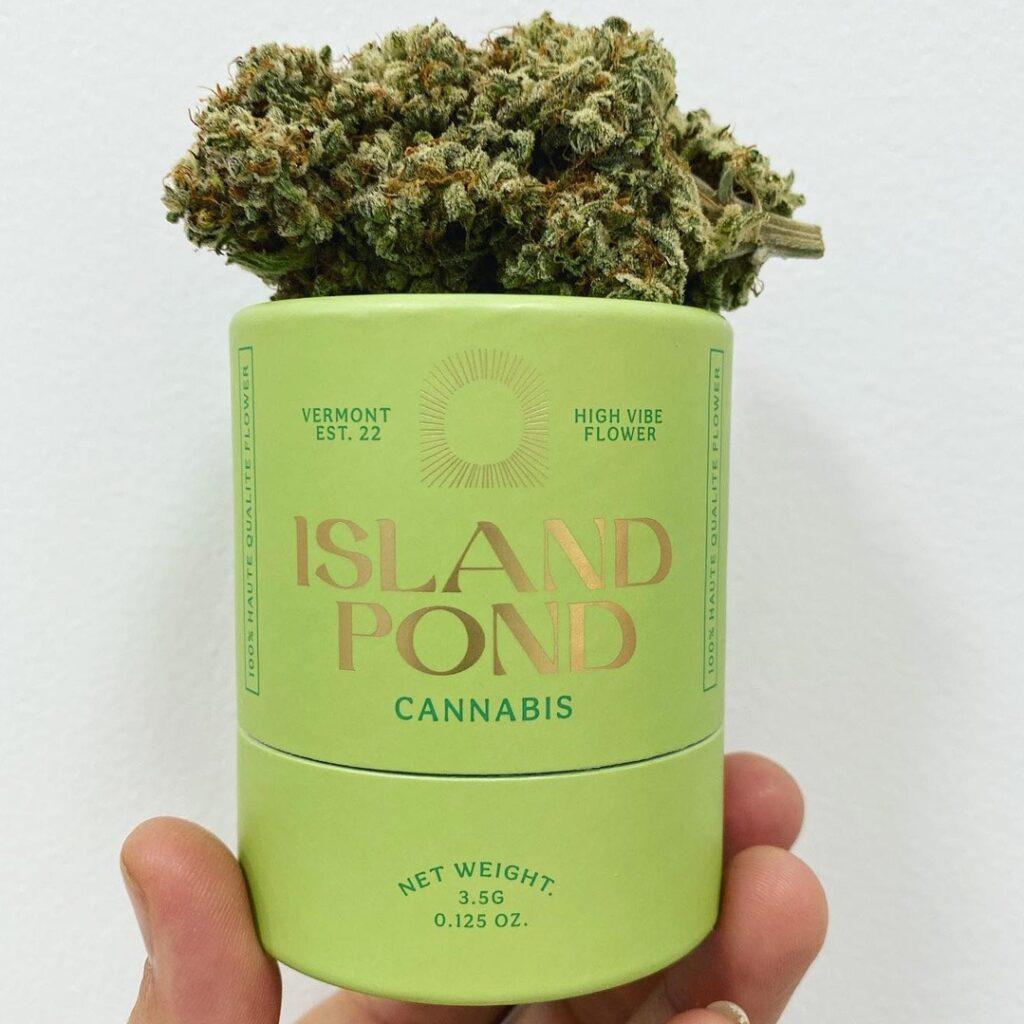
Silhouette: cylindrical packaging breaks the sea of rectangles
Structure options: windows, shoulders, inserts, special closures
Cosmetic cardboard tubes
Cosmetics buyers judge quality with their eyes first. If the packaging looks generic, the product feels generic.
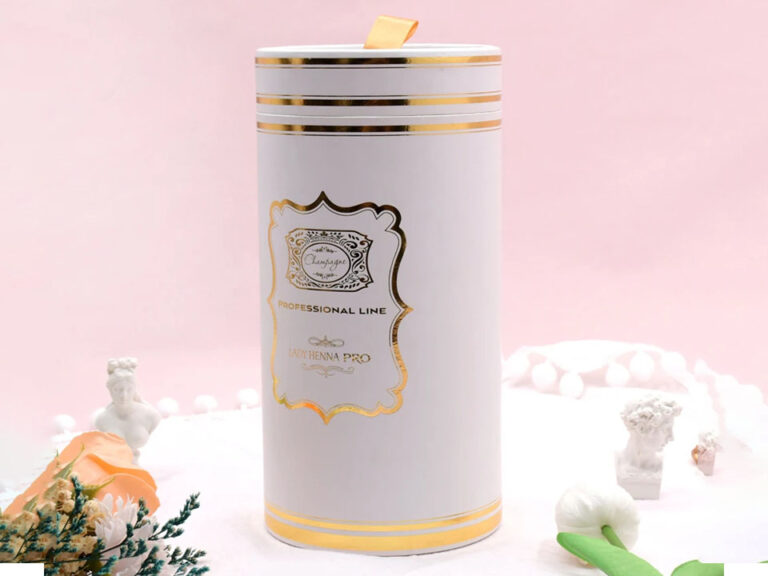
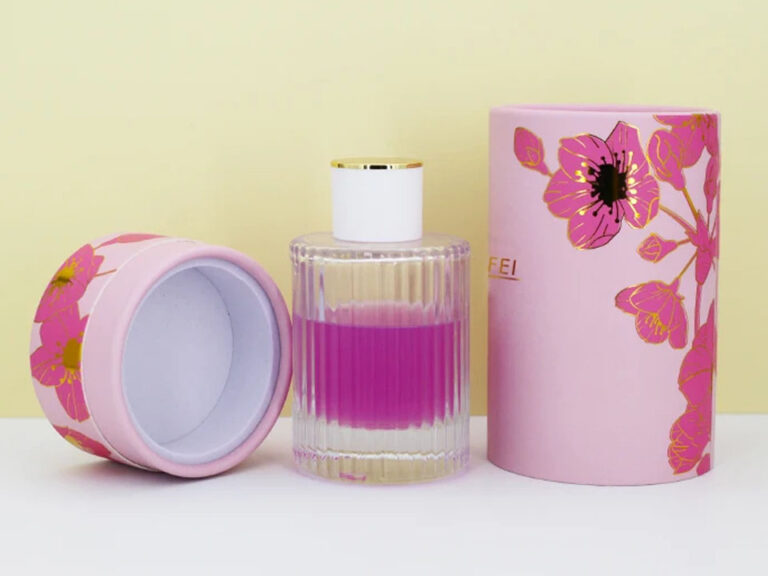
If your brand lives in skincare, fragrance, or beauty kits, take a look at cosmetic cardboard tubes. The category is perfect for clean printing, tight brand color, and high-end finishes.
When you keep the same layout rules across SKUs—logo position, brand color, type scale—customers start to spot you instantly. That’s huge for:
platform sellers managing many listings
wholesalers building private label lines
design agencies rolling out multiple product families
growing brands that need fast replenishment without constant redesigns
Paper tubes support this because the format stays consistent, even when your SKU count grows. You can swap flavor colors, scents, or variants while keeping the brand “block” stable.
Unboxing experience and perceived value
Unboxing is a tiny moment of theater. Done right, it makes the product feel more expensive without feeling fake.
A tube naturally creates an opening ritual: lift the lid, reveal the insert, pull the product out. That small sequence often triggers better reviews because customers feel like the brand cared.
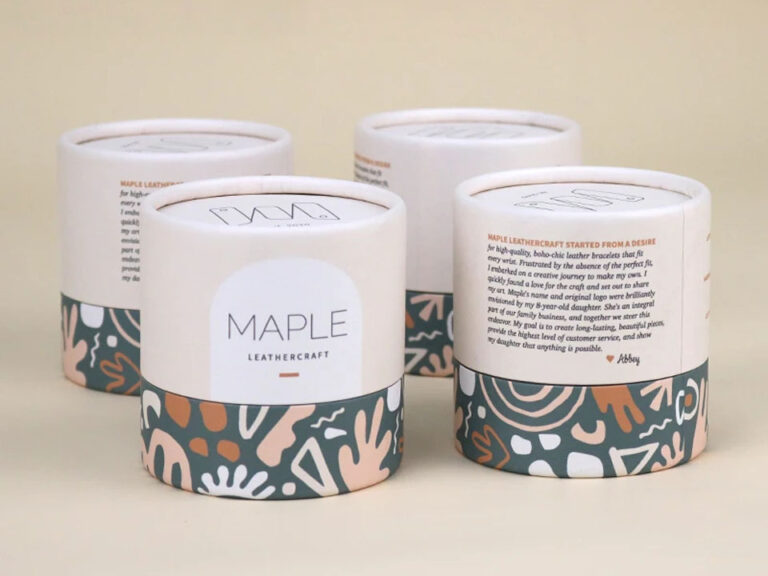
Paper tube boxes for jewelry and bracelet
Small items need strong perceived value. Packaging carries that weight.
Paper tube packaging for hair band with clear window and silk handle
Accessories often sell better when customers can see the product. A window cutout plus a handle turns packaging into a display unit you can hang, carry, or stack.
Sustainability works best when you keep it honest and specific.
Paper-based packaging supports an eco-forward story, but don’t oversell it. Instead:
describe the paper tube structure clearly
avoid vague “100% eco” language unless you can back it up
choose finishes that fit your claims and your market expectations
Customers can smell greenwashing. You don’t need it anyway. A well-built paper tube already signals “more responsible” than many plastic-heavy formats.
Limitations of cylindrical packaging and how to plan around them
Paper tubes are strong, but they’re not perfect. If you plan around the trade-offs early, you avoid painful fixes later.
1) Space waste for non-round products If your product is square-ish, a tube can create void. Fix it with a shaped insert, or adjust the tube diameter so the fit stays tight.
2) Case pack efficiency Cylinders don’t always pack as efficiently as cartons. Ask for a case-pack plan early so your warehouse doesn’t fight the packaging later.
3) Seam control Wrapped paper has a seam. Don’t place critical text, barcodes, or compliance panels where the seam might distort it. Set a “no-critical-info zone” in your dieline.
4) Lid feel depends on tolerance Too loose feels cheap. Too tight feels annoying. Dial this in during sampling, not after you place a bulk order.
Wrap-up
Custom paper tube packaging holds significance because it supports the parts of your business that actually move the needle: conversion, brand trust, and operational flow.
If you’re buying in bulk, running OEM/ODM, or selling through retailers, a paper tube isn’t just packaging. It’s a product decision that affects perception, logistics, and repeat sales. Start with one hero SKU, lock the spec, then expand the system across your line.