¿Aún no encuentra la solución de envasado adecuada? Hable con nuestro jefe.
Si ha consultado nuestro sitio web o hablado con el departamento de ventas y sigue sin ver claro el camino a seguir, envíe su solicitud aquí. Su mensaje irá directamente a nuestro Director General para que realice una revisión ejecutiva de la viabilidad, el coste y el plazo de entrega. Obtendrá información clara sobre el siguiente paso: qué podemos hacer, qué necesitamos de usted y la ruta más rápida para obtener un presupuesto.
Obtenga un presupuesto rápido para Envasado de tubos de papel a medida
Diseñado para directores de envasado, compras e ingenieros de envasado. Especifique el tamaño, la cantidad y el acabado para recibir información sobre precios, plazos de entrega y especificaciones para programas de EE.UU. y la UE.
Personalización lista para cotizar: diámetro, altura, grosor de pared, insertos, revestimientos y cierres
Cómo influye el diseño de los envases de tubo de papel en la percepción de los consumidores
El embalaje en tubo de papel influye en la percepción del consumidor antes de que este haya utilizado el producto que contiene. La forma del cilindro, su peso, el material, el color, la textura de la superficie, la resistencia a la apertura, la impresión, el ajuste del inserto y las declaraciones medioambientales son elementos que los consumidores utilizan para formarse una opinión sobre la calidad, la sostenibilidad, la autenticidad y el posicionamiento en cuanto al precio.
Para las marcas, la lección práctica no consiste en añadir más efectos decorativos, sino en asegurarse de que las señales estructurales, visuales, táctiles y verbales respaldar el mismo posicionamiento.
Un tubo de café de papel kraft, un envase de vela en negro mate y un tubo de productos para el cuidado de la piel con estampado en lámina pueden pertenecer, en esencia, a la misma categoría de envases, aunque generen expectativas muy diferentes.
Puntos clave
Los consumidores interpretan el envase a través de múltiples señales que interactúan entre sí, incluyendo el material, la forma, el color, los elementos gráficos, la tipografía y la textura.
La calidad estructural —el ajuste de la tapa, la rigidez del tubo, la sujeción del inserto y la alineación— puede reforzar o contradecir un diseño visual de alta calidad.
Las superficies mates, los papeles especiales, el relieve y el laminado pueden influir en la percepción de calidad, pero un mayor número de elementos decorativos no implica automáticamente un mayor prestigio.
El papel kraft natural y los diseños de estilo rústico pueden transmitir una imagen de sostenibilidad, pero la apariencia no es prueba de un buen desempeño medioambiental.
Un diseño distintivo requiere un grado suficiente de familiaridad con la categoría para que los clientes puedan seguir entendiendo qué tipo de producto están comprando.
El mejor pliego de condiciones de envasado traduce las percepciones deseadas —como “de alta gama”, “natural” o “clínico”— en materiales, colores, acabados, estructuras y criterios de control de calidad cuantificables.
El embalaje funciona a través de señales, no de trucos psicológicos
El envase no determina lo que piensan los consumidores. Simplemente ofrece indicios a partir de los cuales las personas se forman sus expectativas.
Un importante metaanálisis de 2026 examinó 1.213 efectos descritos en 280 estudios y concluyó que las características visuales del envase —como el color, la forma, el material, las imágenes, el logotipo y el texto— influyen en la percepción del envase y en las conclusiones que se extraen sobre el producto.
En el caso de los tubos de papel, estas señales se activan simultáneamente.
Consideremos dos estructuras cilíndricas idénticas:
uno envuelto en papel kraft marrón sin recubrimiento con tipografía negra;
uno envuelto en papel especial negro mate con lámina metálica dorada.
Puede que la ingeniería estructural sea prácticamente idéntica, pero es probable que el posicionamiento percibido del producto no lo sea.
Por eso, la psicología del embalaje debería considerarse como un problema del sistema de diseño, no una lista de trucos aislados.
1. La estructura genera expectativas antes que los elementos gráficos
Los tubos de papel ya presentan una característica visual que los distingue de las cajas plegables estándar: su forma cilíndrica.
El consumidor gira el envase en lugar de ver un solo panel frontal fijo. Una tapa telescópica permite una apertura deslizante. Un tubo con hombro y cuello deja al descubierto un collarín interior al abrirlo. Las paredes gruesas y rígidas pueden hacer que un producto pequeño parezca más sólido.
Estas señales estructurales contribuyen a la percepción antes incluso de que se plantee la cuestión del laminado, el relieve o el diseño impreso.
El comportamiento de apertura forma parte de la calidad percibida
Un tubo telescópico que se abre con una resistencia controlada puede dar la sensación de estar bien pensado. Sin embargo, ese mismo diseño puede dar la impresión de estar mal fabricado si:
la tapa se desliza con demasiada facilidad;
los componentes se unen;
el cilindro tiene una forma claramente ovalada;
los bordes enrollados están dañados;
La tapa no queda bien nivelada.
El objetivo no es lograr la máxima fricción. Es comportamiento de apertura intencionado y repetitivo.
A tubo de suero para el hombro y el cuello Ilustra cómo la estructura puede contribuir a la presentación. El tubo exterior de color burdeos deja al descubierto un cuello interior de color melocotón que contrasta con él al retirar la tapa, lo que hace que el propio acto de descubrirlo forme parte de la experiencia visual.
Para un ingeniero de embalaje, ese momento de contacto con el consumidor se traduce en variables prácticas:
diámetro final;
solapamiento de la tapa;
altura del cuello;
holgura entre componentes;
el grosor del papel;
rango de fricción;
tolerancia dimensional.
La impresión emocional depende, en última instancia, del control físico de la fabricación.
2. El color y el material determinan las expectativas respecto al producto
El color es uno de los elementos más llamativos del envase.
Las investigaciones realizadas en diversas categorías de envases han demostrado en repetidas ocasiones que el color puede influir en las expectativas que se tienen sobre los productos antes de su consumo. Una revisión sistemática de 2026, que abarcó 55 estudios experimentales en 18 países, reveló relaciones consistentes entre las características cromáticas de los envases y las expectativas relacionadas con los alimentos, aunque los efectos dependen de la categoría del producto y del contexto.
Esa salvedad final es importante.
No existe una fórmula universal del tipo:
negro = lujoverde = sostenibleazul = de confianza
El significado del envase se construye a través de la interacción entre el color, las convenciones propias de cada categoría, los materiales, la tipografía, la identidad de marca y la experiencia del consumidor.
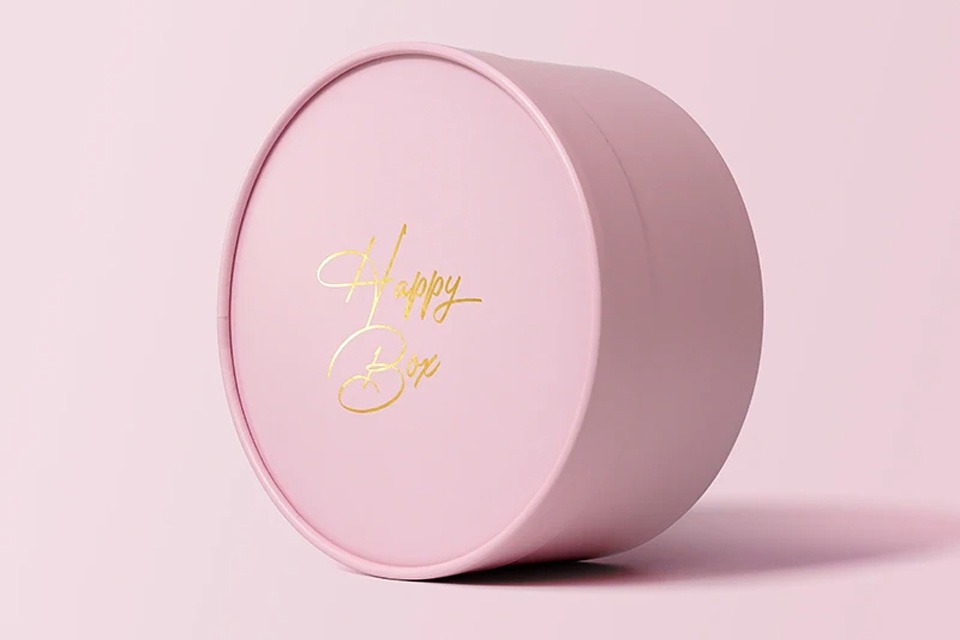
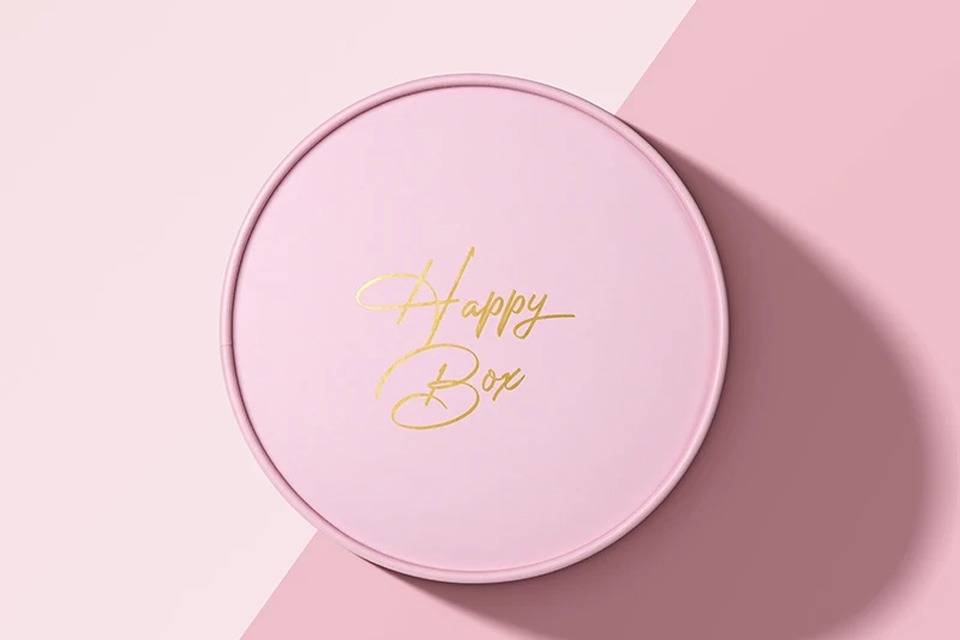
El detalle dorado resulta eficaz, en parte, porque se utiliza sobre un fondo mate bien definido, en lugar de competir con muchos otros elementos decorativos.
Elementos decorativos de papel kraft y materiales naturales
El lenguaje de diseño opuesto aparece en un tubo de café de papel kraft impreso. El papel marrón natural, los adornos impresos en tonos oscuros y una superficie de bajo brillo pueden transmitir una sensación de artesanía, sencillez, naturalidad o fabricación tradicional.
La palabra clave es comunicarse.
La apariencia causa una primera impresión. Pero por sí sola no demuestra hasta qué punto es sostenible el producto en su conjunto.
3. El tacto puede reforzar —o socavar— la percepción de calidad superior
Los envases de tubo de papel ofrecen una sensación táctil poco habitual, ya que los clientes suelen sujetar el cilindro con una superficie de contacto relativamente grande y manipular físicamente la tapa.
Por eso es importante la textura de la superficie.
Un estudio realizado con 400 consumidores sobre los envases de productos cosméticos reveló que los recubrimientos táctiles influían en las preferencias en comparación con los envases sin tratar. Tanto los tratamientos táctiles en relieve como los efectos de tacto suave generaron diferencias cuantificables en las preferencias, aunque la relación entre el tratamiento táctil y la disposición a pagar no fue idéntica para todos los recubrimientos.
Para las marcas, la lección que hay que aprender no es “utilizar siempre un enfoque suave”.”
Es que El tacto transmite información.
Entre las opciones de superficie más adecuadas se incluyen:
Dirección de la superficie
Impresión probable del diseño
Aspectos a tener en cuenta en materia de contratación pública
Papel kraft sin recubrimiento
Natural, artesanal, sobrio
Variación de la fibra y densidad de impresión
Papel especial mate
Refinado, controlado
Marcas de roce y huellas dactilares
Acabado suave al tacto
Suave, agradable al tacto, de alta calidad
Coste, abrasión y complejidad del material
Gofrado/grabado
Elaborado a mano, tridimensional
Registro y utillaje
Lámina metálica
Toque de lujo, contraste
Coste del troquel, registro y resistencia al roce
Detalle del brillo
Energía o enfoque principal
Reflejos y visibilidad de las huellas dactilares
Por lo tanto, un paquete premium necesita un jerarquía de acabado en lugar de una colección de acabados.
Una señal táctil marcada y un detalle visual controlado pueden resultar más creíbles que el uso simultáneo de laminado, relieve, impresión UV, texturizado y papel metalizado.
4. La adecuación del producto cambia la forma en que los clientes evalúan la calidad
Puede que los consumidores no conozcan el término “tolerancia de inserción”, pero sí notan las consecuencias.
Un producto que traquetea dentro del envase puede hacer que un tubo rígido dé la impresión de estar menos cuidado. Una botella descentrada puede restar impacto al momento de la revelación. Un producto que cuesta sacar genera fricción precisamente en el momento en que la marca quiere generar satisfacción.
Eso hace que las inserciones sean psicológicas y componentes mecánicos.
A tubo de papel para cosméticos con un inserto a medida Se puede utilizar cartón, espuma o EVA como material de sujeción, dependiendo de la geometría del producto y de los requisitos de protección. La página actual está orientada a bálsamos labiales y tubos cosméticos pequeños similares, a pesar de que la URL anterior se centraba en los sérums.
Selecciona los insertos según su función
Tipo de inserción
Beneficio de percepción
Ventaja técnica
Compensación
Cartón troquelado
Presentación clara e integrada
Productos ligeros
Amortiguación limitada
Soporte de papel doblado
Diseño minimalista y sofisticado
Controla la orientación
Requiere un ajuste preciso
Fibra moldeada
Presentación natural y moldeada
Admite formas irregulares
Herramientas y texturas
EVA/espuma
Precisión, aspecto resistente
Gran amortiguación y sujeción
Material adicional
Sin inserto
Minimalista, sencillo
Mínimo número de componentes
Es posible que se vea el movimiento del producto
Una amortiguación más gruesa no es necesariamente mejor.
El inserto adecuado es aquel que, con una estructura más ligera y sencilla, ofrece la protección, la alineación y la facilidad de extracción necesarias.
5. La percepción de la sostenibilidad es poderosa, pero fácil de malinterpretar
Este es uno de los ámbitos más importantes en los que la percepción y la realidad pueden discrepar.
Un estudio publicado en la revista Revista de Producción más Limpia constató que tanto el material de embalaje como el aspecto gráfico influían en la percepción que tienen los consumidores sobre la sostenibilidad. El estudio también reveló que las valoraciones de los consumidores en materia de sostenibilidad podían diferir de las evaluaciones del impacto medioambiental, lo que significa que las señales visuales pueden llevar a las personas a sacar conclusiones erróneas sobre qué envase es realmente más respetuoso con el medio ambiente.
Esto supone un riesgo especial para los tubos de papel.
El papel marrón natural, los gráficos verdes, las hojas, los símbolos de reciclaje y la impresión minimalista pueden transmitir una imagen respetuosa con el medio ambiente.
No obstante, la construcción completa aún puede incluir:
laminación en plástico;
inserciones de espuma;
componentes metálicos;
películas de barrera;
cierres de materiales mixtos;
adhesivos;
recubrimientos.
Un conjunto de tubos telescópicos de papel kraft natural muestra hasta qué punto el mero aspecto del material puede definir una dirección visual natural, incluso antes de aplicar la impresión personalizada.
No conviertas la percepción visual en una afirmación sin fundamento
Las «Guías Verdes» de la FTC advierten a los profesionales del marketing que eviten realizar afirmaciones generales y sin matizaciones, como por ejemplo: “verde” y “respetuoso con el medio ambiente” ya que los consumidores pueden interpretar esas afirmaciones como si implicaran beneficios medioambientales de gran alcance. La FTC recomienda que las afirmaciones medioambientales sean específicas y estén debidamente fundamentadas.
Por lo tanto, en una especificación de embalaje, sustituye:
“tubo de papel ecológico”
con requisitos definidos, tales como:
Se requiere papel con certificación FSC;
requisito establecido de contenido reciclado;
sin plastificado;
se prefiere un inserto de cartón;
recubrimiento específico;
construcción de cierre definida;
análisis de la reciclabilidad en el mercado objetivo;
Requisito de ajuste del tamaño del embalaje.
La marca aún puede crear una identidad visual natural. La afirmación medioambiental solo tiene que basarse en el envase real, en lugar de en su aspecto.
6. La originalidad funciona mejor cuando el producto sigue resultando familiar
Las marcas quieren envases que se distingan de los de la competencia. Los consumidores, por su parte, siguen necesitando información lo suficientemente familiar como para entender lo que ven.
Esto genera una tensión en el diseño:
El reconocimiento de la categoría frente al carácter distintivo de la marca.
Si el envase de un producto para el cuidado de la piel rompe con todas las convenciones del sector, es posible que al consumidor le resulte difícil interpretarlo. Si, por el contrario, copia todas las convenciones habituales, pasa desapercibido.
Una distinción acertada suele basarse en un número limitado de señales muy llamativas:
estructura cilíndrica en lugar de rectangular;
un color poco habitual, pero que encaja en la categoría;
diseño distintivo de la tapa;
sistema de ilustración único;
acabado táctil controlado;
tipografía reconocible;
un elemento decorativo recurrente, ya sea en relieve o estampado.
Incorporar la singularidad en un sistema repetible
La innovación tiene más valor cuando se puede ampliar a gran escala.
En el caso de una gama de cinco aromas de velas, por ejemplo, el departamento de compras podría mantener:
el diámetro de un tubo;
especificaciones de una placa;
diseño de una sola tapa;
una posición para el logotipo;
una matriz de laminado;
mientras se cambia:
color de la carrocería;
nombre de la fragancia;
ilustración;
tipografía secundaria.
El resultado puede parecer un artículo de colección para el consumidor sin necesidad de crear cinco programas de fabricación completamente diferentes.
Esto es importante porque cada diámetro, inserto, material, acabado y componente especial adicional puede suponer un nuevo pedido mínimo, un nuevo requisito de utillaje, un nuevo paso de aprobación y una nueva variable de control de calidad.
7. La coherencia de la marca transforma los elementos del envase en confianza
La percepción de calidad superior no es lo mismo que la complejidad decorativa.
Las investigaciones sobre el diseño de envases de gama alta han identificado una serie de características —como los materiales de alta calidad, la diferenciación, el diseño minimalista y la autenticidad— como indicadores relevantes de gama alta.
En el caso de un programa de tubos de papel, la autenticidad y la coherencia pueden expresarse a través de:
colocación estable del logotipo;
tipografía rigurosa;
paleta de colores controlada;
un diseño interior coherente;
estructura reconocible;
comportamiento de apertura repetible;
registro de impresión preciso;
tono uniforme del papel de aluminio;
posicionamiento coherente del producto.
Un único prototipo atractivo no basta para crear un sistema de marca.
Se habla de un sistema de marca cuando se mantiene la misma lógica de diseño:
diferentes referencias;
diferentes lotes de producción;
diferentes mercados;
diferentes tamaños de producto;
fotografía para comercio electrónico;
comercio minorista físico.
La consistencia en la producción forma parte de la percepción
Los consumidores no ven la ficha técnica de Pantone aprobada ni la hoja de tolerancias. Lo que ven es el envase terminado.
Las variaciones de color, las tapas sueltas, el papel de aluminio irregular, el pegamento visible, el envoltorio rayado, los tubos ovalados o los insertos descentrados se convierten en elementos distintivos de la marca, independientemente de si el equipo de diseño lo pretendía o no.
Las propias directrices de fabricación de la CPTB señalan el control del diámetro, la alineación de las costuras, la fricción de la tapa, el desgaste de la superficie, la uniformidad de la decoración y la inspección visual y funcional final como controles relevantes en la producción de tubos.
Es aquí donde la gestión de marca y el control de calidad dejan de ser disciplinas independientes.
¿Cómo se traduce una percepción deseada en unas especificaciones de envase?
Evita enviar al proveedor solo adjetivos.
“Lujo”, “natural”, “clínico”, “juventud” o “sostenible” son objetivos creativos útiles, pero especificaciones de producción poco sólidas.
Traduce cada objetivo en decisiones concretas.
Percepción deseada por parte de los consumidores
Traducción de diseño
Lo que debe especificar el departamento de compras
Premium
Estructura rígida, superficie mate controlada, toques metálicos discretos
Especificaciones del papel, lámina, color, acabado, tolerancia
Natural
Superficie tipo Kraft o con fibra visible, con motivos gráficos discretos
Tipo de fibra, impresión, recubrimiento, certificación
Clínico
Paleta de colores blancos y neutros, tipografía precisa, jerarquía estructurada
Pantone/CMYK, zonas de texto, tolerancias de impresión
Artesanía
Papel con textura, paleta de colores cálidos, detalles que invitan al tacto
Norma sobre papeles especiales y texturas
Contemporáneo
Gráficos minimalistas, contraste controlado
Sistema de decoración y acabado superficial
De protección
Ajuste perfecto al producto y inserto estable
Dimensiones, holgura y retención
Sostenible
Menor complejidad y afirmaciones documentadas
Origen de la fibra, contenido reciclado, componentes y recubrimientos
Un proceso mejorado de diseño de tubos de papel
Para los equipos de marca, ingeniería y abastecimiento, una secuencia de desarrollo práctica es la siguiente:
Define la percepción que deseas que tengan los consumidores. Decide qué mensaje debe transmitir el envase: de alta gama, natural, técnico, artesanal, clínico, lúdico u otra imagen clara.
Confirma los requisitos del producto. Mide el producto, el peso, la fragilidad, el cierre, las superficies vulnerables y la orientación.
Selecciona el sistema estructural. Determina el diámetro del tubo, la altura, el tipo de tapa, el collarín, la base y el inserto.
Establecer el lenguaje del material. Elige entre papel kraft, papel estucado, papel de envoltorio especial, texturas y colores para el interior.
Crea la jerarquía visual. Establece los elementos de marca, los colores, la tipografía, las zonas de información, el código de barras y el texto reglamentario.
Añade solo los acabados necesarios. Elige el laminado, el relieve, los recubrimientos u otros tratamientos en función del papel que desempeñen en la estrategia de percepción.
Elabora una muestra física. Evalúa el aspecto y la interacción real con el consumidor.
Analizar la viabilidad de la fabricación. Verificar las juntas, las tolerancias, la alineación del acabado, el montaje de los insertos y las limitaciones de la producción en serie.
Definir los criterios de aceptación del control de calidad. Indica qué se considera una unidad de producción aceptable.
Verificar que se ajusta al producto real. No evalúes un envase vacío si el consumidor final lo va a recibir con una botella, un tarro, una vela u otro artículo en su interior.
Errores habituales en el diseño de envases desde el punto de vista de la psicología
Dar por sentado que el negro y el dorado transmiten automáticamente una sensación de lujo
Pueden evocar una imagen de lujo, pero un ajuste deficiente, unas superficies que dan sensación de baja calidad, un exceso de elementos gráficos o una fabricación irregular pueden contradecir esas señales.
El uso del papel kraft como prueba de sostenibilidad
El papel Kraft es una elección tanto visual como de material. Evalúa la estructura completa y corrobora de forma independiente las afirmaciones medioambientales.
Añadir acabados táctiles sin probarlos
El tacto es importante, pero los acabados también deben resistir los procesos de fabricación, transporte, almacenamiento y manipulación.
Crear novedades que no se pueden ampliar
Un prototipo complejo puede servir para un kit destinado a influencers, pero resultar caro o dar lugar a inconsistencias al fabricarlo en series de decenas de miles de unidades.
Sin tener en cuenta el producto que hay dentro del tubo
Las expectativas que genera el embalaje crean una promesa. Si el embalaje transmite prestigio, pero la presentación del producto da la sensación de estar suelta, dañada o mal alineada, esa expectativa puede jugar en contra de la marca.
Considerar la percepción del cliente como algo independiente del control de calidad
Las dimensiones, la uniformidad de la impresión, el ajuste de la tapa, las marcas de roce, la alineación de los insertos y el registro del laminado se convierten en señales de la marca que perciben los consumidores.
Preguntas frecuentes
¿Influye realmente el diseño del envase en la percepción que tienen los consumidores de un producto?
Sí. Los estudios realizados en numerosas categorías de envases demuestran que las características visuales —como el color, la forma, el material, las imágenes, los logotipos y la tipografía— influyen en la valoración del envase y en las expectativas relacionadas con el producto. La intensidad y la dirección de esos efectos varían en función de la categoría de producto, el consumidor, el contexto y la combinación de elementos utilizados.
¿Qué es lo que hace que los envases de tubo de papel tengan un aspecto de alta gama?
La percepción de alta calidad suele derivarse de una serie de elementos coherentes: una construcción sólida, un ajuste preciso, materiales adecuados, una tipografía cuidada, colores uniformes, una impresión precisa y acabados selectos. El estampado en caliente o el relieve pueden reforzar esa impresión, pero no pueden compensar una calidad estructural deficiente ni una producción inconsistente.
¿Da la sensación de ser de mayor calidad un envase mate que uno brillante?
No siempre. Las superficies mates pueden transmitir una imagen sobria o de alta gama, mientras que las brillantes pueden aportar luminosidad, intensidad o un fuerte contraste visual. La elección adecuada depende de la categoría del producto, la identidad de marca, los elementos gráficos, los requisitos de manipulación y otros aspectos del embalaje.
¿El papel kraft hace que los consumidores piensen que el envase es sostenible?
La textura natural del papel y los elementos gráficos relacionados pueden influir en la percepción de la sostenibilidad, pero dicha percepción no demuestra el rendimiento medioambiental real. Las investigaciones demuestran que los consumidores pueden evaluar erróneamente el impacto medioambiental basándose en las indicaciones del envase, por lo que las marcas deberían fundamentar por separado sus afirmaciones medioambientales.
¿Qué importancia tiene el tacto en los envases de tubo de papel?
El tacto puede ser importante porque el cliente suele sujetar el cilindro y manipular la tapa directamente. Los estudios sobre envases de cosméticos han demostrado que los recubrimientos táctiles pueden influir en las preferencias de los consumidores, aunque el efecto comercial varía en función del recubrimiento y del contexto.
¿Deberían las marcas dar prioridad al aspecto del envase o a su calidad estructural?
La calidad estructural debe ser lo primero. La estructura determina la protección del producto, el comportamiento de apertura, la alineación y la credibilidad física. Una vez que esos requisitos estén bien definidos, el color, la textura, los gráficos, el laminado, el relieve y otros acabados pueden reforzar la percepción deseada.
El embalaje en tubo de papel influye de manera más eficaz en la percepción cuando La estructura, el material, el color, la textura, los elementos gráficos, el ajuste del producto y las afirmaciones transmiten el mismo mensaje.
Una superficie de aspecto lujoso combinada con una estructura inconsistente genera señales contradictorias. El papel kraft natural, junto con unas promesas medioambientales vagas, corre el riesgo de exagerar lo que el envase ofrece realmente. Una decoración elaborada sin un sistema de marca coherente genera ruido visual en lugar de aportar valor.
Para los compradores de embalajes, esto se traduce en una regla práctica:
Define la percepción que deseas, conviértela en especificaciones de envase cuantificables y, a continuación, comprueba que esos elementos se mantengan en la producción en serie.
Ahí es donde la psicología del embalaje se convierte en ingeniería del embalaje útil.