Vous n'avez toujours pas trouvé la bonne solution d'emballage ? Parlez-en à notre patron.
Si vous avez consulté notre site web ou discuté avec le service des ventes et que vous ne voyez toujours pas la voie à suivre, envoyez votre demande ici. Votre message sera transmis directement à notre directeur général, qui examinera la faisabilité, le coût et le délai de mise en œuvre. Vous obtiendrez une étape suivante claire - ce que nous pouvons faire, ce que nous attendons de vous, et la voie la plus rapide pour obtenir un devis.
Examen direct par GM de vos spécifications, cas d'utilisation et contraintes
Vérification de la taille et de la structure : diamètre, hauteur, résistance des parois, inserts
Recommandations en matière d'impression et de finition en fonction de la marque et du budget
Possibilités de réduction des coûts et d'amélioration des délais
Clarté du cheminement du devis : MOQ, plan d'échantillonnage et étapes suivantes
Parler à notre patron
Obtenir un devis rapide pour l'emballage de tubes en papier sur mesure
Conçu pour les responsables de l'emballage, de l'approvisionnement et les ingénieurs de l'emballage. Spécifiez la taille, la quantité et la finition pour obtenir un devis, un délai de livraison et des conseils sur les spécifications pour les programmes américains/européens.
Personnalisation prête à l'emploi : diamètre, hauteur, épaisseur de paroi, inserts, doublures et fermetures
Finitions haut de gamme : CMYK/Pantone, film, gaufrage, UV
Clarté de l'approvisionnement : spécifications claires + conseils en matière de contrôle de la qualité et de gestion des défauts de fabrication
Durable : Papier FSC® disponible sur demande
Sécurité enfants : conforme à la norme ISO 8317 / PPPA
Élever les saveurs indiennes grâce à des emballages bien pensés
Table des matières
Les saveurs indiennes n'ont pas besoin d'être relookées. Elles ont besoin meilleure traduction des emballages.
Sur une étagère ou une grille de marché, “tikka”, “chaat” ou “garam masala” peuvent sembler peu familiers aux nouveaux acheteurs. Si l'emballage semble difficile à ouvrir, à ranger ou à renverser, les gens ne prennent pas le risque. Ils continuent à faire défiler les pages. Ils s'éloignent.
Un emballage bien pensé permet d'y remédier. Il donne au produit l'impression d'être claire, de qualité supérieure et facile dans de vraies cuisines. Et si vous vendez à grande échelle, cela vous permet également de maintenir votre activité propre : moins de dommages, moins de réclamations, un réapprovisionnement plus fluide.
Mots-clés de l'emballage des épices indiennes : fraîcheur, clarté et impact sur le rayon
Les épices et les mélanges perdent généralement des conversions pour trois raisons ennuyeuses :
L'angoisse de la fraîcheurLes personnes interrogées craignent que l'arôme ne s'estompe ou que la poudre ne fasse des grumeaux.
Surcharge de l'UGSLes produits de la catégorie "produits de base" : trop de mélanges, trop peu de hiérarchie. Les acheteurs ne peuvent pas se décider rapidement.
Frottement de la cuisineLes produits de l'Union européenne : des coulées désordonnées, des joints d'étanchéité fragiles, un stockage difficile.
Votre emballage ne doit donc pas se contenter d'être beau. Il doit conduire vente à découvert, Protéger rétention d'arômes, et de réduire friction de première utilisation.
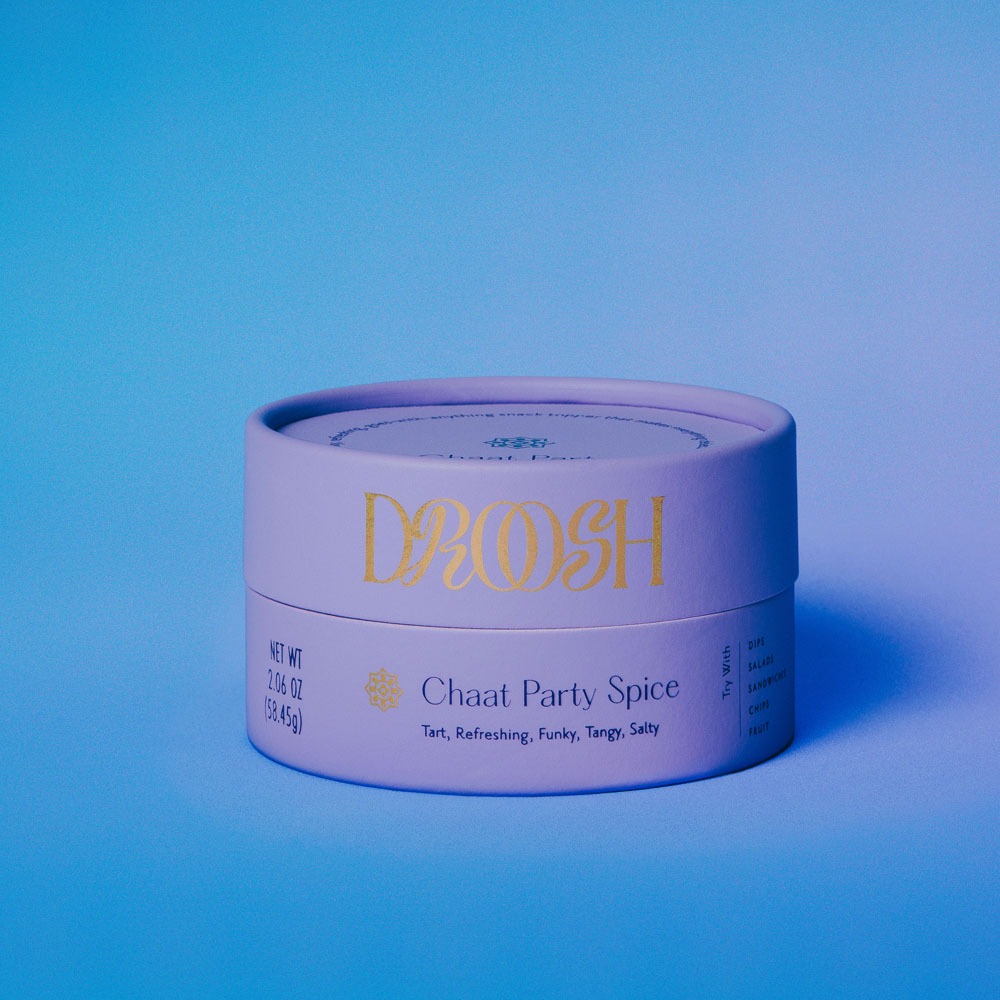
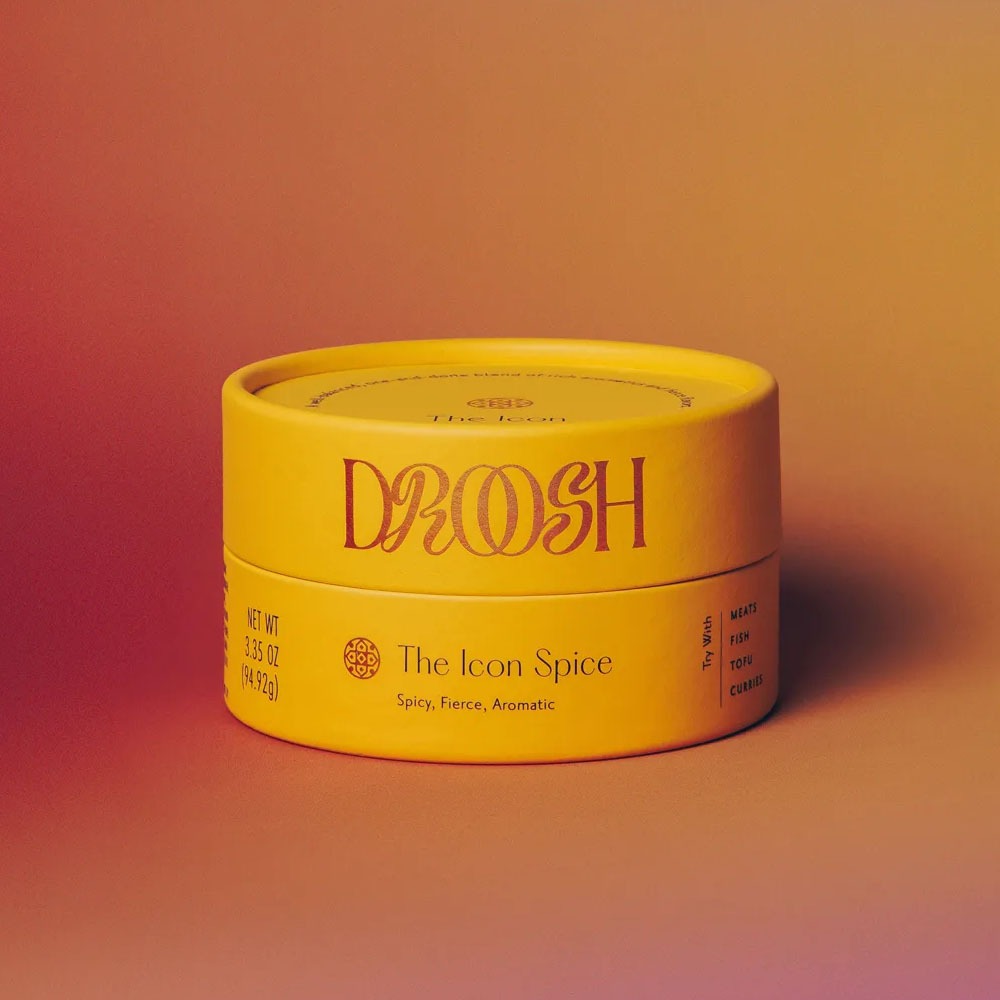
Les tubes en papier peuvent être utiles car ils offrent un espace de marquage propre, une structure solide et une sensation manuelle de qualité supérieure qui n'est pas celle d'une pochette fragile.“
Système de conception d'emballages pour les saveurs indiennes
Vous trouverez ci-dessous les titres exacts des arguments que vous avez demandés. Chacun d'entre eux est accompagné de notes d'exécution réelles que vous pouvez utiliser dans un mémoire, une revue dieline ou une fiche technique OEM/ODM.
1) L'emballage clarifie le positionnement de la marque
Si votre pack n'explique pas ce que vous êtes en un coup d'œil, vos annonces finissent par faire de l'éducation de base.
Comment le construire
Établir une hiérarchie simple : marque → nom du mélange → indice de saveur → cas d'utilisation en une ligne.
Veillez à ce que la présentation soit cohérente pour tous les mélanges afin que l'étagère se lise comme une seule et même famille.
Exemple rapide Une ligne “Mélange de curry pour la semaine” se lit plus rapidement qu'une longue description poétique. Les gens veulent de l'assurance, pas des devoirs.
2) La fonctionnalité n'est pas un critère de base, c'est un levier de conversion.
Dans les épices, l“”expérience utilisateur" est le produit. Les gens cuisinent en pilotage automatique. Si le couvercle les gêne, ils ne passeront pas commande.
Comment le construire
Choisissez des fermetures qui résistent à des cycles d'ouverture et de fermeture fréquents.
Conçu pour être utilisé d'une seule main et refermé proprement.
3) Les indices de qualité doivent soutenir la valeur du produit, et non la décoration
La feuille, le gaufrage, le toucher doux... fonctionnent lorsqu'ils signalent quelque chose de vrai : l'approvisionnement, l'artisanat, les mélanges de signatures.
Comment le construire
Choisissez un détail “d'ancrage” de premier ordre et gardez le calme pour le reste.
Laissez l'histoire du produit faire le gros du travail, et non des graphiques bruyants.
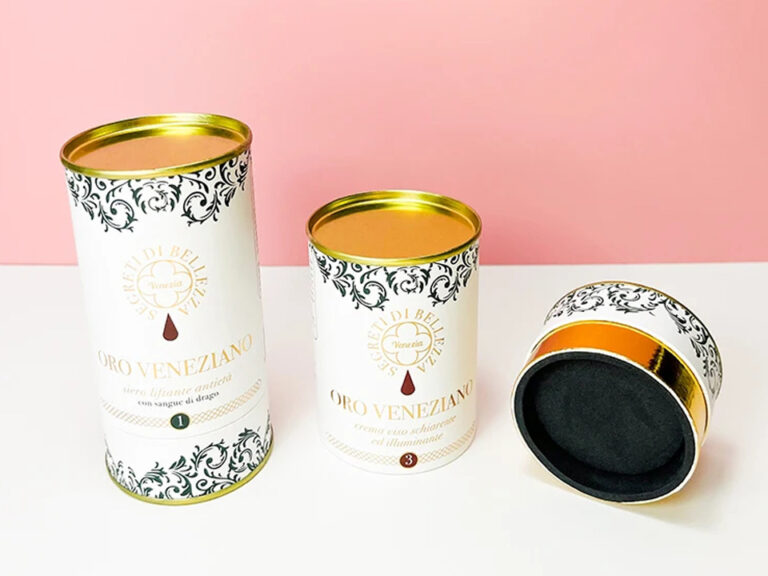
Si vous voulez une référence en matière de finition haut de gamme, regardez comment les marques de cosmétiques gèrent les améliorations tactiles, puis transposez cette retenue dans le domaine de la marque alimentaire. A style d'emballage des tubes de cosmétiques montre à quel point les indices de prime peuvent être propres lorsque l'on évite le désordre.
4) Chaque saveur doit être différenciée rapidement sans briser le système.
Lorsque vous gérez un véritable assortiment, la clarté devient votre moteur de croissance. C'est l'architecture SKU.
Comment le construire
Utiliser un système de code : bande de couleur + icône + marqueur d'intensité.
Faites en sorte qu'il soit lisible de loin. Ne vous fiez pas aux paragraphes.
C'est ainsi que l'on évite qu'une extension de ligne ne se transforme en un chaos d'étagères.
5) Résoudre le problème “les saveurs indiennes sont compliquées”.
De nombreux acheteurs ne craignent pas le goût. Ils craignent de le gaspiller.
Comment le construire
Ajouter une simple ligne “utilisation par défaut” :
“Œufs - légumes rôtis - dips au yaourt”.”
“frites - pop-corn - poulet grillé”
“chai - flocons d'avoine - pâtisserie”
Placez-le à l'endroit où le pouce se pose naturellement. Ne l'enterrez pas dans le dos.
Cette seule phrase réduit l'hésitation de l'acheteur plus que ne le fera jamais un autre slogan de marque.
6) La culture est crédible lorsqu'elle est vécue.
Les gens repèrent rapidement la “culture décorative”. L'origine réelle est spécifique.
Comment le construire
Utilisez des indices honnêtes : des ingrédients régionaux, la lignée de la recette, une courte ligne d'origine.
Restez respectueux. Évitez les motifs aléatoires qui ne signifient rien.
C'est ainsi que l'on gagne la confiance sans transformer la culture en costume.
7) L'emballage est la porte d'entrée de l'univers complet de la marque
Votre tube est le premier point de contact. Ensuite, votre site web doit transformer la curiosité en routine.
Comment le construire
QR pour les recettes rapides, les lots ou les recharges.
Créez un parcours “essayez ceci ensuite” pour que les clients ne restent pas sur leur faim après le premier achat.
Il s'agit d'une simple technique de LTV : une meilleure orientation, un taux de répétition plus élevé.
8) Le ton doit être invitant et non magistral
Les épices sont émotionnelles. Personne ne veut d'une voix de marque grondeuse.
Comment le construire
Utilisez une microcopie conviviale : “Commencez ici”, “Convivialité en semaine”, “Aucune compétence particulière n'est requise”.”
Faites des phrases courtes. Donnez l'impression qu'il s'agit d'une cuisine utile, et non d'un manuel.
9) Les marchés internationaux ont besoin d'emballages qui expliquent et créent la confiance
Les acheteurs transfrontaliers veulent de l'authenticité, mais aussi de la clarté.
Comment le construire
Face avant de l'emballage : ce que c'est, quel est le goût, comment l'utiliser.
Dos d'emballage : ingrédients, notes de stockage, emplacement des codes-barres, principes de base de la conformité.
Un bon emballage ne fait pas que vendre. Il permet également d'éviter les retours et les maux de tête des distributeurs.
10) La premiumisation fonctionne lorsque l'emballage concilie authenticité, modernité, commodité et durabilité.
Les acheteurs modernes veulent à la fois du “vrai” et du “facile”.
Comment le construire
Associez une typographie moderne à des indices culturels honnêtes.
Il s'agit d'intégrer la commodité dans la structure, et pas seulement de la copier.
11) Le développement durable influe sur la préférence pour la marque, mais il doit correspondre aux attentes de la catégorie.
Les allégations écologiques ne sont d'aucune utilité si l'emballage ne donne pas l'impression d'être solide ou s'il n'est pas performant.
Comment le construire
Choisissez des matériaux robustes et une construction qui protège l'arôme.
Aligner les choix de barrières sur la sensibilité du produit.
12) La sécurité alimentaire et la protection de la fraîcheur restent non négociables
Si vos épices sont périmées ou agglutinées, vous perdez la possibilité d'acheter à nouveau. Si votre étiquetage est désordonné, vous perdez la confiance des grossistes.
Comment le construire
Traiter l'ajustement de la fermeture et l'alignement de la barrière comme des points de contrôle de qualité.
Verrouillez votre dieline et prépressez tôt pour que les petits textes restent lisibles après l'impression.
Tableau d'argumentation avec des sources que vous pouvez citer sans liens externes
Titre de l'argument
Ce qu'il améliore
Ce qu'il faut préciser dans votre dossier d'emballage
Une référence sur place que vous pouvez partager en interne
L'emballage clarifie le positionnement de la marque
Reconnaissance plus rapide, blocage plus propre des étagères
Hiérarchie de la marque, grille de mise en page, règles cohérentes en matière d'UGS
Scénarios d'emballage de tubes en papier pour les épices, le chai et les cadeaux
C'est là que les tubes en papier ont tendance à bien se comporter sur le marché, en particulier pour les marques qui vendent des assortiments en gros, transfrontaliers ou multi-SKU.
Cas d'utilisation
Direction de l'emballage
Victoire opérationnelle
Victoire commerciale
L'offre de départ D2C avec de nombreux mélanges
Système cohérent + forte différenciation
Moins d'erreurs de prélèvement/emballage
Meilleure conversion des offres groupées
Mise en rayon dans le commerce de détail
Hiérarchie propre + blocage des étagères
Meilleure performance des planogrammes
Meilleur taux de vente
Transport maritime transfrontalier
Structure solide + étiquetage clair
Réduction des dommages et des retours
Une meilleure qualité d'examen
Recharge et achat répété
Couvercle conçu pour une utilisation fréquente
Moins de plaintes concernant les produits périmés
Meilleure rétention
Kits de relations publiques et cadeaux
Structure et détails prêts à être offerts
Moins d'emballage supplémentaire
Plus de contenu sur l'unboxing
Si vous souhaitez que le paquet soit prêt à être offert sans pour autant donner l'impression d'être une boîte à bijoux, inspirez-vous des structures qui vendent déjà un “unboxing premium”, puis atténuez les aspects visuels pour la nourriture. Deux références utiles pour les détails de la structure sont le tube transparent avec poignée et le tube blanc mat avec nœud papillon. Vous ne copiez pas la catégorie. Vous empruntez les mécanismes qui permettent d'offrir des cadeaux sans effort.
Pour les marques qui souhaitent disposer de plus d'espace pour raconter leur histoire, l'impression intérieure et extérieure s'avère utile. A tube imprimé recto-verso peut prendre en charge une face externe de “décision rapide” et une couche interne d“”histoire + mode d'emploi".
Emballage en gros OEM/ODM mots clés : dieline, prépresse, QC, et gouvernance SKU
Lorsque vous passez à la vente en gros ou à l'OEM/ODM, la différence entre “joli” et “rentable” est l'exécution.
Discipline de la ligne de démarcationLa structure de verrouillage : verrouiller la structure dès le début afin que chaque UGS s'adapte au même système.
Contrôle du prépresse: protègent les petits textes et assurent la cohérence des couleurs d'un lot à l'autre.
Points de contrôle du CQLes résultats de l'évaluation sont les suivants : ajustement de la fermeture, alignement de l'impression et cohérence de la finition de la surface.
SKU gouvernanceLes règles de l'extension des lignes sont définies avant le début de l'extension des lignes, sinon votre étagère aura l'air désordonnée plus tard.
C'est là que l'état d'esprit du fabricant est important. Vous n'achetez pas seulement des emballages. Vous achetez de la répétabilité, de la stabilité de production et moins de surprises au cours des cycles de production.
Synthèse
Un emballage bien pensé rend les saveurs indiennes plus faciles à comprendre et à utiliser. Il facilite également l'extension de votre marque.
Gardez la hiérarchie propre. Faites en sorte que le tube se sente bien dans une vraie cuisine. Construisez un système d'UGS qui tienne la route en cas d'expansion. Et ne faites jamais de compromis sur la protection de la fraîcheur, car c'est là que se fait l'achat répété.