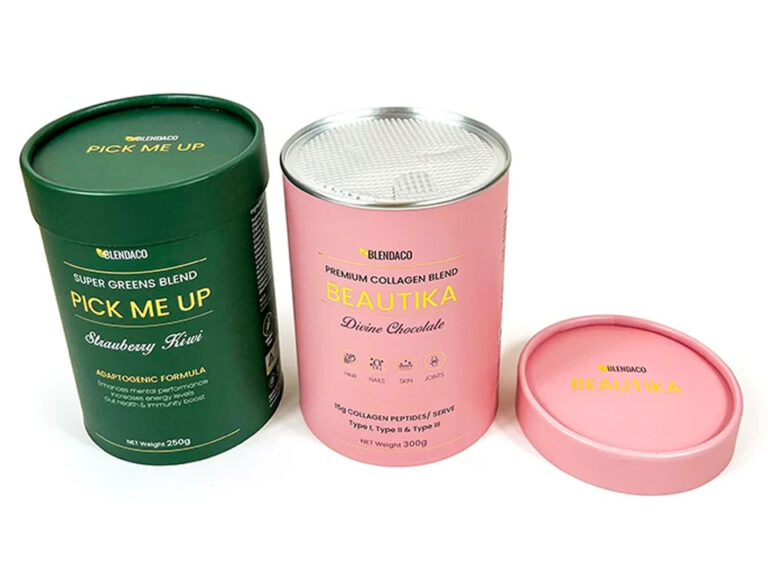
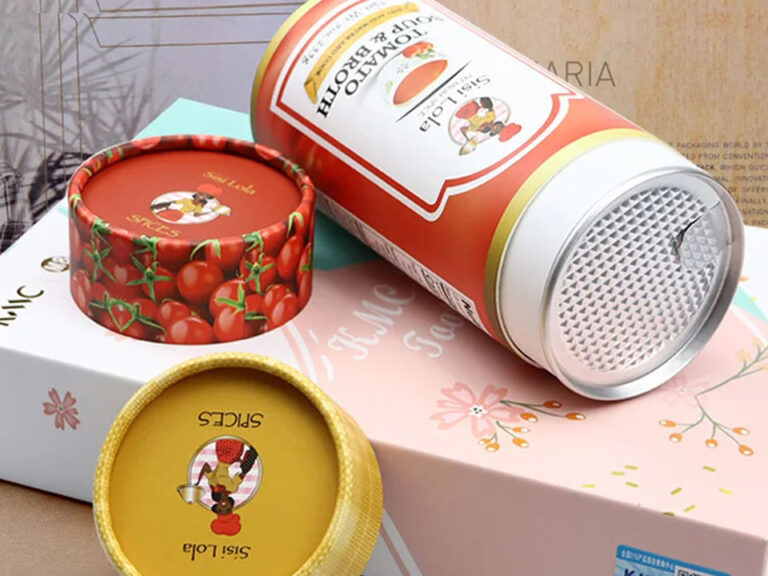
Vous n'avez toujours pas trouvé la bonne solution d'emballage ? Parlez-en à notre patron.
Si vous avez consulté notre site web ou discuté avec le service des ventes et que vous ne voyez toujours pas la voie à suivre, envoyez votre demande ici. Votre message sera transmis directement à notre directeur général, qui examinera la faisabilité, le coût et le délai de mise en œuvre. Vous obtiendrez une étape suivante claire - ce que nous pouvons faire, ce que nous attendons de vous, et la voie la plus rapide pour obtenir un devis.
Examen direct par GM de vos spécifications, cas d'utilisation et contraintes
Vérification de la taille et de la structure : diamètre, hauteur, résistance des parois, inserts
Recommandations en matière d'impression et de finition en fonction de la marque et du budget
Possibilités de réduction des coûts et d'amélioration des délais
Clarté du cheminement du devis : MOQ, plan d'échantillonnage et étapes suivantes
Parler à notre patron
Obtenir un devis rapide pour l'emballage de tubes en papier sur mesure
Conçu pour les responsables de l'emballage, de l'approvisionnement et les ingénieurs de l'emballage. Spécifiez la taille, la quantité et la finition pour obtenir un devis, un délai de livraison et des conseils sur les spécifications pour les programmes américains/européens.
Personnalisation prête à l'emploi : diamètre, hauteur, épaisseur de paroi, inserts, doublures et fermetures
Finitions haut de gamme : CMYK/Pantone, film, gaufrage, UV
Clarté de l'approvisionnement : spécifications claires + conseils en matière de contrôle de la qualité et de gestion des défauts de fabrication
Durable : Papier FSC® disponible sur demande
Sécurité enfants : conforme à la norme ISO 8317 / PPPA
L'artisanat durable : Le voyage vers un emballage respectueux de l'environnement
Table des matières
L'emballage écologique semble simple jusqu'à ce que vous essayiez d'expédier des produits réels à des clients réels. Les boîtes sont écrasées. Les étiquettes se salissent. Les couvercles éclatent. Les retours augmentent. Les courriels de conformité commencent alors.
Parlons donc de la durabilité telle que les marques et les acheteurs la vivent : moins de matériaux, moins de déchets, une meilleure recyclabilité et des emballages qui restent performants pendant le transport et dans les rayons.
En tant que Boîtes en papier tubulaire fabriquées sur mesure, nous fabriquons des produits sur mesure, en vrac, en gros OEM/ODM l'emballage dans une atelier sur la purification des emballages alimentaires avec un 12,300 m² entrepôt tridimensionnel et une capacité journalière moyenne de 300 000+ pièces. Cette échelle est importante car la durabilité n'est pas un prototype unique. Il s'agit d'une production reproductible.
Voici le parcours, étape par étape, avec des arguments clairs, des scénarios pratiques et des points étayés par des données.
Emballage écologique et déchets d'emballage
L'emballage est l'un des leviers les plus importants que vous puissiez actionner, car il représente une part importante des déchets plastiques au niveau mondial (souvent citée autour de ~40% pour les déchets plastiques par utilisation). C'est pourquoi les marques subissent la pression des clients et des autorités de réglementation.
Mais il y a un hic : L'approche “écologique” est rapidement mise à mal lorsque le sac se brise, fuit ou est livré avec une apparence de piètre qualité. Il vous faut le triangle complet :
Performance (protège le produit)
Conformité (respecte les règles en matière d'étiquetage, de sécurité et de protection de l'enfance, le cas échéant)
La réalité de la fin de vie (les gens peuvent le recycler là où ils vivent)
Conception d'emballages durables et emballages de bonne taille
La plupart des victoires en matière de développement durable commencent avant le choix du matériau. Ils commencent par l'ajustement.
Un emballage adapté
Le right-sizing signifie que votre emballage correspond au produit, et non à vos souhaits. Lorsque vous effectuez un bon dimensionnement, vous obtenez généralement trois victoires à la fois :
Moins de matières premières
Moins de “remplissage” et moins de pièces supplémentaires
Amélioration de l'efficacité de l'emballage pour les équipes de ramassage et d'emballage
Dans les tubes en papier, le bon dimensionnement se résume souvent à le diamètre, l'épaisseur de la paroi et le type de fermeture. Si vous construisez trop, vous le payez en poids et en carton gaspillé. Si vous ne construisez pas assez, vous payez en dommages et en remboursements.
Emballages légers et logistique
L'allègement ne consiste pas à rendre l'emballage léger. Il s'agit d'ajuster la structure de manière à atteindre les objectifs des tests de chute sans ajouter des grammes supplémentaires partout.
Par exemple :
Une approche légèrement différente conception de l'épaulement tubulaire peut améliorer la résistance à la compression.
Un renforcement de la tolérance du couvercle peut réduire le “cliquetis” et les éraflures pendant le transport.
Plus intelligent insérer peut protéger les pièces fragiles sans ajouter de plastiques encombrants.
Si vous effectuez des expéditions transfrontalières, ces petites décisions structurelles vous aideront à réduire l'espace de fret gaspillé et à maintenir votre chaîne d'exécution en mouvement.
Emballages recyclables et conception pour le recyclage
“La mention ”recyclable" sur le papier ne signifie pas toujours recyclable dans la réalité. Les systèmes de collecte varient d'un marché à l'autre et les matériaux mélangés posent des problèmes de tri.
Emballages recyclables et simplicité des matériaux
Concevoir pour le recyclage signifie généralement :
Utiliser moins de types de matériaux
Éviter les couches difficiles à séparer
Garder la construction propre et cohérente
L'emballage en tube de papier peut supporter cela parce qu'il est naturellement à base de fibres. Le risque vient généralement des ajouts : laminages lourds, fenêtres délicates ou fermetures qui transforment un composant propre en un puzzle de matériaux mixtes.
Clarté de l'emballage et de l'étiquetage recyclables
Si vous voulez réduire les réclamations des clients et les problèmes de conformité, étiquetez l'emballage en langage clair :
Qu'est-ce que le papier ?
Que faut-il supprimer (le cas échéant) ?
Qu'est-ce qui doit être recyclé ou jeté à la poubelle ?
Des instructions de tri claires réduisent le “recyclage souhaité”, ce qui permet de garder les flux de recyclage plus propres.
Réutiliser et recharger les emballages
La réutilisation et le remplissage ne s'appliquent pas à tous les produits, mais lorsqu'ils conviennent, ils réduisent la demande d'emballages à usage unique à la source.
Les tubes en papier conviennent bien ici parce qu'ils peuvent avoir une apparence de qualité supérieure sans avoir besoin d'un plastique lourd. Dans la bonne catégorie, les clients les conservent :
Thé et spécialités culinaires
Suppléments
Coffrets cosmétiques
Bijoux
Un emballage réutilisable ne fonctionne que s'il vaut la peine d'être conservé. C'est là que les détails comptent : la finition, la netteté de l'impression, la sensation du couvercle et la durabilité.
Contenu recyclé et tendances réglementaires
La teneur en matières recyclées passe du statut d“”avantage“ à celui d”"obligation d'achat", en particulier dans les marchés réglementés.
Les marques demandent généralement :
Options de papier recyclé après consommation (PCR)
Documents de preuve de la chaîne d'approvisionnement
Couleur stable et comportement d'impression (le PCR peut varier)
Si vous vendez dans l'UE ou si vous travaillez avec des grandes surfaces, attendez-vous à recevoir davantage de questions :
Objectifs en matière de contenu recyclé
Règles de minimisation des emballages
Déclarations de matériaux et documentation
Il ne s'agit pas d'une question de marketing. Il s'agit de réussir les audits et de maintenir les inscriptions en vie.
Biodégradable ou compostable
Ces mots causent des problèmes aux gens.
Biodégradable est large. Il ne vous indique pas automatiquement où, la rapidité, ou dans quelles conditions quelque chose tombe en panne.
Compostable implique généralement une filière de fin de vie plus claire dans des conditions de compostage contrôlées (mais il faut toujours s'adapter à l'infrastructure locale).
Si votre allégation relative à l'emballage n'est pas spécifique, elle peut entraîner un risque de non-conformité et susciter la méfiance des clients. Les allégations doivent être précises, étayées par des documents et adaptées au marché.
Boîtes en tube de papier sur mesure et scénarios d'emballage pratiques
Il s'agit maintenant de concrétiser cette idée avec des scénarios d'emballage que vous reconnaîtrez. Voici des pages de produits et des hubs que vous pouvez utiliser comme référence et comme flux d'achat
Emballage en tube papier personnalisé pour cosmétiques
Les cosmétiques ont besoin d'un impact en rayon, mais aussi d'une résistance aux éraflures et d'une impression nette. Si vous souhaitez obtenir une impression de qualité supérieure sans avoir recours à des matériaux plastiques lourds, commencez par ici : emballage de tubes cosmétiques.
Les problèmes les plus courants que nous résolvons :
Dérive de la correspondance des couleurs entre les lots (contrôle Pantone + vérifications de l'impression)
Cohérence de l'ajustement du capuchon (contrôle de la tolérance)
Sensation de déballage (texture, équilibre mat/brillant)
Emballage alimentaire pour le thé
Le thé est sensible à l'humidité, aux odeurs et à la durée de conservation. Vous avez besoin d'une structure qui réponde aux exigences de la barrière et à la présentation de la marque. Voir aussi emballage de thé boîtes en papier.
Les ajouts typiques demandés par les acheteurs :
Options intérieures de qualité alimentaire
Fermetures sécurisées
Espace de codage des lots pour la traçabilité
Durabilité de l'emballage et de l'expédition des protéines en poudre
Les suppléments sont lourds et voyagent beaucoup. Cela signifie que la résistance à la compression et la rétention du couvercle sont importantes. Voici une option pertinente : emballage en tube de papier pour protéines en poudre.
C'est là que les marques se font le plus souvent griller :
Des bosses en transit qui gâchent les photos de l'étagère
Pénétration de poussière si la fermeture n'est pas étanche
Etiquettes éraflées qui donnent aux emballages un aspect “ancien” à l'arrivée
Emballage à l'épreuve des enfants pour le cannabis
Les emballages à l'épreuve des enfants ne sont pas une tendance. C'est une exigence sur de nombreux marchés. Si vous avez besoin d'un emballage en papier doté d'une fermeture de sécurité, renseignez-vous : emballage en tube de papier à l'épreuve des enfants.
Ce qui compte ici :
Fonction de verrouillage cohérente dans la production de masse
Options d'inviolabilité
Zones d'étiquetage de conformité claires
Emballage de la cartouche de CBD et ajustement parfait
Les cartouches ont besoin d'une protection et d'un ajustement interne propre. Un tube peut réduire le cliquetis et avoir un aspect plus noble qu'une boîte pliante générique. Voir aussi Tubes d'emballage de cartouches de CBD.
Emballage des bijoux et présentation prête à être offerte
Les bijoux n'ont pas besoin d'un emballage épais. Ils ont besoin d'être “prêts à offrir” et d'être protégés contre les rayures. Un tube et un détail doux au toucher peuvent être bien accueillis dans les unboxings des détaillants et des influenceurs. Exemple : boîtes tubulaires pour bijoux et bracelets.
Accessoires pour vêtements et emballages pour fenêtres
Les fenêtres peuvent aider à vendre, mais elles peuvent aussi nuire à la recyclabilité si elles sont mal gérées. Lorsqu'une fenêtre est nécessaire, elle doit être minimale et conçue pour faciliter la séparation. Exemple : emballage pour bandeau de cheveux avec fenêtre transparente.
Catalogue de produits pour les acheteurs en gros
Si vous recherchez des sources d'approvisionnement dans plusieurs catégories, commencez par le centre : boîtes en papier tubulaire produits.
Emballage OEM/ODM et production en gros
La durabilité s'effondre lorsque la production devient désordonnée. Dans le travail en masse, les risques réels se présentent comme suit :
Dérive des spécificationsL'échantillon était excellent, mais le tirage de masse ne l'est pas.
Les fluctuations de l'offreLe papier et les finitions se comportent différemment d'un lot à l'autre
Lacunes en matière de contrôle de qualitéLes petits défauts se transforment en milliers d'unités
C'est pourquoi la capacité et le contrôle des processus sont importants. Avec une installation de production moderne (y compris un atelier de purification des emballages alimentaires) et un vaste entrepôt, vous pouvez prendre en charge.. :
Des lots stables
Commandes répétées pour les produits à rotation rapide
Personnalisation OEM/ODM sans chaos
Pour les marques, cela se traduit par une valeur commerciale :
Moins de réclamations concernant le transit et moins de billets “arrivés endommagés”.
Des photos d'étagères plus cohérentes sur les différentes places de marché
Une paperasserie de conformité plus propre lorsque les détaillants posent des questions
Tableau d'argumentation pour les décisions relatives aux emballages respectueux de l'environnement
Voici une série d'arguments clairs que vous pouvez réutiliser dans vos argumentaires de vente, vos pages produits ou vos courriels de sourcing.
Mot-clé de l'argument
Point spécifique que vous pouvez revendiquer
Ce qu'il faut mesurer ou vérifier
Type de source (pas de liens externes)
Déchets d'emballage
Les emballages représentent une part importante des déchets plastiques mondiaux (souvent cités ~40%), c'est pourquoi la refonte des emballages fait bouger l'aiguille.
Réduction du poids de l'emballage, réduction du nombre de pièces
Ensembles de données de type OCDE / résumés de recherches sur l'industrie
Un emballage adapté
La conception "Fit-first" réduit l'utilisation de matériaux et évite le suremballage.
Dimensions de l'emballage par rapport au produit, espace vide
Pratique de l'ingénierie de l'emballage
Emballage léger
Vous pouvez réduire le poids sans compromettre les performances des tests de chute
Résultats du test de chute, résultats de la compression
Essais de transit + enregistrements CQ
Conception pour le recyclage
La réduction du nombre de matériaux mélangés améliore les résultats du tri et du recyclage
Examen de la nomenclature, étapes de séparation des matériaux
Réalités du système de recyclage
Réutilisation et recharge
La réutilisation fonctionne lorsque l'emballage est de qualité supérieure et qu'il résiste à des manipulations répétées.
Fidélisation de la clientèle, taux de dommages
Comportement des détaillants + adaptation à la catégorie de produits
Contenu recyclé
La fibre recyclée répond aux exigences des marchés publics, mais la cohérence doit être contrôlée
Documents du fournisseur, contrôles de la cohérence des lots
Approvisionnement du commerce de détail + conformité
Biodégradable ou compostable
Les affirmations vagues créent un risque de non-conformité ; des termes clairs protègent la marque
Libellé de la revendication, normes d'essai, voie d'élimination locale
Meilleures pratiques en matière d'étiquetage et de conformité
Échelle OEM/ODM
La durabilité a besoin de résultats reproductibles, et non d'un seul bon échantillon.
Plan de contrôle qualité, stabilité de la production
Exécution de la fabrication
Liste de contrôle des emballages durables
Si vous souhaitez prendre une décision rapide, utilisez cette liste de contrôle :
Réduire d'abord: Pouvez-vous couper des pièces, la hauteur ou l'espace de tête excédentaire ?
Des matériaux simples: Pouvez-vous éviter les couches mixtes qui ne peuvent pas se séparer ?
Conception en vue d'un recyclage réel: Votre marché cible collectera-t-il et traitera-t-il les données ?
Utiliser les dispositifs de sécurité nécessaires: La sécurité enfants et l'inviolabilité ne sont pas facultatives dans de nombreuses catégories.
Tout documenter: Les spécifications, les points de contrôle du contrôle qualité et les déclarations de matériaux facilitent les audits des acheteurs.
Plan d'échelle: Choisissez une structure que vous pouvez reproduire en masse de manière fiable.
Si vous créez des emballages écologiques pour la vente au détail, le commerce électronique transfrontalier ou la distribution en gros, les boîtes tubulaires en papier vous offrent une base solide : une structure solide, un toucher de qualité supérieure et une marge de manœuvre pour le recyclage, la réutilisation et la conformité, sans transformer l'emballage en un projet artistique fragile.