Still Not Seeing The Right Packaging Solution? Talk to Our Boss.
If you’ve reviewed our website or spoken with sales and still don’t see a clear path, send your request here. Your message goes directly to our General Manager for an executive review of feasibility, cost, and lead time. You’ll get a clear next step—what we can do, what we need from you, and the fastest route to a quote.
Built for packaging managers, procurement, and packaging engineers. Specify size, quantity, and finish to receive moq, lead time, and spec guidance for us/eu programs.
Quote-ready customization: diameter, height, wall thickness, inserts, liners, and closures
Eco-Friendly Paper Tube Packaging: Materials, Design & Recycling
Eco-friendly paper tube packaging can reduce reliance on conventional rigid plastic packaging, but a cylindrical package does not become sustainable simply because its exterior looks like kraft paper. For professional buyers, the relevant questions are more specific: How much of the pack is actually fiber-based? Does it need a polymer or foil barrier? Can the closure and insert be separated? Is the finished structure compatible with real paper-recycling systems in the destination market?
These details affect recyclability, cost, product protection, environmental claims, and supplier qualification. The strongest paper tube specification therefore balances three requirements at the same time: enough material to protect the product, no more complexity than the application requires, and an end-of-life route that can be substantiated rather than assumed.
What Makes Paper Tube Packaging Eco-Friendly?
Eco-friendly paper tube packaging is a predominantly fiber-based cylindrical packaging system designed to reduce material impact while still meeting product-protection, manufacturing, branding, distribution, and end-of-life requirements.
For a B2B project, sustainability should be evaluated across the complete structure:
source and recycled content of the paper;
total material weight;
tube wall construction;
liner or barrier material;
lid and base;
insert;
printing and decorative finishes;
separability of non-paper components;
transport efficiency;
reuse potential;
compatibility with recycling infrastructure.
That distinction matters because renewable, recycled, recyclable, reusable, biodegradable, and compostable describe different attributes. One claim does not automatically prove another.
The Forest Stewardship Council, for example, distinguishes FSC 100%, FSC Mix, and FSC Recycled material claims. An FSC label provides information about fiber sourcing and chain of custody; it should not be treated as proof that every finished packaging construction will be recyclable in every market.
Which Paper Tube Materials Should Buyers Compare?
Most rigid paper tubes use multiple wound layers of paperboard or kraft board to create the cylindrical wall. The outer wrap then provides the printable or decorative surface.
The core material is only one part of the specification.
Evaluate the total construction rather than judging each finish in isolation
A natural kraft appearance can be useful for personal-care positioning, as illustrated by kraft paper tube packaging for personal-care products. The commercial decision, however, should still start with construction and performance rather than color.
Recycled Fiber or Virgin Fiber?
There is no universal rule that the highest possible recycled-content percentage produces the best package.
Recycled fiber can reduce demand for virgin material and support circular fiber use. Virgin fiber can provide strength, cleanliness, appearance, or performance advantages in certain applications. The correct specification depends on what the tube needs to do.
A practical approach is to ask suppliers for:
the fiber composition of each paper component;
whether recycled content is pre-consumer or post-consumer where relevant;
FSC or equivalent chain-of-custody documentation when required;
the mechanical performance achieved at the proposed board construction.
Reducing wall weight while maintaining compression performance may sometimes produce a better overall result than specifying a thicker tube simply to make the package feel premium.
A Paper Tube Is Not Automatically Recyclable
This is one of the most important qualifications for sustainable packaging buyers.
Paper recovery infrastructure is well established in many markets. AF&PA reported that the United States recycled around 45 million tons of paper in 2025, with a paper recycling rate of 61%–65% and a cardboard recycling rate of 70%–75%.
Those system-level figures do not mean every paper-based package is equally compatible with recycling.
A paper mill must separate usable fiber from inks, adhesives, coatings, films, foils and other non-fiber components during repulping. AF&PA’s recyclability guidance specifically identifies non-fiber elements such as coatings and additives as variables that can affect how paper packaging behaves in recycling mills.
For European programs, 4evergreen’s Recyclability Evaluation Protocol goes further by evaluating fiber-based packaging against different mill processes, including conventional recycling, flotation-deinking and specialized recycling. Technical testing therefore provides stronger evidence than simply calculating the percentage of paper by weight.
Design for Recycling, Not Just for a “Paper Look”
A useful hierarchy for a new project is:
First: use a paper-dominant structure when product requirements allow it.
Second: remove components that do not provide a measurable function.
Third: where non-paper materials are necessary, minimize them and make separation straightforward where practical.
Fourth: validate the finished structure against the recycling environment in the intended sales market.
This is why a simple rigid paperboard tube with a paper lid may have a clearer fiber-recycling pathway than a visually similar tube containing a plastic window, laminated wrap, foam insert, plastic cap and permanently bonded metallic base.
The difference is not visible from a product photograph.
How Barriers Change the Sustainability Equation
Barrier requirements are often where a supposedly simple paper tube becomes a multi-material package.
Tea, coffee, supplements and other moisture- or oxygen-sensitive products can require stronger barrier protection than a secondary cosmetic box or electronics package. Potential options include coated paper, polymer films, aluminum-containing laminates or a separate inner pouch.
The correct question is not:
“Can we make the tube completely plastic-free?”
The better engineering question is:
“What is the minimum barrier system that achieves the required shelf life and product protection?”
Under-specifying a barrier can cause product spoilage, aroma loss, moisture pickup or returns. Over-specifying it can add cost and make material recovery more difficult.
For example, printed tea paper tube packaging with a wooden lid demonstrates how a paper structure may be combined with a different closure material for presentation and function. That is not necessarily a poor sustainability decision. It simply means the whole component set should be considered when defining recycling instructions and environmental claims.
Direct Packaging and Secondary Packaging Need Different Specifications
Secondary packaging surrounds a product that already has its own container, such as a perfume bottle, cosmetic jar or electronic device. The tube may therefore need little or no product-contact barrier.
Direct packaging has a harder job. It may need resistance to oil, moisture, oxygen, aroma transfer or contamination.
Using a complex barrier designed for direct food contact on a secondary gift tube is often unnecessary. Conversely, removing a proven barrier purely to increase the paper percentage can compromise product performance.
Sustainability engineering should remove unnecessary material, not necessary protection.
Closures and Inserts Can Determine the End-of-Life Route
Brand teams tend to focus on the cylindrical wall because it occupies the largest visible area. Packaging engineers should also look closely at the components hidden inside it.
Paper and Molded-Fiber Inserts
For bottles, jars, cosmetics and electronics, a well-designed paperboard or molded-fiber insert can:
The insert must be dimensioned around the actual product, not only a CAD nominal dimension. Bottle shoulders, caps, charging cases, glass jars and decorated surfaces may require different contact points and clearances.
Foam can provide very effective cushioning and a premium appearance. The trade-off is material complexity.
If foam is required, ask:
Can the insert be easily removed?
Is there a fiber-based alternative that passes the same protection test?
Does reducing foam thickness still protect the product?
Will the packaging disposal instructions clearly distinguish the components?
“Paper outside, foam inside” is still a multi-material package.
Printing and Finishing: Use the Effect You Actually Need
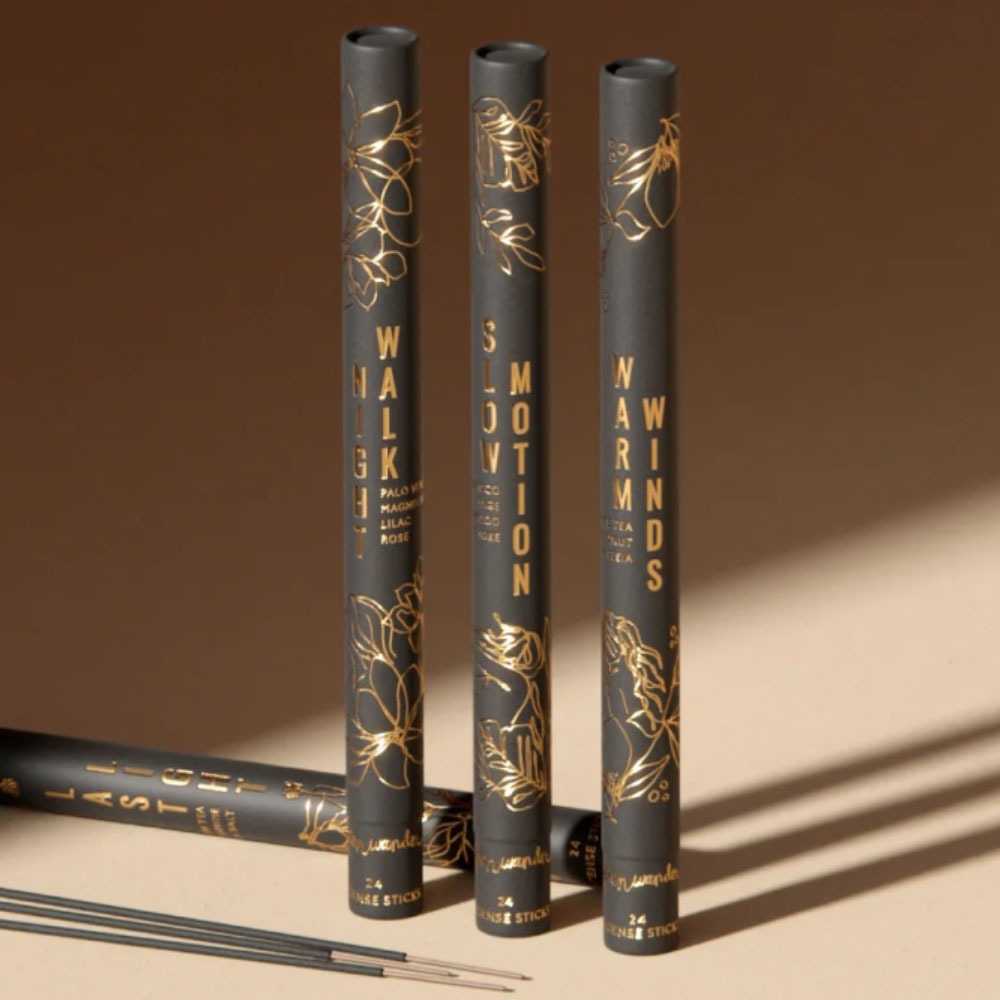
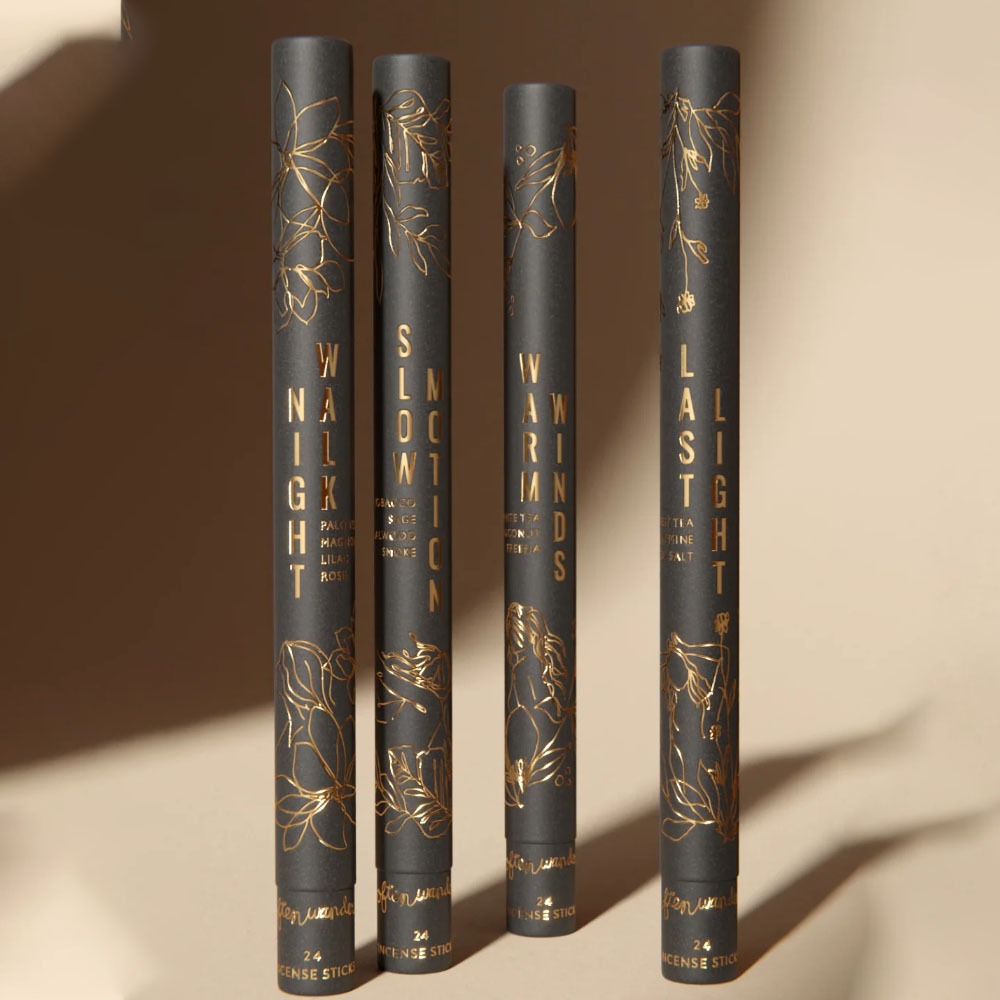
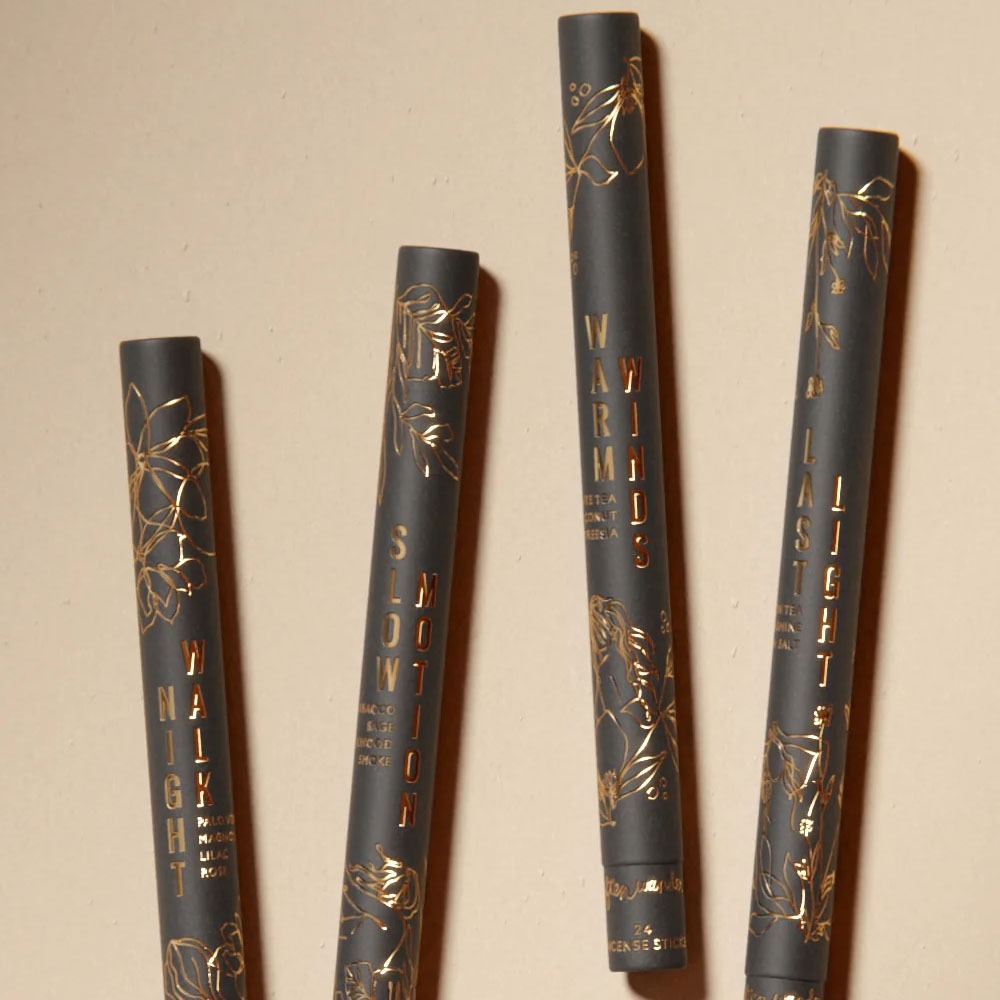
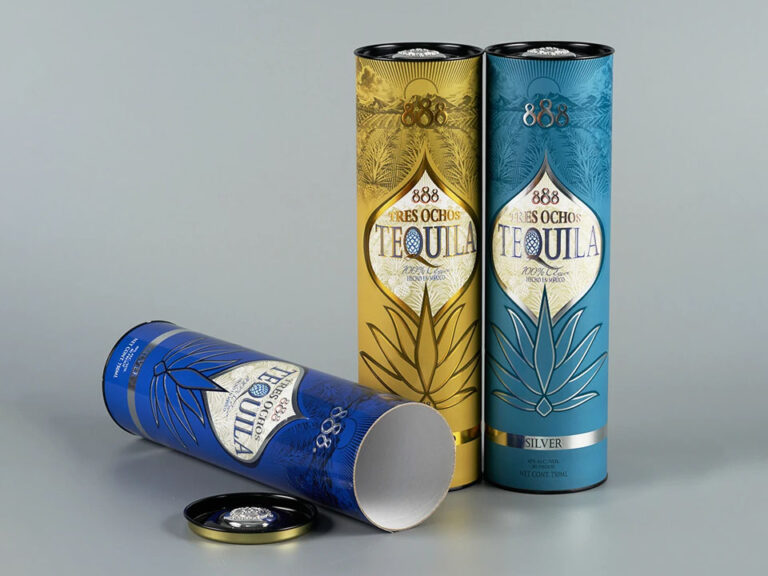
Paper tubes offer a large printable cylindrical surface, so brands frequently add matte film, gloss lamination, foil stamping, embossing, debossing, spot varnish and other decorative processes.
Some premium finishing can be justified. It may improve abrasion resistance, shelf appearance or brand differentiation. But adding every available finish is rarely a sustainability strategy.
A more disciplined specification might use:
strong graphic design rather than several decorative layers;
embossing for tactile differentiation;
limited foil rather than a fully metallized decorative surface;
a suitable varnish where protection is needed;
unlaminated kraft where the print and distribution environment permit it.
The goal is not to make sustainable packaging visually plain. It is to make every material layer earn its place in the design.
A minimalist kraft paper tube for cosmetic jar sets can also support reuse because the rigid lid-and-base format remains functional after the initial unboxing. Reuse potential is useful, but it should be treated as an additional benefit rather than an excuse to overbuild the tube.
How Should Buyers Assess Recycling in Different Markets?
“Recyclable” is not purely a material property. Collection, sorting, mill technology and regional regulations matter.
For EU-bound packaging, this is becoming commercially significant. The European Commission states that the Packaging and Packaging Waste Regulation began applying on 12 August 2026 and that packaging placed on the EU market must become recyclable under the regulatory framework by 2030.
A multinational brand should therefore avoid approving a paper tube on a generic global statement such as “100% recyclable” without understanding where the finished pack will actually be sold.
For an RFQ covering several destinations, ask suppliers to distinguish between:
material composition;
technical recyclability;
local collection acceptance;
recycling instructions;
regulatory or labeling claims.
These are related, but not identical.
Why More Paper Is Not Always the Better Specification
One conventional assumption deserves qualification: maximizing paper percentage is not automatically the same as minimizing environmental impact.
Imagine two designs.
Design A uses an extremely thick rigid wall, oversized lid, large shoulder section and multiple paper insert pieces so the brand can claim a nearly all-paper format.
Design B uses less board overall but retains a small removable non-paper component required for reliable protection.
Without an LCA or comparable assessment, it would be unjustified to declare Design A environmentally superior simply because its fiber percentage is higher.
Material reduction, damage prevention, freight, recycling compatibility, sourcing and functional life all matter.
A tube that fails compression testing and causes product damage is not a sustainable packaging solution.
What Drives the Cost of Sustainable Paper Tube Packaging?
The phrase “eco-friendly material” is too vague for accurate pricing.
Paper tube quotations normally change according to several linked variables.
Tube Dimensions and Wall Construction
Diameter, finished height and wall thickness directly affect material use. Custom dimensions may also affect tooling, winding setup, cutting and packing density.
Material Specification
Recycled board, certified paper, specialty wraps, barrier liners and molded-fiber components can carry different material and processing costs.
Printing and Finishes
CMYK or Pantone printing, metallic foil, specialty substrates, lamination, embossing and other processes add setup operations and cost.
Inserts and Closures
A basic paper lid is different from a fitted shoulder-neck structure, molded insert, wooden lid or engineered closure.
MOQ
Custom packaging contains fixed costs: artwork preparation, machine setup, dies or tooling, color control, sampling and production changeovers. Small orders distribute these costs across fewer units.
This is reflected in real packaging-sourcing discussions. A recent r/Packaging thread involved a buyer considering a $200 custom paper-tube sample and worrying about the cost of sampling three or four suppliers. The most useful advice in the discussion was to narrow the supplier list first and confirm exactly which materials, dimensions, printing and production process the custom sample represents.
That is sound procurement practice. A cheap sample that does not represent mass production has limited qualification value.
Freight and Packing Density
Cylindrical rigid packaging can consume more shipping cube than flat folding cartons. Buyers comparing two “sustainable” options should therefore consider:
A sustainability specification still needs conventional packaging quality control.
Before approving production, verify:
Dimensions and Fit
Check internal diameter, external diameter, tube height, lid overlap, closure fit and insert dimensions against production tolerances.
Compression and Handling
Evaluate the tube in its actual logistics environment. A retail gift tube shipped inside a master carton has different requirements from a container expected to function as primary shipping protection.
Artwork and Color
Approve color references, print registration, text legibility, barcode readability, foil position and surface finish.
Component Consistency
Confirm that the approved sample uses the same:
board construction;
outer wrap;
liner;
adhesive system;
closure;
insert;
print process;
surface treatment
specified for bulk production.
Sustainability Documentation
Depending on the claims being made, request applicable fiber certificates, recycled-content documentation, material declarations and recyclability test information.
Supplier sustainability claims should appear in controlled specifications and purchasing documents, not only in marketing presentations.
How to Evaluate a Paper Tube Supplier
A strong supplier should be able to explain trade-offs rather than simply agree to every requested feature.
Useful questions include:
What is the complete bill of materials?
Which components are paper and which are not?
What is the recycled-content percentage?
Can the required FSC claim be supplied through valid chain of custody?
Which barriers are necessary for the packed product?
Can a paper-based insert replace foam?
Has the finished structure been evaluated for recyclability?
Which tolerances will be controlled during production?
What tests will be performed before shipment?
Will mass production use the same construction as the approved sample?
What changes require customer approval?
How are non-conforming lots handled?
A supplier who can answer these questions with specifications, samples and test evidence is more useful than one offering the lowest initial tube price.
What Should Buyers Specify Before Requesting a Quote?
For a comparable RFQ, provide enough information for every supplier to quote the same packaging system.
Include:
product being packed;
whether the tube is primary or secondary packaging;
product dimensions and preferably physical samples or 3D data;
required internal diameter and height, if already known;
order quantity and annual forecast;
target markets;
preferred fiber or certification requirements;
recycled-content target, if applicable;
barrier requirements;
lid and base configuration;
insert requirements;
printing colors;
finishing processes;
artwork status;
required tests;
target delivery date;
shipping destination;
pallet or carton restrictions;
environmental claims the brand intends to make.
Do not begin with “quote your most eco-friendly tube.”
Begin with the product requirements, then ask the supplier to remove unnecessary material and complexity while preserving performance. That produces a more defensible sustainable-packaging decision.
Frequently Asked Questions
Are paper tubes recyclable?
Many predominantly paper-based tubes can be compatible with paper recycling, but recyclability depends on the complete construction and the available recycling system. Plastic films, foil liners, foam inserts, metal parts, coatings and closures can change the appropriate recycling route.
Is kraft paper tube packaging more sustainable than white paper tubes?
Not automatically. Brown kraft can use less decorative treatment in some designs, but color alone does not determine environmental performance. Fiber sourcing, recycled content, material weight, barriers, finishes, transport and recyclability matter more.
Can paper tubes be completely plastic-free?
Some applications can use all-paper or predominantly fiber-based structures. Products requiring strong moisture, oxygen, grease or chemical barriers may need additional materials. Buyers should specify performance requirements before requiring a plastic-free construction.
Does FSC certification mean a paper tube is recyclable?
No. FSC certification addresses responsible fiber sourcing and chain of custody. Recyclability depends on the finished packaging construction and the collection and recycling systems where the package is sold.
Are laminated paper tubes recyclable?
Some coated or laminated fiber packaging can be recyclable, while other structures may require specialized recycling. The answer depends on coating chemistry, quantity, separability and mill compatibility. Technical recyclability testing is preferable to assumptions based only on appearance.
What is the most recyclable insert for a paper tube?
Folded paperboard or molded-fiber inserts can simplify fiber-based packaging when they provide adequate product protection. Foam or EVA may still be justified for certain fragile products, but their use and removability should be evaluated separately.
What information is needed for a sustainable paper tube quotation?
At minimum, provide product dimensions, quantity, tube size, target markets, material or certification requirements, barrier needs, closure, insert, printing, finishes, testing expectations and delivery destination. Complete specifications produce much more meaningful supplier comparisons than requesting an “eco-friendly” tube alone.