Non vedete ancora la soluzione di imballaggio giusta? Parlate con il nostro capo.
Se avete consultato il nostro sito web o parlato con le vendite e non vedete ancora un percorso chiaro, inviate la vostra richiesta qui. Il vostro messaggio sarà inviato direttamente al nostro Direttore Generale per una revisione esecutiva della fattibilità, dei costi e dei tempi di realizzazione. Riceverete un chiaro passo successivo: cosa possiamo fare, cosa ci serve da voi e il percorso più veloce per ottenere un preventivo.
Richiedete offerta rapida per Imballaggi in tubo di carta personalizzati
Pensato per i responsabili degli imballaggi, degli approvvigionamenti e degli ingegneri dell'imballaggio. Specificate le dimensioni, la quantità e la finitura per ricevere indicazioni sul prezzo di vendita, sui tempi di consegna e sulle specifiche per i programmi USA/UE.
Personalizzazione pronta per il preventivo: diametro, altezza, spessore della parete, inserti, rivestimenti e chiusure
Imballaggi in cartone tubolare per polveri: una guida all’acquisto sostenibile
Le confezioni in tubo di carta per polveri possono sostituire parte della plastica rigida utilizzata nei contenitori tradizionali, offrendo al contempo ai marchi un’ampia superficie stampabile e un formato a bocca larga che risulta familiare. Tuttavia, il cilindro di cartoncino in sé costituisce solo una parte della confezione.
Per quanto riguarda le proteine in polvere, il collagene, il matcha, le miscele di caffè, i superfood, gli integratori in polvere, i prodotti botanici e le polveri cosmetiche, le domande fondamentali sono cosa entra in contatto con il prodotto, cosa regola l'umidità e l'ossigeno, come viene sigillata la confezione prima del primo utilizzo, come si richiude in seguito e se la struttura complessiva soddisfa i requisiti relativi alla durata di conservazione prevista e alle normative vigenti.
È proprio quello il punto di partenza ideale per avviare un progetto sostenibile di confezionamento della polvere.
Punti chiave
Inizia con la polvere requisiti relativi alle barriere, alla durata di conservazione, al contatto con gli alimenti e all'erogazione, non le illustrazioni esterne.
Un tubo di carta può fungere sia da imballaggio primario che da involucro secondario attorno a una busta sigillata; queste due applicazioni richiedono caratteristiche tecniche molto diverse.
Il foglio di alluminio può offrire utili proprietà barriera, ma dovrebbe essere scelto solo se i test o i requisiti del prodotto lo giustificano, non come scelta automatica.
La funzione di sigillatura antimanomissione al primo utilizzo e quella di richiudibilità per l'uso quotidiano sono funzioni distinte e potrebbero richiedere componenti diversi.
La fibra certificata FSC, il contenuto riciclato e la riciclabilità descrivono diversi aspetti della sostenibilità e non dovrebbero essere utilizzati in modo intercambiabile.
Approvare un campione destinato alla produzione utilizzando il rivestimento, la guarnizione, la chiusura, le dimensioni e il prodotto effettivi prima di aumentare il volume dell'ordine.
Qual è in realtà la funzione delle confezioni in tubi di carta per le polveri?
Un contenitore di polvere svolge normalmente cinque diverse funzioni:
Contenere il prodotto senza polvere né perdite.
Proteggere la formulazione dall'esposizione ambientale in questione.
Garantire la sicurezza delle superfici a contatto con il prodotto ove necessario.
Consente di aprire, prelevare, dosare e richiudere con facilità.
Riportare il marchio, le istruzioni, le informazioni normative e le indicazioni per lo smaltimento.
Il cartoncino strutturale garantisce rigidità, forma, capacità di impilamento e una superficie esterna stampabile. Tuttavia, non garantisce automaticamente le prestazioni in termini di resistenza all’umidità, all’ossigeno, agli aromi, al grasso o di tenuta richieste da ogni tipo di polvere.
Tale prestazione funzionale deriva normalmente dal rivestimento, membrana, struttura del fondo e sistema di chiusura.
Per prima cosa occorre stabilire: il tubo di carta è l'imballaggio primario o quello secondario?
Questa è la decisione iniziale più importante.
Opzione 1: la polvere entra direttamente a contatto con il rivestimento del tubo di carta
In questo caso, il tubo funge da contenitore principale.
Le specifiche potrebbero dover affrontare i seguenti aspetti:
conformità dei prodotti alle norme di contatto;
barriera contro l'umidità;
barriera all'ossigeno;
mantenimento dell'aroma;
integrità della tenuta;
sigillatura dal basso;
sigillo antimanomissione "first-open";
ripetuta riattivazione;
accesso esclusivo;
attrezzature di riempimento.
Il sistema dei materiali interni assume un’importanza fondamentale.
Le linee guida della FDA stabiliscono che le sostanze a contatto con gli alimenti comprendono i componenti degli imballaggi, nonché i rivestimenti, gli adesivi, i coloranti e altre sostanze applicate alle superfici degli imballaggi. Ove applicabile, le sostanze a contatto con gli alimenti devono essere autorizzate per l’uso previsto.
“L'espressione ”tubo di carta per uso alimentare” è quindi troppo generica per una richiesta di preventivo seria.
Chiedi invece:
Qual è esattamente il materiale che entra in contatto con la polvere e quale documentazione ne attesta le condizioni d’uso previste?
Opzione 2: la polvere rimane all’interno di una bustina sigillata
Il tubo di carta funge quindi principalmente da imballaggio secondario rigido.
Questa struttura può semplificare la realizzazione del tubo, poiché la sacca interna potrebbe già garantire la barriera necessaria contro l'umidità e l'ossigeno.
Il canale può concentrarsi su:
protezione contro la compressione;
branding;
informazioni sul prodotto;
presentazione a scaffale;
vaschetta o vano portaoggetti;
unboxing;
spedizione.
Inoltre, può facilitare la separazione dei materiali, poiché il componente ad alta barriera è fisicamente separato dalla struttura esterna a base di fibre.
L'architettura corretta dipende dal contenuto, dalla durata di conservazione, dallo smaltimento, dal costo e dalle esigenze di utilizzo da parte dei consumatori.
Come scegliere il rivestimento protettivo?
Scegliere il rivestimento in base al requisito effettivo in materia di barriere, e non in base a quale opzione sembri più esclusiva.
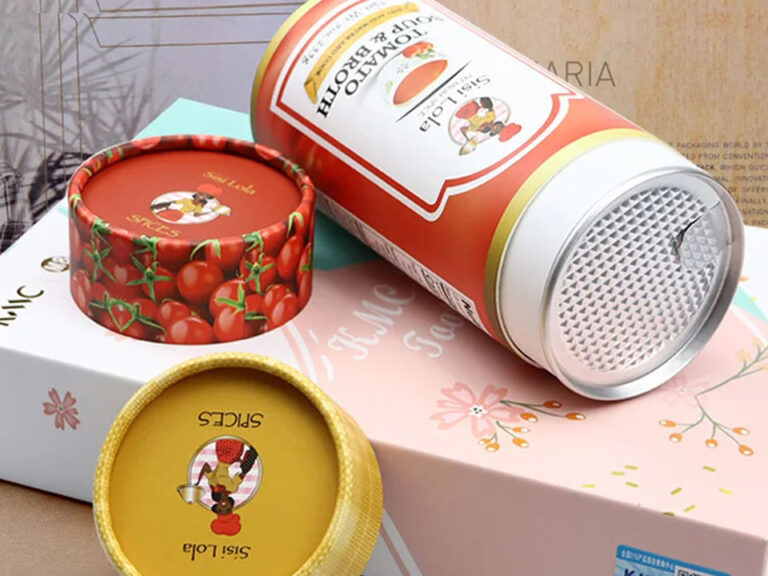
A tubo di carta rotondo con stampa personalizzata può essere realizzato con diverse strutture interne, tra cui superfici a base di carta, strutture in foglio di alluminio o pellicole in PE. Questa varietà spiega perché il semplice termine “tubo di carta” non sia sufficiente a definire la confezione dal punto di vista funzionale.
Rivestimento in carta semplice o patinata
Una superficie interna in carta, relativamente semplice, può risultare adeguata nei seguenti casi:
il prodotto è già contenuto in una bustina o in un barattolo;
la confezione è un imballaggio secondario;
i requisiti relativi alle barriere sono minimi;
la formulazione non è particolarmente sensibile alle condizioni di conservazione previste.
Il suo principale vantaggio è la minore complessità dei materiali.
Il suo limite è che non si deve presumere che la carta comune offra una protezione efficace contro l'umidità o l'ossigeno.
Carta rivestita con polimero o con pellicola
Uno strato polimerico può migliorare le prestazioni in termini di resistenza all'umidità o di contatto con il prodotto, a seconda della composizione chimica e della struttura.
Ciò può risultare opportuno nei casi in cui una polvere richieda una protezione maggiore di quella che può garantire una struttura in carta non rivestita, ma non sia necessaria una struttura in foglio ad alta barriera.
Per le applicazioni a contatto con gli alimenti, verificare la conformità normativa del materiale specifico e le condizioni d’uso, anziché fare affidamento su una generica dichiarazione di “idoneità al contatto con gli alimenti”.
Laminato in foglio di alluminio
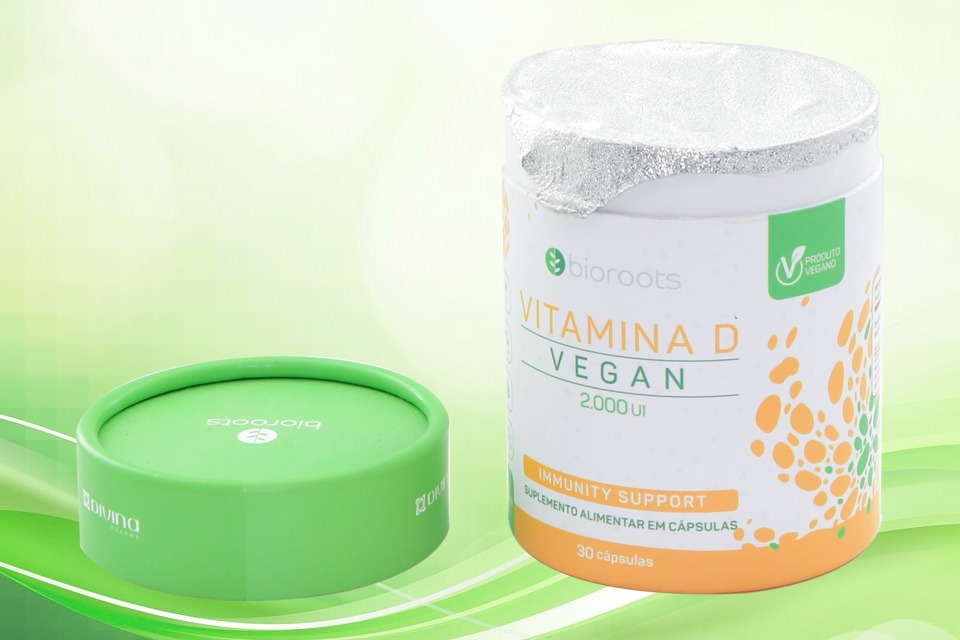
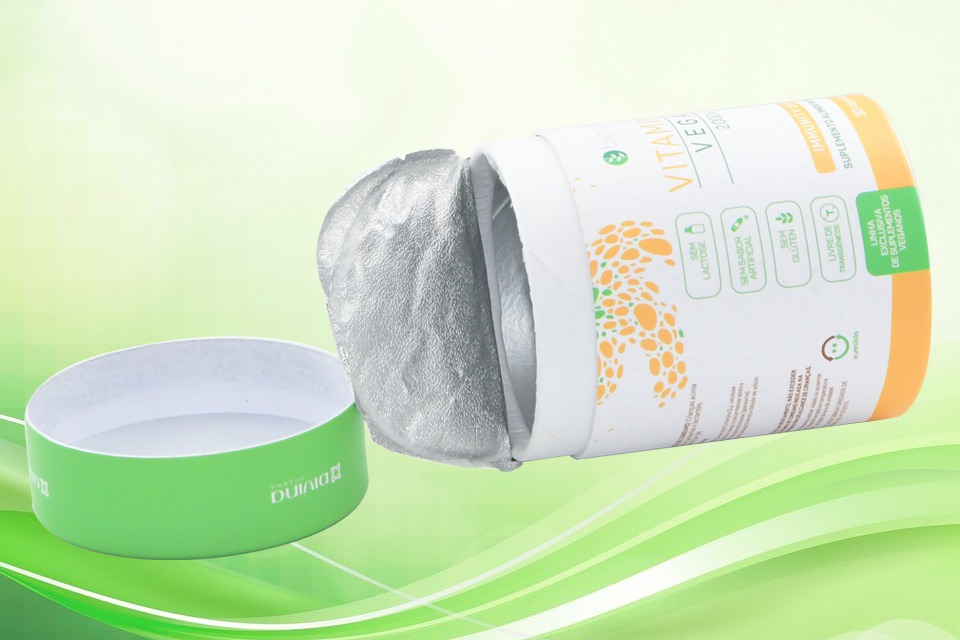
Un laminato contenente una lamina può garantire prestazioni di barriera alla luce, ai gas o all’umidità notevolmente superiori, se realizzato con una struttura opportunamente progettata.
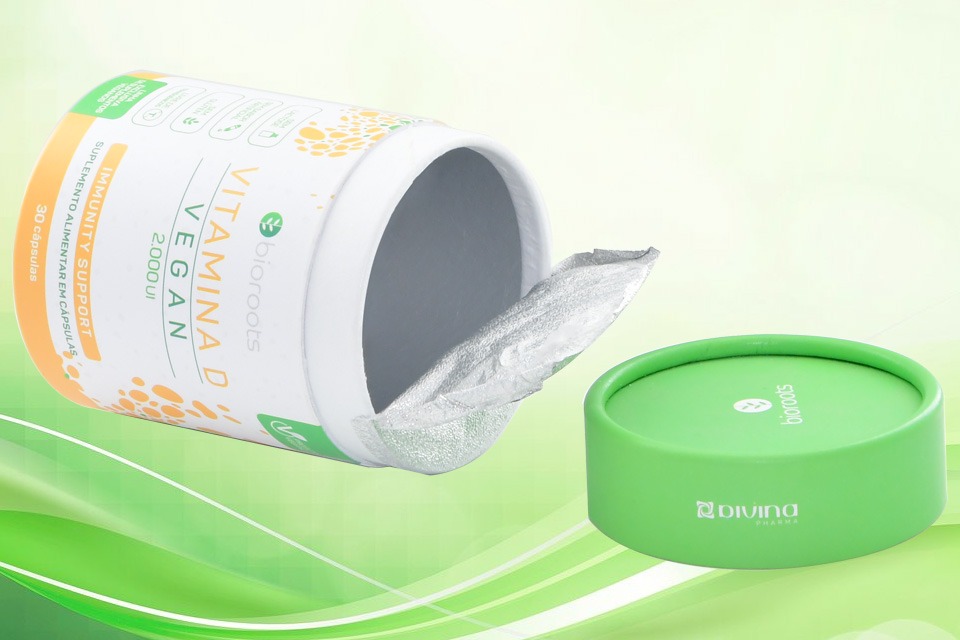
Un tubetto di tisana e polvere per il benessere illustra una famiglia di prodotti in cui sono disponibili opzioni con rivestimento a contatto con gli alimenti e con rivestimento in foglio di alluminio, a seconda del prodotto confezionato.
Ma il foil non dovrebbe essere la soluzione predefinita per ogni tipo di neve fresca.
È in grado di:
aumentare la complessità dei materiali;
influenzano i percorsi di riciclaggio;
modificare i requisiti di tenuta;
influisce sulla conversione e sull'assemblaggio;
aggiungere il costo.
La domanda corretta non è:
“Si può aggiungere della carta stagnola?”
È:
“Di quale barriera contro l’umidità, l’ossigeno, la luce o gli odori ha bisogno il prodotto per tutta la durata di conservazione prevista?”
Una volta definito tale requisito, i fornitori possono proporre una soluzione adeguata e il marchio può approvarla.
L'apertura del sigillo iniziale e la richiusa sono operazioni diverse
Il confezionamento delle polveri richiede spesso due fasi di chiusura.
Fase 1: proteggere il prodotto ancora sigillato
Una guarnizione a pelatura facile o di altro tipo può garantire:
prova evidente che la confezione non sia stata già aperta;
contenimento delle polveri;
un ulteriore ostacolo prima dell'apertura.
La membrana deve essere compatibile con il bordo e il processo di sigillatura utilizzati sul contenitore finale.
Fase 2: proteggere il prodotto dopo l'apertura
Una volta rimossa la pellicola, il consumatore può aprire e chiudere il prodotto decine di volte.
Il sistema di chiusura deve rimanere funzionale anche quando della polvere fine si deposita lungo il bordo.
Tra le opzioni più comuni figurano:
coperchi in carta o plastica con chiusura a frizione;
tappi per spine;
coperchi metallici;
chiusure filettate o specializzate.
La scelta del design giusto dipende dal tipo di polvere e dal comportamento dell'utente.
Un integratore proteico da assumere quotidianamente presenta requisiti di richiudibilità diversi rispetto a una polvere cosmetica utilizzata occasionalmente o a una polvere confezionata in bustine singole all’interno del contenitore.
Scegliere le dimensioni del tubo in base al peso del prodotto da riempire, al misurino e al processo di riempimento
Il diametro non è solo una scelta estetica.
Per le polveri, influisce su:
accesso esclusivo;
compatibilità con le linee di riempimento;
spazio libero nel prodotto;
ingombro dello scaffale;
volume di spedizione;
gestione dei consumatori;
area dell'etichetta.
Una polvere da 500 g, se dosata con un misurino capiente, potrebbe richiedere un diametro di apertura molto diverso rispetto a un ingrediente denso da 500 g che viene versato anziché prelevato con un misurino.
Non determinare le dimensioni basandosi esclusivamente sul peso nominale di riempimento
Chiedi al team di prodotto o al co-packer:
peso netto previsto;
densità apparente;
spazio libero necessario;
dimensioni del mestolo;
metodo di riempimento;
prevista sedimentazione del prodotto;
altezza massima di riempimento.
A quel punto, sviluppa il contenitore sulla base di quei dati.
Per gli integratori alimentari venduti negli Stati Uniti, sulla confezione deve essere previsto anche uno spazio dedicato alle informazioni obbligatorie. Le linee guida della FDA prevedono che sull’etichetta figurino elementi fondamentali quali la dichiarazione di identità, la quantità netta, le informazioni nutrizionali, gli ingredienti e i dati relativi all’azienda responsabile, specificando inoltre dove tali indicazioni devono essere riportate.
La superficie cilindrica offre ai designer un’ampia area a 360 gradi, ma il testo obbligatorio deve essere posizionato prima che gli elementi grafici decorativi occupino lo spazio disponibile.
Gli imballaggi sostenibili per la polvere dovrebbero utilizzare la carta kraft?
Kraft può essere utile materiale esterno e direzione artistica, ma non si tratta di una specifica completa in materia di sostenibilità.
A tubo di carta kraft personalizzato è possibile combinare un corpo cilindrico in fibra con diverse opzioni di rivestimento interno, fondo, coperchio e finitura. Questi componenti aggiuntivi determinano in larga misura la funzionalità del prodotto finito e il suo comportamento a fine vita.
Per quanto riguarda gli appalti, distinguete le seguenti domande:
Approvvigionamento della fibra
Hai bisogno di:
Carta certificata FSC?
contenuto riciclato?
fibra vergine?
una determinata qualità di carta?
La Catena di Custodia FSC verifica i materiali di origine forestale idonei man mano che questi transitano lungo la catena di approvvigionamento; si tratta di un meccanismo di approvvigionamento e tracciabilità, non di una certificazione di riciclabilità per l’imballaggio nel suo complesso.
Riciclabilità del pacchetto completo
Valutare anche:
rivestimenti protettivi;
laminati in foglio;
pellicole di plastica;
adesivi;
elementi metallici;
chiusure in plastica o metallo;
finestre;
etichette;
inserti.
Le attuali linee guida “Circularity by Design” di 4evergreen prendono in considerazione in modo specifico rivestimenti, adesivi, inchiostri e componenti integrati, poiché ciascuno di essi può influire sulla raccolta, sulla cernita o sul riciclaggio delle fibre.
Dichiarazioni di marketing ambientale
Si eviti di ritenere che l’aspetto della carta marrone giustifichi l’uso di termini generici quali “ecologico” o “Riciclabile 100%.”
La FTC raccomanda agli operatori del marketing di specificare le condizioni relative alle dichiarazioni di riciclabilità, ove opportuno, e di indicare con precisione la percentuale di contenuto riciclato nei casi in cui solo una parte del prodotto o della confezione contenga materiale riciclato.
Una dichiarazione specifica del tipo:
“Camicia realizzata con fibra riciclata X%”
è più informativo, se supportato da prove concrete, rispetto a una generica affermazione a favore dell’ambiente.
Quando è opportuno inserire una finestra sulla confezione di un prodotto in polvere?
Di solito solo quando ciò non compromette il pacchetto funzionale.
A tubo di carta con finestra di esposizione utilizza un’area trasparente fustellata come elemento di promozione. Questa soluzione può rivelarsi efficace per regali, candele, cosmetici, dolciumi o prodotti confezionati singolarmente.
Nel caso di una cipria in polvere libera sensibile all'umidità, tuttavia, praticare un'apertura nella parete del contenitore al solo scopo di esporre il prodotto è solitamente incompatibile con l'idea di mantenere una barriera protettiva continua.
Una finestra diventa più funzionale quando:
la polvere si trova all'interno di una bustina interna sigillata;
la vetrina espone un accessorio a sé stante;
Il tubetto è una confezione secondaria.
Questo è un ottimo esempio del motivo per cui le caratteristiche estetiche della confezione dovrebbero seguire l'architettura di protezione del prodotto, anziché determinarla.
La stampa di alta qualità dovrebbe rimanere al di fuori del livello funzionale
Il confezionamento delle polveri può comunque avere un aspetto di alta qualità senza complicare inutilmente la struttura a contatto con il prodotto.
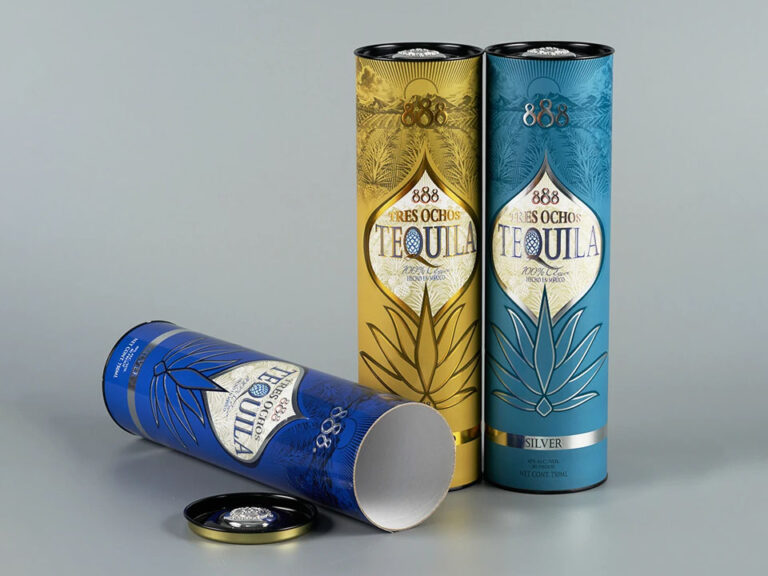
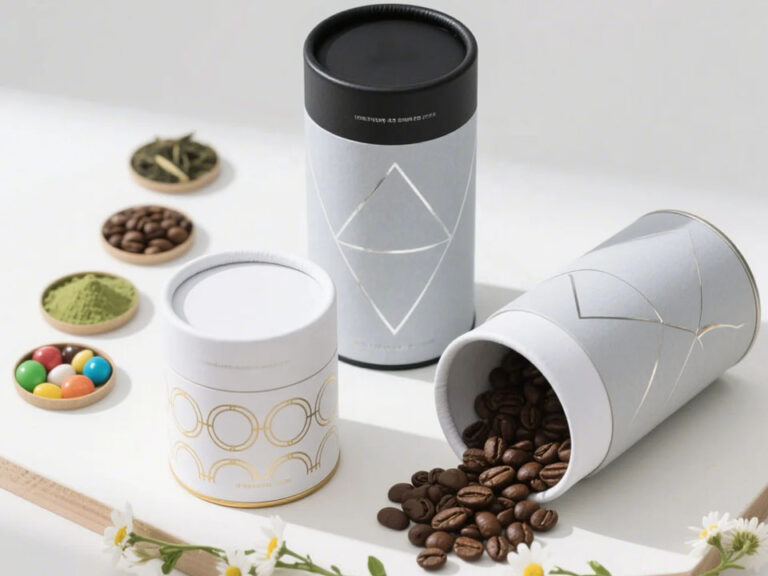
A tubo di carta nero con marchio in lamina d'oro dimostra come la carta opaca per l'esterno e la decorazione in lamina possano conferire un aspetto esterno di alta qualità, mentre le specifiche relative al rivestimento interno e alla chiusura rimangono scelte tecniche distinte.
Le opzioni per gli esterni possono includere:
stampa a colori;
Colori spot Pantone;
kraft naturale;
rivestimenti opachi;
stampa a caldo;
goffratura;
goffratura in rilievo;
verniciatura UV spot;
carte speciali.
Il principio fondamentale dell'approvvigionamento è separazione funzionale:
il nucleo strutturale garantisce la rigidità;
liner garantisce la compatibilità del prodotto e la barriera;
il sigillo provvede alla chiusura iniziale;
maniglie del coperchio per la richiusa;
Il rivestimento esterno è l'elemento che più di ogni altro contribuisce all'immagine del marchio.
Ciò rende più semplice documentare le decisioni tecniche e risolvere i problemi.
Non scegliere un contenitore troppo grande solo per dargli un aspetto più raffinato
I contenitori di grandi dimensioni possono conferire un valore percepito, ma il volume inutilizzato dell’imballaggio comporta anche un aumento del fabbisogno di materiale e delle spese di trasporto.
La questione sta assumendo un’importanza sempre maggiore per i programmi europei.
Il regolamento dell'UE sugli imballaggi e i rifiuti di imballaggio stabilisce che gli imballaggi debbano essere progettati in modo da ridurre al minimo il peso e il volume, pur mantenendo le funzioni necessarie e la riciclabilità. Il regolamento chiarisce inoltre che né il marketing né l'accettazione da parte dei consumatori, da soli, possono giustificare un aumento del peso o del volume degli imballaggi.
Nel settore del confezionamento di prodotti in polvere, il “right-sizing” implica trovare il giusto equilibrio tra:
volume di riempimento;
assestamento previsto;
accesso esclusivo;
geometria di chiusura;
spazio libero necessario;
Requisiti relativi alla linea di confezionamento.
Non limitarti ad allungare il tubo solo perché un contenitore più alto sembra più imponente nel rendering.
Confronto tra le opzioni di confezionamento delle polveri
Architettura del packaging
Ideale per
Vantaggio principale
Limitazione principale
Priorità dell'acquirente
Tubo di carta + bustina interna sigillata
Marchi che danno priorità alla raccolta differenziata dei materiali
Funzione di barriera separata dal tubo esterno
Due componenti dell'imballaggio
Dimensioni della busta barriera + tubetto
Tubo di carta + rivestimento in carta/patinata
Applicazioni a bassa barriera o secondarie
Sistema dei materiali più semplice
Barriera limitata a seconda del rivestimento
Verifica dei requisiti relativi alla durata di conservazione
Tubo di carta + rivestimento in polimero
Prodotti secchi sensibili all'umidità
Maggiore protezione funzionale
Struttura in materiali misti
Analisi relativa al contatto con gli alimenti e al riciclaggio
Tubo di carta + laminato in foglio di alluminio
Applicazioni con barriere più elevate
Elevato potenziale di barriera
Maggiore complessità dei materiali
Verifica e sigillatura delle barriere
Tubo decorativo + finestra
Prodotti confezionati/imballaggio secondario
Visibilità del prodotto
Non adatto come parete di contenimento a vista per polveri sfuse sensibili
Mantenere intatta la confezione primaria
Cosa dovrebbe contenere una richiesta di offerta per il confezionamento di prodotti in polvere?
Una richiesta di preventivo professionale dovrebbe fornire al fornitore informazioni sufficienti per progettare la confezione in modo mirato, anziché lasciare spazio a supposizioni.
Includere:
categoria "polveri";
alimentare, integratori, cosmetici o altre applicazioni;
contatto diretto o sacchetto interno sigillato;
peso netto previsto;
densità apparente della polvere;
durata di conservazione richiesta;
sensibilità all'umidità;
sensibilità all'ossigeno;
sensibilità agli odori;
sensibilità alla luce, ove pertinente;
diametro interno nominale;
altezza utile dell'obiettivo;
dimensioni del mestolo;
metodo fill;
prestazioni richieste della barriera;
preferenza di rivestimento, se già stabilita;
metodo di sigillatura "first-open";
requisito di ri-chiusura;
struttura inferiore;
carta per esterni;
stampa e finitura;
Requisiti relativi alla certificazione FSC o al contenuto riciclato;
mercati di destinazione;
requisiti normativi;
Quantità minima ordinabile per codice articolo;
volume annuo previsto;
requisiti relativi ai cartoni master;
test obbligatori.
Se i requisiti relativi alle barriere non sono ancora stati definiti, non inventarli.
Chiedi al team responsabile della formulazione, del controllo qualità, del confezionamento o della durata di conservazione di definire quali siano le effettive esigenze del prodotto.
Come si dovrebbero valutare i campioni?
Un campione visivo non è sufficiente per una confezione di polvere a contatto diretto.
In una recente discussione relativa all'approvvigionamento di tubi di carta, a un acquirente è stato proposto il codice $200 per un campione completamente personalizzato. Gli operatori del settore hanno consigliato di verificare se il campione avrebbe utilizzato lo stesso materiale, le stesse dimensioni, la stessa stampa e lo stesso processo di produzione previsti per la produzione finale.
Per il confezionamento di prodotti in polvere, estendere tale requisito.
Il campione dovrebbe essere rappresentativo di:
pannello strutturale destinato alla produzione;
rivestimento per la produzione;
superficie effettiva del cerchione/di tenuta;
membrana vera e propria;
chiusura prevista;
fondo previsto;
involucro stampato;
dimensioni reali del prodotto;
notizie esclusive, ove applicabile.
Allora controlla:
riempimento del prodotto;
applicazione della membrana;
fuoriuscita di polvere;
forza di apertura;
nuova chiusura;
rimozione dello scoop;
contaminazione del cerchio in seguito a un uso ripetuto;
leggibilità delle etichette;
graffi superficiali;
prestazioni di trasporto dei prodotti imballati.
Un rendering può confermare la correttezza della grafica, ma non può verificare le prestazioni delle barriere né la compatibilità delle guarnizioni.
Cosa dovrebbero chiedere gli acquirenti a un fornitore di tubi di carta?
Una conversazione costruttiva con un fornitore dovrebbe andare oltre il prezzo unitario.
Chiedi:
Quale componente è a contatto diretto con la polvere?
Quali documenti attestano l'idoneità di tale materiale all'uso previsto?
Quali alternative di rivestimento potete proporci?
In cosa consiste il progetto di costruzione della barriera?
Quali dispositivi di sigillatura sono compatibili con la membrana?
Come viene controllata l'integrità del fondo?
Quale tipo di chiusura viene utilizzata dopo la rimozione della membrana?
Il MOQ si riferisce al diametro, alla grafica, al rivestimento o all'ordine complessivo?
Quali componenti richiedono l'utilizzo di utensili?
Il campione approvato utilizzerà materiali di produzione?
Come vengono controllate le dimensioni e l’adattamento della chiusura?
Come vengono gestite le sostituzioni dei materiali negli ordini ricorrenti?
Potete fornire la documentazione FSC qualora fosse richiesta una certificazione FSC?
Quali ipotesi vengono formulate in merito al riciclaggio o alla separazione dei materiali?
L'obiettivo non è semplicemente quello di acquistare un rotolo di carta.
Si tratta di acquistare un sistema di imballaggio documentato che possa essere ripetuto in modo coerente.
Domande frequenti
I tubi di carta sono adatti per le proteine in polvere?
Sì, a condizione che l’imballaggio nel suo complesso sia progettato appositamente per il prodotto. L’imballaggio delle proteine in polvere può richiedere uno strato adeguato a contatto con gli alimenti, una barriera contro l’umidità o l’ossigeno, una sigillatura di prima apertura, una chiusura richiudibile, un accesso adeguato al misurino e una resistenza strutturale sufficiente. Il corpo in cartoncino da solo non garantisce tutte queste funzioni.
I tubi di carta per polvere devono essere rivestiti con un foglio di alluminio?
Non necessariamente. Un rivestimento contenente un foglio di alluminio può rivelarsi utile quando è richiesta una protezione più efficace contro l’umidità, l’ossigeno, gli aromi o la luce, ma la struttura corretta deve rispettare i requisiti del prodotto e della durata di conservazione. Per alcuni prodotti può essere sufficiente un rivestimento meno complesso, in particolare quando la polvere è già sigillata in una bustina separata.
Cosa significa “tubo di carta per uso alimentare”?
La frase di per sé non è sufficientemente specifica ai fini degli appalti. Gli acquirenti devono identificare i materiali effettivamente a contatto con gli alimenti — compresi rivestimenti interni, rivestimenti esterni, adesivi, guarnizioni e chiusure — e verificare che siano idonei al tipo di alimento previsto e alle condizioni d’uso. La FDA considera i componenti degli imballaggi e le sostanze applicate come sostanze a contatto con gli alimenti, ove applicabile.
I tubi di carta sono più sostenibili dei contenitori di plastica?
Dipende dal sistema nel suo complesso. I tubi di carta possono sostituire parte della plastica rigida con materiale a base di fibre, ma anche i rivestimenti interni, le guarnizioni, le chiusure, i rivestimenti esterni, il peso della confezione, la riciclabilità, la provenienza delle fibre e la protezione del prodotto influiscono sul risultato. È opportuno confrontare le strutture nel loro complesso, anziché valutare la sostenibilità basandosi esclusivamente sul materiale esterno.
I tubetti di carta per la polvere possono essere riciclati?
Alcuni modelli potrebbero essere compatibili con i sistemi di riciclaggio della carta, mentre le barriere composite e i componenti aggiuntivi possono modificare il percorso di riciclaggio appropriato. Valutare la struttura completa del prodotto — compresi rivestimenti, rivestimento interno, fondo, sigillatura e chiusura — alla luce delle infrastrutture di riciclaggio e delle linee guida applicabili al mercato di destinazione.
Quali informazioni devo fornire a un fornitore prima di richiedere un preventivo?
Indicare le modalità di applicazione della polvere, il metodo di contatto, il peso netto, la densità apparente, i requisiti di conservabilità, le esigenze in termini di barriera, le dimensioni del misurino, le dimensioni del tubetto, il rivestimento interno, le preferenze relative alla sigillatura e alla chiusura, la grafica, il mercato di destinazione, la quantità per SKU e le certificazioni richieste. Una richiesta di preventivo più completa consente di ottenere preventivi molto più facili da confrontare.