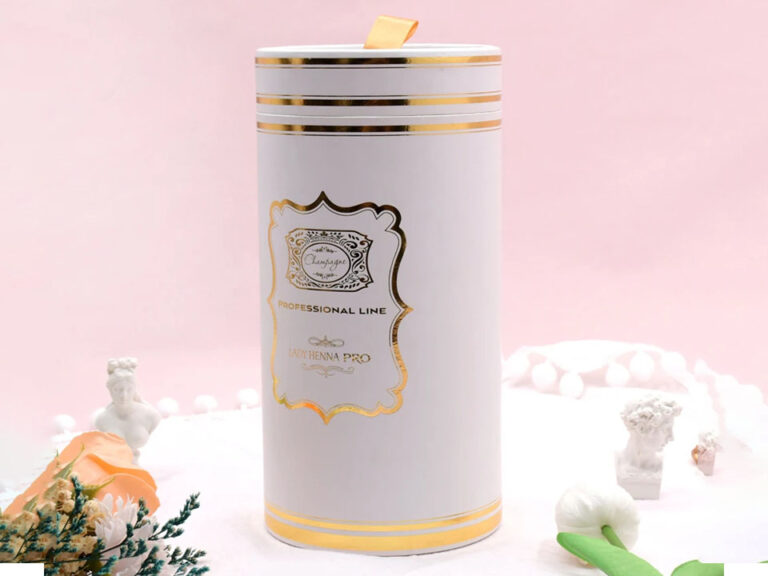
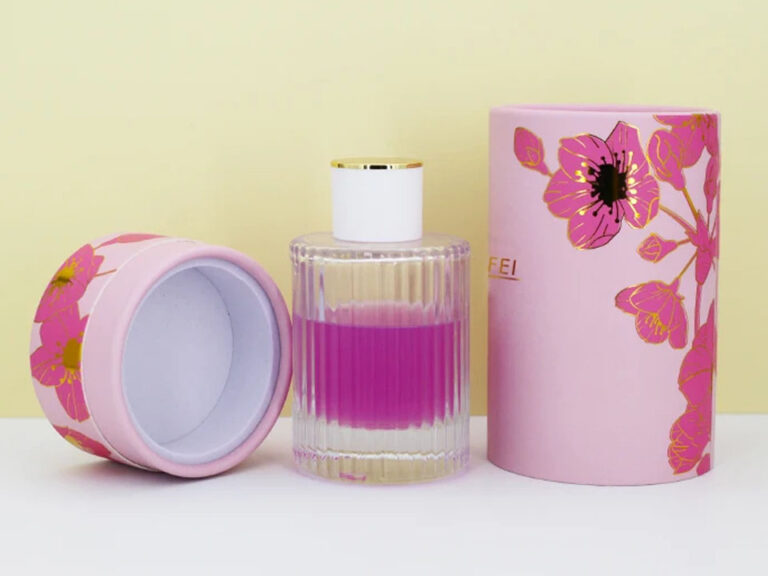
Non vedete ancora la soluzione di imballaggio giusta? Parlate con il nostro capo.
Se avete consultato il nostro sito web o parlato con le vendite e non vedete ancora un percorso chiaro, inviate la vostra richiesta qui. Il vostro messaggio sarà inviato direttamente al nostro Direttore Generale per una revisione esecutiva della fattibilità, dei costi e dei tempi di realizzazione. Riceverete un chiaro passo successivo: cosa possiamo fare, cosa ci serve da voi e il percorso più veloce per ottenere un preventivo.
Revisione diretta da parte del GM delle vostre specifiche, del caso d'uso e dei vincoli
Controllo delle dimensioni e della struttura: diametro, altezza, resistenza delle pareti, inserti.
Raccomandazioni per la stampa e la finitura in base al marchio e al budget
Alternative di riduzione dei costi e opzioni di miglioramento dei tempi di consegna
Chiarezza sul percorso del preventivo: MOQ, piano di campionamento e cosa fare dopo
Parlare con il nostro capo
Richiedete offerta rapida per Imballaggi in tubo di carta personalizzati
Pensato per i responsabili degli imballaggi, degli approvvigionamenti e degli ingegneri dell'imballaggio. Specificate le dimensioni, la quantità e la finitura per ricevere indicazioni sul prezzo di vendita, sui tempi di consegna e sulle specifiche per i programmi USA/UE.
Personalizzazione pronta per il preventivo: diametro, altezza, spessore della parete, inserti, rivestimenti e chiusure
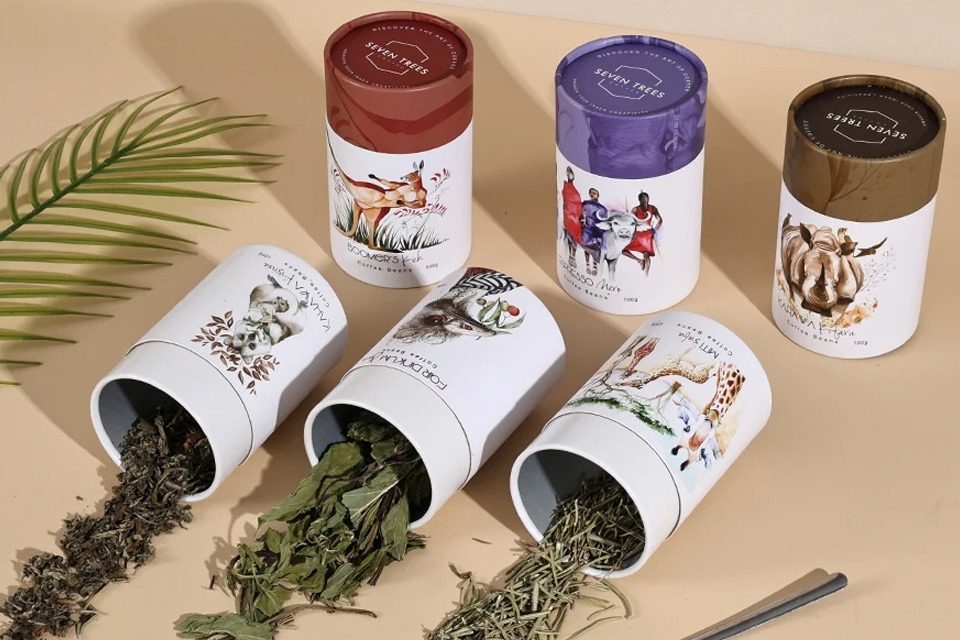
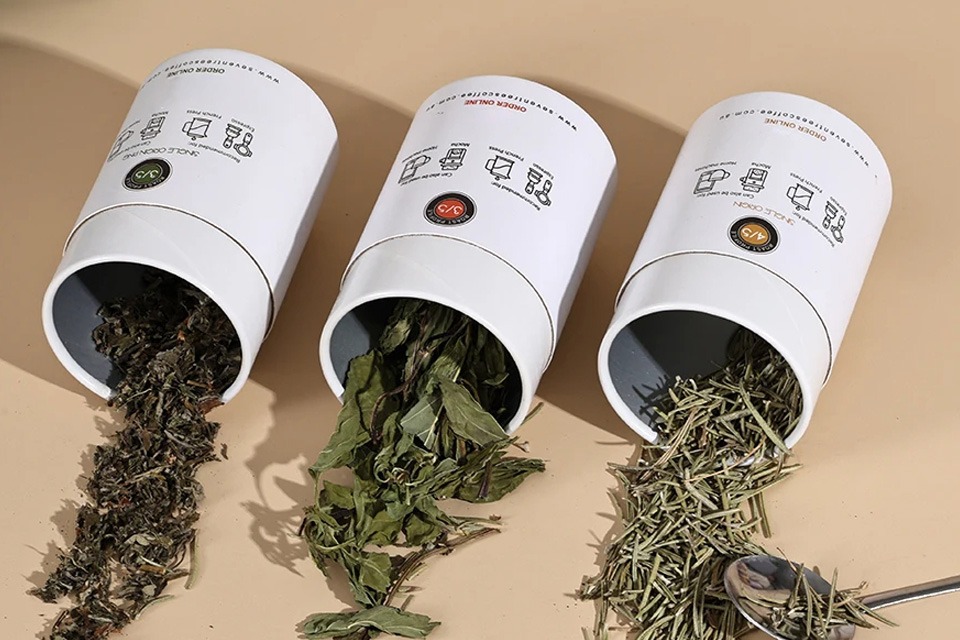
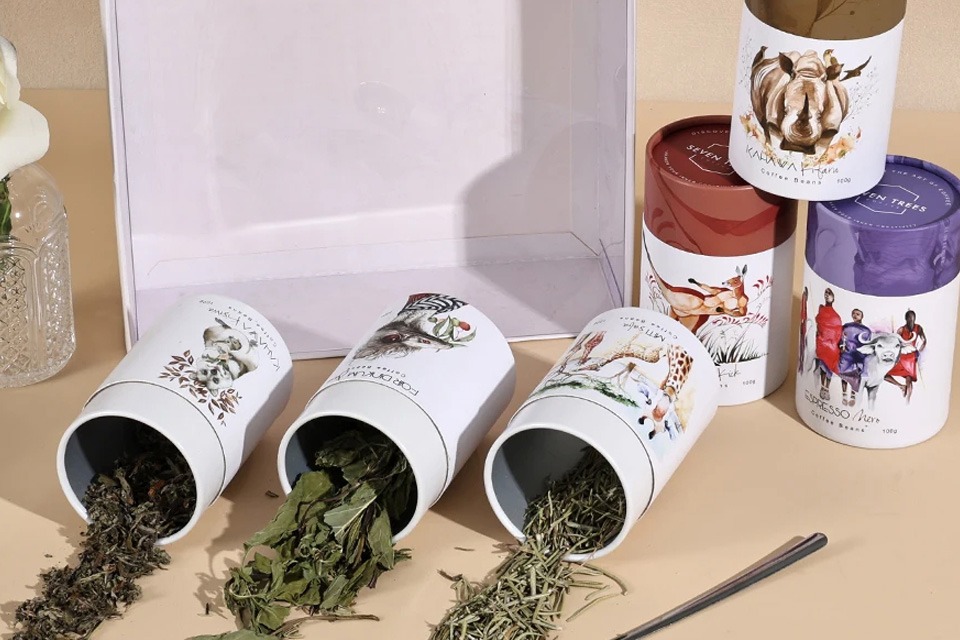
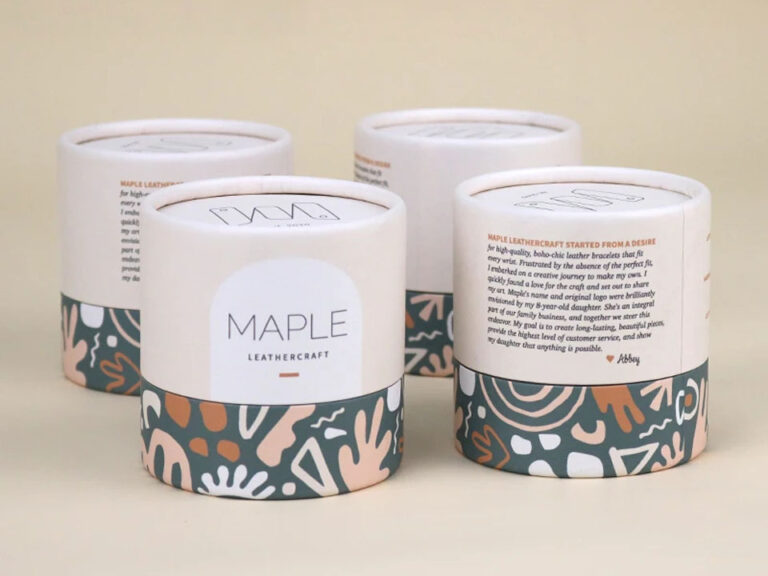
La rivoluzione esperienziale del design degli imballaggi in tubo di carta: l'evoluzione da contenitori ecologici a supporti emozionali
Indice dei contenuti
Gli imballaggi in tubo di carta erano un tempo un contenitore “migliore per il pianeta”. Questa storia è ancora importante. Tuttavia, gli acquirenti non si fermano più alle dichiarazioni ecologiche. Vogliono che la confezione vendere, spiegare, proteggere, e sentire come il marchio.
Per questo motivo i tubi di carta si stanno trasformando da “scatola che contiene un prodotto” a media emozionali. Il tubo diventa un mini palcoscenico: la presa, la scivolata, lo schiocco, la rivelazione, il riutilizzo. Se fatto bene, aumenta la presa sugli scaffali, migliora il contenuto dell'unboxing e riduce le recensioni “sembra scadente”.
Se vi approvvigionate su scala, avete bisogno di un produttore in grado di rispettare tolleranze strette e di gestire i volumi senza problemi. Il vostro sito vi posiziona come Top Custom scatole di carta tubo Fornitore, sostenendo OEM/ODM, ordini all'ingrosso e venditori transfrontalieri con un moderno laboratorio di purificazione degli imballaggi alimentari, un grande magazzino e un'elevata produzione giornaliera. Questo è il tipo di informazioni che i team di approvvigionamento desiderano sentire prima di firmare.
Tabella di evidenza per la progettazione dell'esperienza di imballaggio in tubo di carta
Avete chiesto un supporto professionale, quindi ecco una tabella di prove che potete riutilizzare nei documenti di vendita. Evita i link esterni e mantiene chiare le fonti.
Richiesta di esperienza (cosa si può dire)
Significato pratico per i tubi di carta
Valore commerciale (perché ai clienti interessa)
Fonte delle prove (senza link esterni)
La carta/cartone è spesso sinonimo di “naturale” e “affidabile”.”
La scelta dei materiali può aumentare la qualità percepita quando la finitura è all'altezza della storia
Conversione più elevata, meno barriere di fiducia per il benessere e l'alimentazione
Ricerca peer-reviewed sulla percezione dei consumatori degli imballaggi alimentari in carta (rivista MDPI)
Il packaging multisensoriale influenza l'attenzione e il valore percepito
Tocco + rituale di apertura + suono possono diventare parte della memoria del marchio
Migliore richiamo, maggiore “sensazione di qualità”, più azioni
Raccolta peer-reviewed sull'esperienza multisensoriale del packaging (volume Elsevier/ScienceDirect)
Le confezioni a base di carta possono necessitare di aggiornamenti della barriera per l'aroma e l'umidità.
Utilizzare rivestimenti, rivestimenti e una migliore progettazione delle chiusure per i prodotti sensibili.
Meno reclami, meno rischio di perdite, più categorie di prodotti idonei
Revisioni scientifiche su barriere per imballaggi alimentari a base di carta (articoli di revisione Elsevier/ScienceDirect)
Il packaging creativo può stimolare la curiosità e un coinvolgimento più profondo
I trucchi strutturali fanno sì che i clienti rallentino e interagiscano
Maggiore ritiro a scaffale, maggiore tempo di osservazione dell'unboxing
Studio sottoposto a revisione paritaria sulla creatività del packaging e la curiosità dei consumatori (Journal of Business Research)
Il design dei simboli culturali influenza l'esperienza → il valore percepito → l'intenzione di acquisto
Le indicazioni culturali funzionano meglio quando sono inserite in una struttura e in un rituale.
Migliori prestazioni di gifting, identità locale più forte
Studio peer-reviewed che utilizza il modello SOR sulla progettazione di metafore di simboli culturali (PLOS ONE)
Il QR/AR trasforma il packaging in un touchpoint digitale
Scan-to-learn, autenticità, onboarding, storia del marchio
Meno ritorni, migliore istruzione, maggiore fiducia
Ricerca peer-reviewed e letteratura di settore sull'interazione tra imballaggio AR/QR
Imballaggio in tubo di carta ed esperienza del consumatore
I tubi di carta presentano due vantaggi sleali:
Contrasto di forma: i cilindri spiccano in una parete di rettangoli.
Mano-mente: le persone naturalmente li prendono, li ruotano e provano il coperchio.
Questo comportamento è importante per la vendita al dettaglio e per il D2C. Nella vendita al dettaglio, aumenta il ritiro e il time-on-shelf. Nel D2C, migliora il momento dell'unboxing in contenuti.
Dal punto di vista dell'acquirente, i punti dolenti sono prevedibili:
“È possibile mantenere l'adattamento dei coperchi coerente tra i vari lotti?”.”
“La stampa si graffierà durante la spedizione?”.”
“Supererà la conformità per le categorie regolamentate?”.”
“Siete in grado di gestire le produzioni OEM/ODM e in serie senza il caos dei tempi di consegna?”.”
È qui che un produttore unico è d'aiuto. Riduce i passaggi di consegne, riduce le rilavorazioni ed evita che il progetto si trasformi in una catena di responsabilità.
Imballaggio multisensoriale ed esperienza di unboxing
Un tubo di carta è fondamentalmente un dispositivo multisensoriale. I clienti lo vedono, lo afferrano, lo girano, lo fanno scorrere e lo sentono aprire. Questa sequenza determina l'impressione che hanno del prodotto all'interno, ancor prima di provarlo.
Esperienza di unboxing e valore percepito
Se il cliente vende articoli di alta qualità, il tubo deve essere “stretto” in senso positivo: attrito controllato, bordi puliti, nessun rumore. Non si tratta di sottigliezze. È ingegneria del valore percepito.
Idee di unboxing basate su scene che funzionano in ordini reali:
Esterno: tranquillo, branding minimo.
All'interno: colore deciso o stampa di una storia.
Inserto: il prodotto è centrato, non rimbalza.
Chiusura: scorrevole, tenuta soddisfacente.
Per i marchi di bellezza, questo stile si adatta bene: tubi di cartone cosmetici personalizzati. Supporta una rivelazione premium senza bisogno di parti complicate.
Narrazione tattile di materiali ecologici
La sostenibilità non è solo un'affermazione. È una sensazione. I tubi di carta vi permettono di trasformare la storia dell'ecologia in qualcosa che i clienti possono toccare.
Il trucco consiste nel progettare l'esperienza materiale in modo mirato:
Usare la texture della fibra quando si vuole “naturale”.”
Usate la plastificazione soft-touch o opaca quando volete il “lusso”.”
Utilizzate il rilievo/rilievo per il riconoscimento con la punta delle dita.
Controlla la resistenza ai graffi, in modo che la confezione arrivi come nuova.
La carta/cartone è associata a fiducia e naturalezza.
La carta è spesso considerata “più pulita, più sicura, più vicina alla natura” nella mente dei consumatori, soprattutto nel settore alimentare e del benessere. Questo vi dà un vantaggio. Tuttavia, è ancora necessario abbinare l'aspetto alla promessa.
Esempi di buoni abbinamenti
Oli essenziali: carta calma, opaca e tattile.
Supplementi: grafica pulita, nessun modello rumoroso.
Tè biologico: spunti kraft, chiusura ermetica, segnale di freschezza.
Alcuni prodotti hanno bisogno di qualcosa di più di una bella superficie. Hanno bisogno di prestazioni barriera. La carta da sola può avere problemi con l'umidità, l'ossigeno e gli aromi. È qui che la scelta della struttura fa la sua parte.
Scelte che anticipano le barriere e che mantengono la storia della carta
Rivestimenti interni per prodotti sensibili all'aroma
Migliore chiusura per ridurre le microfratture
Rivestimenti che bilanciano gli obiettivi di protezione e riciclabilità
Progettazione di packaging interattivo e gamification
Se volete una maggiore condivisione sui social e una maggiore fidelizzazione, date ai clienti qualcosa da fare. La struttura interattiva è il modo più semplice per creare un “momento” senza aggiungere elettronica.
Creatività nel design del packaging e curiosità del cliente
La curiosità è ormai un parametro di performance. Un design che sembra intelligente fa sì che le persone rallentino, guardino più a lungo e ricordino di più.
Mosse strutturali a basso rischio che scalano
Maniche con apertura a strappo
Rivelazione della finestra per scoprire il colore o la struttura
Stampa a strati: fuori minimal, dentro la storia
Richieste di riutilizzo: “tenere questa provetta come deposito”.”
Simboli culturali tradizionali ed esperienza del cliente
Il design culturale funziona meglio quando ha un significato, non una decorazione. I marchi lo usano per i festival, i prodotti turistici, le collaborazioni regionali e i regali di qualità.
Design della metafora e valore percepito
I tubi culturali più forti non si limitano a stampare un modello. Costruiscono un rituale:
La direzione di apertura segue una logica di “cerimonia”.
La stampa interna rivela una breve storia al momento giusto.
Gli spunti per le texture fanno riferimento all'artigianato locale, non a icone generiche.
Realtà aumentata nella confezione del prodotto con codice QR
Imballaggio intelligente non significa necessariamente sensori. Un codice QR può già trasformare il tubetto in un touchpoint digitale.
Utilizzate flussi di scansione che risolvano problemi reali:
Video di istruzioni per l'uso (riduce l'uso improprio e i resi)
Controlli di autenticità (riduce l'ansia da contraffazione)
Storia di un ingrediente o di un materiale (crea rapidamente fiducia)
Guide all'installazione (ideali per i dispositivi elettronici)
Imballaggio intelligente e gemello digitale
Se vendete prodotti complessi, i clienti spesso vi giudicano in base alla rapidità con cui comprendono il prodotto. Un flusso in stile “gemello digitale” può aiutare: scansionare → imparare → verificare → condividere.
Per gli articoli regolamentati o sensibili, l'abbinamento di un tubo forte con l'educazione digitale è un gioco pulito. Esempio di categoria: Scatole per tubi di carta per cartucce CBD.
Progettazione di esperienze sostenibili a ciclo chiuso
Il ciclo chiuso non ha bisogno di grandi discorsi. Ha bisogno di piccole scelte che rendano naturale il riutilizzo.
Mosse a circuito chiuso che i clienti fanno davvero
Il tubo deve essere sufficientemente resistente da
Aggiungere suggerimenti interni per il riutilizzo (magazzino, scrivania, viaggio)
Mantenere i materiali semplici, in modo che il riciclaggio rimanga semplice
Evitate i “Frankenpack” di materiali misti, a meno che la barriera non sia realmente necessaria.
Quando il tubo diventa magazzino, si guadagna “esposizione al marchio” ogni volta che il cliente lo rivede. È un marketing silenzioso. Non sembra una pubblicità. Sembra un'utilità.
Confezioni conformi e opzioni a prova di bambino
Alcune categorie richiedono la conformità, non solo l'estetica. La struttura a prova di bambino, la prova di manomissione e l'etichettatura chiara possono decidere se un rivenditore accetta il prodotto.
Se vendete articoli legati alla cannabis, non modificate la conformità alla fine. Iniziate con una struttura tubolare conforme, poi sovrapponete il branding. Questa è una corrispondenza diretta: Imballaggio in tubo di carta resistente ai bambini.
Lista di controllo delle specifiche di imballaggio per la produzione di massa OEM/ODM
Un grande concetto può comunque fallire se la produzione di massa va alla deriva. Ecco una pratica lista di controllo da utilizzare con gli acquirenti di prodotti sfusi, i grossisti e i proprietari di marchi:
Tolleranza di adattamento: Tenuta del coperchio, controllo delle oscillazioni, ripetibilità
Durata della superficie: antiscottatura, resistenza allo sfregamento, usura da spedizione
Controllo della stampa: aspettative di colore, allineamento, posizionamento delle cuciture
Inserire la strategia: antirombo, presentazione centrata, protezione
Esigenze di barriera: sensibilità all'aroma/all'umidità, piano di rivestimento
Conformità: a prova di bambino, a prova di manomissione, marcature obbligatorie
SKU in scala: piano di kitting, gestione delle variazioni, punti di controllo del CQ
Questa lista di controllo parla direttamente ai punti dolenti degli acquirenti. Inoltre, vi posiziona come produttore che comprende la realtà della progettazione e della produzione.