Non vedete ancora la soluzione di imballaggio giusta? Parlate con il nostro capo.
Se avete consultato il nostro sito web o parlato con le vendite e non vedete ancora un percorso chiaro, inviate la vostra richiesta qui. Il vostro messaggio sarà inviato direttamente al nostro Direttore Generale per una revisione esecutiva della fattibilità, dei costi e dei tempi di realizzazione. Riceverete un chiaro passo successivo: cosa possiamo fare, cosa ci serve da voi e il percorso più veloce per ottenere un preventivo.
Revisione diretta da parte del GM delle vostre specifiche, del caso d'uso e dei vincoli
Controllo delle dimensioni e della struttura: diametro, altezza, resistenza delle pareti, inserti.
Raccomandazioni per la stampa e la finitura in base al marchio e al budget
Alternative di riduzione dei costi e opzioni di miglioramento dei tempi di consegna
Chiarezza sul percorso del preventivo: MOQ, piano di campionamento e cosa fare dopo
Parlare con il nostro capo
Richiedete offerta rapida per Imballaggi in tubo di carta personalizzati
Pensato per i responsabili degli imballaggi, degli approvvigionamenti e degli ingegneri dell'imballaggio. Specificate le dimensioni, la quantità e la finitura per ricevere indicazioni sul prezzo di vendita, sui tempi di consegna e sulle specifiche per i programmi USA/UE.
Personalizzazione pronta per il preventivo: diametro, altezza, spessore della parete, inserti, rivestimenti e chiusure
La scienza del packaging per la cura della pelle: Autenticità e sostenibilità
Indice dei contenuti
Il packaging dei prodotti per la cura della pelle non è solo un bell'involucro. È parte del prodotto. Protegge la vostra formula, modella l'esperienza dell'utente e segnala se il vostro marchio è affidabile o meno. Se vendete tramite DTC, marketplace o vendita al dettaglio, il packaging decide anche le cose che nessuno posta su Instagram: danni da trasporto, reclami per perdite, caos di rietichettatura e rischio di contraffazione.
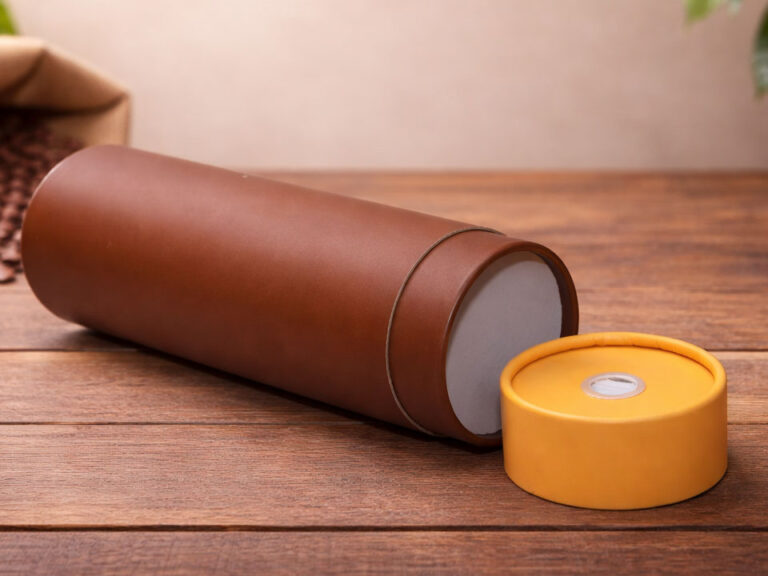
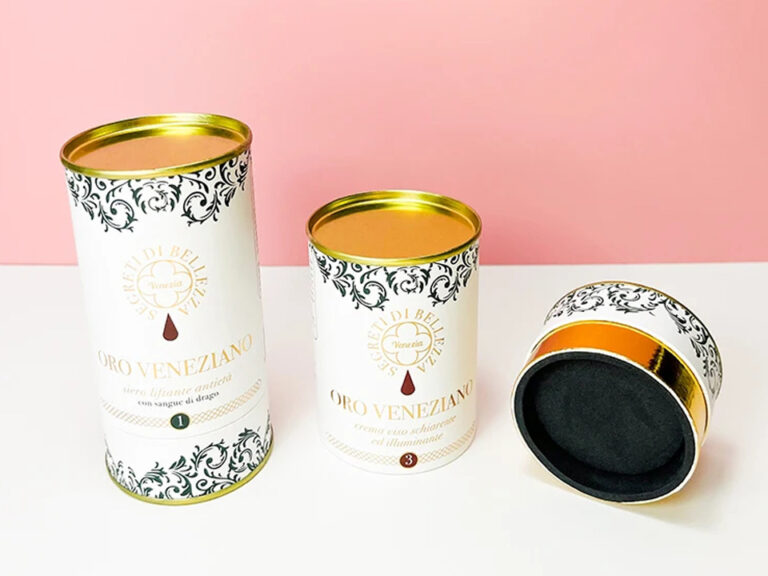
A Scatole di cartone personalizzate, costruiamo imballaggio in tubo di carta personalizzato per i marchi e gli acquirenti all'ingrosso che hanno bisogno di OEM/ODM, ordini in blocco e produzione stabile su scala. Se volete vedere l'intera gamma, iniziate dalla sezione Scatole di carta personalizzate homepage o sfogliare il sito catalogo prodotti.
Qui di seguito, ci atteniamo alla pratica. Gli stessi tre pilastri, ma meno teoria e più “cosa devo fare per far sopravvivere il mio prodotto alla vita reale?”.”
Elementi chiave da citare nelle specifiche del packaging e nella storia del marchio
Punto di riferimento supportato da prove
Cosa significa nel mondo reale
Fonte
Dematerializzazione (utilizzando meno materiale) e contenuto riciclato spesso consentono di ottenere forti guadagni in termini di sostenibilità
Iniziare a rimuovere il materiale e a semplificare la struttura prima di inseguire i materiali di tendenza.
2024 Studio LCA su iniziative di packaging cosmetico (peer-reviewed)
Passare a 100% materiali riciclati può ridurre l'impatto complessivo 42-60% negli scenari studiati
I materiali PCR e riciclati possono supportare dichiarazioni di sostenibilità misurabili (a seconda dello scenario)
Stesso studio LCA 2024 (i risultati dello scenario variano)
UE PPWR (Regolamento (UE) 2025/40) è in vigore e si muove verso un'ampia applicazione da Agosto 2026
Se vendete nell'UE (o avete in programma di farlo), la “riciclabilità per progettazione” diventa un'aspettativa di base.
Cronologia del regolamento PPWR dell'UE
Il commercio di prodotti contraffatti crea rischi per la sicurezza dei consumatori, compresi i cosmetici
Le funzioni di autenticazione non sono una decorazione. Sono un controllo del rischio.
Rapporto dell'OCSE sul commercio di prodotti contraffatti
I contraffattori spesso spostano le parti separatamente (imballaggio/etichette/prodotto) e le assemblano a livello locale.
L'imballaggio esterno diventa un punto di controllo in prima linea
Analisi del settore che riassume i risultati dell'OCSE
Collegamento digitale GS1 supporta flussi di lavoro di verifica strutturati basati su QR
Un unico QR può servire per l'uso di DTC, per i controlli al dettaglio e per i flussi di lavoro dei distributori.
Guida GS1 Digital Link
L'imballaggio influisce sull'efficacia del prodotto e sull'esperienza del consumatore
I clienti non “testano” la stabilità in laboratorio. La testano nei bagni, nei sacchetti e nelle scatole di consegna. L'imballaggio controlla la quantità di punizioni subite dalla formula: ossigeno, luce, umidità e contatto ripetuto.
Anche quando un tubo di carta funziona come imballaggio secondario (imballaggio esterno), protegge comunque le prestazioni perché può farlo:
ridurre l'esposizione alla luce per le formule sensibili durante il periodo di stoccaggio
proteggere i fragili contenitori primari durante l'evasione e le consegne dell'ultimo miglio
Mantengono i dispenser più puliti durante il trasporto
offrono più spazio per un'etichettatura conforme e indicazioni chiare
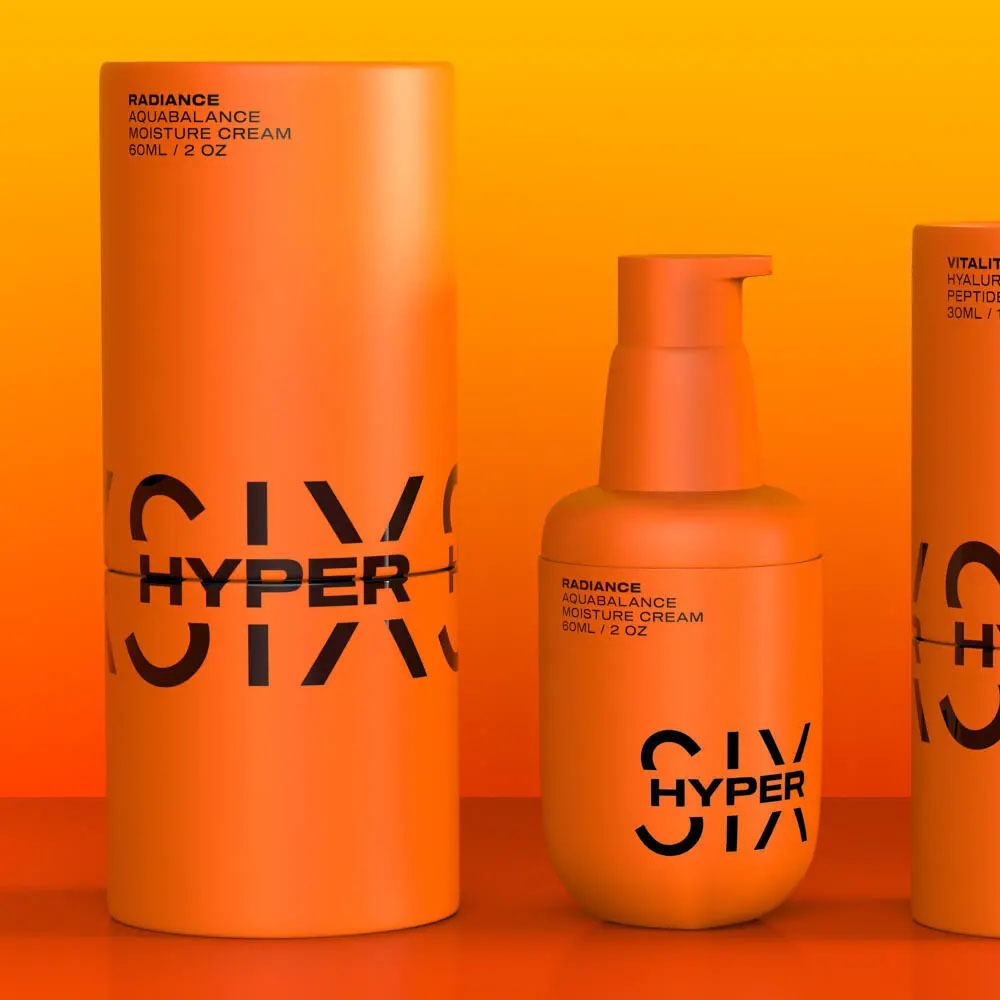
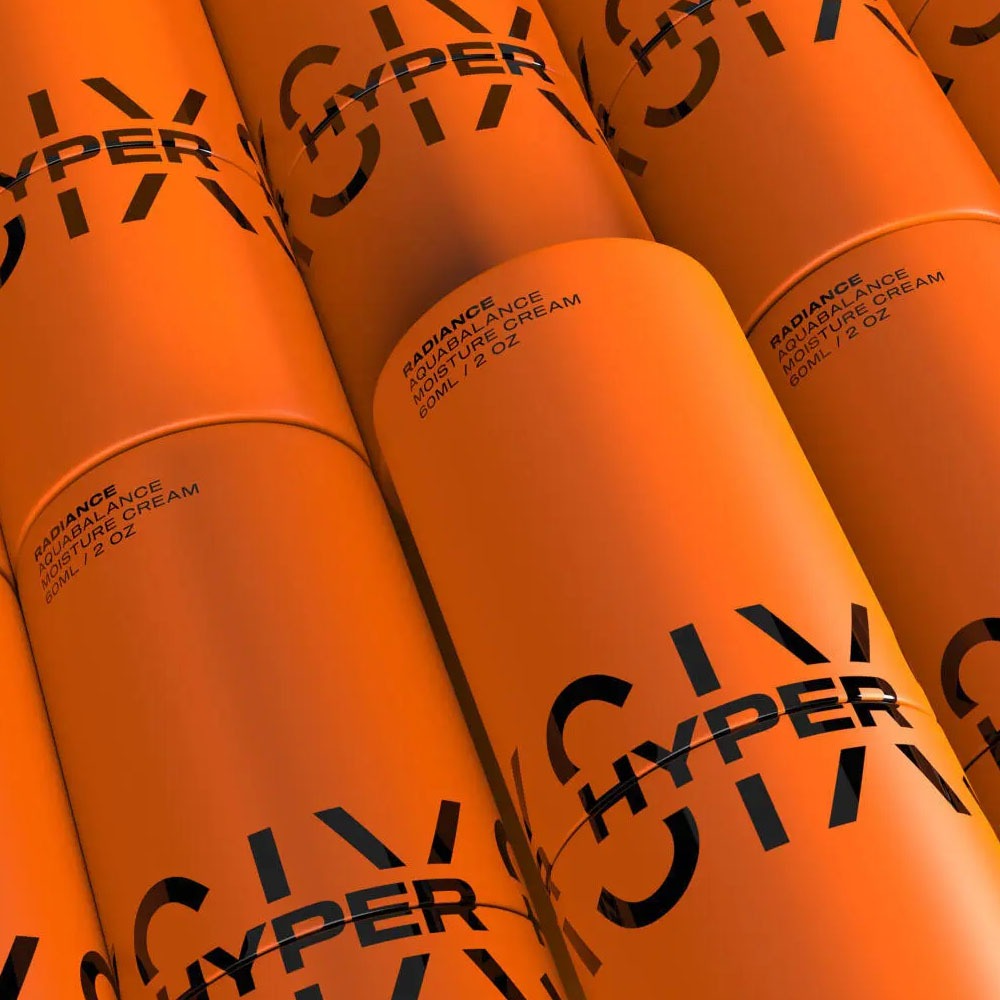
Se state costruendo una linea di prodotti per la cura della pelle e volete un formato in tubetto di qualità superiore che sia ben scalabile, questo è un solido punto di partenza: imballaggio in cartone cosmetico personalizzato.
Esposizione all'aria, esposizione al tatto e perché “l'uso disordinato” uccide la fiducia
Un prodotto può essere ottimo e perdere comunque il cliente se il packaging lo rende fastidioso. Pensate ai punti dolenti più comuni:
vasetti che si contaminano perché le dita vi entrano ogni giorno
pompe che si intasano o perdono, l'acquirente presume che la formula sia “cattiva”.”
tappi che si rompono durante il trasporto, poi ritorna picco
È qui che l'imballaggio diventa uno strumento di fidelizzazione. Un'erogazione più pulita e una migliore protezione spesso si traducono in meno reclami, meno restituzioni e meno recensioni a una stella “arrivato danneggiato”.
Protezione UV per le confezioni di prodotti per la cura della pelle
La luce è un fattore di disturbo silenzioso. I raggi UV e la forte illuminazione dei negozi possono accelerare la degradazione di alcuni ingredienti, che si manifesta con cambiamenti di colore, di odore e di prestazioni. I clienti non la chiamano “fotodegradazione”. Lo chiameranno “sensazione di stanchezza”.”
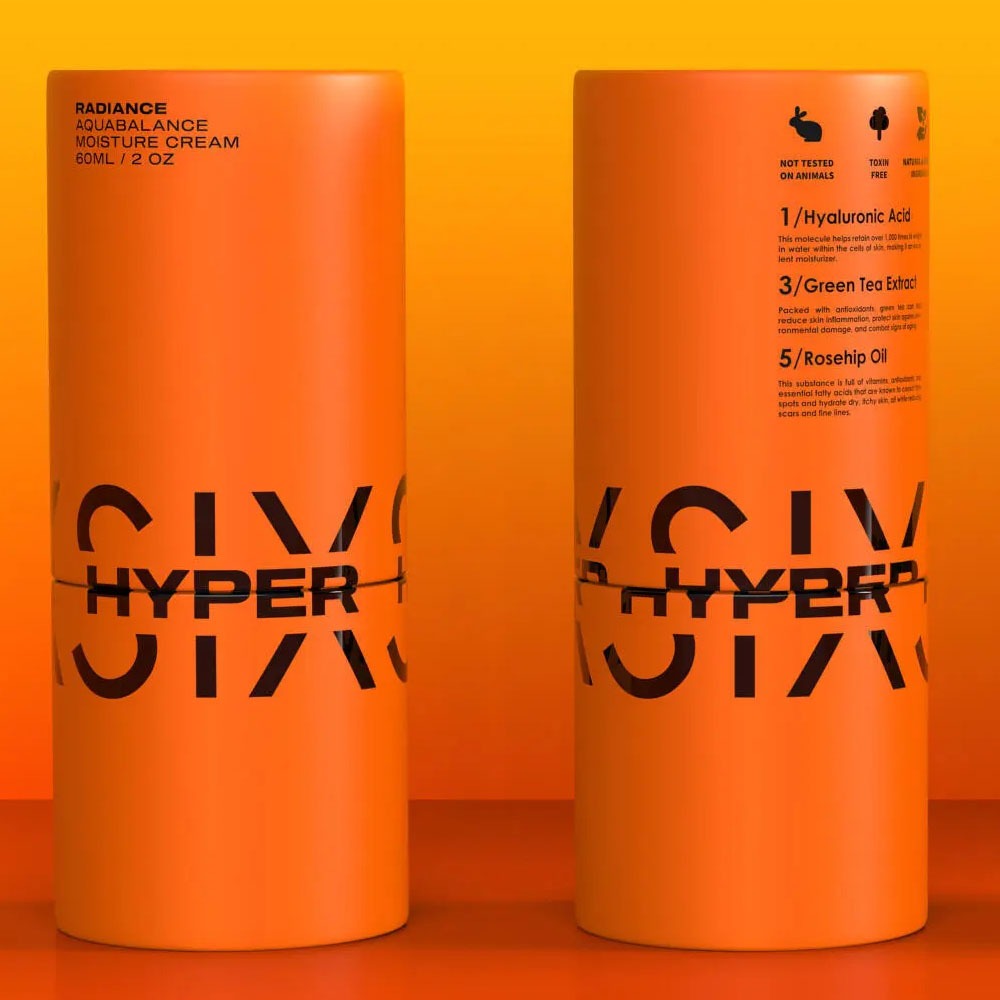
Una soluzione intelligente è semplice: mantenete l'estetica del contenitore interno, se volete, ma proteggetelo con un imballaggio esterno che blocchi la luce e sopravviva alla spedizione. Un tubo rigido fa esattamente questo, senza trasformare lo zaino in un fragile oggetto da esposizione.
Imballaggio secondario opaco per principi attivi fotosensibili
Se vendete formule vitaminiche o botaniche, probabilmente avrete visto recensioni come:
“Ha cambiato colore”.”
“L'odore è diventato strano”.”
“L'ultima metà non funziona allo stesso modo”.”
Un tubo protettivo non risolve una formula debole, ma può evitare danni evitabili. È una vittoria facile.
Progettazione di imballaggi minimi e dematerializzazione
Se volete una sostenibilità che regga alle verifiche, iniziate con meno materiale e una struttura più pulita. Non è solo una mossa ecologica. È anche una mossa operativa.
Quando si riducono le parti e si semplifica la struttura, di solito si ottiene:
meno dipendenze dai fornitori
meno fasi di montaggio
meno punti di errore nel CQ
Imballaggio più semplice per i team di evasione
In termini operativi di packaging: si riduce la complessità della distinta base e si aumenta la coerenza.
Dimensionamento corretto e ingegneria degli inserti
Dematerializzazione non significa “renderlo fragile”. È “renderlo efficiente”.”
Ecco come si presenta il progetto di un tubo:
scegliere un tubo di dimensioni adatte al prodotto (meno spazio vuoto, migliore resistenza alle cadute)
progettare un inserto che blocchi il prodotto in posizione senza sovraccaricarlo
evitare i componenti aggiuntivi che non risolvono un problema reale (barriera, manomissione o verifica)
Se si desidera un'atmosfera premium mantenendo la struttura pratica, un esterno rigido con un sistema di chiusura pulito funziona bene. Per un esempio di logica costruttiva rigida di alto livello, guardate un formato come confezione in tubo di tè con coperchio in banda stagnata. Categoria diversa, stesso comportamento di “rigidità regalata”.
Contenuto riciclato PCR nelle confezioni di cosmetici
La PCR può rafforzare la vostra storia di sostenibilità, perché è documentabile e specifica. È anche l'ambito in cui i marchi inciampano, perché la PCR può introdurre una variabilità nei toni, nelle texture e nei risultati di stampa.
Se si tratta di grandi tirature, non si vogliono sorprese. Si vuole un risultato ripetibile: stampa stabile, colore uniforme, resistenza alle abrasioni prevedibile.
PCR e coerenza di stampa nella produzione in serie
Ecco l'approccio pratico:
confermare gli obiettivi della PCR all'inizio della specifica (non “aggiungere la PCR in seguito”)
allineare le scelte di finitura al comportamento del materiale (alcune finiture nascondono meglio le variazioni)
controllare le tolleranze con campioni e cancelli di approvazione prima della produzione di massa
In questo modo si evita il classico problema: un aggiornamento della sostenibilità che si trasforma in un problema di coerenza.
Requisiti degli imballaggi PPWR dell'UE per la riciclabilità e la prevenzione dei rifiuti
Se vendete nell'UE, il PPWR spinge gli imballaggi a ridurre i rifiuti e a migliorare la riciclabilità. Anche se oggi non spedite in Europa, i grandi rivenditori e le piattaforme spesso si orientano in questa direzione nel tempo. Pianificando per tempo, si evita di incorrere in cicli di riprogettazione dell'ultimo minuto.
Struttura riciclabile per l'imballaggio di tubi di carta
Per gli imballaggi secondari in tubo di carta, “riciclabile per progettazione” significa solitamente:
mantenere la struttura prevalentemente cartacea
evitare materiali misti difficili da separare a meno che non risolvano una funzione reale
mantenere gli inserti semplici e facili da rimuovere
Si può ancora costruire un premio. Basta costruire il premio con disciplina.
Imballaggi di ricarica e modelli di riutilizzo
Refill non è solo una storia ecologica. È un sistema di marca. I clienti mantengono la parte bella e sostituiscono la parte consumabile. Se fatto bene, dà l'impressione di essere intenzionale, non economico.
Confezione esterna resistente e flusso di ricarica
I tubi rigidi funzionano bene come pacchi esterni “custodi” perché:
mantengono la loro forma nel tempo
tenere la grafica in modo pulito
sensazione di qualità nella mano
far sentire le ricariche come un'abitudine intelligente, non come un compromesso
Questo può diventare una leva di fidelizzazione se si struttura la linea di prodotti intorno ad esso.
Etichettatura trasparente e fiducia dei consumatori
L'autenticità inizia con la chiarezza. Le persone si fidano dei marchi che rendono semplici le nozioni di base:
che cos'è
come usarlo
cosa c'è dentro
come verificare che sia reale
I tubetti offrono più spazio per comunicare senza stipare un testo minuscolo in una bottiglia piccola.
Indicazioni chiare ed etichettatura adatta ai canali
Se vendete sui marketplace, anche l'imballaggio trasparente riduce l'attrito:
meno incomprensioni con i clienti
meno problemi di conformità
Meno reclami “non conformi alla descrizione
Se volete un formato a tubo che mostri come i marchi utilizzano la superficie per una comunicazione chiara, ecco uno stile di riferimento: confezioni in tubo di carta per capelli, pelle e unghie. Il punto non è la categoria. È la chiarezza.
Confezioni anticontraffazione per la cura della pelle
I contraffattori amano i prodotti ad alta ripetizione con confezioni riconoscibili. I prodotti per la cura della pelle sono un bersaglio facile. Alcune operazioni di contraffazione dividono anche le spedizioni - imballaggio in un percorso, prodotto in un altro - e le assemblano localmente. In questo modo la confezione esterna diventa un vero e proprio punto di controllo.
Stampa e serializzazione di dati variabili
Se volete livelli anticontraffazione scalabili senza rovinare il design, concentratevi su:
seriali unici
codici QR variabili
elementi antimanomissione
un'esperienza di verifica che corrisponda al tono del vostro marchio
Non si tratta di paranoia. È protezione del canale. Le contraffazioni distruggono la fiducia, danneggiano le recensioni e incidono sui prezzi.
Se avete bisogno di un formato di riferimento in cui il “controllo del rischio” è incorporato nelle aspettative di confezionamento, consultate Imballaggio in tubo di carta a prova di bambino. Ancora una volta, una categoria diversa. Stesso schema: protezione, segnali di conformità e fiducia degli acquirenti.
Autenticazione con codice QR GS1 Digital Link
I codici QR funzionano meglio quando si collegano a un sistema strutturato. GS1 Digital Link è uno standard che supporta l'identificazione e l'instradamento coerente dei prodotti.
Il vantaggio è semplice: un codice può servire più canali.
Esperienza di scan-to-verify per DTC e marketplace
Un flusso di scansione ben progettato può:
confermare l'autenticità
mostrare le istruzioni per l'uso (e ridurre i reclami per “uso sbagliato”)
controlli del distributore di supporto
aiutare l'assistenza clienti a risolvere i problemi più velocemente
I tubi rigidi mantengono i codici QR leggibili anche dopo la spedizione. I cartoni sottili si stropicciano e si graffiano più facilmente. Si tratta di un piccolo dettaglio che conta quando ci si affida alla scansione.
Se vendete in categorie adiacenti al benessere, riconoscerete questa logica di confezionamento in formati come Confezione del tubo della cartuccia di CBDStruttura forte, branding pulito e spazio per la verifica.
Matrice decisionale sul packaging per i marchi di prodotti per la cura della pelle
Tipo di prodotto per la cura della pelle
Punto dolente comune
Specifiche di imballaggio che aiutano
Approccio basato sul tubo
Sieri attivi sensibili
danni leggeri, “l'ultima metà sembra più debole”.”
bloccare la luce, proteggere il dispenser
tubo secondario rigido opaco
Creme e vasetti
contaminazione, uso disordinato
conservazione e protezione dei pulitori
inserto aderente + tubo rigido
Set e pacchetti regalo
graffi e schiacciamenti dovuti al transito
protezione rigida + aderenza
tubo + inserto progettati per resistere alle cadute
Commercio elettronico transfrontaliero
confusione sulle etichette, attrito con la conformità
pannelli puliti + QR per il supporto multilingue
Il tubo offre più spazio per un'etichettatura chiara
Marchio a rischio di contraffazione
affermazioni false, conflitto di canale
serializzazione + scan-to-verify
il tubo diventa la tela di verifica
Dove l'imballaggio in tubo di carta personalizzato è vantaggioso dal punto di vista commerciale
Quando il packaging viene progettato come un sistema, non si ottiene solo una scatola più bella. Si ottiene un'attività più fluida:
meno danni e meno resi
recensioni più pulite e migliori acquisti ripetuti
meno caos QA durante lo scale-up
un maggiore controllo contro le contraffazioni e la diversione
meno cicli di riprogettazione quando i requisiti si restringono
Se si vuole essere veloci, si sceglie una SKU eroica e si costruisce il sistema attorno ad essa: dimensioni del tubo, logica di inserimento, stack di finitura e piano di verifica. Poi si può scalare la stessa struttura su tutta la linea. È così che i marchi crescono senza trasformare il packaging in una costante esercitazione antincendio.