Still Not Seeing The Right Packaging Solution? Talk to Our Boss.
If you’ve reviewed our website or spoken with sales and still don’t see a clear path, send your request here. Your message goes directly to our General Manager for an executive review of feasibility, cost, and lead time. You’ll get a clear next step—what we can do, what we need from you, and the fastest route to a quote.
Built for packaging managers, procurement, and packaging engineers. Specify size, quantity, and finish to receive moq, lead time, and spec guidance for us/eu programs.
Quote-ready customization: diameter, height, wall thickness, inserts, liners, and closures
Sustainable Skincare Paper Tube Packaging: Protection, Recyclability & Brand Trust
Skincare paper tube packaging can give jars, bottles, powders, and solid cosmetics a rigid paper-based secondary package with strong shelf presence and useful physical protection. Its sustainability case, however, depends on more than replacing a rectangular carton with a cylinder.
For packaging engineers and sourcing teams, the real questions are more specific: Does the structure stop the product from moving during distribution? Can the finished package actually enter a paper recycling stream? Do laminates, foam inserts, metallic decoration, or plastic components weaken that claim? And can the brand substantiate what it prints on the pack?
Those questions matter because paper-based packaging is increasingly associated with sustainability, while regulators and buyers are becoming less tolerant of vague environmental claims. The strongest paper tube specification therefore combines right-sized protection, material simplicity, verifiable claims, and manufacturability rather than maximizing board thickness or decorative complexity.
What Is Skincare Paper Tube Packaging?
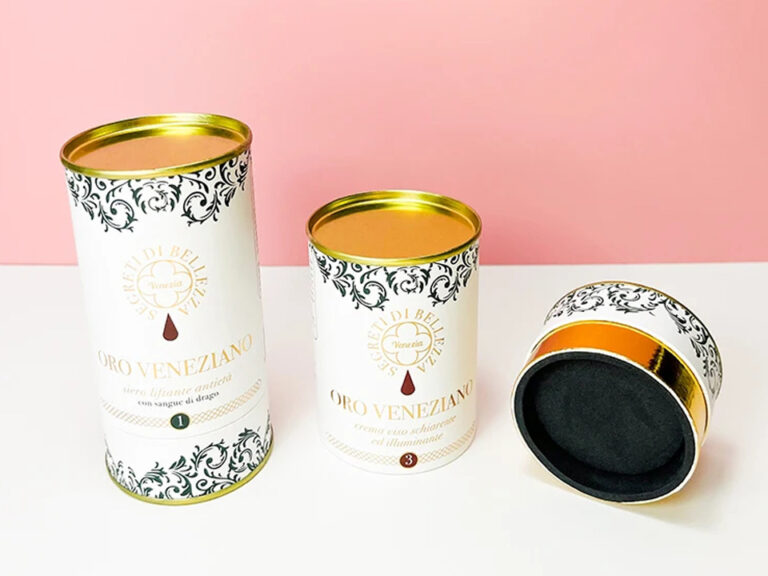
Skincare paper tube packaging is usually a rigid cylindrical secondary package manufactured from layers of paperboard wrapped around a mandrel and combined with a lid, base, neck, insert, or internal holder.
It can be used around:
cream and balm jars;
facial serum and essential-oil bottles;
spray bottles;
powdered masks and dry cosmetic formulas;
lip care and solid cosmetic products;
gift sets and premium skincare presentations.
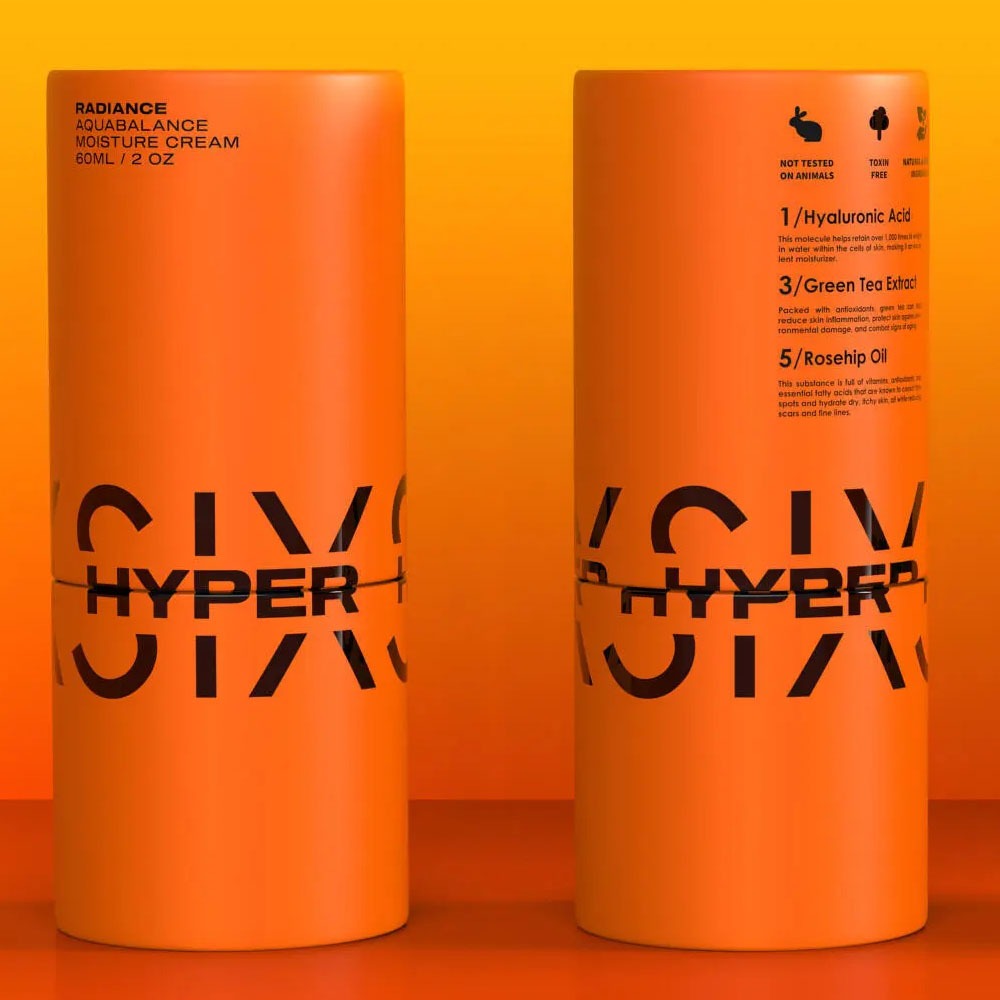
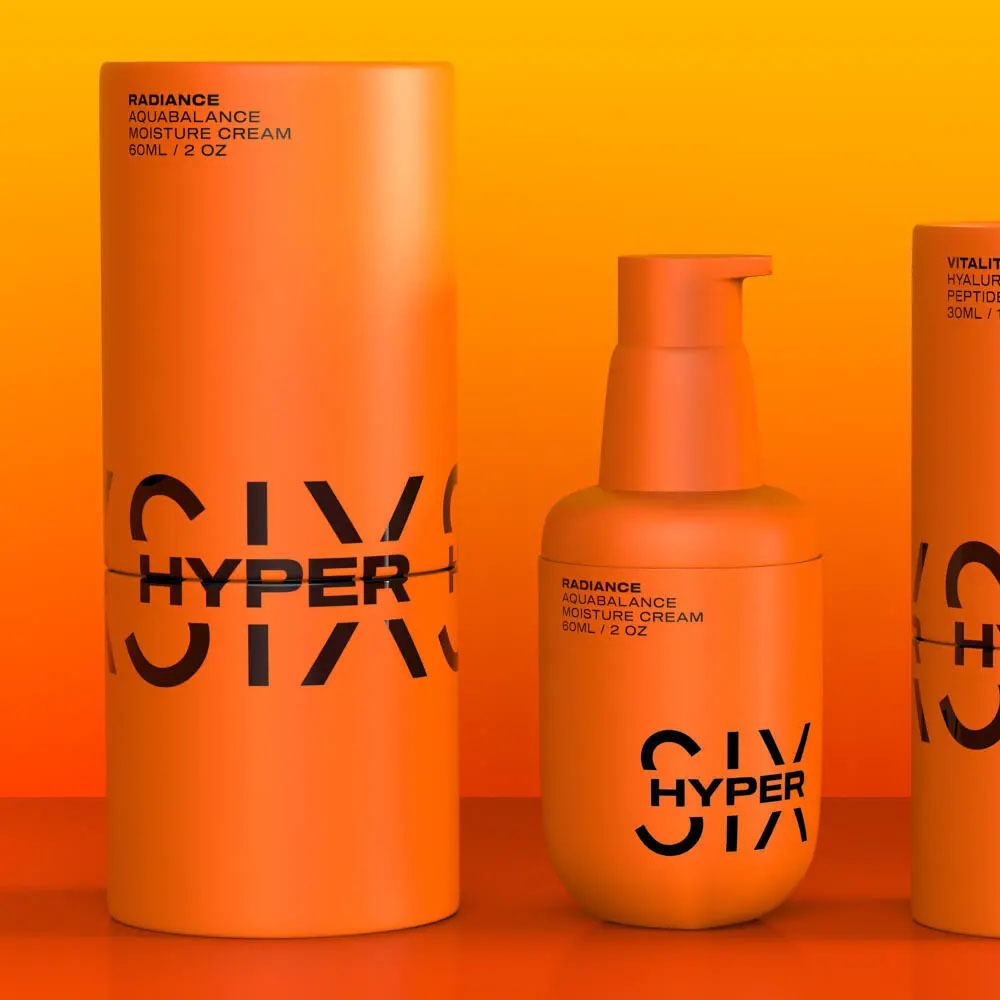
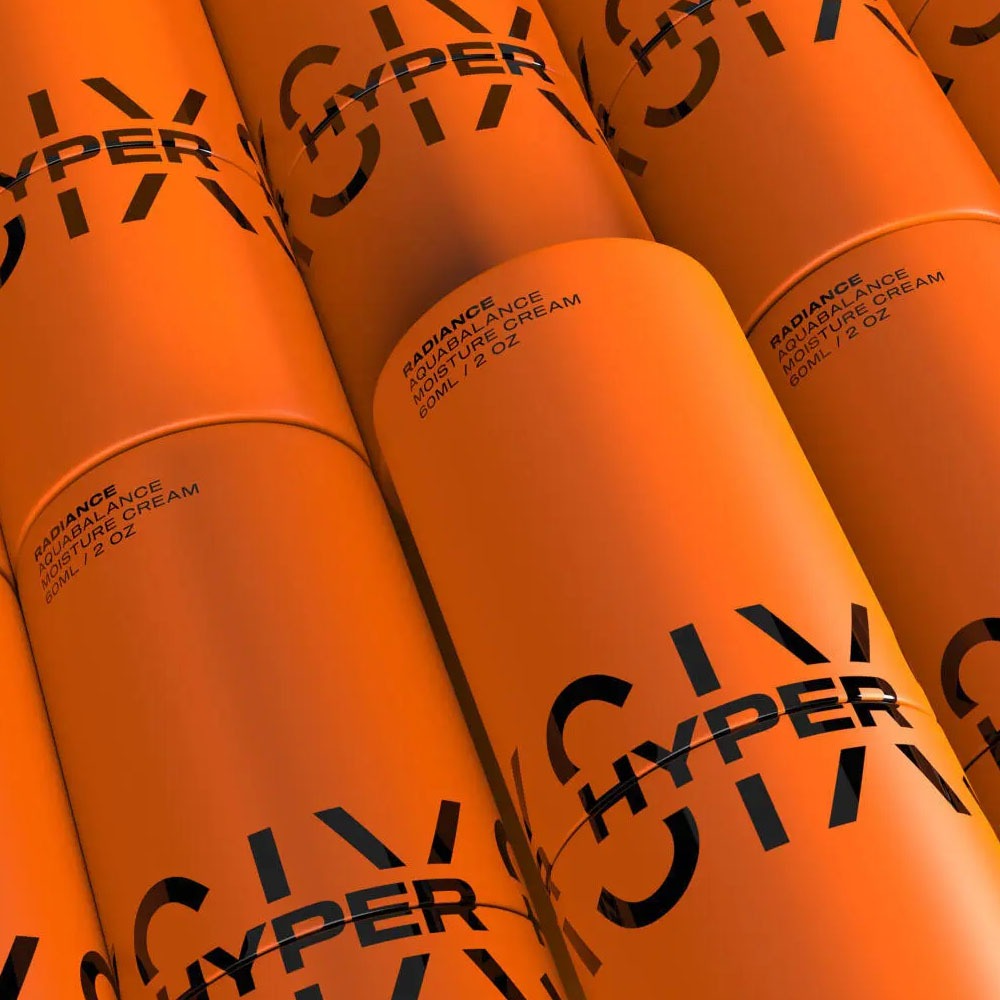
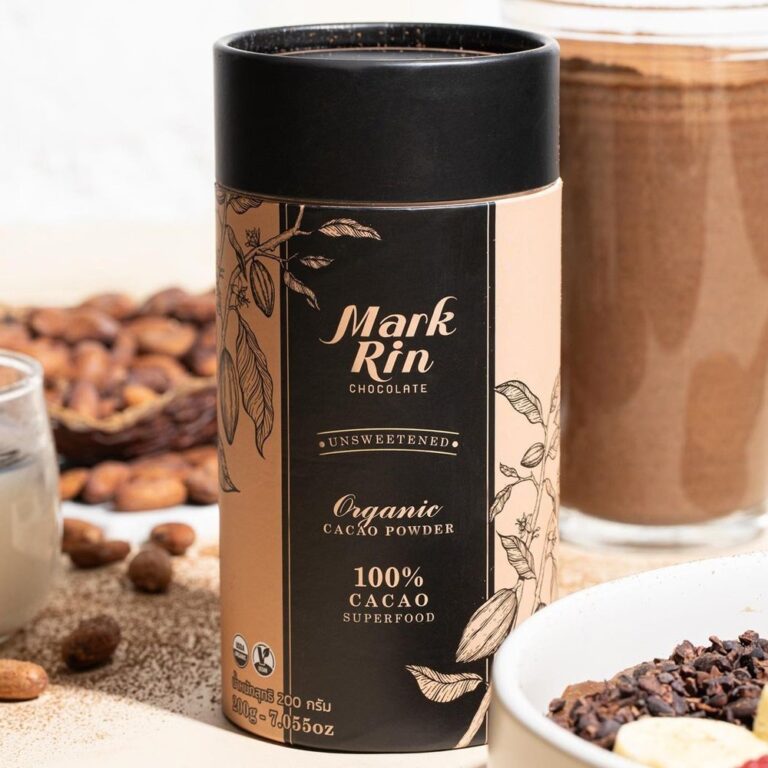
Buyers comparing formats can start with a broader range of cosmetic paper tubes to understand how the same basic cylindrical platform can be adapted for bottles, jars, powders, and solid beauty products.
A distinction is important here: a rigid cardboard tube surrounding a glass jar is not performing the same job as the jar itself. The jar is the primary package that contacts and contains the formula. The paper tube is normally responsible for presentation, secondary protection, printed information, tamper-evident design where specified, and the unboxing experience.
That distinction affects both technical testing and sustainability claims. A paper secondary package does not automatically eliminate the plastic, glass, pump, cap, liner, or closure used in the primary package.
How Does a Paper Tube Protect Skincare Products?
A well-specified tube protects the product mainly through structural rigidity, dimensional fit, and movement control.
The wound paperboard wall resists moderate compression and helps shield decorated jars or bottles from abrasion and direct handling. The lid and base close the package, while an insert can prevent the primary container from moving laterally or vertically.
The Insert Often Matters More Than Extra Wall Thickness
For a heavy glass serum bottle, simply specifying a thicker tube wall may not solve the main failure mode. If the bottle has excessive clearance inside the package, it can repeatedly strike the sidewall or cap during parcel distribution.
More material is not automatically more protection.
The objective should be to achieve the required distribution performance with the minimum appropriate structure. Buyers should first control product movement, cap clearance, insert geometry, and tube dimensions before simply increasing board weight.
Fit Should Be Designed Around the Real Filled Product
The supplier should receive the physical container or accurate production drawings, not only a nominal capacity such as “50 ml jar.”
Two 50 ml cosmetic jars can have different:
external diameters;
lid overhangs;
heights;
base shapes;
decoration thicknesses;
pump or dropper dimensions.
For bottle applications, paper tube packaging for beauty bottles shows the type of cylindrical secondary format that can be dimensioned around a narrow spray, skincare, or personal-care container.
A production tolerance that seems minor on paper may become obvious when a cylindrical bottle has only a few millimeters of clearance.
Validate Protection Through Testing, Not Appearance
A packaging sample that looks rigid on a conference table has not demonstrated distribution performance.
Buyers supplying e-commerce, parcel, or multistage distribution programs should agree on an appropriate packaging-validation protocol. ASTM D4169 provides a standardized framework for evaluating shipping units against hazards representative of distribution environments.
Testing requirements will depend on whether the paper tube is:
shipped inside a corrugated master carton;
used as the direct parcel shipper;
palletized for wholesale distribution;
sold through retail channels;
protecting fragile glass;
exposed to high humidity or long-distance ocean freight.
The acceptance criteria should also be defined. “Pass” could mean no broken jar, but a premium skincare brand may also require no lid separation, major tube deformation, print scuffing, foil damage, insert movement, or visible abrasion.
Is Skincare Paper Tube Packaging Really Recyclable?
It can be, but paper content alone does not establish recyclability.
A relatively simple paperboard tube with paper-based closures and a removable paper insert may have a stronger recycling proposition than a tube containing plastic film lamination, permanent foam inserts, plastic shoulders, metallic components, or difficult-to-separate composite layers.
That distinction is increasingly significant.
The European Union’s Packaging and Packaging Waste Regulation, Regulation (EU) 2025/40, entered into force on February 11, 2025 and generally became applicable on August 12, 2026. The European Commission states that the regulation is intended to make packaging placed on the EU market recyclable by 2030.
For U.S. marketing, the Federal Trade Commission’s Green Guides also discourage unsupported recyclable claims. FTC guidance states that an unqualified recyclable claim is appropriate when suitable recycling facilities are available to a substantial majority—defined as at least 60%—of consumers or communities where the item is sold.
For buyers, that means “made from paper” and “recyclable” should be treated as two separate specification questions.
How Common Design Choices Affect the Recycling Proposition
Paper tube configuration
Protection
Branding flexibility
Recycling consideration
Best suited to
Paperboard tube + paper lid + paper insert
Good for many lightweight jars and bottles
High
Relatively simple material system; verify coatings and adhesives
Sustainability-led skincare
Paperboard tube + molded/paperboard holder
Strong positioning and movement control
High
Can simplify separation if designed as a paper-based system
Serums, cream jars, gift products
Paper tube + EVA/EPE foam insert
Excellent cushioning and precise fit
High
Mixed-material construction requires separation and may complicate recycling claims
Fragile or premium glass products
Kraft tube + sifter component
Format-specific dispensing/protection
Moderate to high
Recyclability depends on the composition and removability of the sifter
Powder masks, bath powders, dry cosmetics
Laminated luxury tube with foil and special finishes
Good
Very high
Decorative layers and laminates should be evaluated rather than assumed recyclable
Prestige retail and gift packaging
The table shows why sustainable packaging should be engineered as a system, not selected by substrate name alone.
Avoid the “Paper Equals Sustainable” Shortcut
Paper-based construction may help a brand reduce reliance on plastic-heavy secondary packaging, but the most sustainable-looking specification is not automatically the best environmental specification.
A natural kraft exterior can still contain an incompatible internal layer. Conversely, a small foil logo does not necessarily invalidate the entire recycling system.
The right question is:
What happens to the complete package after the consumer is finished with it?
A packaging engineer should therefore review the bill of materials component by component:
outer wrap;
structural paperboard;
adhesive;
lid;
base;
inner neck;
liner or coating;
insert;
laminate;
decorative foil or other specialty material.
Ask the supplier which parts need to be separated and what evidence supports the proposed disposal instructions.
This is more defensible than placing “100% eco-friendly” on the artwork because the exterior appears to be kraft paper.
Recyclability Can Influence Brand Trust
Packaging sustainability matters most when the claim is understandable and credible.
McKinsey’s 2025 U.S. packaging survey of 1,000 consumers found that 77% considered recyclability extremely or very important when assessing packaging sustainability. Paper and cardboard also ranked relatively favorably in consumers’ perceptions of sustainable packaging materials.
That does not mean sustainability overrides formula performance, price, or convenience. The same research found product quality and price remain stronger overall purchasing considerations.
For skincare brands, the implication is useful: packaging does not need exaggerated environmental language to create value. It needs a claim customers can understand.
Compare these approaches:
Weak: “100% sustainable eco packaging.”
More credible: “Paperboard outer tube. Remove the insert before recycling where local facilities accept these materials.”
Or, when verified:
More credible: “Outer tube made with X% recycled paper fiber.”
Specific language provides the brand, retailer, distributor, and regulatory team with something that can actually be substantiated.
Match the Tube Structure to the Skincare Format
Different cosmetic products create different packaging problems. A single “cosmetic tube specification” is rarely sufficient.
Cream Jars
Cream jars are usually relatively wide and can be heavy when manufactured from glass.
The paper tube therefore needs:
sufficient radial clearance;
support beneath the jar;
controlled vertical movement;
lid clearance;
suitable tube-wall rigidity;
an insert that does not scratch decorated surfaces.
The sustainability trade-off is clear: metallic effects and luxury finishes may support brand positioning, but buyers should verify their effect on recyclability rather than assuming every decorated paper tube can carry the same disposal claim.
Serums, Oils, and Spray Bottles
Tall narrow bottles create a different problem: lateral movement.
An insert opening should support the container at an appropriate location without placing excessive force on a pump, dropper collar, shoulder, or decorative coating. Where glass is used, bottom cushioning and headspace also matter.
For premium applications, the package may need to protect not only against breakage but against cosmetic defects that cause a retailer to reject an otherwise functional unit.
Powdered Skincare Products
Dry facial masks, body powders, bath products, and similar formulas can use structures incorporating dispensing features.
Here the buyer must determine whether the paper tube is secondary packaging or part of the dispensing system. If the powder directly contacts internal surfaces, formula compatibility, migration, moisture resistance, hygiene, and any applicable product-contact requirements become much more significant.
Choose Finishes According to Brand Positioning and End-of-Life Goals
Skincare packaging often needs to communicate quality before the consumer opens the product, but every decorative process adds another specification decision.
Common options include:
offset or digital printing;
Pantone spot colors;
matte or gloss coatings;
embossing and debossing;
hot foil stamping;
textured papers;
localized varnish;
laminated wraps.
Premium decoration should not be added simply because it is available.
A brand selling clinical skincare may gain more from precise typography, restrained color, and accurate print reproduction than from multiple foils and specialty coatings. A prestige gift line may reasonably prioritize tactile finishing and metallic details.
The sourcing decision should connect each finish to a commercial objective.
If a process adds cost but contributes neither required performance nor meaningful brand differentiation, remove it.
Right-Sizing Matters More Than Making the Tube Look Substantial
Oversized cosmetic packaging can create several problems simultaneously:
higher paper consumption;
larger inserts;
more empty internal space;
larger master cartons;
poorer pallet utilization;
higher volumetric freight exposure;
a perception of unnecessary packaging.
The EU PPWR reinforces this direction by introducing packaging-minimization requirements intended to reduce unnecessary packaging weight and volume.
For a sourcing team, right-sizing should begin with the primary container dimensions and required protective clearances.
Do not start by selecting a visually impressive stock diameter and then design an oversized insert to make the product fit.
What Drives the Cost of Custom Skincare Paper Tubes?
Unit price is affected by more than paperboard.
Important cost drivers include:
Cost driver
Why it matters
Tube diameter and height
Affect material consumption and manufacturing setup
Wall construction
Changes paper consumption, rigidity, weight, and forming requirements
Order quantity
Setup costs are distributed across more units at larger volumes
Insert type
Paperboard, molded fiber, foam, and complex die-cut inserts carry different costs
Printing method
Digital, offset, and other processes have different setup economics
Specialty finishes
Foil, embossing, laminates, and textured substrates add processes
Color requirements
Tight Pantone tolerances and repeat-order matching require more control
Sampling
Structural prototypes and production-quality printed samples add development cost
QC/testing
Additional inspection or third-party testing increases project cost but can reduce downstream risk
Freight
Cylindrical rigid packaging ships considerable volume relative to its weight
This is why procurement teams should compare landed cost and project risk, not only factory unit price.
A recurring concern in packaging discussions is MOQ. In one recent skincare-brand sourcing discussion, the buyer accepted 500 custom packages but later encountered customs delays and questioned whether an overseas reorder remained the right long-term choice. That is anecdotal, not statistical evidence, but it illustrates why buyers should model inventory exposure, freight, and supplier responsiveness together rather than optimizing only the initial quotation.
What Should Be Checked During Sampling and QC?
A printed sample should be evaluated as a functional package, not merely approved from photographs.
Structural Checks
Measure and inspect:
internal diameter;
external diameter;
overall height;
lid depth;
lid fit;
telescoping or neck fit where applicable;
insert dimensions;
product clearance;
tube roundness;
visible seam quality.
Place the actual production product inside the sample repeatedly. Open and close it. Rotate it. Shake it gently. Check whether the primary container can contact the wall or lid.
Print and Appearance Checks
Define acceptable standards for:
Pantone or approved color reference;
registration;
foil position;
embossing alignment;
surface scratches;
glue marks;
edge cleanliness;
wrap seam;
label orientation.
For premium skincare, an intact product inside a visibly damaged tube may still be commercially unacceptable.
Sustainability Documentation
When environmental claims matter, ask for documentation covering the actual material configuration being purchased.
Useful questions include:
What percentage of the package is paper-based?
Is recycled content specified and documented?
Are coatings or laminates present?
Can the insert be separated manually?
Are any foam or plastic components included?
What disposal instructions does the supplier recommend?
What evidence supports a recyclable or recycled-content claim?
Is certified fiber required by the brand or retailer?
Do not approve a sustainability statement solely from a generic supplier brochure.
How Should Buyers Prepare an RFQ?
A strong skincare paper tube RFQ should allow several suppliers to quote the same specification. Otherwise, apparent price differences may simply reflect different constructions.
Provide at least:
Product Information
exact container dimensions;
filled product weight;
container material;
photographs or CAD drawings;
vulnerable components such as pumps, droppers, or glass shoulders.
Tube Specification
internal diameter;
finished height;
preferred structure;
target wall construction or required performance;
lid style;
insert requirement;
desired paper type.
Artwork and Finishing
print colors;
Pantone references;
foil requirements;
emboss/deboss areas;
coating or lamination preference;
barcode and regulatory copy requirements.
Commercial Requirements
initial quantity;
forecast reorder volume;
required delivery date;
destination country;
shipping terms;
sample approval requirements.
Sustainability Requirements
Do not simply write “eco-friendly.”
Specify the actual objective:
reduce plastic components;
maximize paper-based content;
avoid plastic lamination;
use recycled fiber;
meet a particular retailer packaging policy;
support a specific recycling claim;
use responsibly sourced fiber;
minimize package weight or volume.
A measurable requirement produces a better quotation than a vague adjective.
How to Choose the Right Skincare Paper Tube Specification
The strongest specification is rarely the tube with the most material or the most decorative finishing.
For a procurement or packaging team, the selection sequence should be:
First, protect the product. Determine the real jar or bottle dimensions, distribution channel, fragility, and insert requirements.
Second, simplify the material system. Remove unnecessary layers and mixed materials where performance allows.
Third, right-size the structure. Use enough paperboard to achieve required performance rather than assuming thicker walls are always better.
Fourth, define sustainability claims before artwork approval. Know exactly what evidence is available and what consumers must do with the package after use.
Finally, compare total landed cost and supplier capability. Include sampling, tooling, QC, freight, inventory exposure, and repeat-order consistency—not just price per tube.
That approach allows sustainable skincare paper tube packaging to function as an engineered packaging solution rather than merely an environmental design signal.
Frequently Asked Questions
Are skincare paper tubes recyclable?
Many paper tube structures can be designed for paper recycling, but recyclability depends on the complete construction, including coatings, laminates, adhesives, inserts, bases, and closures. Buyers should verify the actual bill of materials and local recycling infrastructure before making an unqualified claim.
Can paper tubes directly hold skincare creams or liquids?
Standard rigid paper tubes are normally secondary packaging around a jar, bottle, or other primary container. Direct-contact applications require specially engineered barriers plus compatibility, leakage, migration, moisture, and regulatory evaluation appropriate to the formula and market.
What insert is best for a glass skincare jar?
A fitted paperboard or molded-fiber insert can support recyclability goals, while foam can provide stronger cushioning and precise positioning. The right choice depends on jar weight, fragility, distribution conditions, brand presentation, and end-of-life requirements.
Do gold foil and luxury finishes make a paper tube non-recyclable?
Not automatically. Recyclability depends on the complete package and the recycling system accepting it. Small decorative elements and full-film laminates should not be treated as equivalent. Ask the supplier for construction details before approving disposal claims.
What information is needed for a skincare paper tube quotation?
Provide container dimensions, filled weight, tube dimensions, quantity, structure, insert type, printing, finishes, delivery destination, artwork, sustainability requirements, and required testing. Supplying the physical jar or bottle during sampling can reduce fit errors.
Are thicker paper tube walls always better?
No. Extra thickness increases material, weight, and cost but may not solve movement-related damage. Correct internal dimensions, insert design, lid fit, and distribution testing should determine the required structural strength.
How can a skincare brand make more credible sustainability claims?
Use specific, verifiable language describing the actual package—for example, recycled content percentage or instructions to separate components—rather than broad claims such as “100% sustainable.” Claims should reflect both the material construction and available recycling infrastructure.