まだ適切なパッケージング・ソリューションが見つからない?私たちの上司に相談してください。.
弊社のウェブサイトをご覧になったり、営業担当とお話になったりしても、まだ明確な道筋が見えない場合は、こちらからリクエストをお送りください。あなたのメッセージは、実現可能性、コスト、リードタイムをエグゼクティブレビューするために、私たちのゼネラルマネージャーに直接送られます。明確な次のステップ、つまり何ができるか、何が必要か、お見積もりへの最短ルートをお知らせします。.

ボスと話す

弊社のウェブサイトをご覧になったり、営業担当とお話になったりしても、まだ明確な道筋が見えない場合は、こちらからリクエストをお送りください。あなたのメッセージは、実現可能性、コスト、リードタイムをエグゼクティブレビューするために、私たちのゼネラルマネージャーに直接送られます。明確な次のステップ、つまり何ができるか、何が必要か、お見積もりへの最短ルートをお知らせします。.
パッケージング・マネージャー、調達、パッケージング・エンジニア向け。サイズ、数量、仕上げを指定すると、米国/欧州プログラム向けの要求価格、リードタイム、仕様ガイダンスが表示されます。.
パウダーはずさんな包装を許さない。ちょっと湿気があるとダマになる。少しの酸素で香りや効能が失われる。密封性が弱いと、製品はカートンの中で埃まみれになってしまう。そして、返金や悪いレビュー、「パウダーがあちこちに漏れた」という写真が送られてくるのだ。.
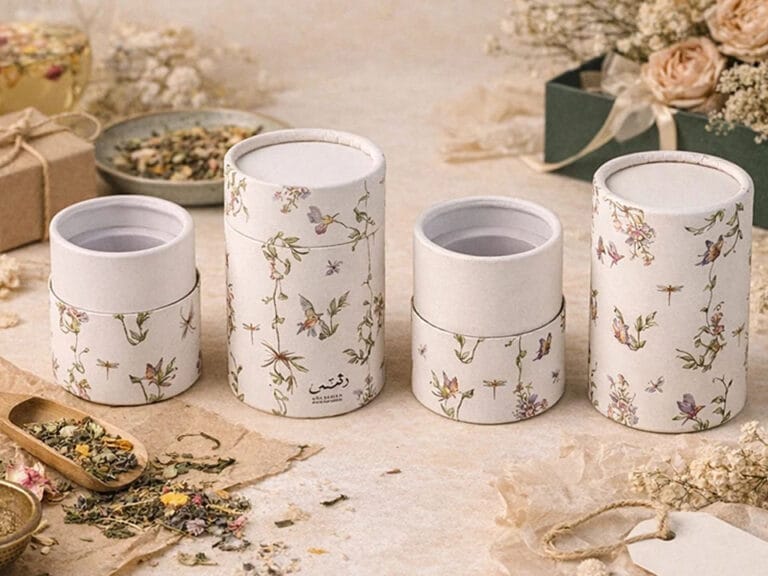
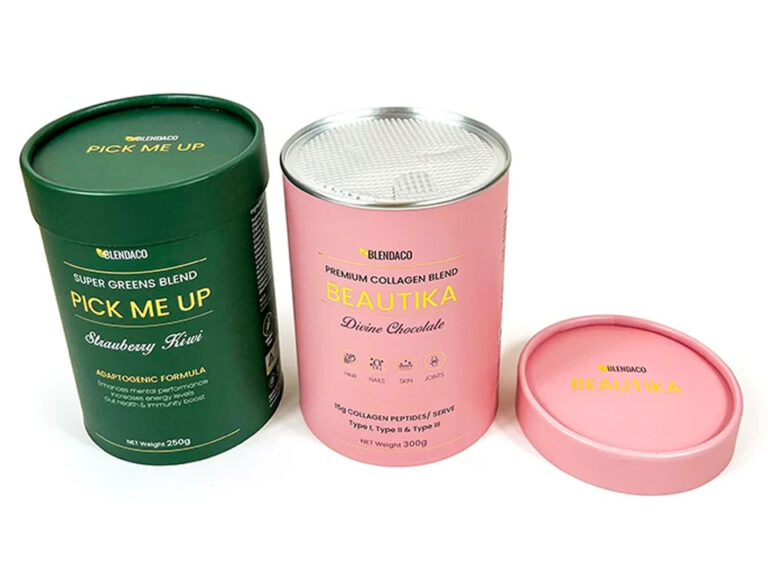
そのため、より多くのブランドが基本的なプラスチック・ジャーから、次のような方向へと移行している。 持続可能な粉体用紙管包装. .高級感のある棚の外観を保ち、保護を強化し、なおかつ現実感のあるエコストーリーを語ることができる。 バリアスタック 右の クロージャーシステム.
新しいSKUを作ったり、ヒーロー商品を作り直したりする場合は、基本的なことから始めましょう:
チューブのスタイルとカテゴリーの概要については、こちらのカタログをご覧ください: 紙管包装製品.
ほとんどのパウダー・プロジェクトが失敗する理由は1つ。チームはまず外見に注目し、「これでパウダーは濡れないのか?“
代わりにこのチェックリストの考え方を使おう。.
| パウダー・ペイン・ポイント(顧客の不満点) | スペックに必要なもの | 紙管にできること |
|---|---|---|
| 開封後の固まり | モイスチャーバリア+強力な再閉鎖 | インナーライニング+タイトなリッドフィット |
| 風味の低下 / “平坦な味” | 酸素バリア | ホイルライニングまたはバリアライニング |
| 輸送用カートンのホコリ | ストロングシール+リジッドボディ | シリンダー強度 + メンブレンシール |
| “「安っぽく見える」棚 | プレミアム仕上げ+クリーンプリント | フルラッププリント+特殊加工 |
| 安全性への懸念 | 改ざん証拠 | ピールオフシール/タンパーバンド |
| 毎日使うにはハードルが高すぎる | 簡単な開閉 | フリクション・フィット/ブリキ・カバー・オプション |
マーケットプレイスをまたいで販売する場合は、このことを覚えておいてほしい: リストは何でも約束できるが、パッケージはそれを証明しなければならない 購入者が最初に蓋を開けたとき。.
食用に適するものにとって、「食品用」はスローガンではない。管理ポイントなのだ。.
パウダーは何週間も何カ月も内層と接触している。その内層は、清潔で、安定していて、食品との接触に適切でなければならない。これは特に重要である:
プロテインパウダーをパッケージングしている場合、この構造は、ブランドが一般的にどのように構成しているかを知る良い参考となる: プロテインパウダー紙管包装.
パウダーが敏感な場合は、賭けに出ないこと。より強力なバリア層を使ってください。.
多くのバイヤーは率直に聞いてくる:
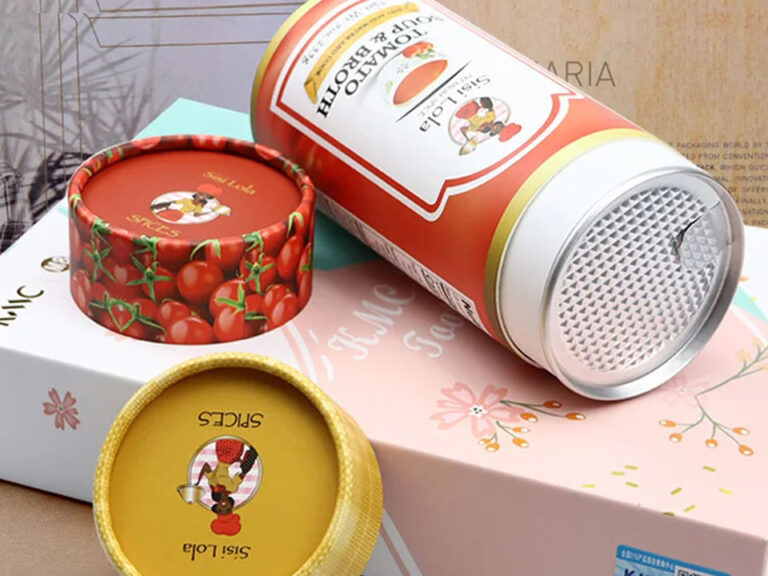
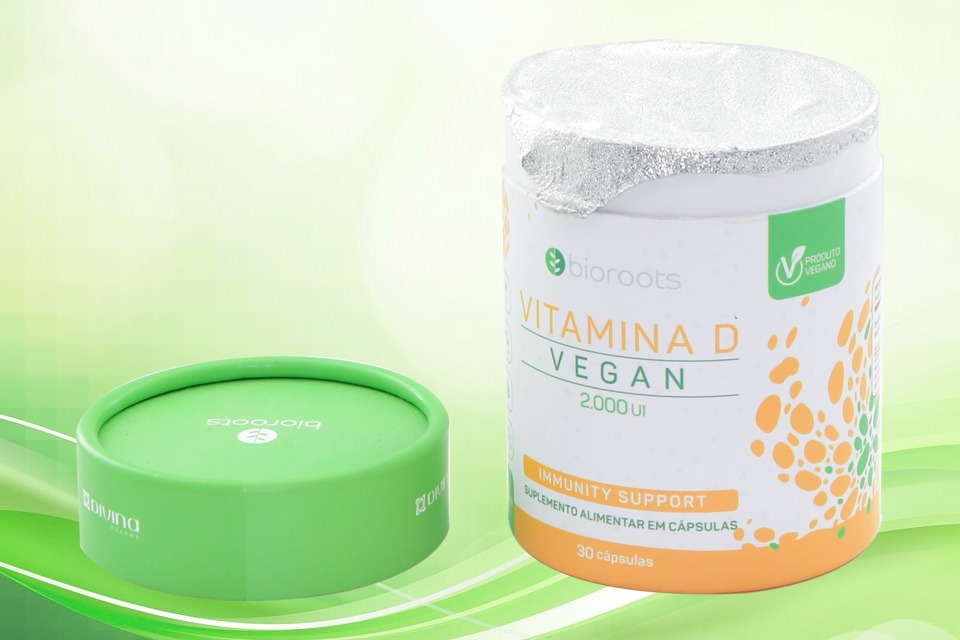
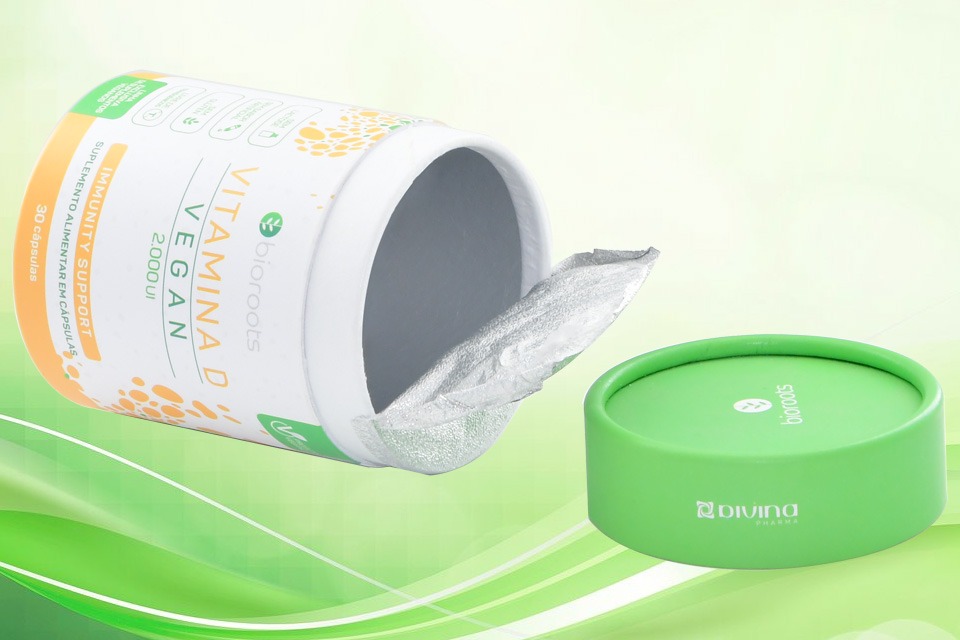
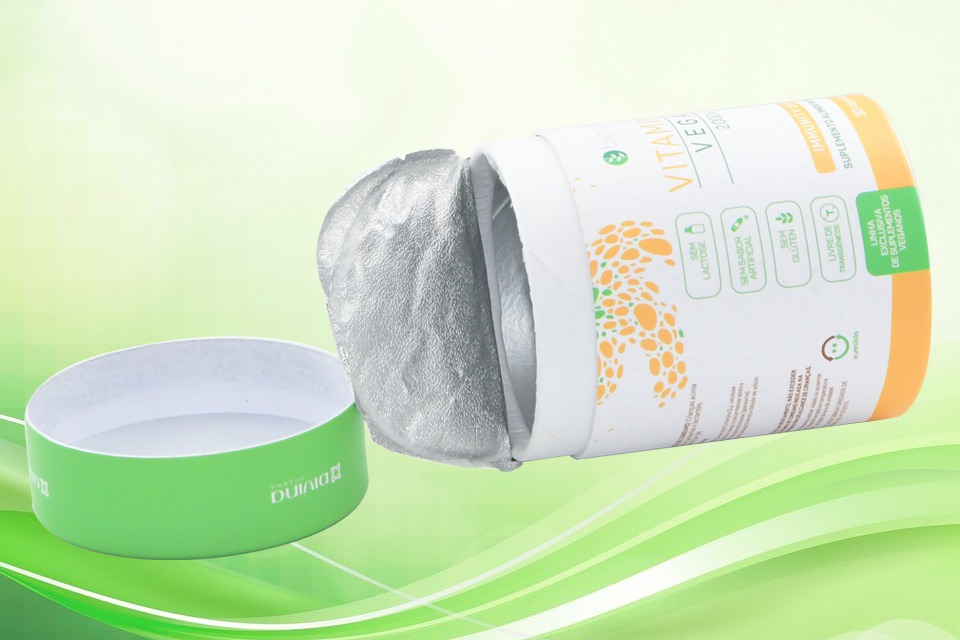
ホイルライニングは、湿気や酸素からの保護が必要な場合に役立ちます。また、サプリメントや機能性パウダーで重要な、開封時の密閉感もサポートします。.
これは、すべてのパウダーにホイルが必要だという意味ではない。つまり、配合と貯蔵寿命が要求される場合に使用するということです。.
紙缶(紙管キャニスター)は、形が癖に合うので、粉類に適している。.
片手で開け、もう一方の手ですくい、素早く閉じる。剛性の高いシリンダーは、多くの薄肉パックよりも貨物輸送に適している。.
しかし、本当の利点は、ブランドチームが気に入っていることだ: 360°ビルボード. .のスペースがある:
棚に並べられるパッケージを作るのであれば、ラップアラウンドのスペースは実際の販売に役立つ。.
カスタマイズは、デザインチームだけでなく、充填ラインや物流にも役立つはずだ。.
大量注文で一般的に問題になるのは以下のようなことだ:
クリーンな「プレミアムサプリメント」の方向性を望むなら、このページは美容と健康のポジショニングによく使われるスタイルを示している: 紙管包装.
外側のチューブが完璧に見えても、内側の層が適切でなければ失敗する。.
ライニングをあなたの 機能層:
バイヤーとの簡単な会話方法を紹介しよう:
化粧品用パウダーは、清潔で高級感があり、日常使いしやすいチューブを必要とすることが多い。これは確かなリファレンス・スタイルである: 化粧品紙管包装.
パウダーの場合、信頼は最初のオープンから始まる。.
剥離シールは、バイヤーが気にする2つのことを実現する:
その後、リクローズシステムは、日々の使用を通じて製品を安定した状態に保つ。これは特にDTCブランドにとって重要なことで、箱開けも商品の一部です。.
規制カテゴリーや特別な安全メッセージが必要なものを販売する場合は、通常、タンパー・エビデンスと、より管理されたクロージャー・アプローチを組み合わせます。.
アドオンは “あったらいいな ”ではない。サポートチケットを削減するためのものだ。.
ここでは、調達チームがすぐに気づく一般的なシナリオを紹介する:
| パウダーカテゴリー | 典型的な故障モード | 実用的なアドオンのアイデア |
|---|---|---|
| プロテイン/コラーゲン | オープン後の固まり | スクープの安定性+オプションの水分コントロール |
| ドリンク・ミックス | 香りが消える | より強力なバリアライニング |
| 調味料 | 湿気と臭いの移動 | 密閉性+バリア性の向上 |
| 化粧用パウダー | 雑な調剤 | アクセス制御のための挿入/取り付け |
| 規制カテゴリー | 安全+コンプライアンスの圧力 | 小児用+いたずら防止 |
規制されたパッケージの参考資料として、これらのページではブランドが通常どのようなフォーマットを指定しているかを示している:
卸売りで注文する場合、ただチューブを買うわけではありません。再現性を買うのです。.
ここでは、賢いバイヤーが規模を拡大する前にチェックしていることを紹介しよう:
もし、あなたのブランドを大容量のパートナーとして位置づけたいのであれば、バイヤーをあなたのメイン・サイトに最初に案内することだ: トップカスタム紙管ボックスメーカー. .そして、迅速な見積もりと仕様の調整のために、製品カタログをご覧ください: 紙管包装をすべて見る.
次のサプライヤーとの電話では、この表を使おう。会話がスムーズになり、時間の節約にもなります。.
| あなたが決めること | なぜそれが重要なのか | 調達に適した表現 |
|---|---|---|
| バリアレベル | 固まりや風味の低下を防ぐ | “「粉体には水分+酸素の保護が必要だ。” |
| ライニングタイプ | 賞味期限リスクの管理 | “見積もりオプション:標準ライニングとフォイルライニングの比較” |
| クロージャーシステム | デイリーユース+フレッシュネス | “再閉鎖+改ざん証拠が必要” |
| チューブ寸法 | 充填効率 | “「チューブのサイズを充填重量とスクープに合わせる。” |
| プリント+仕上げ | 棚の変換 | “「360°ブランディング、プレミアム仕上げのオプションが欲しい。” |
| 一括注文の流れ | 打ち上げの安定性 | “「MOQ、リードタイム、再注文の整合性を確認する。” |
持続可能な粉体用紙管包装は、ポスターではなくシステムのように構築することで機能する。.
製品の保護から始めよう。適切なライニングとクロージャーを選ぶ。そして、チューブのブランディング・スペースを利用して価値を売り込み、買い手の疑念を軽減する。そうすることで、高級に見え、清潔に出荷され、リピート購入をサポートするパックを手に入れることができる。.
新しいパウダーSKUを計画する場合、通常、最初にリファレンス構造を選択するのが最も早い。 プロテイン・パウダー・チューブ または ブリキ蓋付茶筒-その後、バリアスタックと仕上げをあなたのブランドに合わせる。.