まだ適切なパッケージング・ソリューションが見つからない?私たちの上司に相談してください。.
弊社のウェブサイトをご覧になったり、営業担当とお話になったりしても、まだ明確な道筋が見えない場合は、こちらからリクエストをお送りください。あなたのメッセージは、実現可能性、コスト、リードタイムをエグゼクティブレビューするために、私たちのゼネラルマネージャーに直接送られます。明確な次のステップ、つまり何ができるか、何が必要か、お見積もりへの最短ルートをお知らせします。.

ボスと話す

弊社のウェブサイトをご覧になったり、営業担当とお話になったりしても、まだ明確な道筋が見えない場合は、こちらからリクエストをお送りください。あなたのメッセージは、実現可能性、コスト、リードタイムをエグゼクティブレビューするために、私たちのゼネラルマネージャーに直接送られます。明確な次のステップ、つまり何ができるか、何が必要か、お見積もりへの最短ルートをお知らせします。.
パッケージング・マネージャー、調達、パッケージング・エンジニア向け。サイズ、数量、仕上げを指定すると、米国/欧州プログラム向けの要求価格、リードタイム、仕様ガイダンスが表示されます。.
キャンドルは香りだけで売れるものではない。最初の2秒の接触で売れるのだ。.
その瞬間は、売る場所によって違って見える:
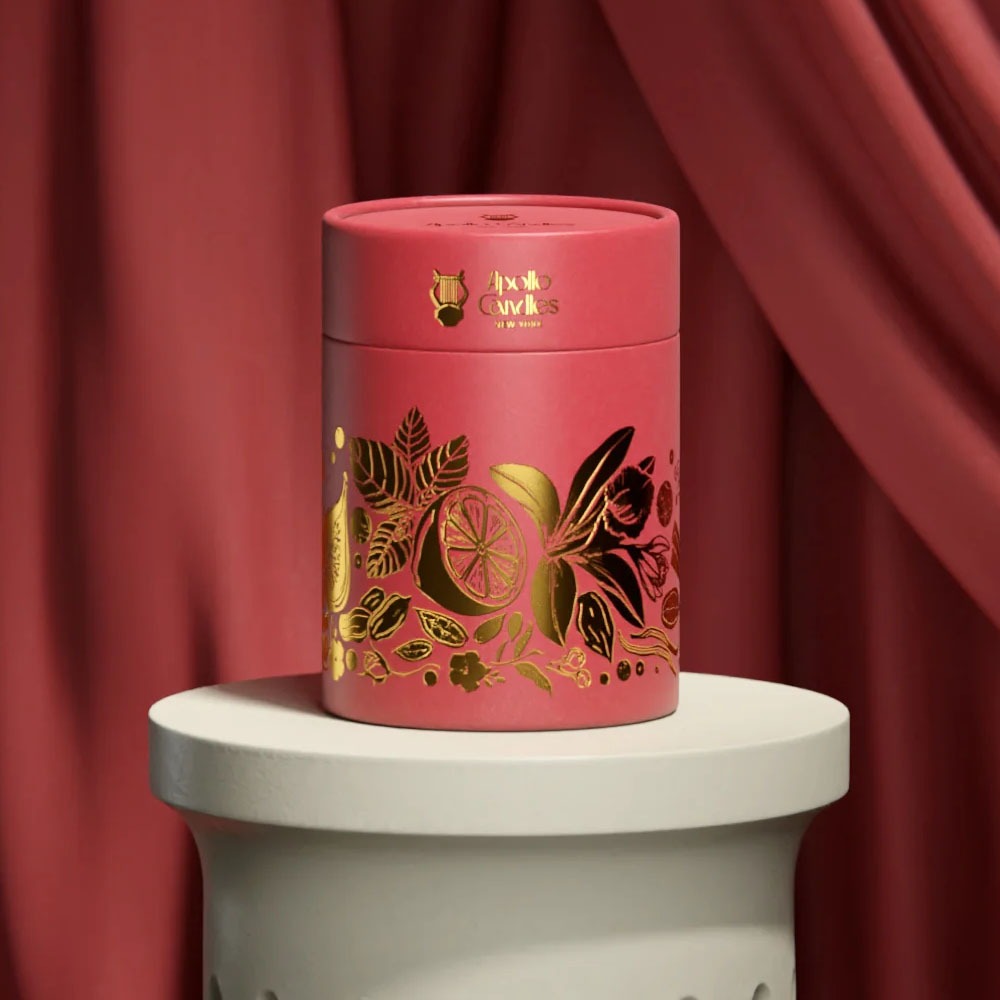
そこで リサイクル可能なキャンドル・チューブ包装 がその地位を獲得している。硬質紙管は、高級感があり、安全に輸送でき、サステナビリティの主張もシンプルに保つことができる。.
各カテゴリーの構造と仕上げのアイデアについては、ここからご覧ください: カスタム紙管包装製品
ページを統計情報で溢れさせる必要はない。必要なのは、バイヤーがすでに認識している、根拠のあるいくつかのポイントだけだ。.
| 証明ポイント | 示唆するもの | キャンドル紙管をサポートする理由 | ソース・タイプ |
|---|---|---|---|
| 紙・段ボールのリサイクルは多くの市場で好調 | 繊維包装は、しばしば既存のリサイクル行動に適合する | 開梱後の「これはどこに行くんだ? | 紙・段ボールリサイクル業界の報告 |
| フレキシブル・プラスチック・フィルムの回収は低水準にとどまる | “リサイクル可能 ”が “実際にリサイクルされている ”とは限らない” | 廃棄の混乱が少ないということは、ネガティブなレビューが少ないということである。 | 政府のリサイクルFAQ+業界の回収調査 |
| 消費者は信頼できる持続可能性に報いる | 持続可能性はプレミアム・ポジショニングを支える | パックが正当に見えるとき、価格決定力を保護するのに役立つ | 消費者持続可能性調査 |
| テストとパックアウトの規律でダメージを軽減 | 丈夫な梱包で破損や返品を削減 | より低いダメージは、よりクリーンなサステイナビリティを支える | 包装試験標準+ロジスティクスのベストプラクティス |
プレミアムは “より多くの素材 ”ではない。プレミアムとは コントロール.
チューブが高価に感じられるのは、たいてい細部がしっかりしているからだ:
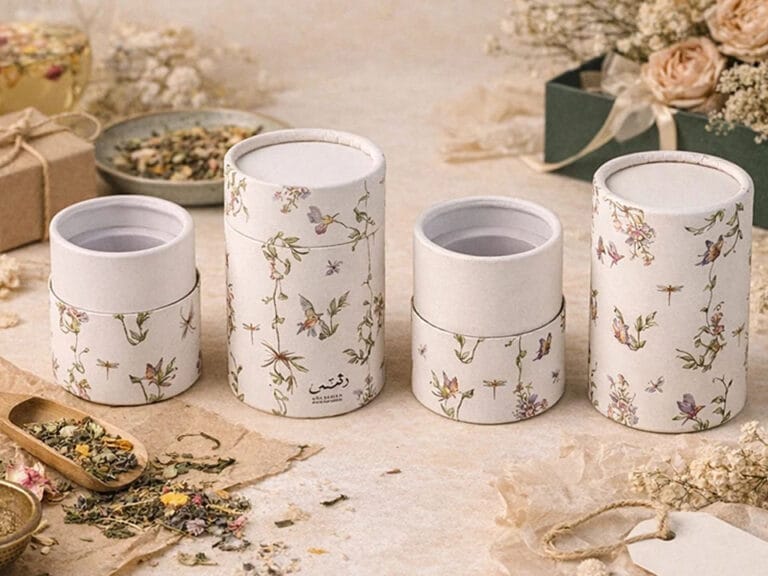
もしあなたのブランドが「ミニマル・ラグジュアリー」を志向しているなら、このスタイルの方向性はよく理解できる: 宝石用マット白紙チューブ包装
顧客は宿題など求めていない。簡単に処分できる選択肢を求めているのだ。.
紙管は、多くの場所で板紙が紙と一緒に使われるという、人々がすでに理解している習慣に合致しているため、一般的に勝者となる。だからといって、すべての地域ですべての紙管がリサイクルされているわけではない。つまり、包装 身近なカテゴリーから 買い物客に多素材パズルの解読を求める代わりに。.
実用的な一手:パックに短い廃棄線を印刷する。無地にする。例「設備がある場所では紙と一緒にリサイクルする。必要であれば、紙以外の部分を分別する。“
この一行があることで、摩擦が減り、持続可能性の主張が審査で疑問視される可能性が低くなる。.
ここに罠がある。包装は理論上は「リサイクル可能」でも、実際の生活では不満が残る。.
フレキシブルフィルムやミックスラミネートは、しばしば特別なドロップオフストリームを必要とする。多くの人はそれをしない。捨てて、腹立たしく思い、ブランドを非難する。そうやって、「エコ」メッセージは懐疑に反転するのだ。.
紙管は、素材の手がかりが明らかなので、その摩擦のほとんどを避けることができる。見た目はボール紙。感触もボール紙のようだ。人々は紙管をどう扱えばいいか、より頻繁に知ることができる。.
もし窓際の装飾に惹かれるのであれば、意図的かつ最小限の装飾にとどめましょう。この製品スタイルからビジュアルコンセプトを拝借し、素材戦略をクリーンに保つことができる: 透明窓と取っ手付き紙管包装
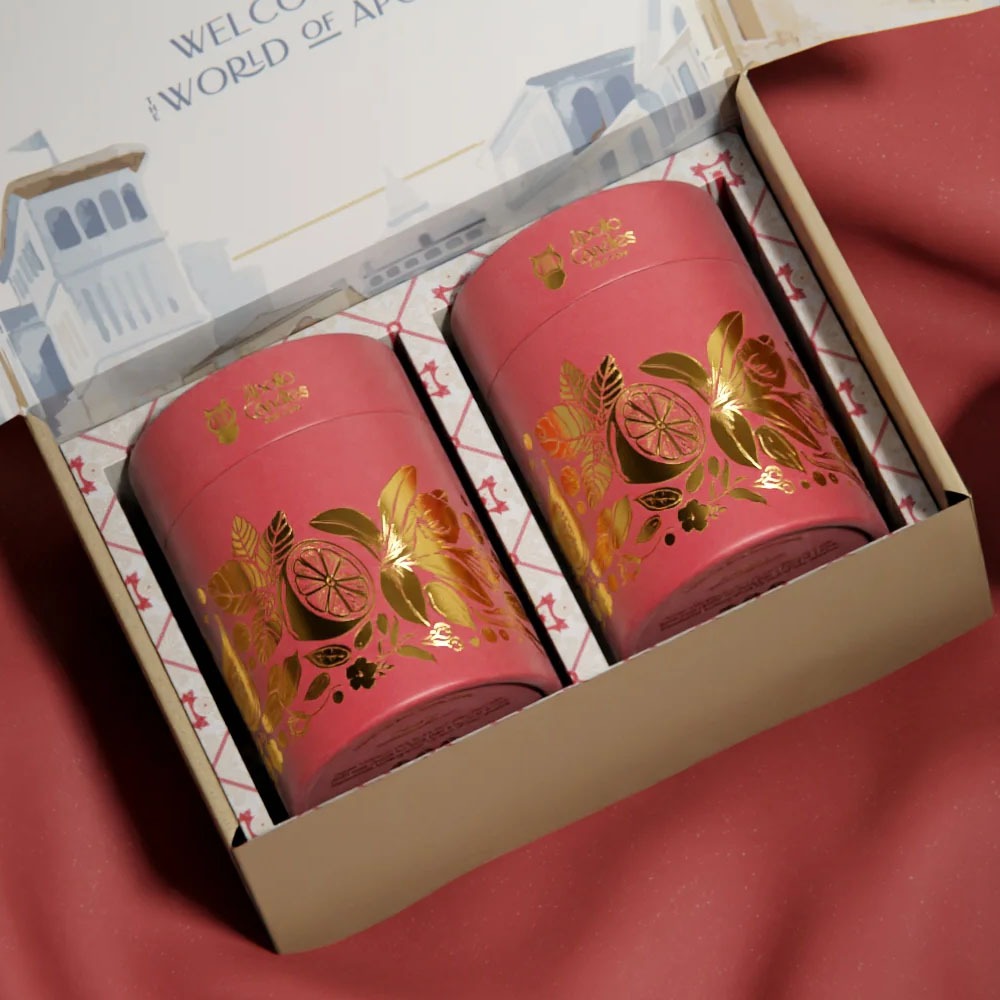
キャンドルは、ガラス+ワックス+振動+積み重ね圧力という危険地帯で出荷される。.
硬いチューブは、多くの折りたたみカートンよりも圧縮に強いため、助けになる。また、一般的な故障モードも減らすことができます:
この保護は、壊れた瓶の数を減らすということだけではありません。それは、サポートチケットの減少、交換の減少、そしていつまでも残る「破損して到着した」というレビューの減少につながるのです。.
DTCではオーバーパックは禁物。また、詰め込み過ぎも禁物だ。スウィートスポットは、「ダメージを減らす」考え方であり、実際のハンドリング条件をクリアする最小限の設計をすることである。.
紙管はデフォルトで強力なので、他のシステムを簡素化できることが多い:
素材の選択も役立つ。. パックアウト・エンジニアリング は支払いを済ませる。.
正しいサイズとは、チューブとインサートが手袋のようにジャーにフィットすることを意味する:
これで減る:
1) サブスクリプション・キャンドル・プログラム 小さな不整合が増幅される。少し緩んだチューブは、時間とともにノイズとなり、擦れ、戻りとなる。コントロールされた直径と安定したインサート設計でそれを解決する。.
2) ギフトセットとバンドル 香りをひとまとめにする場合は、チューブの高さや蓋のスタイルを揃える。一貫性は売れる。.
3) 市場での履行 自動ハンドリングはブランディングを気にしません。硬いチューブは、マルチタッチによる仕分けや長距離ルートでの生存率を高めます。.
クリーンなクロージャーと “デイリー・プレミアム ”な構造を求めるなら、この1本がいい: 茶包装用クラフト紙管箱
持続可能性が現実的で簡単だと感じられるとき、人々は持続可能性にお金を払う。.
信頼を失う最も早い方法は、曖昧な表現だ。ふわふわしたレッテルは飛ばしましょう。具体的な言葉に置き換えてください:
混乱が少なく、箱詰めも簡単で、より良い贈り物ができる。.
バイヤーは “これはリサイクルできるか?”と聞くだけではない。彼らはまた、“繊維は責任を持って調達されているか?”とも尋ねる。”
小売業者、流通業者、またはコンプライアンス・チェックリストを持つブランドに販売する場合、認証繊維オプションは承認をスムーズにすることができます。また、ブランド・ストーリーの一貫性を保つのにも役立ちます。それは「より良い調達」でもあるのです。“
長い説明は必要ない。オプションが必要であり、あなたが主張することと一致する書類が必要なのです。.
多くの “リサイクル可能な ”包装の話は、ここで静かに破たんする。.
間違った仕上げは、紙管を混合素材の頭痛の種に変えてしまう。耐摩擦性、耐油性、防湿性が必要な場合、コーティングの戦略は重要です。.
多くのブランドは、リサイクル性の目標をサポートするように設計されたコーティング・アプローチに移行している。.
| ゴール | 何を優先するか | 注意すべきこと |
|---|---|---|
| 棚の耐久性 | 重いプラスチックフィルムなしで印刷物を保護するコーティング戦略 | リサイクルを複雑にする厚いラミネーション |
| プレミアムな手触り | マットまたはソフトタッチの外観で、スケールを変更しても一貫した外観を保ちます。 | 指紋、ひび割れ、不均一に見える仕上げ |
| クリーン・アンボックス | 低臭気材料と制御されたインク/コーティングシステム | フレグランスのストーリーを邪魔する強い化学臭 |
キャンドルのブランディングがスキンケア的な「クリーンラグジュアリー」と重なる場合、このカテゴリーリファレンスは仕上げの方向付けに役立つ: 化粧品チューブ包装
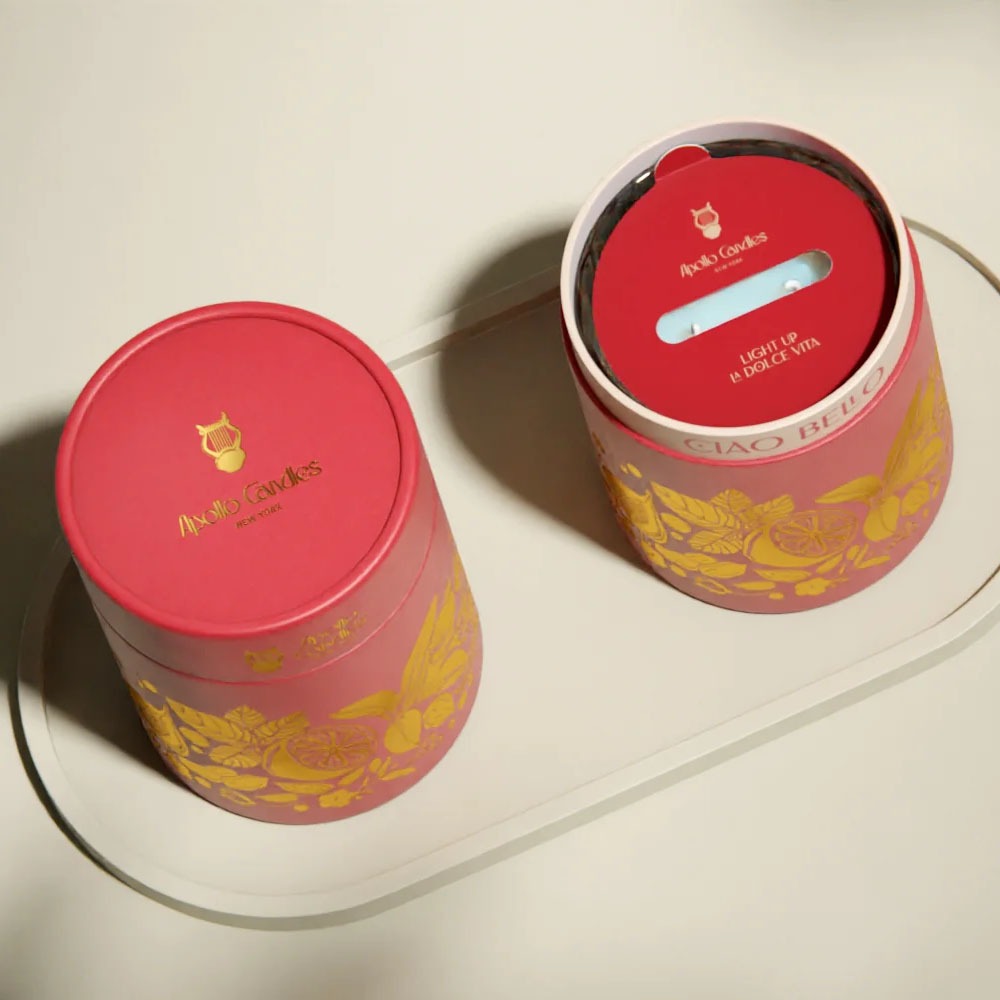
キャンドルブランドはアイデアで失敗するのではない。再現性に失敗するのだ。.
規模を拡大すると、典型的なペインポイントが現れる:
そこで重要なのがOEM/ODMの実行です。対応できるパートナーが必要です:
製造の位置づけを知るには、ホームページから始めよう: トップカスタム紙管ボックスメーカー
より厳格なカテゴリーで販売する場合、あるいはコンプライアンスを重視したパッケージングを実行するための参考資料が必要な場合は、この本が方向性を示している: チャイルド・レジスタンス紙管包装
リサイクル可能なチューブ+ブランド・グラフィック」というクリーンなインスピレーションを得るために、このフォーマットはキャンドルにも適している: CBDカートリッジ用紙管箱
もしあなたのブランドが衛生的な言葉遣いや整然としたサプライチェーンストーリーを大切にしているのであれば、これも有用な構造の手がかりとなる: プロテインパウダー包装用環境に優しい紙管ボックス
強い リサイクル可能なキャンドル・チューブ包装 プランは流行の言葉ではない。バイヤーが気にする成果についてのものだ:
このような現実を踏まえてチューブを構築すれば、パッケージはバックグラウンド・ノイズではなくなる。パッケージは製品体験の一部となり、清潔で、一貫性があり、規模を拡大する準備が整う。.