まだ適切なパッケージング・ソリューションが見つからない?私たちの上司に相談してください。.
弊社のウェブサイトをご覧になったり、営業担当とお話になったりしても、まだ明確な道筋が見えない場合は、こちらからリクエストをお送りください。あなたのメッセージは、実現可能性、コスト、リードタイムをエグゼクティブレビューするために、私たちのゼネラルマネージャーに直接送られます。明確な次のステップ、つまり何ができるか、何が必要か、お見積もりへの最短ルートをお知らせします。.

ボスと話す

弊社のウェブサイトをご覧になったり、営業担当とお話になったりしても、まだ明確な道筋が見えない場合は、こちらからリクエストをお送りください。あなたのメッセージは、実現可能性、コスト、リードタイムをエグゼクティブレビューするために、私たちのゼネラルマネージャーに直接送られます。明確な次のステップ、つまり何ができるか、何が必要か、お見積もりへの最短ルートをお知らせします。.
パッケージング・マネージャー、調達、パッケージング・エンジニア向け。サイズ、数量、仕上げを指定すると、米国/欧州プログラム向けの要求価格、リードタイム、仕様ガイダンスが表示されます。.
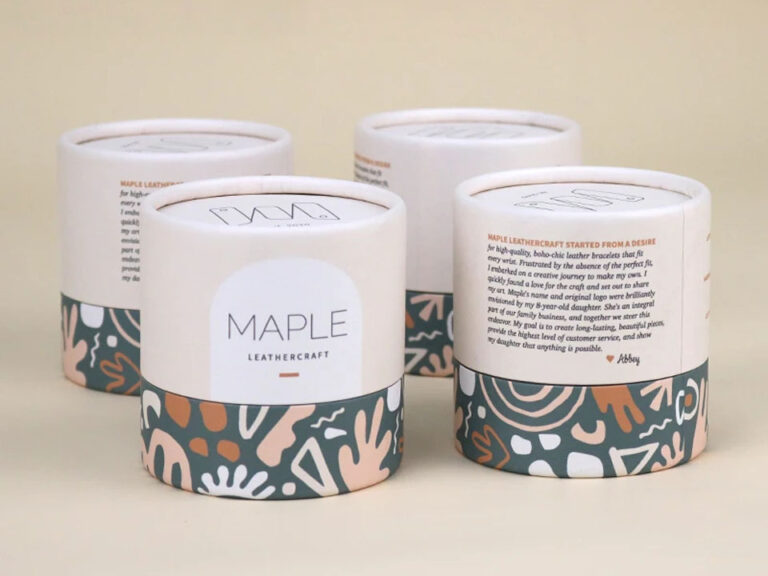
紙管包装はかつて “地球に優しい容器 ”だった。その話は今でも重要だ。しかし、バイヤーはもうエコの謳い文句だけでは満足しない。彼らが求めているのは 売る, 説明する, 守る, そして 感じる このブランドのように。.
だからこそ、紙管は “製品を入れる箱 ”から "製品を入れる箱 "へとシフトしているのだ。 エモーショナル・メディア. .チューブがミニステージになる:グリップ、スライド、ポップ、公開、再利用。正しい使い方をすれば、棚からのピックアップが増え、箱詰めの内容が改善され、「安っぽく見える」というレビューが減る。.
規模を拡大して調達する場合、厳しい公差を維持し、ドラマなしに大量生産できるメーカーも必要です。貴社のサイトは トップカスタム紙管ボックスメーカー, サポート OEM/ODM, 近代的な食品包装精製工場、大規模な倉庫、高い日産量を持つ、大量卸売注文、国境を越えた売り手。これは、調達チームがサインオフする前に聞きたいバックボーンのようなものだ。.
全カテゴリーを見るにはここから: 紙管包装製品 そして、まず全体像を知りたいのであれば、必須のホームリンクを使うこと: カスタム紙管箱ホームページ
プロフェッショナルなサポートを求められたので、セールスデッキで再利用できるエビデンス表を紹介しよう。外部リンクを避け、出典を明確にしています。.
| 経験の主張(言えること) | 紙管の実用的な意味 | ビジネス上の価値(顧客が関心を持つ理由) | エビデンス・ソース(外部リンクなし) |
|---|---|---|---|
| 紙/ボール紙はしばしば「自然」と「信頼」のシグナルとなる。“ | 素材の選択は、仕上げがストーリーにマッチすれば、知覚される品質を高めることができる。 | コンバージョンが高く、ウェルネス/食品に対する信頼の障壁が少ない | 紙ベースの食品包装に対する消費者の認識に関する査読付き研究(MDPIジャーナル) |
| 多感覚パッケージは注意と知覚価値に影響を与える | タッチ+開封の儀式+音は、ブランドの記憶の一部となりうる | より良いリコール、より強い「プレミアム感」、より多くのシェア | 多感覚パッケージング体験に関する査読付きコレクション(Elsevier/ScienceDirect volume) |
| 紙ベースのパックは、アロマ/水分用にバリア性のアップグレードが必要な場合がある。 | デリケートな製品には、ライナー、コーティング、より良いクロージャーデザインを使用する。 | 苦情の減少、漏洩リスクの低減、より多くの製品カテゴリーに適合 | 紙ベースの食品包装バリアに関する査読付きレビュー(Elsevier/ScienceDirectのレビュー論文) |
| クリエイティブなパッケージは好奇心を刺激し、より深いエンゲージメントをもたらす | 構造的なトリックで顧客の足を止めさせ、対話させる | より高い棚のピックアップ、より強いアンボックス・ウォッチ・タイム | パッケージの創造性と消費者の好奇心に関する査読付き研究(Journal of Business Research誌) |
| 文化的シンボルのデザインは、体験→知覚価値→購買意欲に影響する。 | 文化的な合図は、構造+儀式に組み込まれているときに最も効果的である。 | より良いギフト・パフォーマンス、より強いローカル・アイデンティティ | 文化的シンボルメタファーデザインに関するSORモデルを用いた査読付き研究(PLOS ONE) |
| QR/ARがパッケージングをデジタル・タッチポイントに拡大 | スキャン・トゥ・ラーン, 信頼性, オンボーディング, ブランドストーリー | 返品が少ない、教育が良い、信頼が高い | AR/QRパッケージングの相互作用に関する査読付き研究および業界文献 |
紙管には2つの不当な利点がある:
この行動は小売にとってもD2Cにとっても重要である。小売業では、商品を手に取りやすくし、棚に並べる時間を長くする。D2Cでは、箱を開ける瞬間をコンテンツにアップグレードする。.
バイヤーの視点から見れば、痛みは予測できる:
そこで役立つのがワンストップ・メーカーだ。ハンドオフを減らし、手戻りを減らし、プロジェクトが責任の連鎖にならないようにします。.
紙管は基本的に多感覚装置である。顧客はそれを見て、握り、ねじり、スライドさせ、開く音を聞く。その一連の流れが、試食する前から、中の商品について感じるものを形作るのだ。.
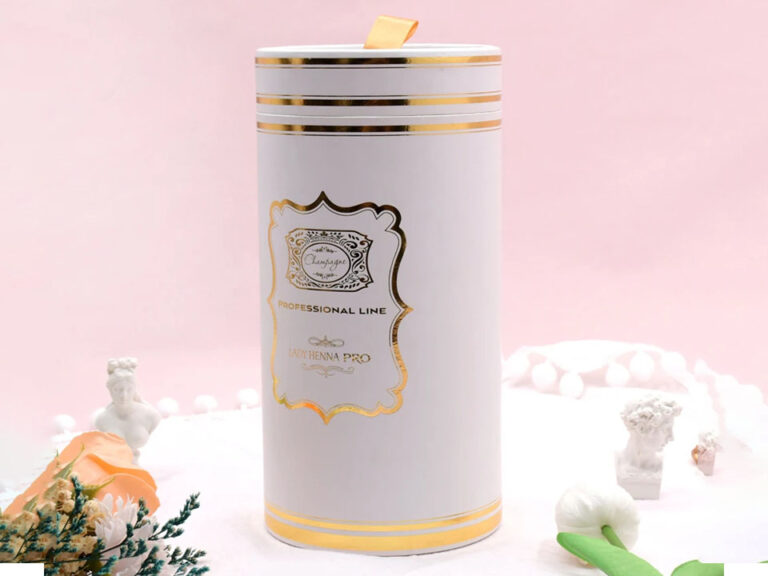
もしあなたの顧客が高級品を販売しているのであれば、チューブは良い意味で “タイト ”でなければならない。それはふわふわしたものではありません。それは、価値あるエンジニアリングなのだ。.
実際のオーダーで機能する、シーンに基づいたアンボクシングのアイデア:
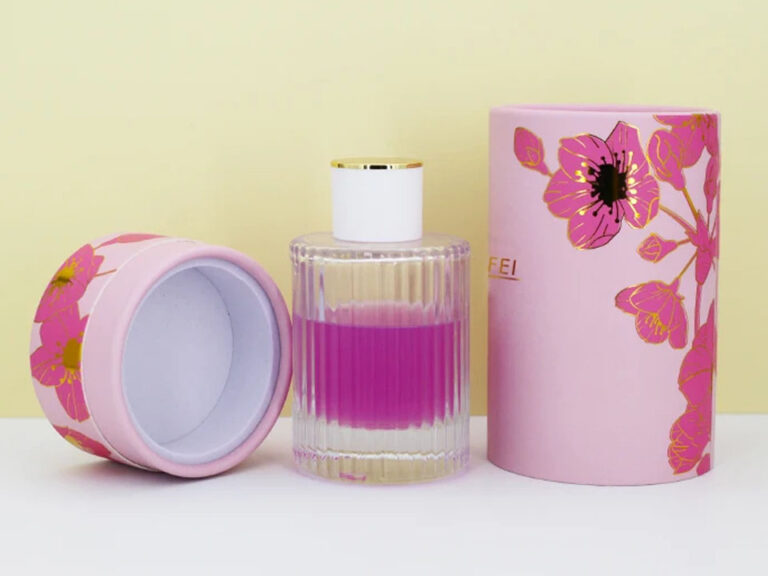
美容ブランドにとっては、このスタイルがよく似合う: カスタム化粧品段ボールチューブ. .複雑なパーツを必要とせず、プレミアムな露出をサポートする。.
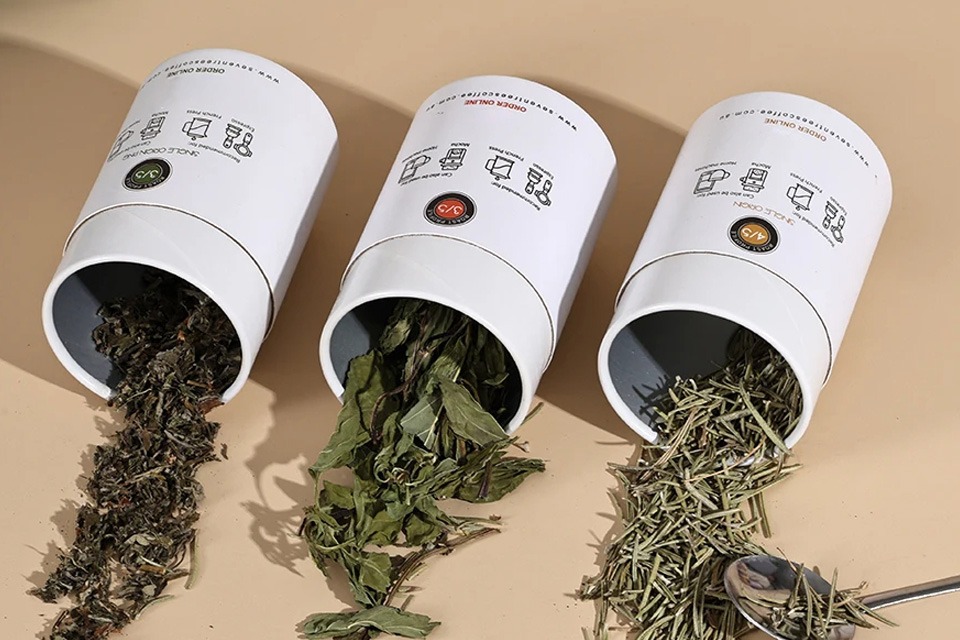
持続可能性は単なる主張ではない。感覚なのです。紙管を使えば、エコストーリーを顧客が触れることのできるものに変えることができます。.
そのコツは、素材体験を意図的にデザインすることだ:
紙は、特に食品や健康分野において、消費者の心に「よりクリーンで、より安全で、より自然に近い」という雰囲気をもたらすことが多い。そのため、先手を打つことができる。しかし、それでもなお、見た目と約束を一致させなければならない。.
良い試合の例
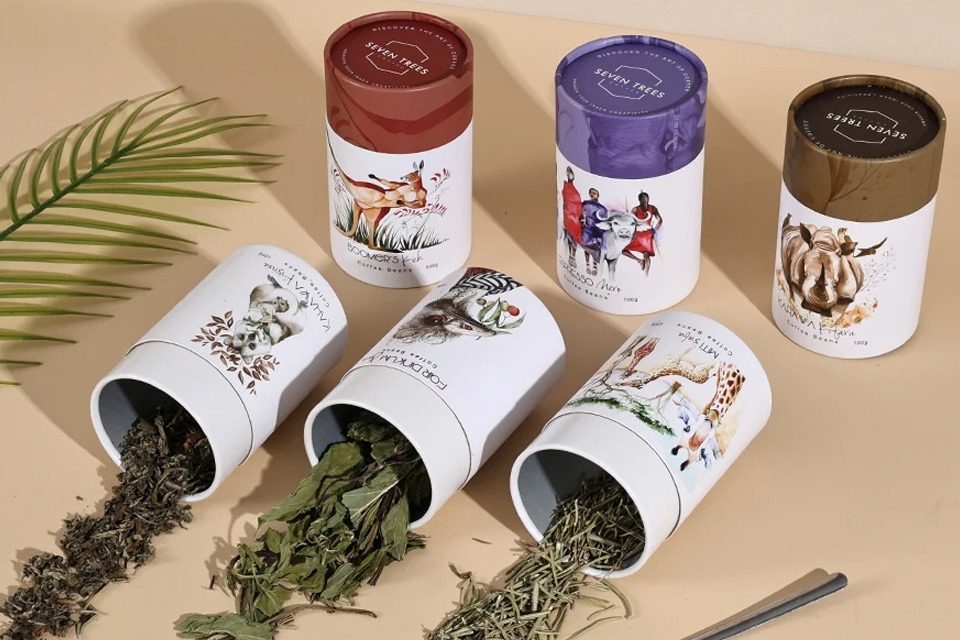
食品用」と「贈答用」の両方を販売する紅茶のユースケースにとって、この商品タイプは非常に適している: ブリキ蓋付き茶筒.
製品によっては、表面の美しさだけでは不十分なものもある。バリア性能が必要なのだ。紙だけでは、湿気、酸素、香りに苦労するかもしれません。そこで、構造を選択することが重要なのです。.
紙面のストーリーを維持するバリアフリーの選択
スポーツ栄養剤の場合、チューブタイプは硬く、積み重ね可能で、再利用できるので実用的だ。きれいな例を挙げよう: プロテインパウダー紙管包装.
ソーシャルシェアを増やし、リテンションを高めたいのであれば、顧客に何かを与えよう。インタラクティブな構成は、電子機器を追加することなく「瞬間」を作り出す最も簡単な方法だ。.
好奇心は今やパフォーマンス指標だ。賢いと感じられるデザインは、人々をゆっくりとさせ、より長く見て、より多く記憶させる。.
規模を拡大する低リスクの構造改革
ファッション・アクセサリーの場合、ウィンドウ・プラス・ハンドルは、シンプルな製品をギフトの瞬間に変えることができる: 透明窓とシルクハンドルの紙管包装.
SKUがビューティーやウェルネスで、より多くのブランディング面が必要な場合、両面印刷を使えば、パーツを増やすことなく、より多くのストーリーを伝えることができる: 両面の印刷された毛皮の釘のペーパー管の包装.
カルチュラル・デザインは、装飾ではなく、意味を感じるときに最も効果を発揮する。ブランドは、お祭り、観光商品、地域とのコラボレーション、プレミアムギフトなどにこのデザインを活用している。.
最強の文化チューブは、単にパターンを印刷するだけではない。儀式を構築するのだ:
ジュエリーの贈り物は、買い手がセレモニーを期待しているため、完璧にマッチする。クリーンでプレミアムなスタイルはこんな感じ: マットホワイトジュエリーペーパーチューブ包装.
スマート・パッケージングはセンサーを意味する必要はない。QRコードを使えば、チューブはすでにデジタル・タッチポイントになる。.
本当の痛みを解決するスキャンフローを使おう:
複雑な商品を販売する場合、顧客はその商品をいかに早く理解するかで判断することが多い。デジタル・ツイン」スタイルのフローは、スキャン→学習→検証→共有に役立つ。.
規制品目やデリケートな品目には、強力なチューブとデジタル教育を組み合わせるのがクリーンなプレーだ。カテゴリー例 CBDカートリッジ紙管箱.
クローズド・ループには大きな演説は必要ない。再利用が自然になるような小さな選択が必要なのだ。.
顧客が実際に行うクローズド・ループの動き
チューブが保管されるようになると、顧客が再びチューブを目にするたびに「ブランド露出」を得ることができる。これは静かなマーケティングだ。広告のようには感じない。ユーティリティのように感じられる。.
美観だけでなく、コンプライアンスが求められるカテゴリーもある。小児に耐性のある構造、改ざん防止、明確なラベリングは、小売店がその製品を受け入れるかどうかを決定する可能性がある。.
大麻関連商品を販売する場合、最後にコンプライアンスを後付けしてはならない。コンプライアンスに準拠したチューブ構造から始め、その上にブランディングを重ねる。これは直接的に一致する: チャイルド・レジスタンス紙管包装.
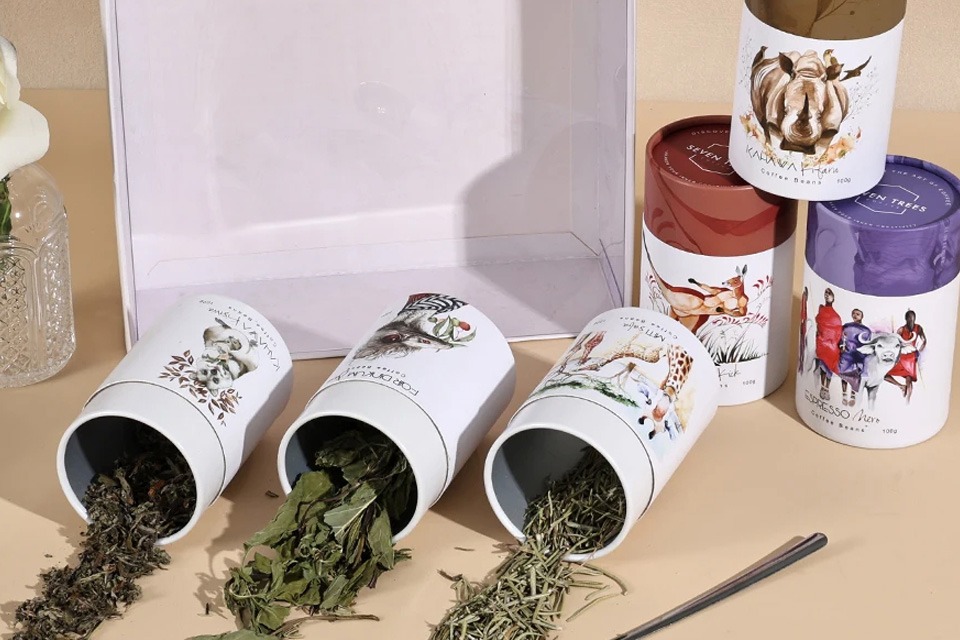
優れたコンセプトも、大量生産に流されれば失敗する。バルクバイヤー、卸売業者、ブランドオーナーに使える実用的なチェックリストがここにある:
そのチェックリストは、バイヤーのペインポイントに直接語りかけます。また、設計と生産の現実の両方を理解しているメーカーという位置づけにもなる。.