まだ適切なパッケージング・ソリューションが見つからない?私たちの上司に相談してください。.
弊社のウェブサイトをご覧になったり、営業担当とお話になったりしても、まだ明確な道筋が見えない場合は、こちらからリクエストをお送りください。あなたのメッセージは、実現可能性、コスト、リードタイムをエグゼクティブレビューするために、私たちのゼネラルマネージャーに直接送られます。明確な次のステップ、つまり何ができるか、何が必要か、お見積もりへの最短ルートをお知らせします。.

ボスと話す

弊社のウェブサイトをご覧になったり、営業担当とお話になったりしても、まだ明確な道筋が見えない場合は、こちらからリクエストをお送りください。あなたのメッセージは、実現可能性、コスト、リードタイムをエグゼクティブレビューするために、私たちのゼネラルマネージャーに直接送られます。明確な次のステップ、つまり何ができるか、何が必要か、お見積もりへの最短ルートをお知らせします。.
パッケージング・マネージャー、調達、パッケージング・エンジニア向け。サイズ、数量、仕上げを指定すると、米国/欧州プログラム向けの要求価格、リードタイム、仕様ガイダンスが表示されます。.
スキンケアのパッケージは単なるきれいな殻ではない。製品の一部なのだ。処方箋を保護し、ユーザーエクスペリエンスを形成し、ブランドが信頼できるのか、それとも大ざっぱなものなのかを知らせます。DTC、マーケットプレイス、小売で販売する場合、パッケージは、輸送中の破損、漏れの苦情、ラベルの貼り替えの混乱、偽造品のリスクなど、誰もインスタグラムに投稿しないものも決定する。.
で カスタム紙管ボックス, を構築する。 カスタム紙管包装 を必要とするブランドや卸売バイヤーのためのものです。 OEM/ODM, 大量注文、安定した規模での生産。全製品をご覧になりたい方は カスタム紙管箱ホームページ または 製品カタログ.
以下では、実践的な話をする。同じ3本柱でも、理論的なことは少なく、“自分の製品が実生活で生き残るためには何を仕様にすればいいのか?”ということに重点を置く。”
| エビデンスに裏打ちされたポイント | 現実世界での意味 | ソース |
|---|---|---|
| 非物質化 (より少ない材料で)、そして リサイクル・コンテンツ 多くの場合、持続可能性が大きく向上する | 流行の素材を追う前に、素材を取り除き、構造を単純化することから始める | 2024 化粧品包装の取り組みに関するLCA研究(査読あり) |
| への切り替え 100%リサイクル材料 によって全体的な影響を減らすことができる。 42-60% 研究シナリオ | PCRとリサイクル素材は、測定可能な持続可能性の主張をサポートすることができる(シナリオに依存する) | 同じ2024年のLCA調査(シナリオ結果は異なる) |
| EU PPWR(規則(EU)2025/40) が発効され、今後広く適用されることになる。 2026年8月 | EU域内で販売する(または販売する予定がある)場合、「リサイクル可能な設計」が基本的な期待になる。 | EU PPWR規制のスケジュール |
| 偽造品取引は化粧品を含む消費者の安全リスクを生む | 認証機能は飾りではない。リスクコントロールなのだ。. | 模倣品貿易に関するOECDの報告 |
| 偽造者は、部品を別々に移動させ(パッケージ/ラベル/製品)、現地で組み立てることが多い。 | 外箱が最前線の管理ポイントになる | OECDの調査結果をまとめた産業分析 |
| GS1デジタルリンク 構造化されたQRベースの検証ワークフローをサポート | 1つのQRで、DTCの利用、小売店のチェック、販売店のワークフローに対応できる | GS1 デジタル・リンク・ガイダンス |
顧客はラボで安定性を “テスト ”するわけではない。浴室や袋、配送用の箱の中でテストするのです。包装は、酸素、光、湿度、繰り返しの接触など、あなたの処方が受ける影響をコントロールします。.
紙管でも 二次梱包 (アウター・パッケージング)であっても、パフォーマンスを保護することは可能だからだ:
スキンケアラインを立ち上げようとしていて、拡張性の高いプレミアム・チューブ・フォーマットが欲しいのであれば、この商品はその出発点として最適である: カスタム化粧品段ボールチューブ包装.
製品が素晴らしくても、パッケージが煩わしくなれば顧客を失うことになる。よくある痛みのポイントを考えてみよう:
そこで、包装がリテンション・ツールになる。より清潔なディスペンサーとより良い保護は、多くの場合、より少ない苦情、より少ない返品、より少ない星1つの「破損して到着した」レビューとして表示されます。.
光は静かなトラブルメーカーである。紫外線や強い小売店の照明は、特定の成分の劣化を促進し、色の変化、臭いの変化、性能の低下として現れます。顧客はこれを “光劣化 ”とは呼ばない。彼らは “違和感がある ”と言うだろう。”
賢い回避策は簡単で、インナーコンテナの美しさはそのままに、光を遮断し輸送に耐えるアウターパックで保護することだ。硬質チューブは、パックを壊れやすい展示品にすることなく、まさにそれを実現します。.
ビタミンを多く含む処方や植物性処方を販売している場合、おそらくこのようなレビューを目にしたことがあるだろう:
保護チューブは弱いフォーミュラを修復することはできないが、予防可能なダメージを食い止めることはできる。これは簡単な勝利だ。.
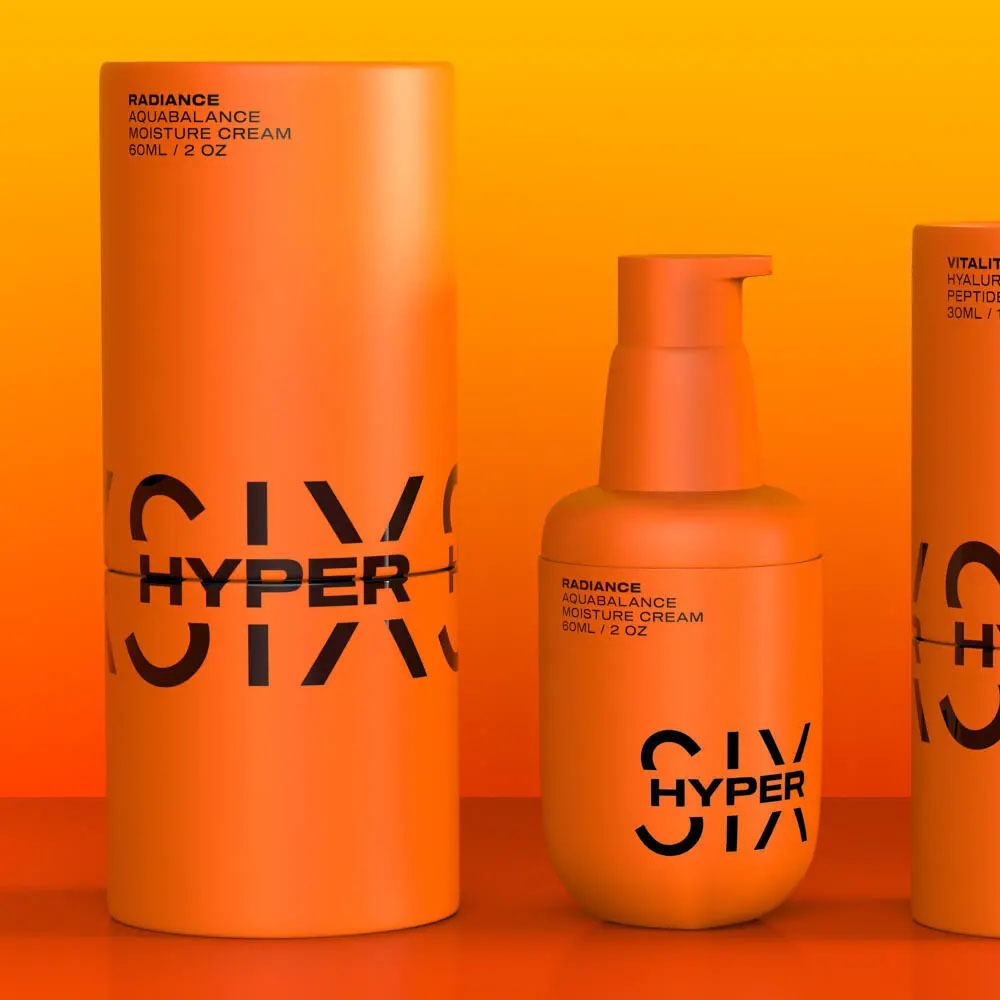
精査に耐えうる持続可能性を求めるなら、より少ない材料とクリーンな構造から始めることだ。これは単なるエコの動きではない。それはオペレーション上の動きでもある。.
パーツを減らし、構造を単純化すると、通常はこうなる:
パッケージング作業で言えば、BOMの複雑さを減らし、一貫性を強化することだ。.
非物質化とは、“薄っぺらにする ”ことではない。それは “効率的にする ”ことだ。”
チューブ・プロジェクトではこんな感じだ:
実用的な構造を保ちつつ高級感を出したいのであれば、すっきりとしたクロージャーシステムを備えたリジッドアウターが効果的だ。プレミアムなリジッド構造のロジックの参考として、以下のようなフォーマットをご覧ください。 ブリキ蓋付き茶筒包装. .カテゴリーが違うだけで、同じ “贈与可能な硬さ ”の振る舞いだ。.
PCRは仕様化可能で文書化できるため、サステナビリティ・ストーリーを強化することができる。PCRは、トーン、テクスチャー、印刷結果にばらつきをもたらす可能性があるため、ブランドがつまずくところでもある。.
大量生産する場合、サプライズは必要ありません。安定した印刷、安定した色、予測可能な耐擦過性など、再現性のある出力が必要です。.
これが現実的なアプローチだ:
これが、典型的な痛みを避ける方法だ。持続可能性のアップグレードが、一貫性の問題に発展してしまうのだ。.
EUで販売する場合、PPWRはパッケージングをより廃棄物の少ない、よりリサイクルしやすい方向に導きます。現在ヨーロッパに出荷していなくても、大手小売業者やプラットフォームは、時間の経過とともにその方向に向かうことが多い。早めに計画を立てることで、土壇場での再設計のループから逃れることができます。.
紙管二次包装の場合、“リサイクル可能な設計 ”とは、通常、以下のことを意味する:
それでもプレミアムは作れる。ただ、規律をもってプレミアムを築くだけだ。.
リフィルはエコの話だけではない。ブランド・システムなのだ。顧客は良い部分を残し、消耗品を交換する。うまくやれば、安っぽくなく、意図的だと感じられる。.
硬質チューブは「キーパー」アウターパックとしてうまく機能する:
これを軸に製品ラインを構成すれば、リテンションのテコになる。.
本物であることは、明確であることから始まる。人々は、基本を簡単にするブランドを信頼する:
チューブは、小さなボトルに小さな文字を詰め込むことなく、より多くのスペースで伝えることができる。.
マーケットプレイスで販売する場合、透明なパッケージも摩擦を減らす:
もし、ブランドがどのように表面積を利用して明確なコミュニケーションを図っているかを示すチューブ・フォーマットが欲しいなら、ここに参考スタイルがある: ヘア&スキン&ネイル紙管包装. .重要なのはカテゴリーではない。明確さだ。.
模倣品業者は、一目でそれとわかるパッケージの、リピート率の高い製品を好む。スキンケアは格好のターゲットだ。また、一部の模倣品業者は出荷を分割し、あるルートで包装し、別のルートで製品を出荷し、現地で組み立てる。そのため、外箱が実質的な管理ポイントとなる。.
デザインを損なうことなく、拡張性のある偽造防止レイヤーをお望みなら、ぜひ注目してほしい:
これはパラノイアではない。チャネル保護だ。偽造品は信頼を失い、レビューにダメージを与え、価格設定を混乱させる。.
リスク管理」がパッケージングの期待に組み込まれている参考書式が必要な場合は、以下を参照されたい。 子供用紙管包装. .またしてもカテゴリーが違う。同じプレーブック:保護、コンプライアンス・シグナル、買い手の信頼。.
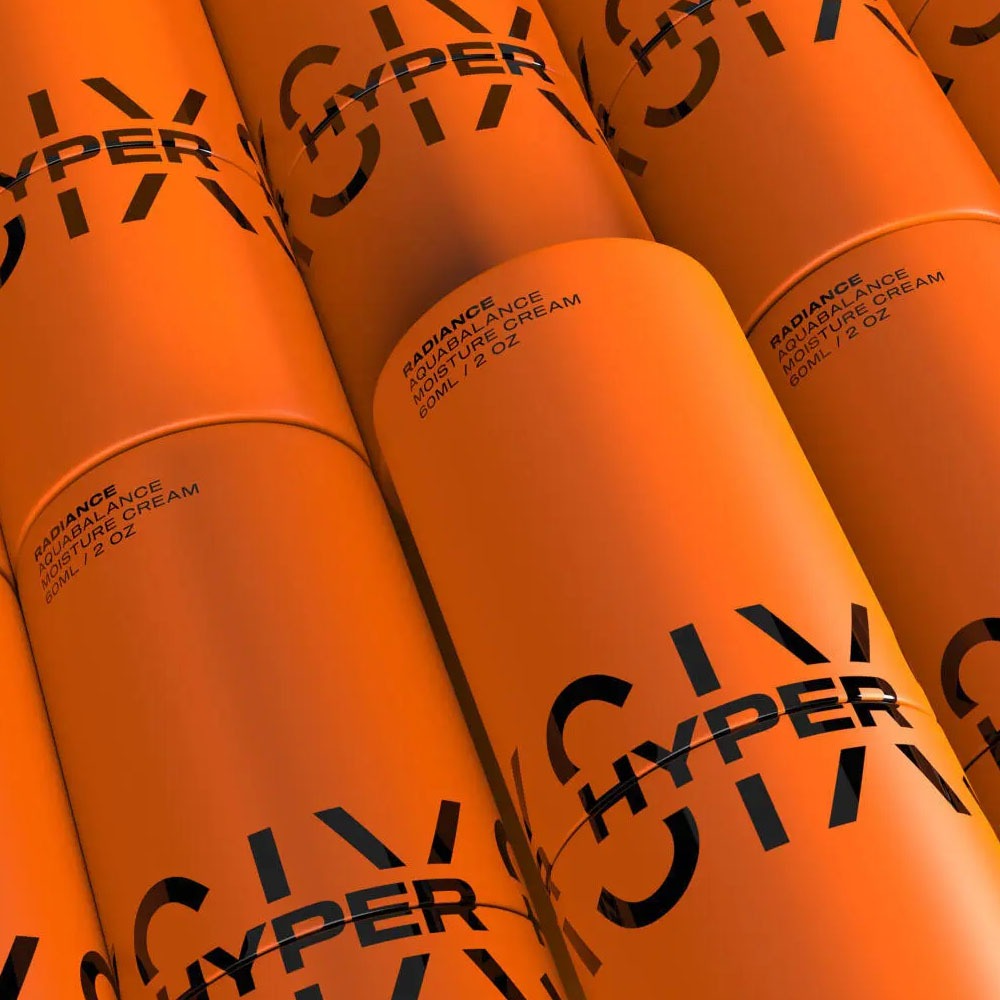
QRコードは、構造化されたシステムに接続することで最も効果を発揮する。GS1 Digital Linkは、一貫した製品識別とルーティングをサポートする規格の1つです。.
1つのコードで複数のチャンネルに対応できる。.
よく設計されたスキャンフローは可能である:
また、硬いチューブは出荷後もQRコードを読み取り可能な状態に保ちます。薄いカートンはしわになりやすく、傷つきやすい。スキャニングに依存する場合、これは重要な些細なことです。.
隣接するウェルネス・カテゴリーで販売するのであれば、このパッケージ・ロジックは以下のようなフォーマットで認識できるだろう。 CBDカートリッジチューブ包装強力な構造、クリーンなブランディング、検証のためのスペース。.
| スキンケア製品タイプ | 共通の痛点 | 役立つパッケージング仕様 | チューブベースのアプローチ |
|---|---|---|---|
| 敏感肌用アクティブ美容液 | 軽いダメージ、“後半は弱く感じる” | ブロックライト、ディスペンサー保護 | 硬質不透明二次管 |
| クリームとジャー | 汚染、乱雑な使用 | クリーナーの保管と保護 | スナップインサート+硬質チューブ |
| ギフトセットとバンドル | 輸送中の擦れや潰れ | 強固なプロテクション+タイトフィット | 落下に強いチューブ+インサート |
| 国境を越えた電子商取引 | ラベルの混乱、コンプライアンスの摩擦 | クリーンパネル+QRによる多言語対応 | チューブは、明確なラベリングのためのより広いスペースを提供する |
| 模倣品リスクのあるブランド | 偽クレーム、チャンネル争い | シリアライゼーション+スキャン・トゥ・ベリファイ | チューブが検証用キャンバスに |
パッケージングをシステムのように仕様化すれば、単に箱がきれいになるだけではありません。よりスムーズなビジネスが可能になるのだ:
もしあなたが迅速に動きたいのであれば、ヒーローとなるSKUを1つ選び、そのSKUを中心にシステムを構築する。そして、同じフレームワークをライン全体に拡大する。そうすることで、パッケージングを絶え間ない消防訓練にすることなく、ブランドを成長させることができる。.