팝업 양식

아직 적합한 포장 솔루션을 찾지 못하셨나요? 상사와 상담하세요.

웹사이트를 검토했거나 영업팀과 상담했지만 여전히 명확한 경로가 보이지 않는다면 여기에서 요청을 보내주세요. 요청이 접수되면 총괄 관리자에게 직접 전달되어 실현 가능성, 비용, 소요 시간 등을 검토합니다. 다음 단계, 즉 저희가 할 수 있는 일과 필요한 사항, 가장 빠른 견적 경로에 대한 명확한 답변을 받으실 수 있습니다.

  • 사양, 사용 사례 및 제약 조건에 대한 GM의 직접 검토
  • 크기 + 구조 확인: 직경, 높이, 벽 강도, 인서트
  • 브랜드 + 예산에 맞는 권장 사항 인쇄/완료
  • 비용 절감 대안 및 리드타임 개선 옵션
  • 견적 경로 명확성: MOQ, 샘플링 계획 및 다음 단계
리즈 펭
상사와 대화하기
팝업 양식

맞춤형 종이 튜브 포장에 대한 빠른 견적 받기

포장 관리자, 조달 및 포장 엔지니어를 위해 제작되었습니다. 크기, 수량, 마감을 지정하여 미국/유럽 프로그램에 대한 주문량, 리드 타임, 사양 안내를 받을 수 있습니다.

  • 견적 가능한 사용자 지정: 직경, 높이, 벽 두께, 인서트, 라이너 및 마감재
  • 프리미엄 마감: CMYK/팬톤, 포일, 엠보싱, UV
  • 소싱의 명확성: 명확한 사양 + QC + DFM 안내
  • 지속 가능: 요청 시 FSC® 용지 제공
  • 어린이 보호: ISO 8317/PPA에 따라 설계됨
리즈 펭
패키징 엔지니어와 상담하기

Paper Can Packaging Revolution: 8 Design Strategies to Reconstruct Brand Value and Consumer Experience

Paper can packaging used to be “just a tube.” Now it’s a shelf weapon, a shipping shield, and a brand touchpoint that people actually remember.

If you sell on Amazon, Shopify, TikTok, or through distributors, you’ve felt the pain: crushed corners, scuffed prints, leaky aromas, lids that pop in transit, and packaging that looks “premium” in a render but feels cheap in-hand. A well-built paper can fixes those headaches and lifts perceived value at the same time.

As a 최고의 맞춤형 종이 튜브 상자 제조업체, we run a modern food packaging purification workshop and a 12,300m² warehouse, with average daily capacity over 300,000 pcs. That matters because design is only half the story. The other half is repeatable production: tight tolerances, stable lead time, and QC you can prove.

You can browse ready structures and ideas in our 제품 카탈로그.

Paper Can Packaging Revolution: 8 Design Strategies to Reconstruct Brand Value and Consumer Experience

Quick map: strategy → buyer pain point → what to spec

Design strategy keyword일반적인 구매자 고충 사항What to spec (fast)Proof you can request출처
Eco-friendly materials“Eco claim” feels vague, buyers don’t trust itFSC paper options, recycled content, low-odor linersMaterial declarations + in-house batch tracePaper Can Packaging Revolution article + factory QA checklist
Sensory experiencePackaging looks nice but feels flatMatte/soft-touch, emboss/deboss, tight lid fitHand-feel sample set + rub test resultsPaper Can Packaging Revolution article + sampling SOP
Smart packagingQR code exists, but nobody scansQR + landing page flow, anti-counterfeit, batch IDScan test + print registration reportPaper Can Packaging Revolution article + print QC
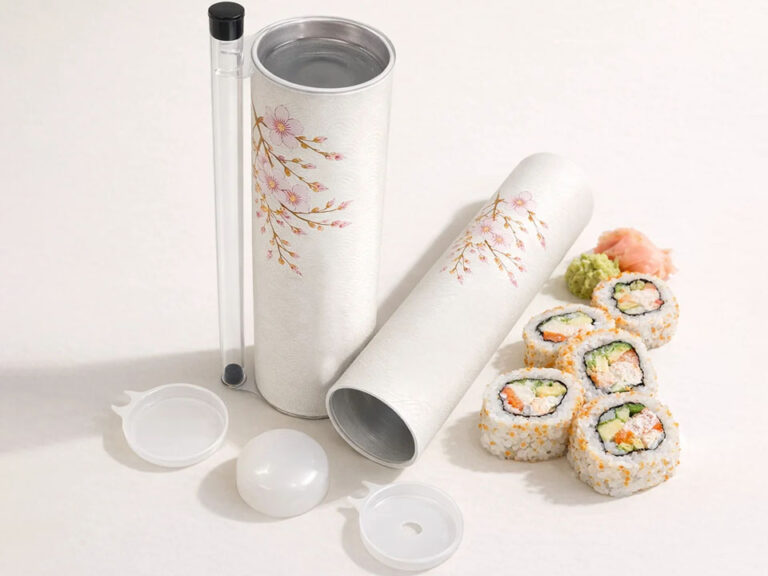
Cultural symbols“Local style” turns cliché fastModern pattern system + restrained colorPrepress proof + color matching planPaper Can Packaging Revolution article + prepress guidelines
Structural functionalityTransit damage, messy unboxingThick wall, friction fit, inner tray, tamper sealDrop/compression checks + fit testPaper Can Packaging Revolution article + line audit
PersonalizationBrand wants “limited drops” without chaosVariable data print, modular lid/bodyDigital proof + barcode/serial verificationPaper Can Packaging Revolution article + workflow SOP
Cost-efficiency balanceToo many SKUs, slow quotingStandard component library, shared toolingSpec sheet + approved component setPaper Can Packaging Revolution article + sales engineering
Brand storytellingPackaging says nothing beyond a logoClear claims + “how to recycle” + origin storyArtwork checklist + compliance labeling reviewPaper Can Packaging Revolution article + packaging copy rules

1) Eco-Friendly Material Innovation

You don’t win with “eco-friendly” as a slogan. You win with a material story that holds up when a retailer, distributor, or customer asks one extra question.

What works in real life

  • 사용 FSC paper options and keep your spec consistent across batches.
  • Add low-odor, food-grade inner structures for tea, coffee, powders, and supplements.
  • Avoid “mystery coatings.” If you need barrier performance, pick a liner/lamination that matches the product and market.

Best-fit scenes

2) Sensory Experience Design

People judge packaging in three seconds: touch, sound, and closure feel. If it squeaks, slips, or feels flimsy, your product pays the price.

What to dial in

  • Hand-feel: matte lamination, soft-touch, or texture paper.
  • Micro-detail: emboss/deboss, spot UV, or foil accents (use them like seasoning, not soup).
  • Closure feel: a lid that seats cleanly with a satisfying “fit,” not a loose wobble.

Best-fit scenes

Paper Can Packaging Revolution: 8 Design Strategies to Reconstruct Brand Value and Consumer Experience

3) Smart Packaging Technology

Smart packaging doesn’t need AR fireworks. Start with what moves the needle: traceability, anti-counterfeit, and repeat engagement.

Practical stack (simple but effective)

  • QR → landing page that matches the product and market language
  • Batch ID or serial code for authenticity checks
  • Scan-to-register for warranty or reorder reminders

Best-fit scenes

4) Cultural Symbol Translation

“Cultural design” isn’t about stuffing patterns everywhere. It’s about translating a vibe into modern packaging language.

What looks premium (and avoids cringe)

  • Use a system: 1 hero motif + secondary texture + restrained palette
  • Keep typography modern and readable
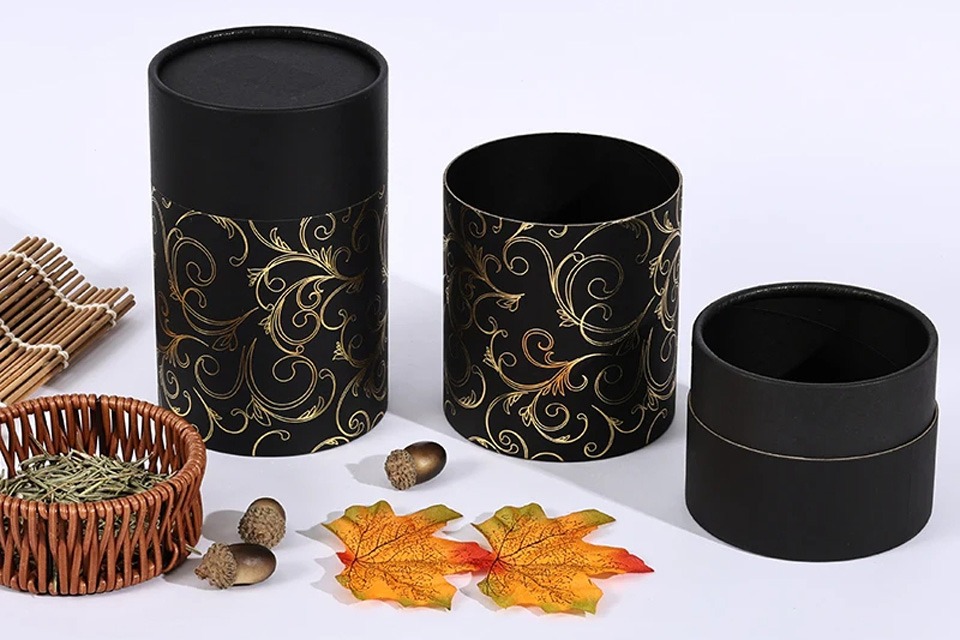
  • Let finishing do the work: emboss, deboss, or a subtle foil line

Best-fit scenes

  • Seasonal drops (Lunar New Year, Ramadan, holiday gifting)
  • Tourist retail and museum stores
  • Cross-border brands that want “origin credibility” without heavy clichés

Prepress tip Lock your color target early (Pantone or managed CMYK) and control paper whiteness. Uncontrolled paper shade can shift your whole look.

5) Structural Functionality Breakthrough

A paper can should solve problems, not create them. If it ships badly, everything else is decoration.

Functional upgrades that matter

  • Thick wall + tight tolerances for stacking and shelf stability
  • Inner trays or dividers for sets, bundles, or fragile items
  • Tamper-evident options for compliance-heavy categories

Best-fit scenes

6) Personalized Customization Strategy

Personalization sells because it turns a normal item into “mine.” But it can also wreck your timeline if you don’t build it right.

Low-friction personalization

  • Variable data printing (names, serials, region drops)
  • Modular components (same core tube, different outer wrap)
  • Digital proofs with version control (so nobody prints the wrong file)

Best-fit scenes

  • Influencer drops and limited editions
  • Subscription boxes and seasonal bundles
  • Retailers testing multiple SKUs before committing to a full line

Workflow rule If you want personalization at scale, build a file naming standard and approval gate. Otherwise, you’ll chase artwork mistakes forever.

7) Cost-Efficiency Balance

Premium doesn’t mean complicated. The smartest brands standardize the hidden parts and spend “visual budget” where customers notice.

How to keep it efficient without looking cheap

  • Use a component library: shared lids, standard cores, flexible wrap designs
  • Reduce SKU chaos: fewer unique structures, more graphic variety
  • Design for production: avoid ultra-tight gradients on textured paper if you want stable color

Best-fit scenes

  • Wholesale programs where consistency matters
  • Distributors who need predictable replenishment
  • Brands scaling from small batch to bulk orders

8) Brand Storytelling Reconstruction

A paper can gives you more surface area than a flat carton. Use it. Don’t waste it on a logo the size of a billboard.

What to print that actually builds trust

  • Short product promise (one sentence)
  • “How to recycle” guidance that’s easy to follow
  • Material and origin info that feels real, not fluffy
  • A brand moment inside the lid (surprise message, QR to community, or reorder path)

Best-fit scenes

  • Brands that compete on story: clean beauty, wellness, specialty food
  • Cross-border sellers who need instant credibility on a shelf
  • Private label programs where packaging must do the explaining
Paper Can Packaging Revolution: 8 Design Strategies to Reconstruct Brand Value and Consumer Experience

Scenario cheat sheet: pick the right tube fast

Product sceneHigh-impact strategiesSuggested reference
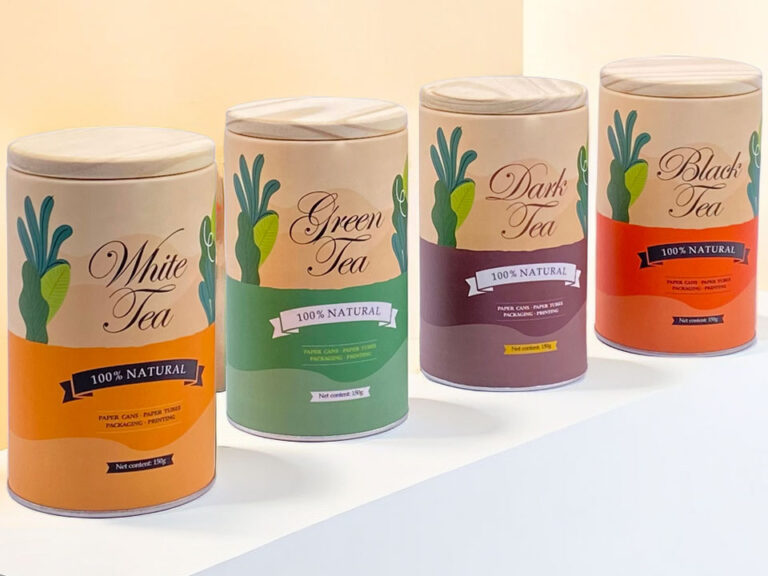
Tea / giftingEco-friendly materials + sensory experience + storytellingTea paper tube packaging
Protein / supplementsMaterials + structural functionality + smart packagingProtein powder tube packaging
화장품Sensory experience + personalization + storytellingCosmetics cardboard tubes
CBD cartridgeSmart packaging + structure + complianceCBD cartridge paper tubes
Cannabis complianceStructure + smart packaging + material story어린이 보호용 종이 튜브 포장
Jewelry / giftsSensory experience + cultural design + storytellingJewelry tube packaging

Where to start if you’re buying OEM/ODM in bulk

If you’re a brand, retailer, distributor, or an agency managing multiple SKUs, don’t start with “make it pretty.” Start with a tight spec that prevents rework.

  1. Lock the product scene (shelf, shipping, humidity, aroma, compliance).
  2. Choose the structure (lid type, wall thickness, inner tray, tamper option).
  3. Pick the finish (texture, emboss, foil, spot UV).
  4. Decide the growth plan (standard parts now, personalization later).
댓글
당신의 사랑을 공유하세요