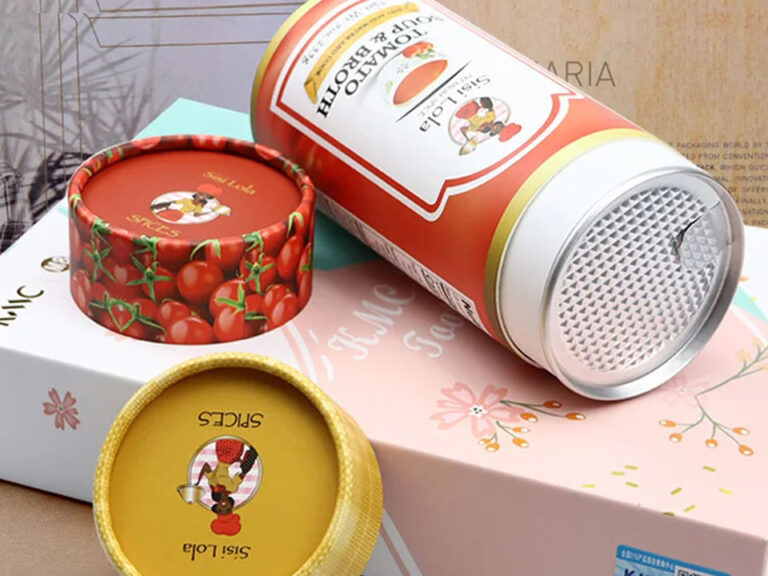
Ainda não está a ver a solução de embalagem certa? Fale com o nosso chefe.
Se consultou o nosso sítio Web ou falou com o departamento de vendas e ainda não vê um caminho claro, envie o seu pedido aqui. A sua mensagem vai diretamente para o nosso Diretor Geral para uma análise executiva da viabilidade, custo e prazo de entrega. Obterá um próximo passo claro - o que podemos fazer, o que precisamos de si e o caminho mais rápido para uma cotação.
Obter um orçamento rápido para embalagens de tubos de papel personalizadas
Criado para gestores de embalagens, aprovisionamento e engenheiros de embalagens. Especifique o tamanho, a quantidade e o acabamento para receber orientações sobre o orçamento, o prazo de entrega e as especificações para os programas dos EUA e da UE.
Personalização pronta para orçamento: diâmetro, altura, espessura da parede, inserções, revestimentos e fechos
Acabamentos de qualidade superior: CMYK/Pantone, folha de alumínio, relevo, UV
Clareza de abastecimento: especificações claras + CQ + orientação DFM
Sustentável: Papel FSC® disponível a pedido
Resistente às crianças: concebido de acordo com a norma ISO 8317 / PPPA
Embalagens recicláveis em tubo de papel para velas: Um guia para marcas de velas
As embalagens recicláveis em tubo de papel para velas podem proporcionar às marcas de velas um formato rígido, pronto para oferecer, com uma ampla superfície imprimível, mas a palavra papel isso não torna automaticamente uma embalagem acabada reciclável. O núcleo, o invólucro exterior, a tampa, a base, o inserto, os revestimentos, os laminados, as janelas, os adesivos e os componentes decorativos influenciam, todos eles, o que acontece após a eliminação.
Para as equipas de compras e embalagem, a questão prática não é, portanto, simplesmente: “Podemos utilizar um tubo de papel?”, mas sim: Será que conseguimos fabricar um tubo que proteja a vela, promova a marca, cumpra os requisitos de reciclagem do mercado-alvo e possa ser produzido em série a um custo final aceitável?
Isso implica considerar a sustentabilidade, o design estrutural, a decoração, a logística e o abastecimento como um único sistema de embalagem.
O que torna as embalagens de tubo de papel para velas recicláveis?
Um tubo de papel para velas típico é constituído por um corpo de cartão enrolado, com uma tampa e uma base separadas. O tubo pode, em seguida, ser revestido com um invólucro de papel impresso, papel especial, decoração em folha metálica, verniz, laminação, um encarte ou outros componentes.
A embalagem completa pode ser incluída num circuito de reciclagem de papel já estabelecido?
A marca consegue comprovar a alegação relativa à reciclagem que tenciona imprimir na embalagem?
Estas questões estão relacionadas, mas não são intercambiáveis.
A Agência de Proteção Ambiental dos EUA (EPA) refere que as embalagens de papel e cartão apresentaram uma elevada taxa de reciclagem agregada no seu mais recente conjunto de dados nacionais sobre resíduos sólidos urbanos, mas esse valor é fortemente influenciado pelas caixas de cartão ondulado. Tal não significa que todos os tubos rígidos de papel, tubos laminados ou embalagens de materiais mistos sejam aceites por todos os programas de reciclagem.
Para uma marca de velas, a reciclabilidade deve, portanto, ser avaliada no nível do pacote final, não deduzido da presença de cartão.
O papel é a matéria-prima, não a especificação final de sustentabilidade
Há um pressuposto que merece ser matizado: a escolha de papel kraft ou de cartão castanho com aspeto reciclado não significa, por si só, que se crie uma embalagem mais reciclável.
Um tubo de cor kraft pode ainda conter películas de polímero, componentes metálicos, espuma, janelas de plástico ou elementos difíceis de separar. Por outro lado, um tubo de papel branco ou preto impresso pode ter uma estrutura à base de fibras relativamente simples.
A especificação é mais importante do que a linguagem visual.
Para efeitos de aquisição, peça ao fornecedor que indique:
estrutura em cartão/núcleo;
material de embalagem exterior;
teor de fibra reciclada, quando indicado;
construção da tampa e da base;
inserir material;
revestimentos ou laminados;
componentes metálicos ou de plástico;
material da janela, se houver;
se os componentes se destinam a ser separados antes da eliminação.
Essa informação dá à vossa equipa de sustentabilidade ou de conformidade algo concreto para avaliar.
O teor de material reciclado e a reciclabilidade são também alegações diferentes
Uma embalagem pode conter fibra reciclada, mas ainda assim apresentar características que dificultam a reciclagem. Da mesma forma, uma embalagem de fibra reciclável não contém necessariamente uma elevada percentagem de conteúdo reciclado.
Mantenha estes atributos separados nas especificações, na documentação dos fornecedores, nas especificações das artes finais e nos relatórios de sustentabilidade.
Quais são os componentes do tubo de vela que merecem maior atenção?
Um design reciclável torna-se normalmente mais fácil de avaliar quando se eliminam combinações de materiais desnecessárias.
Decisão relativa à embalagem
Uma orientação mais simples, centrada na reciclagem
Possível complicação
O que perguntar na solicitação de cotação
Corpo do tubo
Estrutura de cartão com predominância de fibras
Camadas estruturais de materiais mistos
Em que materiais se compõe o corpo, em termos de peso?
Tampa e base
Componentes de cartão/papel, sempre que as características técnicas o permitirem
Componentes permanentes de plástico ou metal
As extremidades são de papel ou separáveis?
Inserir
Proteção em cartão ou fibra moldada, quando adequado
Inserções de espuma ou de materiais mistos
É possível fixar o frasco com um inserto de fibra?
Proteção de superfícies
Revestimento mínimo compatível
Laminação com película espessa
Que tipo de revestimento ou laminado está a ser aplicado?
Decoração
Impressão, gravação em relevo, gravação em baixo-relevo, folha metálica em tiragem limitada
Filmes metálicos/plásticos de grande superfície
Qual é a quantidade de decoração que não é de papel que é adicionada?
Janela
Sem janelas onde não forem necessárias
Janela de plástico transparente colada
Uma janela é necessária do ponto de vista comercial?
Estrutura
Tubo com o diâmetro adequado à volta do vaso
Tubo de grandes dimensões e amortecimento excessivo
Que espaço livre é necessário em torno do frasco?
Isto não significa que todos os componentes não-papeleiros devam ser automaticamente proibidos. A conceção adequada depende da proteção, do aspeto, do fabrico, da infraestrutura local de reciclagem e dos mercados onde a vela será vendida.
O objetivo é evitar introduzir uma complexidade adicional sem que esta tenha uma função mensurável.
Como é que um tubo de papel deve proteger um frasco de vidro para velas?
No caso dos recipientes de vidro para velas, O ajuste é, muitas vezes, mais importante do que o simples aumento da espessura da parede do tubo.
Um tubo espesso com folga interna excessiva pode ainda permitir que o frasco se mova, bata na parede lateral ou sofra um impacto concentrado. Uma embalagem com dimensões corretas e com retenção adequada na parte superior, inferior ou radial pode apresentar um melhor desempenho sem que seja necessário simplesmente adicionar mais cartão.
Comece pelo produto físico, em vez de um tamanho genérico de embalagem.
O fornecedor deverá receber:
diâmetro máximo do recipiente;
altura da embarcação;
diâmetro e perfil da tampa da vela;
peso total da vela embalada;
qualquer variação dimensional entre lotes de produção;
espaço livre superior e inferior pretendido;
se é necessário um encarte;
se o tubo se destina apenas à apresentação no retalho ou se também faz parte de uma embalagem para comércio eletrónico.
Não se deve partir do princípio de que uma placa mais espessa resolve todos os problemas de proteção
Mais material pode aumentar a rigidez, o peso e o custo, mas as falhas de proteção começam frequentemente noutro local:
o frasco está solto dentro do tubo;
o sistema de retenção da base é inadequado;
a tampa da vela entra em contacto com a tampa do tubo;
a inserção comprime de forma irregular;
A embalagem de apresentação é utilizada como se fosse uma caixa de envio.
Esses problemas exigem mudanças estruturais, não apenas uma parede mais grossa.
O tubo de apresentação não é, por si só, a embalagem de envio
Esta distinção é particularmente importante para as marcas de velas que vendem diretamente ao consumidor.
As discussões na comunidade entre fabricantes de velas centram-se repetidamente no controlo do movimento em torno dos recipientes de vidro, no acolchoamento dos produtos no interior de uma caixa exterior e, em alguns casos, na utilização de uma abordagem do tipo «caixa dentro de outra caixa». Um fabricante de velas relatou quebras apesar de uma embalagem protetora exaustiva, enquanto outros participantes deram ênfase à prevenção do movimento e à utilização de uma embalagem exterior secundária. Trata-se de uma experiência qualitativa, em vez de dados de ensaios laboratoriais, mas o modo de falha é altamente relevante: As velas em vidro precisam de uma embalagem de distribuição devidamente validada, e não apenas de uma embalagem de retalho apelativa.
Um sistema de embalagem prático pode incluir:
Recipiente para velas → suporte/inserção → tubo de apresentação em papel → caixa de expedição → material de amortecimento para transporte, conforme necessário.
O tubo pode proporcionar resistência à compressão, proteção da superfície, promoção da marca e organização. O expedidor deve ter em conta as condições de distribuição.
No caso de programas de maior dimensão, as marcas devem definir o protocolo de testes de transporte necessário em conjunto com o engenheiro de embalagem ou a equipa de logística, em vez de partirem do princípio de que um tubo com um design apelativo está pronto para ser enviado.
Que materiais e acabamentos são os mais adequados para tubos de velas recicláveis?
Não existe uma especificação de materiais única e correta para todas as marcas de velas.
Papel kraft
O papel Kraft confere um aspeto natural e resulta bem quando a identidade visual exige uma textura de fibra visível ou uma impressão discreta. Também pode reduzir a necessidade de criar uma estética “sustentável” artificial através de decoração adicional.
No entanto, O aspeto do papel kraft não deve ser utilizado como prova de reciclabilidade. Verifique toda a construção.
Papel de impressão branco ou revestido
Um revestimento exterior liso pode proporcionar uma reprodução mais previsível de fotografias, gradientes, tipografia de precisão e cores Pantone.
Isto é útil para coleções de perfumes em que os diferentes aromas se distinguem através de sistemas de cores ou ilustrações.
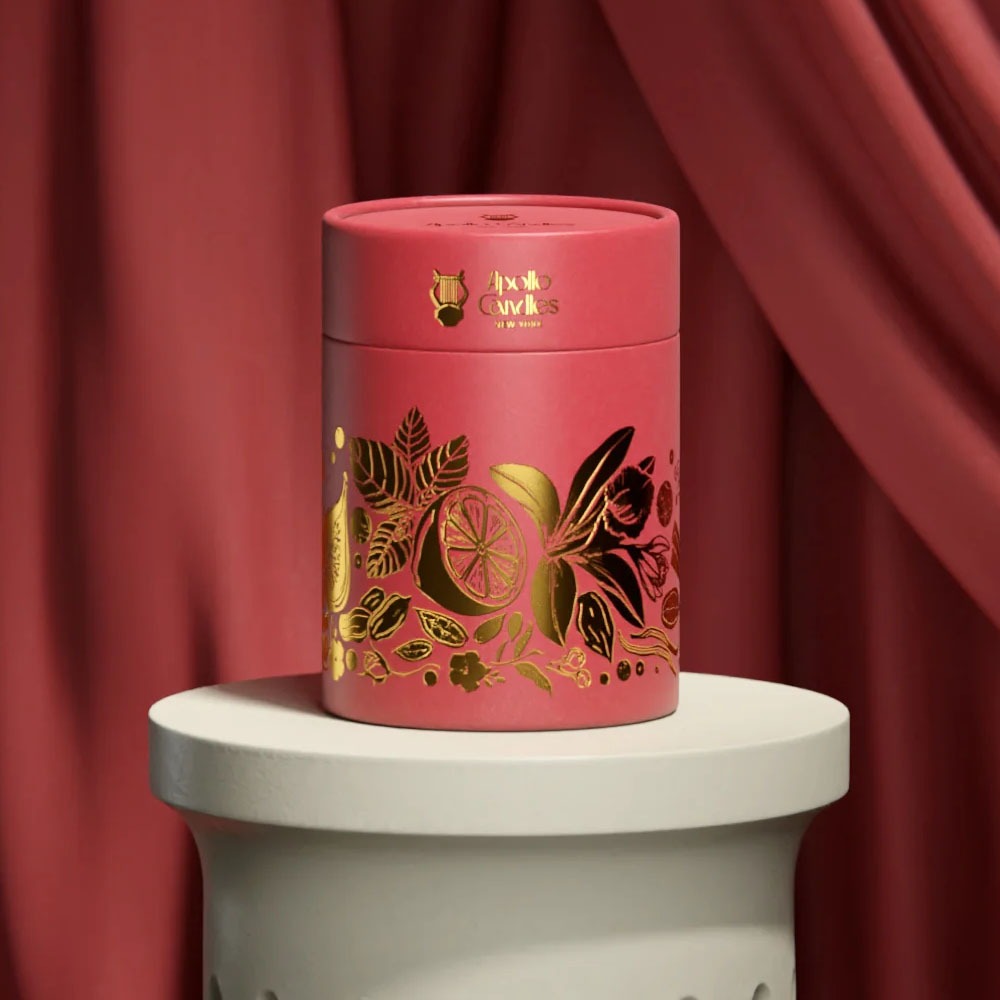
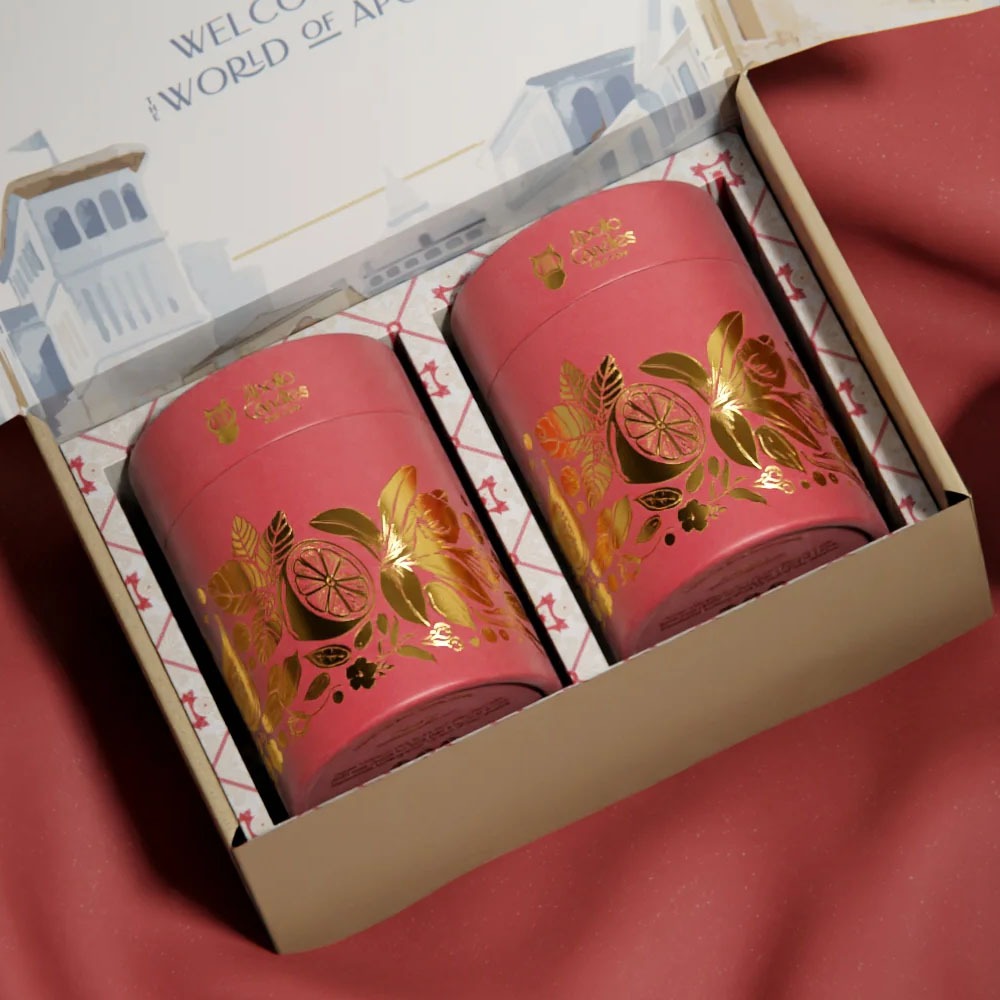
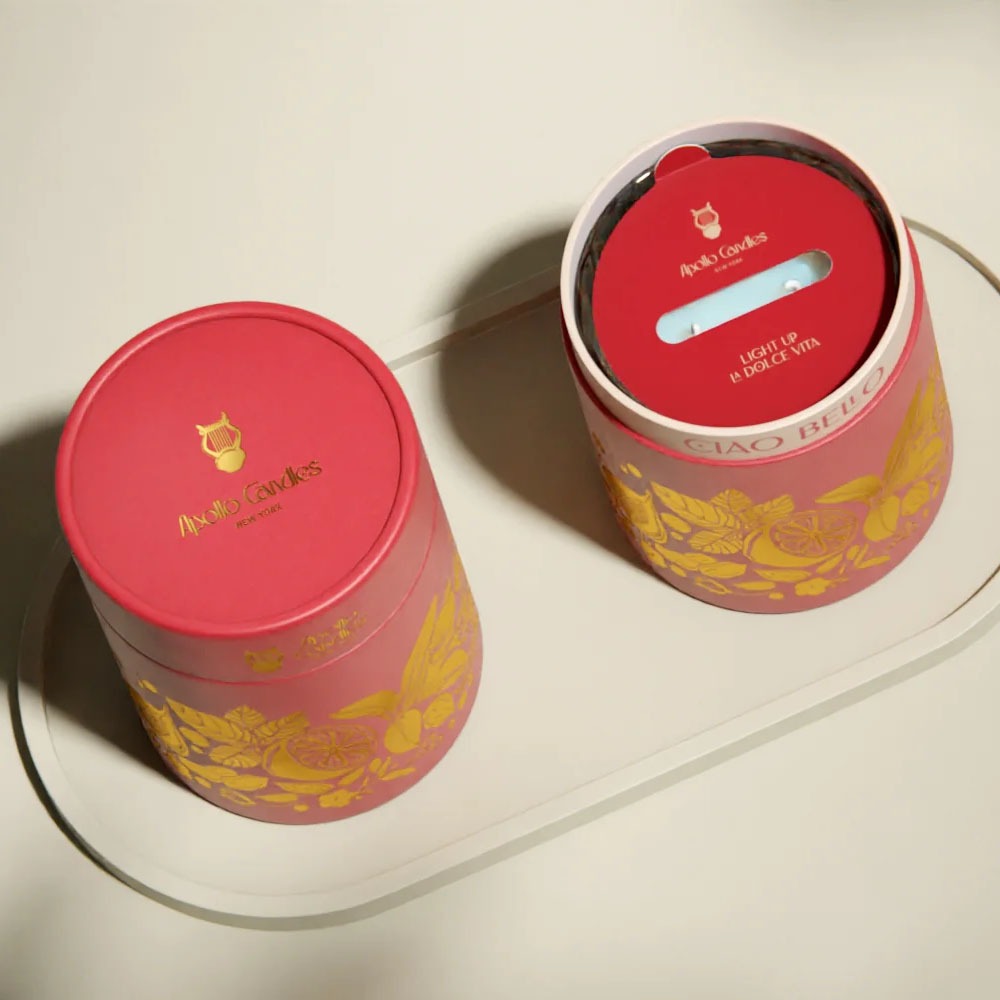
Por exemplo, embalagem em tubo de papel rosa com impressão personalizada demonstra como uma superfície decorativa impressa pode criar uma identidade comercial altamente diferenciada, mantendo ao mesmo tempo uma estrutura cilíndrica rígida.
Papéis pretos e especiais
Os papéis especiais escuros são frequentemente utilizados em velas de luxo, uma vez que permitem criar um forte contraste com folhas metálicas, estampagem em relevo, estampagem em baixo-relevo ou impressão discreta de logótipos.
A questão fundamental não é saber se a decoração de luxo é proibida. Trata-se de saber se cada acabamento adicional confere valor comercial suficiente para justificar o seu custo, a complexidade da produção e o impacto na via de valorização prevista.
Qual é, afinal, o nível de acabamento realmente necessário?
As embalagens de velas de gama alta são frequentemente excessivamente elaboradas.
Um comprador pode solicitar laminação mate, película «soft-touch», estampagem em folha metálica, gravação em relevo, verniz UV localizado, impressão no interior, um encarte especial e vários componentes personalizados, uma vez que cada uma destas características, por si só, transmite uma sensação de qualidade superior.
O resultado global pode ser dispendioso e difícil de reproduzir de forma consistente.
Uma abordagem mais disciplinada consiste em identificar o uma ou duas referências visuais que transmitem a maior parte do valor da marca.
Por exemplo:
papel texturado + gravação em relevo cega;
papel preto + uma cor de folha metálica;
impressão a cores + superfície tátil não revestida;
Exterior simples + interior com estampado contrastante.
Isto pode reduzir a complexidade da configuração e facilitar o controlo de qualidade da cor, do alinhamento e do acabamento.
Quando a reciclabilidade for uma prioridade, pergunte especificamente ao transformador de que forma o revestimento, a laminação, a cobertura de folha metálica, o adesivo e o papel especial escolhidos afetam a alegação de reciclabilidade proposta.
Tubo de papel vs. caixa dobrável: qual é a melhor opção para uma vela?
Os tubos de papel não são, por si só, a solução ideal para todas as gamas de velas.
A caixa de papel para velas com impressão personalizada Os produtos à base de cartão dobrável podem ser enviados desmontados antes da embalagem, o que pode reduzir o volume de armazenamento da embalagem e os custos de transporte de entrada, em comparação com um tubo rígido pré-moldado.
Os tubos de papel, por sua vez, oferecem outras vantagens:
Requisito
Tubo de papel
Caixa de cartão dobrável
Apresentação rígida de alta qualidade
Forte
Moderada a forte, dependendo da prancha/estrutura
Ajuste natural em frascos redondos
Muito bom
Requer uma geometria interna retangular ou um inserto
Área de promoção da marca em 360 graus
Excelente
Quatro painéis principais
Enviado desmontado antes do enchimento
Normalmente, não
Normalmente, sim
Volume no armazém antes da embalagem
Mais alto
Inferior
Personalização estrutural
Diâmetro, altura, tampa, ombro, inserção
Contorno, abas, encarte, cartão
Perceção da caixa de presente
Elevado
Depende muito do tabuleiro e do acabamento
Eficiência de custos em grande escala
Dependente do projeto
Dependente do projeto
As marcas devem comparar custo total da embalagem, e não apenas o preço unitário.
Um tubo rígido, cujo custo unitário é mais elevado, pode reduzir a necessidade de uma caixa de presente separada. Por outro lado, uma caixa de cartão dobrável pode resultar em custos mais baixos de transporte de entrada e de armazenamento.
O que influencia o custo das embalagens personalizadas em tubo para velas?
As diferenças nas cotações resultam, normalmente, das especificações e não da margem de lucro de um único fornecedor.
Os principais fatores que influenciam os custos incluem:
Diâmetro e altura
Os tubos maiores consomem mais cartão e material de revestimento. Os diâmetros fora do padrão podem também exigir configurações de produção ou ferramentas diferentes, dependendo do fabricante.
Construção de paredes
A alteração da espessura da placa afeta o consumo de material, os parâmetros de produção, o peso e os custos de transporte.
Especifique os requisitos de desempenho, em vez de se limitar a solicitar o tubo mais espesso disponível.
Quantidade por modelo
Uma encomenda de 10 000 peças, repartida por dez criações de perfumes, não se comporta necessariamente como um único design de 10 000 peças.
A configuração da impressão, as alterações na arte final, as chapas de estampagem, as ferramentas de gravação em relevo e as mudanças de produção podem afetar a rentabilidade.
Impressão e acabamento
A impressão padrão é, em geral, mais fácil de adaptar em termos de escala do que vários processos especializados. Matrizes para estampagem com folha metálica, ferramentas de gravação em relevo, papéis especiais, impressão no interior e montagem manual extensiva podem aumentar o custo unitário e as despesas de configuração.
Inserções
Um colar de cartão, um inserto de fibra moldada, um inserto de espuma ou um sistema de retenção multicomponente alteram tanto o custo da embalagem como a mão-de-obra necessária para a montagem.
Transporte de mercadorias
Os tubos rígidos ocupam volume mesmo quando estão vazios. Ao importar embalagens, as dimensões das caixas, o número de unidades por caixa de exportação, a paletização, o modo de transporte e o destino podem afetar significativamente o custo final.
Um preço unitário baixo à saída da fábrica não é, portanto, necessariamente a opção de abastecimento de menor custo.
Uma marca de velas pode simplesmente imprimir “100% Reciclável” no tubo?
Não sem uma fundamentação adequada ao mercado.
Nos Estados Unidos, as atuais “Green Guides” da Comissão Federal do Comércio (FTC) estabelecem que uma alegação de reciclabilidade sem reservas deve ser matizada quando não existam instalações de reciclagem adequadas para, pelo menos, 60% dos consumidores ou das comunidades onde o produto é vendido. A FTC salienta ainda que as alegações ambientais devem ser verdadeiras e fundamentadas, em vez de se basearem em implicações «ecológicas» genéricas.
Para as equipas de embalagem, isso significa que uma declaração do fornecedor como “o papel é reciclável” não deve tornar-se automaticamente uma alegação dirigida ao consumidor do tipo “reciclável 100%”.
Verificar:
a estrutura exata da embalagem final;
o mercado em que o anúncio será publicado;
o sistema de recolha e reciclagem aplicável;
se é necessário remover componentes;
qual é a qualificação ou a instrução de eliminação adequada.
Os engenheiros de embalagem e as equipas de marketing devem aprovar em conjunto as alegações ambientais.
O que é que as marcas de velas da UE precisam de saber sobre o PPWR?
Para as empresas que colocam velas embaladas no mercado da União Europeia, a reciclabilidade está também a tornar-se um requisito regulamentar de conceção, em vez de ser simplesmente uma questão de posicionamento da marca.
O Regulamento da UE relativo às embalagens e aos resíduos de embalagens (PPWR) entrou em vigor em 12 de agosto de 2026. A Comissão Europeia afirma que o regulamento introduz um quadro harmonizado em matéria de embalagens e que, a partir de 2030, passarão a aplicar-se requisitos que exigem que todas as embalagens sejam recicláveis, a par de outras medidas a implementar gradualmente.
Para as marcas de velas que planeiam embalagens que possam permanecer no mercado durante vários anos, isto altera a forma como se aborda a questão do abastecimento.
Um documento de orientação de desenvolvimento para 2026 não deve centrar-se apenas no que pode ser legalmente vendido atualmente. As equipas de aquisições devem também questionar-se se a estrutura está a avançar no sentido de cumprir os futuros requisitos de conceção para reciclagem.
Isso torna cada vez mais valiosas as arquiteturas de materiais mais simples, a composição documentada, a rastreabilidade dos fornecedores e as alterações controladas às especificações.
Como devem os compradores avaliar um fornecedor de tubos para velas?
O fornecedor mais forte não é necessariamente aquele que oferece o MOQ mais baixo ou o tubo mais espesso.
Avalie se o fabricante consegue transformar o seu briefing comercial numa especificação de embalagem controlada.
Capacidade estrutural
Pergunte se o fornecedor pode recomendar o diâmetro interior, a altura do tubo, a espessura da parede, a sobreposição da tampa e os insertos com base numa amostra real da vela ou num desenho dimensional.
Transparência dos materiais
Solicite a especificação do material, em vez de aceitar termos como “papel ecológico” ou “cartão ecológico”.”
Qualidade do protótipo
Uma amostra física deve permitir-lhe avaliar:
inserção e remoção de frascos;
atrito da tampa;
redondeza do tubo;
costuras visíveis;
arranhões superficiais;
inserir retenção;
posicionamento da cor e da folha metálica;
movimentação de produtos embalados.
Controlo de Qualidade da Produção
Esclareça quais as tolerâncias que serão controladas na produção em série e como é que os defeitos de aspeto são classificados.
No caso dos tubos de gama superior, o desvio de cor, o ajuste da tampa, o alinhamento da folha metálica, as marcas de cola, os danos nas bordas e os arranhões na superfície podem tornar-se mais importantes do ponto de vista comercial do que pequenas diferenças na espessura nominal do cartão.
Alterar o controlo
Se um fornecedor alterar o tipo de papel, o adesivo, o acabamento, o material do encarte ou a estrutura após a aprovação, os pressupostos relativos à sustentabilidade e ao desempenho poderão também sofrer alterações.
As substituições de materiais críticos devem, por conseguinte, ser sujeitas à aprovação do comprador.
O que devem os compradores especificar antes de solicitar um orçamento?
Uma cotação torna-se muito mais útil quando todos os fornecedores apresentam preços para as mesmas especificações.
Envie as seguintes informações:
Dados do produto
diâmetro e altura do recipiente para velas;
dimensões da tampa da vela;
peso embalado;
material do recipiente;
amostra física ou desenho técnico, se possível.
Requisitos relativos aos tubos
diâmetro interior e altura total pretendidos;
estrutura preferida;
estilo da tampa/base;
preferência de material;
inserir requisitos;
objetivo de reciclabilidade.
Obras de arte e decoração
número de SKUs;
cores de impressão;
Requisitos da Pantone, quando aplicável;
laminação, estampagem em relevo, estampagem em baixo-relevo, verniz ou revestimento;
impressão no interior;
declarações ambientais obrigatórias.
Informações comerciais
quantidade por SKU;
procura anual estimada;
requisitos relativos às amostras;
mercado-alvo;
destino;
data de entrega pretendida;
método de envio;
requisitos de conformidade ou de documentação.
Em seguida, peça ao fornecedor para identificar qualquer especificação que possa aumentar significativamente o custo, o prazo de entrega, a complexidade da reciclagem ou o risco de produção.
Essa conversa é mais valiosa do que pedir um preço genérico para “um tubo de vela ecológico”.”
Perguntas mais frequentes
Os tubos de papel para velas são recicláveis?
Podem ser, mas a reciclabilidade depende da composição total do produto e do sistema de reciclagem local. O corpo em cartão, os revestimentos, as tampas, as bases, os insertos, as janelas de plástico, as películas e outros componentes devem ser avaliados em conjunto.
As embalagens de velas em papel kraft são mais recicláveis do que as embalagens de papel impresso?
Não necessariamente. O termo «Kraft» refere-se ao material ou ao acabamento visual, e não ao percurso completo de reciclagem. Um tubo de papel impresso com uma estrutura de material mais simples pode ser mais fácil de avaliar do que um tubo Kraft que contenha componentes permanentes de materiais mistos.
Os tubos de papel conseguem proteger os frascos de vidro para velas durante o transporte?
Os tubos de papel podem proporcionar uma proteção secundária, mas não devem substituir automaticamente uma caixa de transporte devidamente concebida. O ajuste do frasco, os insertos, o material de amortecimento, a embalagem exterior, o peso da remessa e as condições de distribuição devem ser validados em conjunto.
Que dimensões deve ter um fornecedor de tubos para velas?
Indique o diâmetro máximo do recipiente da vela, a altura do recipiente, as dimensões da tampa, o peso bruto e as distâncias de segurança necessárias. O envio da vela física ou de um desenho técnico preciso reduz o risco de um encaixe incorreto.
Qual é o inserto mais adequado para embalagens de velas recicláveis?
Sempre que as condições o permitirem, o uso de cartão ou de material de fixação em fibra moldada pode simplificar um conceito de embalagem orientado para a fibra. A escolha do inserto adequado depende, no entanto, do peso do recipiente, da sua fragilidade, do espaço disponível, dos requisitos de apresentação e dos ensaios de transporte.
A estampagem em folha metálica e os acabamentos de alta qualidade tornam um tubo de papel não reciclável?
Não necessariamente, mas os acabamentos devem ser avaliados como parte da estrutura completa da embalagem. Pergunte ao fabricante de embalagens como a cobertura de folha metálica, os revestimentos, os laminados, os adesivos e os materiais especiais afetam o percurso de reciclagem previsto.
O que devem as marcas de velas incluir num pedido de cotação para embalagens?
Inclua as dimensões do recipiente, o peso embalado, o tamanho do tubo, o material de fabrico, o inserto, a impressão, os acabamentos, a quantidade encomendada por SKU, o mercado-alvo, as declarações ambientais, o destino, o calendário de entrega e quaisquer requisitos de ensaio ou conformidade.