Ainda não está a ver a solução de embalagem certa? Fale com o nosso chefe.
Se consultou o nosso sítio Web ou falou com o departamento de vendas e ainda não vê um caminho claro, envie o seu pedido aqui. A sua mensagem vai diretamente para o nosso Diretor Geral para uma análise executiva da viabilidade, custo e prazo de entrega. Obterá um próximo passo claro - o que podemos fazer, o que precisamos de si e o caminho mais rápido para uma cotação.
Revisão direta pela GM das suas especificações, casos de utilização e restrições
Verificação do tamanho + estrutura: diâmetro, altura, resistência da parede, inserções
Recomendações de impressão/acabamento para corresponder à marca + orçamento
Alternativas de redução de custos e opções de melhoria do prazo de entrega
Clareza no processo de cotação: MOQ, plano de amostragem e o que fazer a seguir
Falar com o nosso chefe
Obter um orçamento rápido para embalagens de tubos de papel personalizadas
Criado para gestores de embalagens, aprovisionamento e engenheiros de embalagens. Especifique o tamanho, a quantidade e o acabamento para receber orientações sobre o orçamento, o prazo de entrega e as especificações para os programas dos EUA e da UE.
Personalização pronta para orçamento: diâmetro, altura, espessura da parede, inserções, revestimentos e fechos
Acabamentos de qualidade superior: CMYK/Pantone, folha de alumínio, relevo, UV
Clareza de abastecimento: especificações claras + CQ + orientação DFM
Sustentável: Papel FSC® disponível a pedido
Resistente às crianças: concebido de acordo com a norma ISO 8317 / PPPA
Brilho sustentável: Embalagem reciclável de tubos de velas
Índice
Uma vela não se vende apenas pela fragrância. Vende-se nos primeiros dois segundos de contacto.
Esse momento é diferente consoante o local onde se vende:
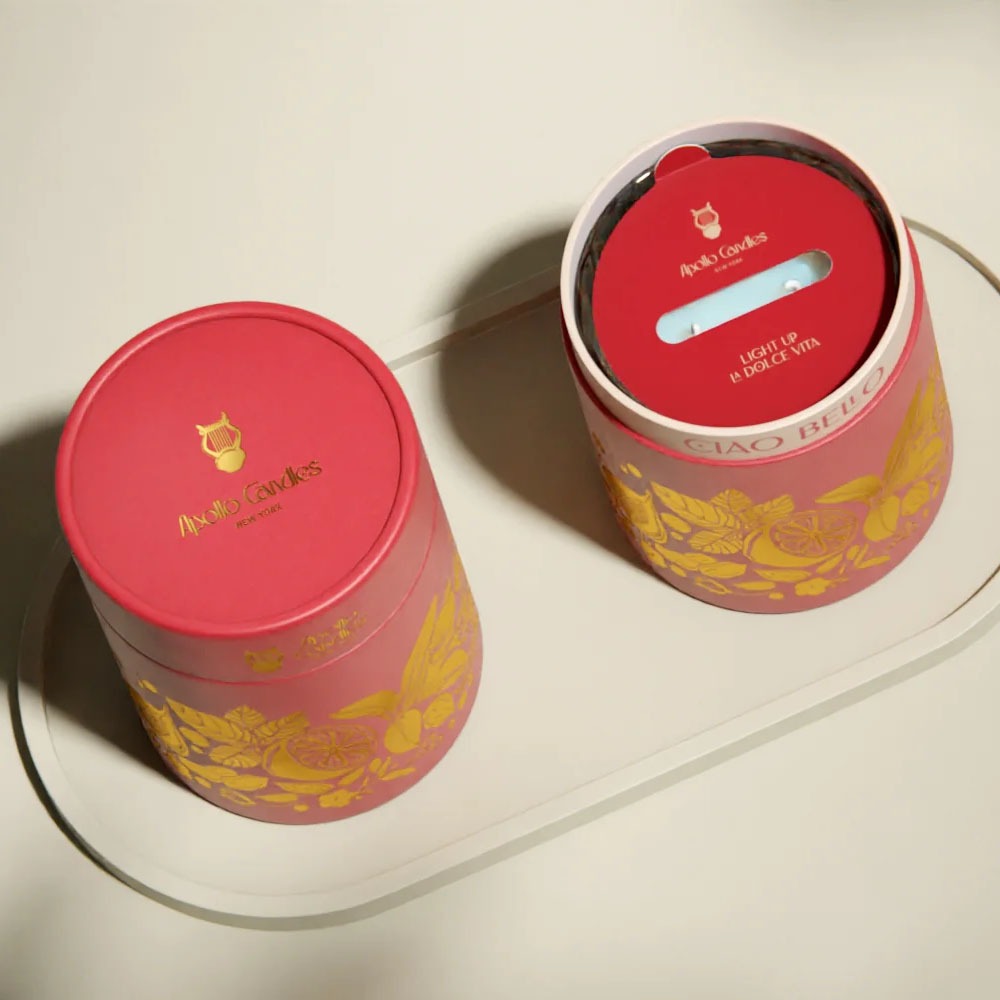
DTC unboxing: alguém abre uma caixa num balcão de cozinha e julga tudo rapidamente - bordas, cheiro, qualidade de impressão, proteção.
Prateleira de retalho: um comprador lê, toca e segue em frente. Se a embalagem parecer barata, a vela parece barata.
Caixas de cartão por grosso: Os compradores preocupam-se com as taxas de danos, a velocidade de embalamento e se a história da sua embalagem se mantém numa revisão de linha.
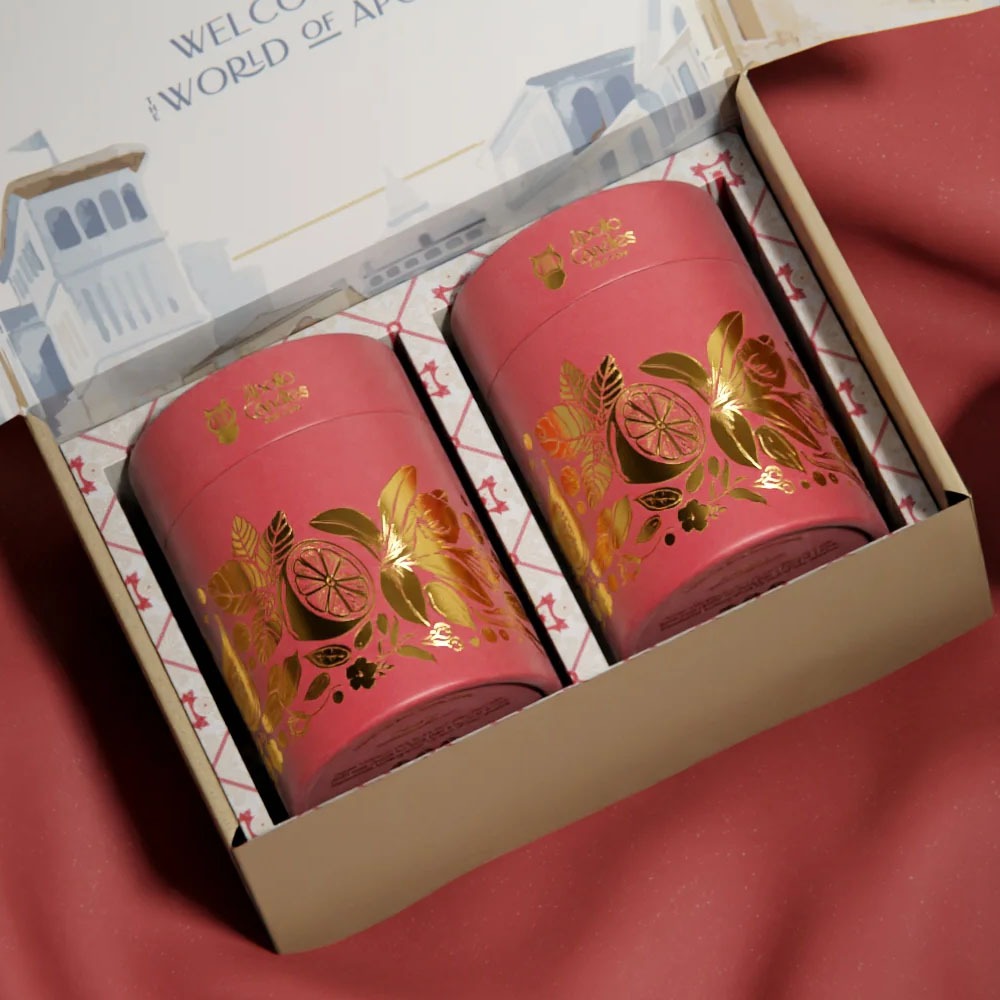
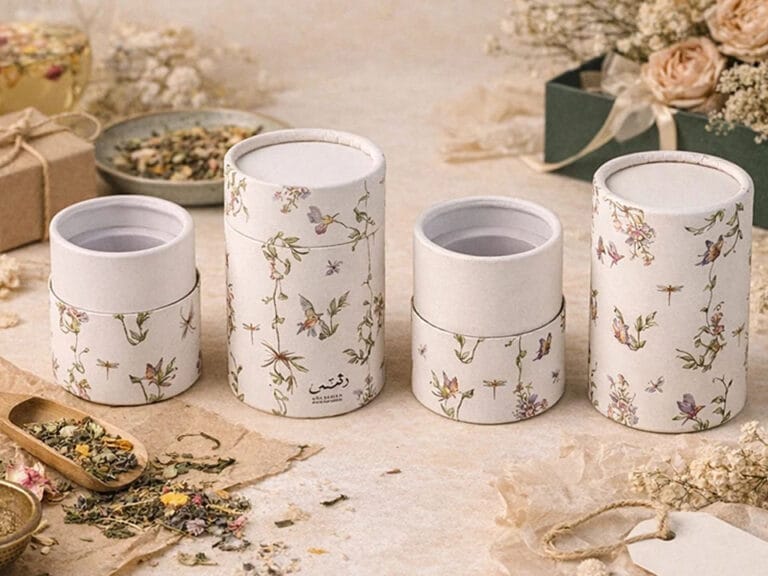
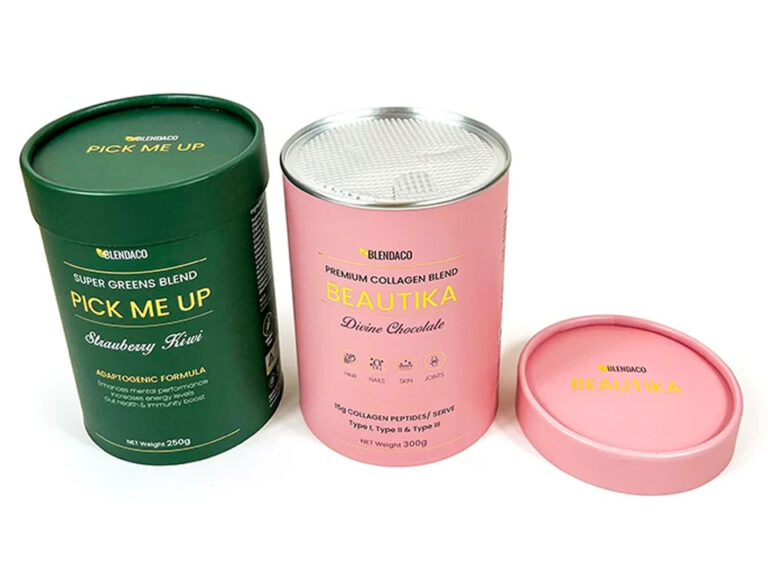
É aqui que embalagens recicláveis para tubos de velas ganha o seu lugar. Um tubo de papel rígido pode ter um aspeto de qualidade superior, ser enviado em segurança e manter a sua declaração de sustentabilidade simples - sem o “mistério do material misto” que provoca dúvidas nos clientes.
Os clientes não querem trabalhos de casa. Querem uma escolha de eliminação fácil.
Os tubos de papel geralmente ganham porque correspondem a um hábito que as pessoas já compreendem: o cartão vai com o papel em muitos sítios. Isso não significa que todas as regiões reciclam todos os tubos. Significa que a sua embalagem parte de uma categoria familiar em vez de pedir ao comprador que descodifique um puzzle multimaterial.
Uma medida prática: imprimir uma linha curta de eliminação na embalagem. Não é muito claro. Exemplo: “Reciclar com papel onde existam instalações. Separar as partes que não são de papel, se necessário.”
Essa única linha diminui o atrito e reduz a possibilidade de a sua declaração de sustentabilidade ser questionada nas revisões.
Taxa de reciclagem de películas de plástico e fricção dos clientes
Aqui está a armadilha: as embalagens podem ser “recicláveis” em teoria, mas frustrantes na vida real.
As películas flexíveis e os laminados mistos requerem frequentemente fluxos de entrega especiais. Muitas pessoas não o fazem. Deitam-no fora, sentem-se incomodadas e depois culpam a marca. É assim que as mensagens “ecológicas” se transformam em ceticismo.
Um tubo de papel evita a maior parte dessa fricção porque a indicação do material é óbvia. Parece papelão. Sente-se o papelão. As pessoas sabem mais frequentemente o que fazer com ele.
Se se sentir tentado por uma funcionalidade de janela, mantenha-a intencional e minimalista. Pode usar o conceito visual deste estilo de produto e manter a sua estratégia de material simples: embalagem em tubo de papel com janela transparente e pega
Proteção do tubo de papel rígido para expedição
As velas são expedidas numa zona de perigo: vidro + cera + vibração + pressão de empilhamento.
Os tubos rígidos são úteis porque suportam melhor a compressão do que muitas caixas de cartão dobráveis. Também reduzem os modos de falha comuns:
lascas de bordo de jarro
cantos esmagados
arranhões na etiqueta
movimento interior que transforma a embalagem numa caixa de chocalhos
Essa proteção não se refere apenas a menos frascos partidos. Trata-se de menos pedidos de assistência, menos substituições e menos críticas de “chegou danificado” que se mantêm para sempre.
Cenário de embalagem DTC: embalagem “reduzir a danos
No DTC, não é aconselhável ter demasiado saco. Mas também não se pode ter um pacote a menos. O ponto ideal é o pensamento de “reduzir para danificar”: conceber o mínimo possível que, mesmo assim, passe as condições reais de manuseamento.
Os tubos de papel são fortes por defeito, pelo que muitas vezes é possível simplificar o resto do sistema:
inserções mais apertadas
menos preenchimento de espaços vazios
geometria da caixa de cartão mais limpa
Embalagem à medida e otimização da embalagem
A escolha do material ajuda. Engenharia de embalagem paga as contas.
O tamanho correto significa que o tubo e o encaixe encaixam no frasco como uma luva:
sem espaço vazio na cabeça
sem movimento lateral
a tampa fica nivelada
a inserção suporta a base e absorve as vibrações
Isto reduz:
utilização de preenchimento de espaços vazios
surpresas de peso dimensional
danos provocados por deslocações internas
atrasos na linha de embalagem
Casos de utilização no mundo real
1) Programas de velas de assinatura As pequenas inconsistências são amplificadas. Um tubo ligeiramente solto transforma-se em ruído, arranhões e devoluções ao longo do tempo. Corrija-o com um diâmetro controlado e um design de inserção estável.
2) Conjuntos e pacotes de oferta Se agrupar fragrâncias, faça corresponder as alturas dos tubos e os estilos das tampas para que o conjunto pareça organizado. A consistência vende.
3) Realização no mercado O manuseamento automatizado não se preocupa com a sua marca. Um tubo rígido melhora a sobrevivência através da triagem multi-toque e de percursos de longa distância.
Disposição dos consumidores para pagar por produtos sustentáveis
As pessoas pagam pela sustentabilidade quando esta parece real e fácil.
A forma mais rápida de perder a confiança é através de uma linguagem vaga. Deixe de lado os rótulos fofos. Substitua-os por pormenores:
estrutura tubular em papel
opção de abastecimento disponível (como fibra certificada)
estratégia de acabamento concebida para objectivos de reciclagem
orientações simples para a eliminação
Em seguida, associe-o à experiência: menos confusão, menos confusão, um desempacotamento mais limpo, uma melhor oferta.
Fornecimento de papel certificado pelo FSC para tubos de papel
Os compradores não se limitam a perguntar: “Isto pode ser reciclado?” Também perguntam: “A fibra é obtida de forma responsável?”
Se vender a retalhistas, distribuidores ou marcas com listas de verificação de conformidade, as opções de fibra certificada podem facilitar a aprovação. Também ajuda a manter a consistência da história da sua marca: a sua embalagem não é apenas “menos plástico”. É também “melhor abastecimento”.”
Não precisa de uma longa explicação. Precisa da opção e de documentação que corresponda ao que alega.
Revestimentos e reciclabilidade: revestimentos de barreira à base de água
É neste ponto que muitas histórias de embalagens “recicláveis” se quebram silenciosamente.
O acabamento errado pode transformar um tubo de papel numa dor de cabeça de material misto. Se precisar de resistência ao desgaste, resistência ao óleo ou proteção contra a humidade, a sua estratégia de revestimento é importante.
Muitas marcas avançam para abordagens de revestimento concebidas para apoiar os objectivos de reciclabilidade - frequentemente sistemas à base de água, dependendo das necessidades de desempenho.
Lista de verificação de revestimentos para embalagens de tubos de velas
Objetivo
O que deve ser prioritário
A que é que devemos estar atentos
Durabilidade das prateleiras
estratégia de revestimento que protege as impressões sem películas de plástico pesadas
laminações espessas que complicam a reciclagem
Toque de mão de qualidade superior
aspeto mate ou de toque suave que se mantém consistente à escala
acabamentos que apresentam impressões digitais, fissuras ou um aspeto irregular
Desembalagem limpa
materiais de baixo odor e sistemas controlados de tinta/revestimento
cheiro químico forte que contraria a sua história de fragrância
Se a marca da sua vela se sobrepõe ao “luxo limpo” do estilo dos cuidados com a pele, esta referência de categoria é útil para a direção final: embalagens em tubo para cosméticos
Fabricante de caixas de tubo de papel personalizadas OEM/ODM
As marcas de velas não falham nas ideias. Elas falham na repetição.
Os pontos de dor clássicos aparecem quando se aumenta a escala:
desvio de cor entre lotes
incoerência no ajuste da tampa
desgaste dos bordos durante o transporte
inserções que atrasam a linha de embalagem
caixas de cartão que não paletizam corretamente
É aí que a execução OEM/ODM é importante. Quer um parceiro que possa lidar com isso:
estrutura personalizada + controlo de impressão
amostragem que corresponde à realidade da produção em massa
fluxos de trabalho grossistas em massa para marcas, distribuidores e vendedores de marcas privadas
Rotinas de controlo de qualidade que mantêm as tolerâncias estáveis
Se vender em categorias mais rigorosas ou pretender uma referência para a execução de embalagens que respeitem a conformidade, este guia indica a direção a seguir: embalagem em tubo de papel resistente às crianças
Conclusão final: fazer com que o tubo faça o trabalho real
Um forte embalagens recicláveis para tubos de velas O plano não tem a ver com palavras da moda. Tem a ver com os resultados que interessam aos compradores:
Presença nas prateleiras: visual premium que conquista o olhar rápido
Controlo de danos: menos avarias e menos devoluções
Velocidade das operações: embalagem que não arrasta a linha
Clareza na sustentabilidade: uma história de eliminação que os clientes não discutem
Confiança do comprador: escolhas de origem + acabamento que resistem às auditorias
Construa o tubo em torno destas realidades e a sua embalagem deixa de ser um ruído de fundo. Passa a fazer parte da experiência do produto - limpa, consistente e pronta para ser ampliada.