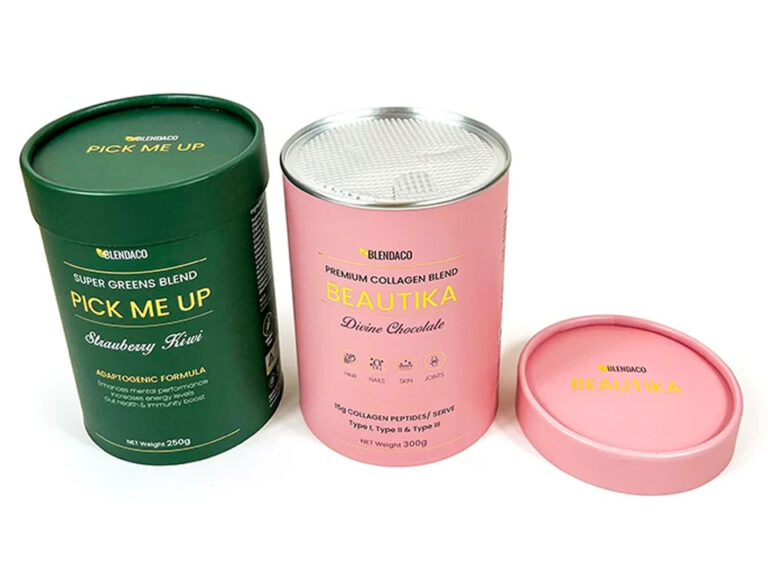
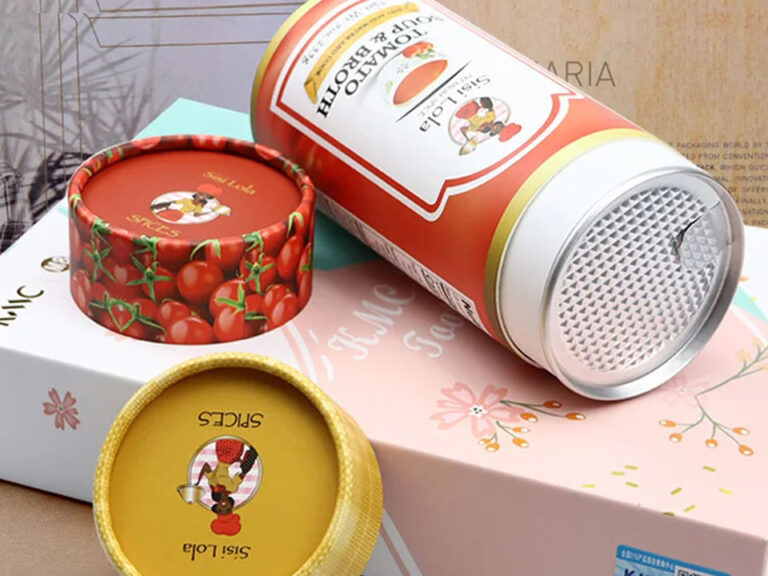
Все еще не нашли подходящего упаковочного решения? Поговорите с нашим боссом.
Если вы просмотрели наш сайт или поговорили с сотрудниками отдела продаж, но все еще не видите четкого пути, отправьте свой запрос здесь. Ваше сообщение попадет непосредственно к нашему генеральному директору, который проанализирует целесообразность, стоимость и сроки выполнения. Вы получите четкий следующий шаг - что мы можем сделать, что нам нужно от вас, и самый быстрый путь к получению предложения.
Непосредственный анализ GM ваших спецификаций, сценариев использования и ограничений
Проверка размеров и структуры: диаметр, высота, прочность стенок, вставки
Рекомендации по печати и отделке в соответствии с брендом и бюджетом
Альтернативы снижения затрат и варианты увеличения времени выполнения заказа
Ясность пути предложения: MOQ, план отбора образцов и что делать дальше
Поговорите с нашим боссом
Получить быструю консультацию по Индивидуальная упаковка в бумажные трубки
Создан для менеджеров по упаковке, закупкам и инженеров по упаковке. Укажите размер, количество и отделку, чтобы получить информацию о стоимости, сроках выполнения заказа и рекомендации по спецификациям для программ США/ЕС.
Готовая к заказу спецификация: диаметр, высота, толщина стенок, вставки, вкладыши и крышки
Sustainably Crafted: Путешествие к экологичной упаковке
Оглавление
Экологически чистая упаковка звучит просто, пока вы не попробуете отправить реальные товары реальным покупателям. Коробки сминаются. Этикетки размазываются. Крышки лопаются. Увеличивается количество возвратов. А потом начинаются письма с требованиями.
Так что давайте говорить об устойчивом развитии так, как это принято у брендов и покупателей: меньше материалов, меньше отходов, лучшая перерабатываемость и упаковка, которая сохраняет свои свойства при транспортировке и на полке.
В качестве Лучшие пользовательские бумажные коробки трубки производитель, Мы производим на заказ, оптом и в розницу. OEM/ODM упаковка в современном семинар по очистке пищевой упаковки с 12,300 m² трехмерный склад и среднесуточная производительность 300,000+ штук. Масштаб имеет значение, потому что устойчивое развитие - это не разовый прототип. Это повторяющееся производство.
Ниже приводится пошаговое описание этого пути с четкими аргументами, практическими сценариями и подкрепленными данными пунктами.
Экологически чистая упаковка и упаковочные отходы
Упаковка - один из самых серьезных рычагов, за который можно потянуть, потому что на нее приходится большая часть пластиковых отходов во всем мире (часто упоминается около ~40% для пластиковых отходов при использовании). Поэтому бренды испытывают давление как со стороны потребителей, так и со стороны регулирующих органов.
Но вот в чем загвоздка: “Эко” быстро выходит из строя, когда упаковка ломается, протекает или выглядит дешево. Вам нужен полный треугольник:
Производительность (защищает изделие)
Соответствие требованиям (соответствует таким правилам, как маркировка, безопасность, защита от детей, когда это необходимо)
Реальность конца жизни (Люди могут перерабатывать его там, где они живут)
Устойчивый дизайн упаковки и правильные размеры упаковки
Большинство побед в области устойчивого развития начинаются еще до выбора материала. Они начинаются с подбора материала.
Правильная упаковка
Правильный размер означает, что ваша упаковка соответствует продукту, а не вашим желаниям. Когда вы выбираете правильный размер, вы обычно выигрываете сразу в трех случаях:
Меньше сырья
Меньше “пустот” и дополнительных деталей
Повышение эффективности расфасовки для бригад сборщиков и упаковщиков
В бумажных трубках правильный размер часто сводится к следующему диаметр, толщина стенок и тип затвора. Если вы переборщите, вы заплатите весом и потраченной впустую доской. Если вы недостроите, вы заплатите ущербом и возвратом денег.
Легкая упаковка и логистика
Облегчение - это не значит сделать упаковку хлипкой. Речь идет о том, чтобы настроить конструкцию таким образом, чтобы она выдерживала испытания на падение без лишних граммов.
Например:
Немного другой конструкция плеча трубы может повысить прочность на сжатие.
Более плотный допуск крышки может уменьшить “дребезжание” и потертости при транспортировке.
Умнее вставить может защитить хрупкие детали без добавления громоздкого пластика.
Если вы занимаетесь трансграничными перевозками, эти небольшие конструктивные решения помогут вам сократить неиспользуемое грузовое пространство и обеспечить движение линии выполнения заказов.
Упаковка, пригодная для вторичной переработки, и дизайн для вторичной переработки
“Надпись ”пригодно для вторичной переработки" на бумаге не всегда означает пригодность для вторичной переработки в реальной жизни. Системы сбора различаются в зависимости от рынка, а смешанные материалы создают головную боль при сортировке.
Упаковка, пригодная для вторичной переработки, и простота материалов
Дизайн для вторичной переработки обычно означает:
Используйте меньше типов материалов
Избегайте трудноразделимых слоев
Сохраняйте чистоту и последовательность конструкции
Упаковка в виде бумажной трубки может выдержать это, поскольку она имеет натуральную волокнистую основу. Риск обычно связан с дополнительными элементами: тяжелой ламинацией, хитрыми окошками или крышками, которые превращают один чистый компонент в головоломку из смешанных материалов.
Перерабатываемая упаковка и четкость маркировки
Если вы хотите, чтобы у вас было меньше жалоб от покупателей и меньше проблем с соблюдением нормативных требований, маркируйте упаковку понятным языком:
Что такое бумага?
Что следует удалить (если это вообще возможно)?
Что попадает в переработку, а что в мусор?
Четкие инструкции по сортировке уменьшают количество “желаемых отходов”, что делает потоки вторсырья чище.
Повторное использование и повторное наполнение упаковки
Многократное использование и повторное использование подходят не для каждого продукта, но когда они подходят, то сокращают спрос на одноразовую упаковку в самом источнике.
Бумажные тубы отлично подходят для этого, потому что они могут выглядеть премиально, не нуждаясь в тяжелом пластике. В правильной категории покупатели оставляют их себе:
Чай и фирменные блюда
Добавки
Подарочные наборы косметики
Ювелирные изделия
Многоразовая упаковка работает только тогда, когда кажется, что ее стоит хранить. Именно здесь важны детали: отделка, четкость печати, ощущение крышки и долговечность.
Содержание вторичного сырья и тенденции в области регулирования
Содержание вторичного сырья переходит из разряда “приятно иметь” в разряд “обязательных закупок”, особенно на регулируемых рынках.
Бренды обычно просят:
Бумага, переработанная после потребителя (PCR)
Подтверждающие документы из цепочки поставок
Стабильный цвет и качество печати (PCR может варьироваться)
Если вы продаете товары в ЕС или работаете с крупными розничными сетями, ожидайте новых вопросов:
Целевые показатели содержания вторичного сырья
Правила минимизации упаковки
Декларации на материалы и документация
Речь идет не о маркетинговых пустяках. Речь идет о прохождении аудита и сохранении листингов.
Биоразлагаемый и компостируемый
Из-за этих слов люди попадают в неприятности.
Биоразлагаемые является широким. Это не означает, что вы автоматически где, как быстро, или в каких условиях что-то ломается.
Компостируемый обычно подразумевает более четкий путь к окончанию срока службы в условиях контролируемого компостирования (но вам все равно нужно соответствовать местной инфраструктуре).
Если в заявлении на упаковку нет конкретики, это может привести к риску нарушения нормативных требований и недоверию покупателей. Утверждения должны быть строгими, подкрепленными документами и соответствующими рынку.
Нестандартные коробки из бумажных трубок и практичные сценарии упаковки
А теперь давайте воплотим это в жизнь с помощью узнаваемых сценариев упаковки. Вот страницы продуктов и узлы, которые вы можете использовать для справки и создания покупательских потоков
Индивидуальная упаковка в бумажные тубы для косметики
Косметике нужна привлекательность на полке, но ей также необходимы устойчивость к потертостям и чистый отпечаток. Если вам нужен премиум-класс без тяжелого пластика, начните с этого: упаковка косметических туб.
Общие проблемы, которые мы решаем:
Дрейф цветового соответствия между партиями (контроль Pantone + проверка печати)
Постоянство посадки колпачка (контроль допуска)
Ощущения при вскрытии упаковки (текстура, баланс матовости/блеска)
Пищевая упаковка для чая
Чай чувствителен к влажности, запаху и сроку хранения. Вам нужна структура, которая будет соответствовать требованиям к барьеру и представлению бренда. См: бумажные коробки с трубками для упаковки чая.
Как правило, покупатели спрашивают о дополнениях:
Внутренние опции из пищевого сырья
Надежные замки
Место для кодирования партии для отслеживания
Прочность упаковки и транспортировки протеинового порошка
Добавки поставляются в тяжелом состоянии и путешествуют далеко. Это означает, что прочность сжатия и сохранение крышки имеют значение. Вот подходящий вариант: белковый порошок бумажная упаковка трубки.
Там, где бренды обычно обжигаются:
Транзитные вмятины, которые портят фотографии на полке
Попадание пыли при неплотном закрытии
Потертости на этикетке, из-за которых упаковки по прибытии выглядят “старыми”
Устойчивая к воздействию детей упаковка для каннабиса
Согласованная функция замка при серийном производстве
Варианты защиты от несанкционированного доступа
Четкие зоны маркировки соответствия
Упаковка картриджа CBD и плотное прилегание
Картриджи нуждаются в защите и чистой внутренней отделке. Тубус может уменьшить дребезжание и выглядеть более премиально, чем обычная складная картонная коробка. См: Тубы для упаковки картриджей CBD.
Упаковка ювелирных изделий и подарочная презентация
Ювелирным изделиям не нужна плотная упаковка. Им нужна “подарочная” упаковка и защита от царапин. Тубус и мягкие на ощупь детали могут хорошо зарекомендовать себя в розничной торговле и при распаковке изделий. Пример: Шкатулки для украшений и браслетов.
Аксессуары для одежды и оконная упаковка
Окна могут помочь в продаже, но при плохом обращении они могут и навредить переработке. Если окно необходимо, сделайте его минимальным и спроектируйте так, чтобы его было легко отделить. Пример: упаковка резинок для волос с прозрачным окном.
Каталог продукции для оптовых покупателей
Если вы подбираете источники для разных категорий, начните с центрального узла: изделия из бумажных коробок.
OEM/ODM упаковка и оптовое производство
Устойчивость рушится, когда производство становится беспорядочным. При работе с сыпучими материалами реальные риски выглядят следующим образом:
Дрейф по спецификации: образец был великолепен, массовый тираж - нет.
Изменения в поставках: бумага и отделка ведут себя по-разному в разных партиях.
Пробелы в КК: небольшие дефекты превращаются в тысячи единиц
Поэтому мощность и контроль процесса имеют большое значение. Современное производство (включая цех по очистке пищевой упаковки) и большой складской комплекс позволяют вам поддерживать:
Стабильная работа с партиями
Повторные заказы для быстро реализуемых SKU
OEM/ODM настройка без хаоса
Для брендов это превращается в ценность для бизнеса:
Меньше претензий по транзиту и меньше билетов “прибыл поврежденным”
Более единообразные фотографии на полках в разных торговых точках
Более чистый документооборот, когда ритейлеры задают вопросы
Таблица аргументов для принятия решений об экологичности упаковки
Вот четкий набор аргументов, которые вы можете использовать в продающих документах, на страницах товаров или в письмах о поиске поставщиков.
Ключевое слово аргумента
Конкретный пункт, на который вы можете претендовать
Что измерять или проверять
Тип источника (без внешних ссылок)
Отходы упаковки
На упаковку приходится большая часть глобальных пластиковых отходов (часто упоминается ~40%), поэтому редизайн упаковки - это шаг вперед
Снижение веса упаковки, уменьшение количества деталей
Наборы данных в стиле ОЭСР / сводки отраслевых исследований
Правильная упаковка
Конструкция, ориентированная на свободу облегания, уменьшает расход материала и предотвращает переполнение упаковки
Размеры упаковки по сравнению с продуктом, пустое пространство
Практика проектирования упаковки
Легкая упаковка
Вы можете снизить вес, не нарушив при этом характеристики испытаний на падение.
Результаты испытаний на падение, результаты сжатия
Транзитные испытания + записи о контроле качества
Дизайн для вторичной переработки
Меньшее количество смешанных материалов улучшает результаты сортировки и переработки
Обзор спецификаций, этапы разделения материалов
Реалии системы переработки отходов
Повторное использование и пополнение
Повторное использование работает, когда упаковка выглядит премиально и выдерживает многократное обращение
Удержание клиентов, процент повреждений
Розничное поведение + соответствие товарной категории
Переработанное содержимое
Переработанное волокно соответствует требованиям к закупкам, но последовательность требует контроля
Документы поставщиков, проверка согласованности партий
Закупки в розничной торговле + соблюдение нормативных требований
Биоразлагаемый и компостируемый
Расплывчатые формулировки создают риск соответствия; четкие условия защищают бренд
Формулировка претензии, стандарты испытаний, местный маршрут утилизации
Передовой опыт в области маркировки/соответствия требованиям
Шкала OEM/ODM
Устойчивость требует повторяющихся результатов, а не одного хорошего образца
План контроля качества, стабильность производства
Выполнение производственных операций
Контрольный список экологичной упаковки
Если вам нужен быстрый путь к принятию решения, воспользуйтесь этим контрольным списком:
Сначала уменьшите: Можете ли вы обрезать детали, высоту или избыточное пространство?
Сохраняйте простоту материалов: Можете ли вы избежать смешанных слоев, которые не могут отделиться друг от друга?
Дизайн для фактической переработки: Будет ли ваш целевой рынок собирать и обрабатывать его?
Используйте средства безопасности, где это необходимо: Устойчивость к воздействию детей и защита от несанкционированного доступа не являются обязательными во многих категориях.
Документируйте все: Спецификации, контрольные точки контроля качества и декларации материалов облегчают проведение аудита.
План для масштаба: Выберите структуру, которую вы сможете надежно воспроизвести в большом количестве.
Если вы создаете экологически чистую упаковку для розничной торговли, трансграничной электронной коммерции или оптовых продаж, коробки из бумажных туб обеспечат вам надежную основу: прочную структуру, первоклассный внешний вид и возможность настройки для переработки, повторного использования и соблюдения требований, не превращая упаковку в хрупкий арт-проект.