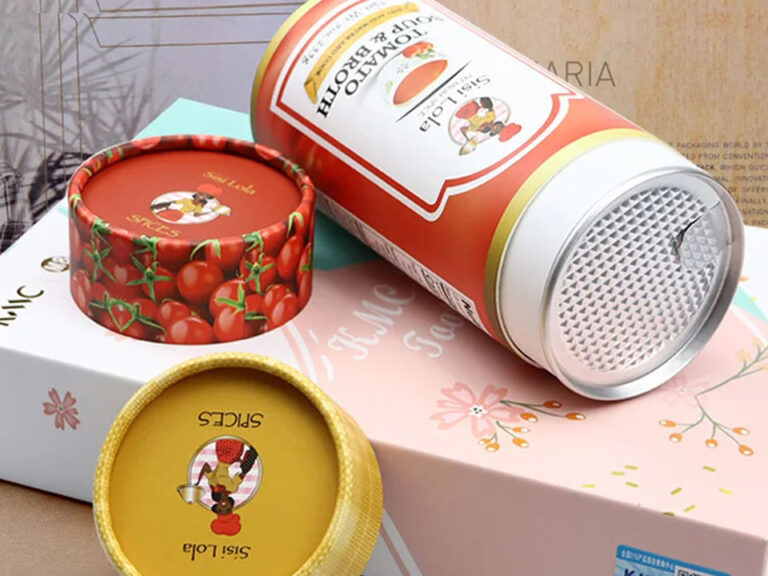
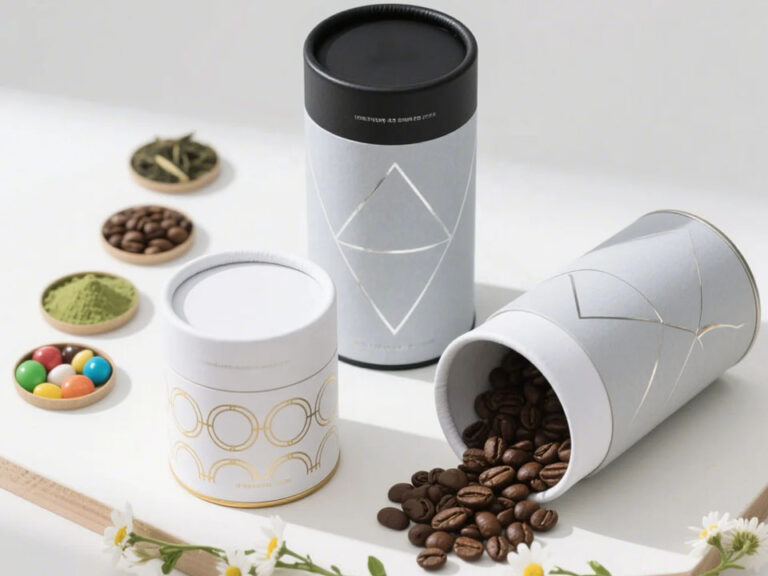
Still Not Seeing The Right Packaging Solution? Talk to Our Boss.
If you’ve reviewed our website or spoken with sales and still don’t see a clear path, send your request here. Your message goes directly to our General Manager for an executive review of feasibility, cost, and lead time. You’ll get a clear next step—what we can do, what we need from you, and the fastest route to a quote.
Built for packaging managers, procurement, and packaging engineers. Specify size, quantity, and finish to receive moq, lead time, and spec guidance for us/eu programs.
Quote-ready customization: diameter, height, wall thickness, inserts, liners, and closures
Unveiling Sustainable Packaging that Buzzes with Innovation
Most brands don’t lose customers because the product is bad. They lose them because packaging creates friction—damaged units, messy shelf presence, unclear info, or a “nice design” that can’t survive mass production.
That’s why the “buzzing with innovation” idea matters. It’s not about trendy graphics. It’s about building a packaging system that does three jobs at once: Sustainable, Informative, and Visually Appealing. When those three stay in balance, you get packaging that sells on the shelf, ships cleanly, and scales without drama.
If you’re sourcing custom paper tube boxes for wholesale, OEM/ODM, or bulk orders, this article turns those ideas into real scenarios you can use right away.
Sustainable Packaging
Sustainability starts with decisions you can feel in your supply chain, not just a line on the box.
Here’s what “sustainable” looks like when you’re shipping thousands of units:
Right-size structure so you’re not paying to ship empty space.
Durable tube wall + stable closure so you don’t bleed margin through damage and reships.
Material strategy that supports brand messaging without making production complicated.
Where this shows up noticebly
Supplements and nutrition: Tubes protect powders and capsules well, especially when you want a premium unboxing without a fragile carton. A good reference is this protein powder paper tube packaging.
Tea and dry goods: Food packaging needs a clean, controlled process and consistent sealing. This tea paper tube packaging with tinplate cover is a practical structure for that kind of product.
Sustainability, in bulk manufacturing terms, means fewer headaches: fewer crushed boxes, fewer returns, fewer “why did my packaging change” complaints.
Informative Packaging
If customers can’t find the key details in five seconds, you’re asking them to work too hard. That’s when they hesitate, bounce, or buy the competitor next to you.
Informative packaging is a layout problem. Fix the hierarchy, and the product becomes easier to buy.
A simple information stack that works
Front: product name + one clear promise (not a paragraph).
Hair accessories often need sizing, material notes, and care instructions. A tube can carry that copy without looking crowded, especially with a window option like this paper tube packaging with clear window and silk handle.
Beauty supplements typically need more on-pack content. You can keep the front clean and move the dense info to the side panels, like the structure shown in this hair skin nails paper tube packaging.
Informative doesn’t mean “more text.” It means the right text shows up in the right place.
Visually Appealing Packaging
Looks aren’t optional. Your packaging is your silent salesperson.
But “pretty” isn’t the goal. You want shelf-readability and brand recall:
Can someone recognize your SKU from two meters away?
Do your variants look like one family, not random products?
Does the finish feel aligned with the price point?
A practical way to build a consistent look
Use one base color system across the line.
Assign a single accent color per SKU.
Keep typography consistent. Change the imagery, not the whole design language.
Where this pays off
Cosmetics: A paper tube can look premium fast with clean printing and controlled finishes. Start with a structure like cosmetics cardboard tube packaging.
Gift products: If the packaging is part of the gift, the tube shape does a lot of work. This jewelry and bracelet paper tube packaging shows how a simple silhouette can still feel high-end.
A strong visual system also makes your ads easier. Your product photos look more consistent, and your storefront feels more “real brand” than “random listing.”
Minimalist Design
Minimalist design isn’t a style trend. It’s a conversion shortcut.
When the layout stays clean:
customers understand the product faster
your compliance copy stays readable
your brand looks more confident
A quick rule that prevents “busy packaging”
One hero message on the front.
Two supporting elements max (badge, icon, short descriptor).
Everything else moves to the side/back.
Minimalism also protects you in mass production. It reduces the risk of small alignment issues becoming obvious on a busy layout.
Cutting and Collage
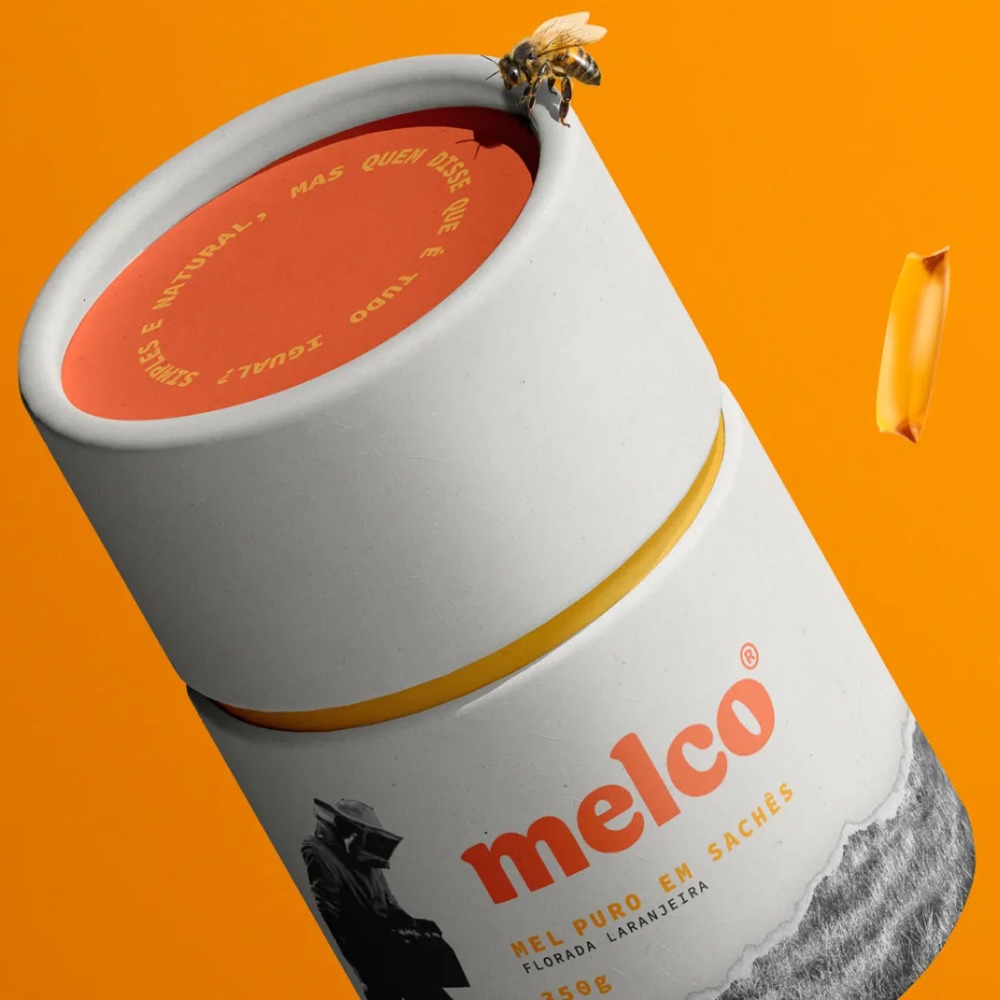
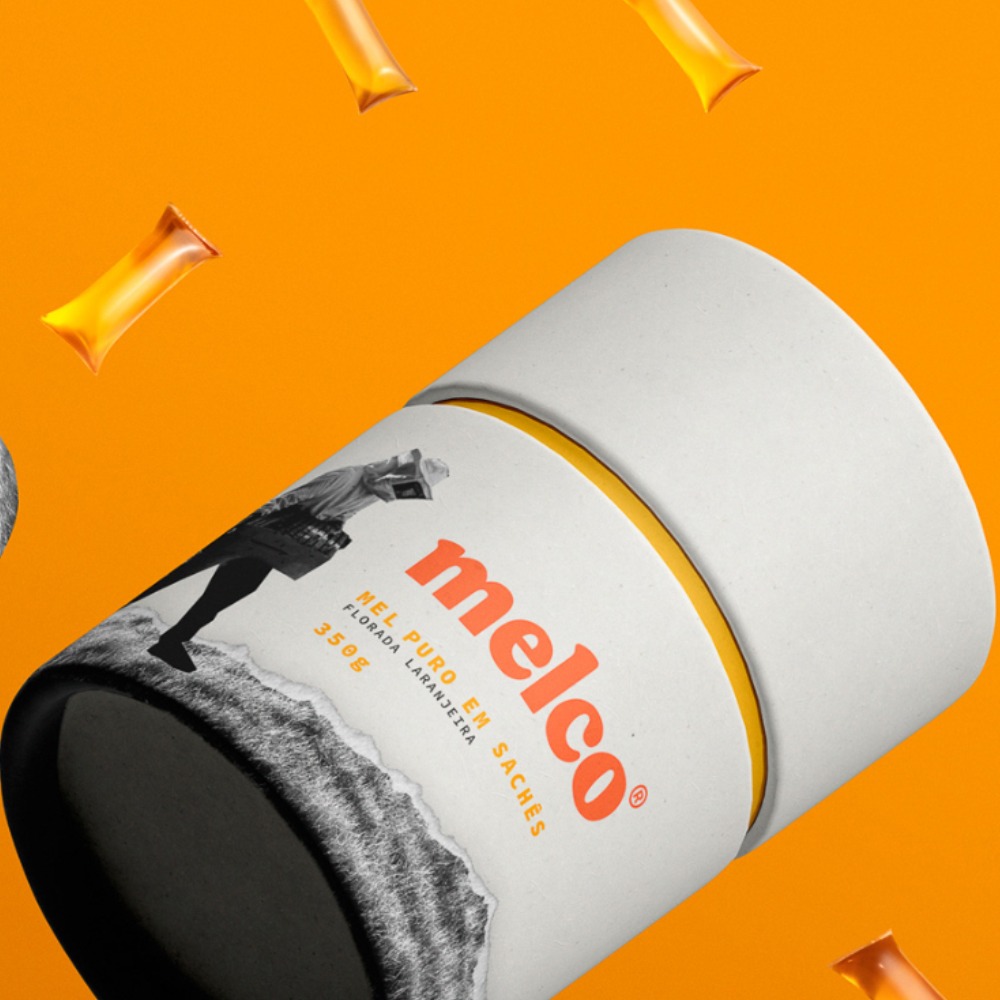
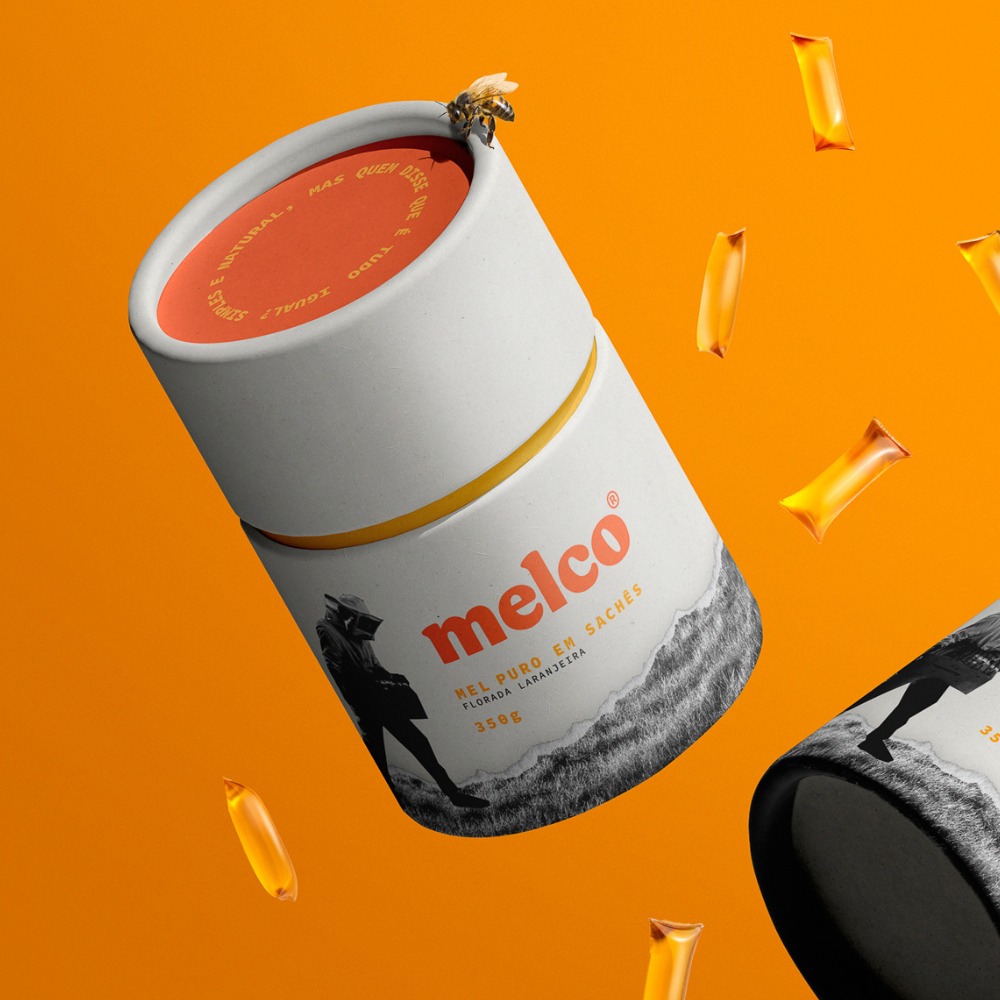
“Cutting and collage” is a smart technique when you want personality without clutter.
Think of it as controlled chaos:
You can show ingredients, origin cues, and product mood in one visual.
Your design stays flexible for seasonal drops and limited editions.
You get a distinct shelf presence that doesn’t rely on loud colors.
Best-fit categories
Brand collaborations: Collage visuals create a fresh look without rebuilding the full system.
Regulated products: You can keep compliance text clean and still add style.
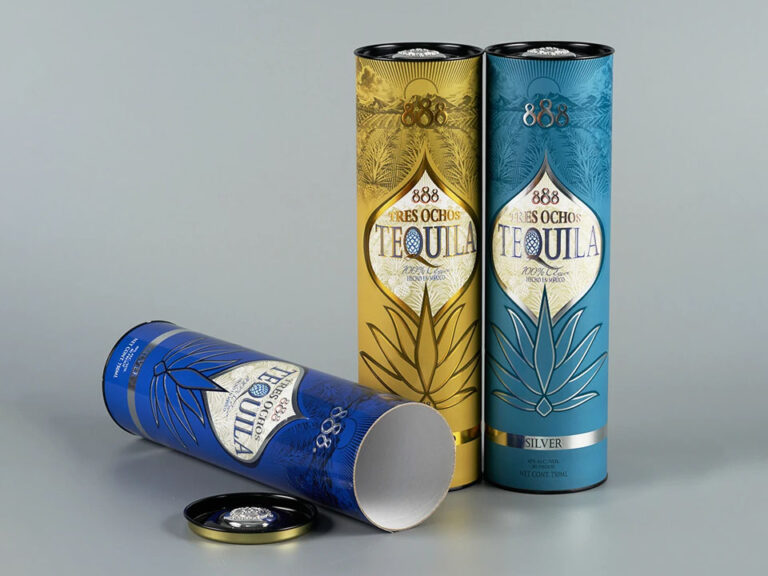
For regulated packaging structures, these two are practical references:
Collage is also great for marketing. It gives you assets you can reuse on product pages, inserts, and social without looking repetitive.
Eco-friendly Materials
Eco-friendly materials matter, but the real test is whether the full pack-out works:
Does it protect the product through fulfillment?
Does it keep its shape after long-distance shipping?
Does it still look premium after handling?
This is where paper tubes shine. They’re rigid, they stack well, and they feel intentional in hand. If you build the structure correctly, you avoid the classic pain points: crushed corners, bent cartons, and messy unboxing.
Top Custom Paper Tube Boxes Manufacturer
If you’re buying in bulk, you’re not only buying a box. You’re buying production stability.
Your site positions you as a Top Custom Paper Tube Boxes Manufacturer, with a modern food packaging purification workshop and a large warehouse footprint, plus a high daily production capacity. That matters for buyers who need:
consistent print and color across reorders
stable lead times during peak seasons
reliable output for wholesale and distribution
This is also where OEM/ODM becomes valuable. You can align structure, printing, finishing, and packing requirements under one roof instead of juggling vendors.
For quick browsing by category, point your team to the Products catalog. And if someone needs the big-picture capability story, send them to your homepage.
OEM/ODM and Wholesale Packaging Scenarios
Here’s how the “Sustainable / Informative / Visually Appealing” framework translates into real buyer needs, without turning into theory.
This table is your “professional backbone.” You can drop it into a blog post, a pitch deck, or a sourcing email. It also pushes buyers toward specific product structures, which improves inquiry quality.
Packaging Engineers
If you want packaging that scales, treat it like a workflow, not a one-time design task.
A clean OEM/ODM flow usually looks like this:
Lock the tube size + closure + insert first.
Approve a physical sample with the real finish.
Freeze artwork once structure is stable.
Run production with clear QC checkpoints (color, fit, closure feel).
That’s how you protect brand consistency across batches and markets—especially for cross-border sellers who can’t afford “surprises” after the shipment lands.
If you want to explore structures fast, start at the homepage for the capability overview, then jump into the Products catalog to shortlist what fits your category.