Still Not Seeing The Right Packaging Solution? Talk to Our Boss.
If you’ve reviewed our website or spoken with sales and still don’t see a clear path, send your request here. Your message goes directly to our General Manager for an executive review of feasibility, cost, and lead time. You’ll get a clear next step—what we can do, what we need from you, and the fastest route to a quote.
Built for packaging managers, procurement, and packaging engineers. Specify size, quantity, and finish to receive moq, lead time, and spec guidance for us/eu programs.
Quote-ready customization: diameter, height, wall thickness, inserts, liners, and closures
How to Choose Paper Tube Packaging for Facial Mask Products
Facial mask brands are increasingly looking beyond traditional jars, sachets, and plastic containers when developing new skincare products. Paper tube packaging offers a cylindrical format with strong shelf presence, customizable printing space, and opportunities for reduced plastic usage. However, selecting the right paper tube is not simply a design decision. The structure must match the facial mask formula, filling method, protection requirements, and sales channel.
For procurement teams and product developers, the key question is not whether a paper tube looks premium. The real question is whether the packaging system can protect the product, support manufacturing efficiency, and meet brand positioning goals.
A successful facial mask paper tube project requires decisions about substrate, barrier protection, tube dimensions, closure design, inserts, finishing, and supplier capabilities before mass production begins.
Why Paper Tube Packaging Works for Facial Mask Products
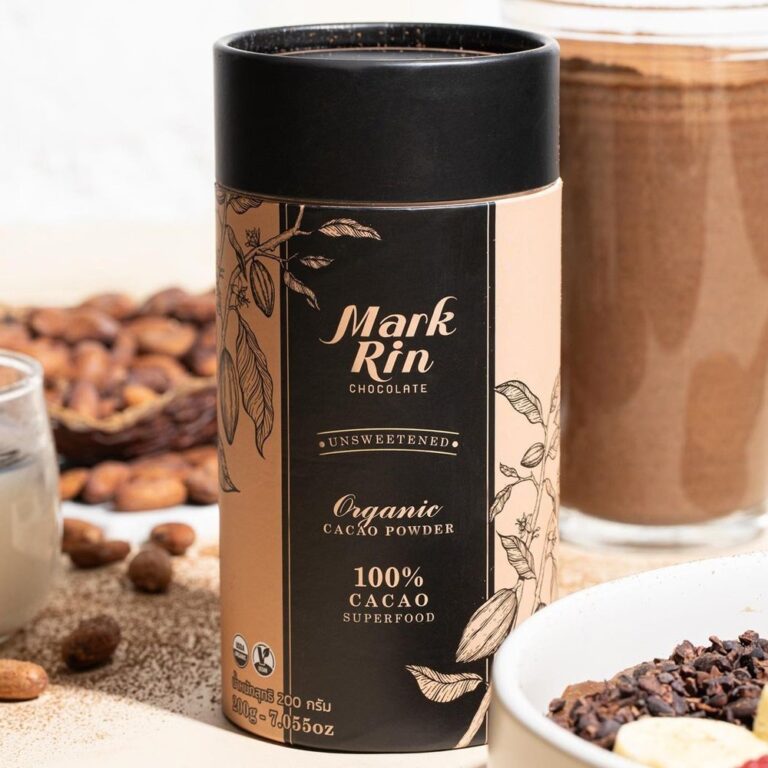
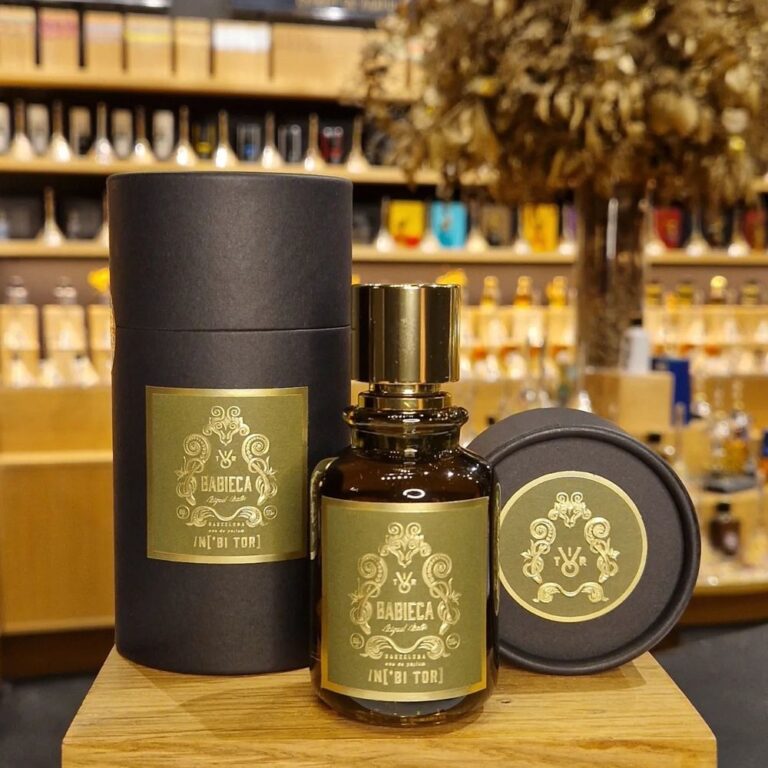
Paper tube packaging is a rigid cylindrical packaging format produced from multiple layers of paperboard wound around a core structure. Depending on the application, manufacturers can combine paper layers with liners, coatings, metal lids, inserts, or other protective components.
For facial mask products, paper tubes are particularly suitable for:
Powder facial masks requiring moisture protection
Dry clay mask powders
Skincare gift sets
Premium facial treatment kits
Trial-size or specialty cosmetic products
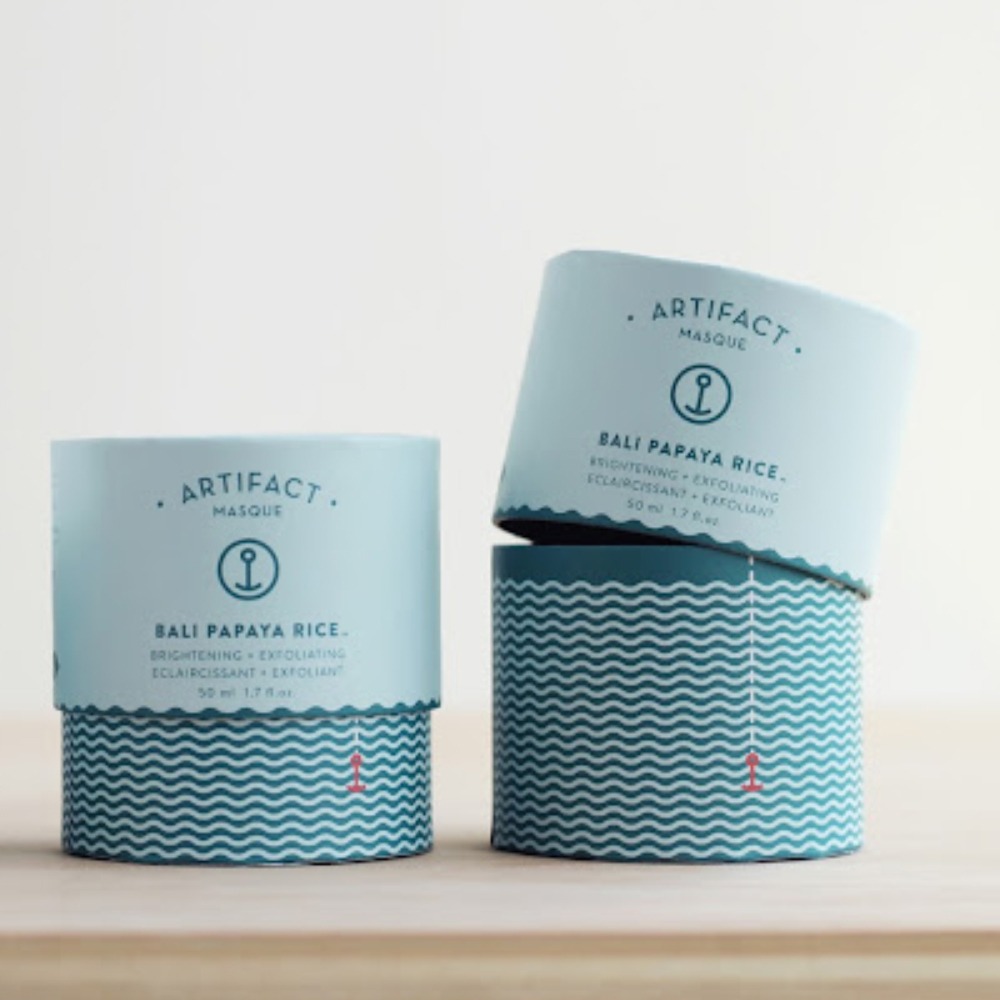
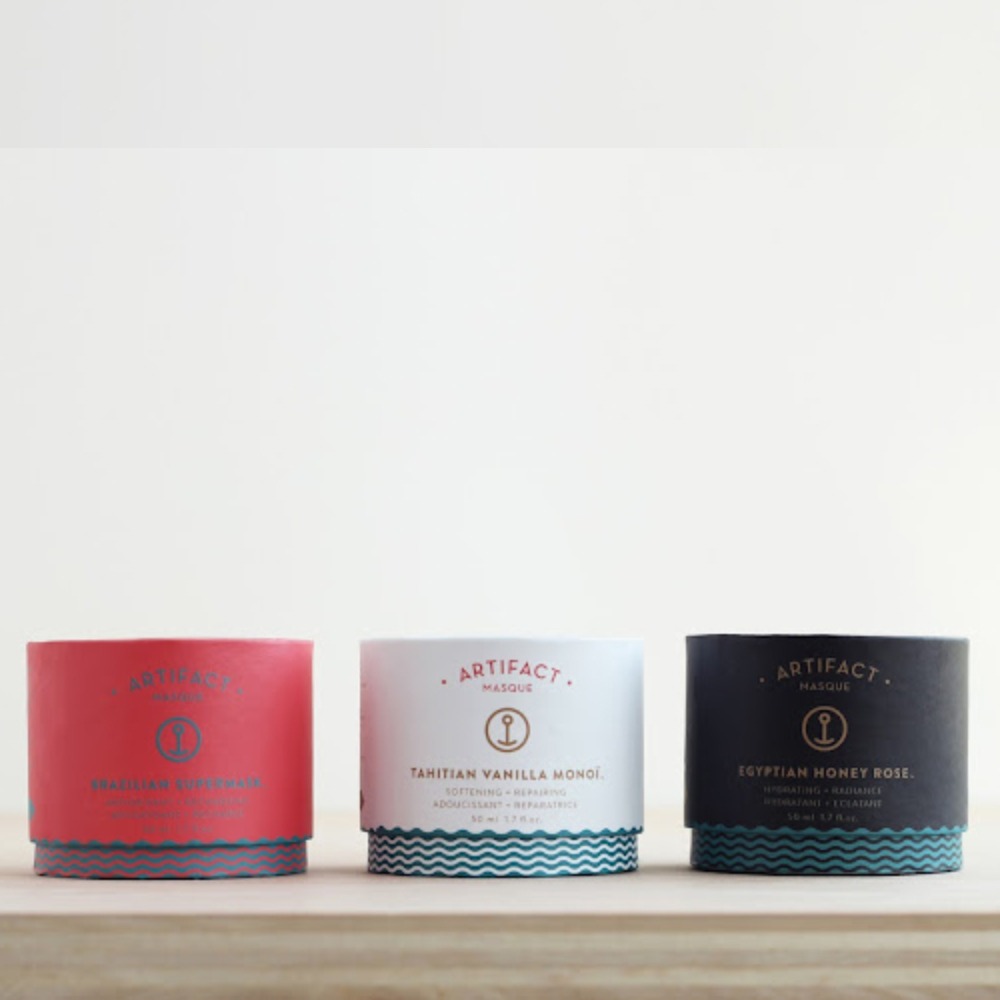
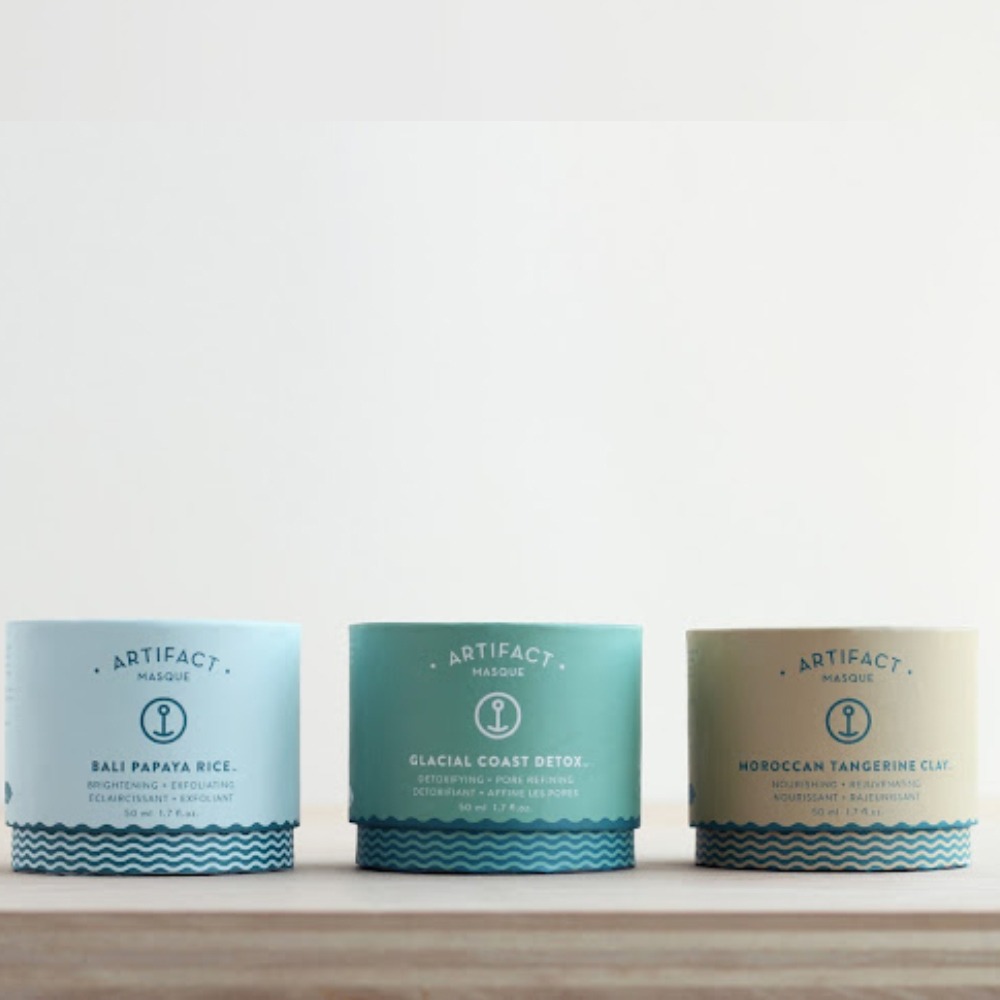
The main advantage is that the tube creates a larger branding surface than many conventional containers. A cylindrical package provides 360-degree printable space for ingredients, usage instructions, brand storytelling, and decorative elements.
However, a paper tube should not automatically replace every cosmetic container. Cream masks, wet formulas, and highly moisture-sensitive products may require additional barrier solutions or alternative packaging formats. Packaging selection should begin with formula compatibility rather than appearance.
Cosmetic packaging specialists commonly emphasize that successful packaging decisions depend on the relationship between formula characteristics, barrier performance, filling requirements, and customer usage scenarios.
How to Select the Right Paper Tube Structure for Facial Masks
Before requesting quotations, buyers should define how the facial mask will be filled, stored, transported, and used. The tube structure determines both product protection and manufacturing cost.
1. Match the Tube Structure With the Mask Formula
The first specification question is:
What type of facial mask product will the tube contain?
Different formulas require different protection strategies.
For powder facial masks, a recyclable cylinder paper tube with a protective inner structure can provide both presentation value and practical dispensing performance. A supplier should confirm humidity resistance and filling compatibility before production.
For example, specialized powder mask packaging solutions often focus on preventing moisture exposure while maintaining convenient dispensing.
Choosing Materials: Paperboard, Liners, and Barrier Protection
A common mistake among buyers is assuming that thicker paper automatically means better packaging.
In reality, the correct material combination matters more than maximum thickness.
A facial mask paper tube normally includes:
Outer printed paper wrap
Structural paperboard layers
Inner liner or barrier layer
Closure system
Optional insert or protective component
The right configuration depends on:
Product moisture sensitivity
Shelf-life requirements
Shipping environment
Storage temperature
Destination market regulations
A premium cosmetic tube may use a smooth coated paper surface for high-quality printing, while a natural skincare brand may prefer kraft paper for an organic appearance.
Brands should also evaluate sustainability claims carefully. A recyclable paper-based structure is only meaningful when the actual material combination and disposal pathway support the claim.
The U.S. Environmental Protection Agency reports that paper and paperboard remain one of the major packaging material categories in municipal waste systems, with recycling performance varying significantly by product type and collection system. Sustainability claims should therefore be based on the actual packaging structure rather than the paper appearance alone.
Paper Tube Options for Facial Mask Packaging
Not every cosmetic paper tube serves the same purpose. Buyers should compare structures based on product requirements.
Tube Option
Best Application
Advantages
Considerations
Standard rigid paper tube
Dry skincare powders and gift products
Cost-effective, premium appearance
Requires correct inner protection
Shaker paper tube
Loose powders and mask powders
Controlled dispensing
Lid design affects usability
Paper tube with insert
Skincare kits and fragile products
Better protection
Higher material cost
Luxury finished tube
Premium beauty brands
Strong shelf impact
More finishing cost
For brands developing multiple skincare SKUs, selecting a supplier with different cosmetic tube structures can simplify future product expansion. A supplier offering cosmetic-specific solutions can help coordinate tube diameter, inserts, closures, and printing standards across a product range.
You can explore different applications of cosmetic paper tubes when comparing suitable structures for skincare products.
Size, Dimensions, and Fit: Avoiding Common Production Problems
Incorrect dimensions are one of the most common causes of packaging problems.
Before production, buyers should confirm:
Product diameter
Product height
Fill weight
Internal clearance
Lid opening size
Insert requirements
Shipping carton dimensions
A tube that is too loose may allow movement during transportation. A tube that is too tight can create difficulties during filling and customer opening.
Manufacturers normally need a complete specification package before creating samples:
Specification Item
Why It Matters
Tube diameter
Determines product fit and appearance
Tube height
Controls capacity and shelf proportion
Material thickness
Influences strength and cost
Closure type
Affects usability and protection
Inner liner
Controls moisture and contamination risks
Quantity/MOQ
Determines production economics
A detailed RFQ helps suppliers provide accurate pricing and prevents repeated sample revisions.
Printing and Finishing Considerations for Beauty Brands
Facial mask packaging competes heavily at retail and online. The external design communicates product positioning before customers read the ingredients.
Common finishing options include:
Matte coating
Gloss coating
Embossing
Debossing
Foil stamping
Spot UV
Special texture papers
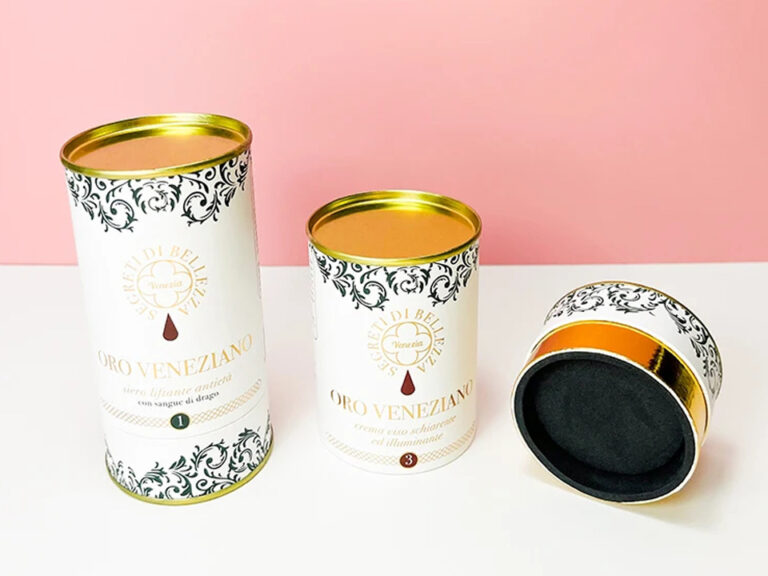
Luxury skincare brands may use metallic foil and embossed logos, while natural beauty brands often prefer kraft textures and minimal printing.
However, complex finishing increases production requirements. Buyers should confirm:
Color approval process
Printing method
Sample approval workflow
Repeat-order color consistency
A beautiful first sample is not enough. Packaging teams should also consider whether the supplier can maintain consistency across repeated production runs.
Sustainability: What Buyers Should Actually Evaluate
Many skincare brands select paper tubes because they want packaging aligned with environmental goals.
But “paper packaging” does not automatically mean sustainable packaging.
Buyers should ask:
Is the tube recyclable in the target market?
Does it contain mixed materials?
Are coatings or liners necessary?
Can the supplier provide FSC-certified materials?
Is the closure compatible with sustainability goals?
The better approach is to balance environmental goals with product protection.
Removing a barrier layer may improve recyclability but damage product stability. Adding unnecessary materials may increase environmental impact without improving performance.
The correct solution is usually the minimum material structure that safely protects the product.
Supplier Selection: Questions to Ask Before Ordering
Choosing the supplier is as important as choosing the tube design.
Before placing an order, buyers should evaluate:
Manufacturing Capability
Ask about:
Production capacity
Quality control process
Equipment capabilities
Previous cosmetic packaging experience
Sampling Process
Confirm:
Prototype timeline
Sample approval method
Modification process
Production validation
Quality Control
Important QC points include:
Tube roundness
Lid fitting
Printing accuracy
Surface defects
Adhesion quality
Structural strength
Commercial Terms
Clarify:
MOQ
Tooling costs
Lead time
Shipping terms
Packaging method
A supplier should not only produce attractive samples. They should also provide predictable production quality.
Common Mistakes When Buying Facial Mask Paper Tube Packaging
Choosing Appearance Before Function
A premium finish cannot compensate for poor barrier protection or incorrect sizing.
Ignoring Filling Requirements
The packaging must match the production line and filling method.
Selecting the Cheapest Tube
The lowest unit price may create higher total costs if it causes:
Product damage
High rejection rates
Rework
Shipping issues
Overcomplicating the Design
More finishes, inserts, and components increase production complexity. A simpler structure often improves consistency and reduces cost.
How to Prepare an RFQ for Facial Mask Paper Tube Packaging
A complete RFQ should include:
Product type: powder mask, clay mask, skincare kit, etc.
Tube size requirements
Required capacity
Material preference
Inner liner requirements
Closure style
Printing requirements
Finishing options
Quantity
Destination country
Expected delivery schedule
For powder facial mask products, buyers may also need to specify whether they require shaker openings, sifter components, or controlled dispensing.
A supplier can provide more accurate recommendations when the packaging request includes both product information and commercial objectives.
For brands developing facial treatment collections, a protective cylindrical format can also be used for skincare bundles and premium kits. Options such as protective paper cylinder boxes for skin saver kit packaging demonstrate how tube structures can extend beyond single-product packaging.
How to Choose the Right Paper Tube Option for Your Facial Mask Project
The best facial mask paper tube is not necessarily the thickest, most decorated, or most expensive option. It is the structure that matches the formula, protects the product, supports manufacturing, and fits the brand’s commercial strategy.
Before requesting samples, buyers should define product requirements first, then evaluate materials, dimensions, finishing, supplier capability, and total landed cost.
A well-prepared specification reduces development delays and helps packaging suppliers deliver a solution that works from prototype through repeat production.
Are paper tubes suitable for facial mask products?
Yes. Paper tubes are suitable for many facial mask products, especially powders, dry clay masks, skincare kits, and premium cosmetic collections. Wet formulas require additional barrier evaluation.
What information should I provide when requesting a facial mask paper tube quotation?
Provide product dimensions, formula type, quantity, material preferences, printing requirements, closure style, finishing options, destination market, and delivery expectations.
Can paper tube packaging protect facial mask powder from moisture?
Yes, when designed with appropriate liners, closures, and barrier materials. The required protection depends on the powder formula and storage conditions.
Are cosmetic paper tubes recyclable?
Some paper tube structures can support recycling goals, but recyclability depends on the complete packaging design, including liners, coatings, and closures.
What printing options are available for facial mask paper tubes?
Common options include offset printing, kraft printing, matte finishes, gloss finishes, foil stamping, embossing, and spot UV effects.
Is a thicker paper tube always better?
No. Thickness affects strength, but the correct structure depends on product weight, protection requirements, shipping conditions, and cost targets.
What MOQ is typical for custom facial mask paper tubes?
MOQ varies by supplier, structure, printing method, and customization level. Buyers should confirm MOQ during quotation because complex finishes and special tooling may require higher quantities.