Still Not Seeing The Right Packaging Solution? Talk to Our Boss.
If you’ve reviewed our website or spoken with sales and still don’t see a clear path, send your request here. Your message goes directly to our General Manager for an executive review of feasibility, cost, and lead time. You’ll get a clear next step—what we can do, what we need from you, and the fastest route to a quote.
Direct GM review of your specs, use case, and constraints
Print/finish recommendations to match brand + budget
Cost-down alternatives and lead-time improvement options
Quote path clarity: MOQ, sampling plan, and what to next
Talk to Our Boss
Get a Fast Quote for Custom Paper Tube Packaging
Built for packaging managers, procurement, and packaging engineers. Specify size, quantity, and finish to receive moq, lead time, and spec guidance for us/eu programs.
Quote-ready customization: diameter, height, wall thickness, inserts, liners, and closures
Elevating Indian Flavors Through Thoughtful Packaging
Table of Contents
Indian flavors don’t need a makeover. They need better packaging translation.
On a shelf or a marketplace grid, “tikka,” “chaat,” or “garam masala” can look unfamiliar to first-time buyers. If the pack feels hard to open, hard to store, or easy to spill, people don’t take the risk. They keep scrolling. They walk away.
Thoughtful packaging fixes that. It makes the product feel clear, premium, and easy in real kitchens. And if you’re selling at scale, it also keeps your operation clean: fewer damages, fewer complaints, smoother replenishment.
So your packaging has to do more than look good. It needs to drive sell-through, protect aroma retention, and reduce first-use friction.
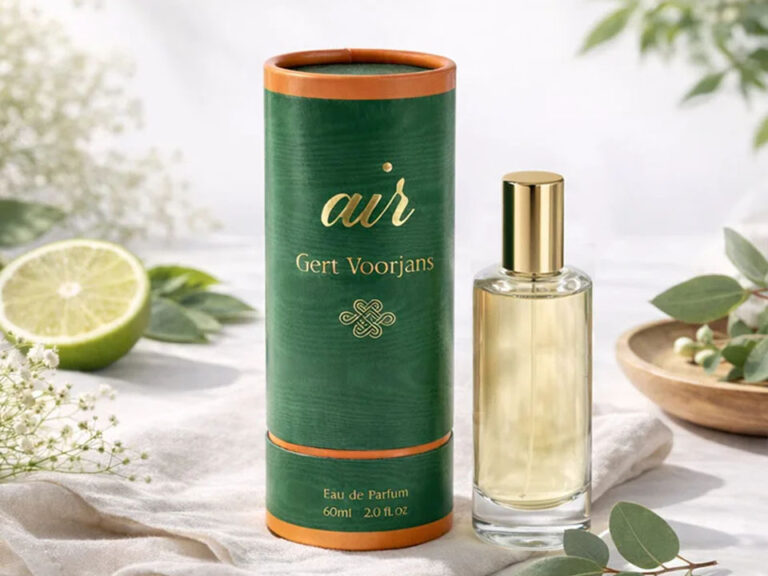
Paper tubes can help because they give you clean branding space, strong structure, and a premium hand-feel that doesn’t scream “fragile pouch.”
Packaging design system for Indian flavors
Below are the exact argument titles you asked for. Each one comes with real execution notes you can use in a brief, a dieline review, or an OEM/ODM spec sheet.
1) Packaging clarifies brand positioning
If your pack doesn’t explain what you are in one glance, your ads end up doing basic education.
How to build it
Lock a simple hierarchy: brand → blend name → flavor cue → one-line use case.
Keep the layout consistent across all blends so the shelf reads as one family.
Quick example A “Weeknight Curry Blend” line reads faster than a long poetic description. People want confidence, not homework.
2) Functionality is not a baseline, it’s a conversion lever
In spices, “user experience” is the product. People cook on autopilot. If the lid annoys them, they won’t reorder.
How to build it
Choose closures that survive frequent open-close cycles.
Design for one-hand use and clean reseal.
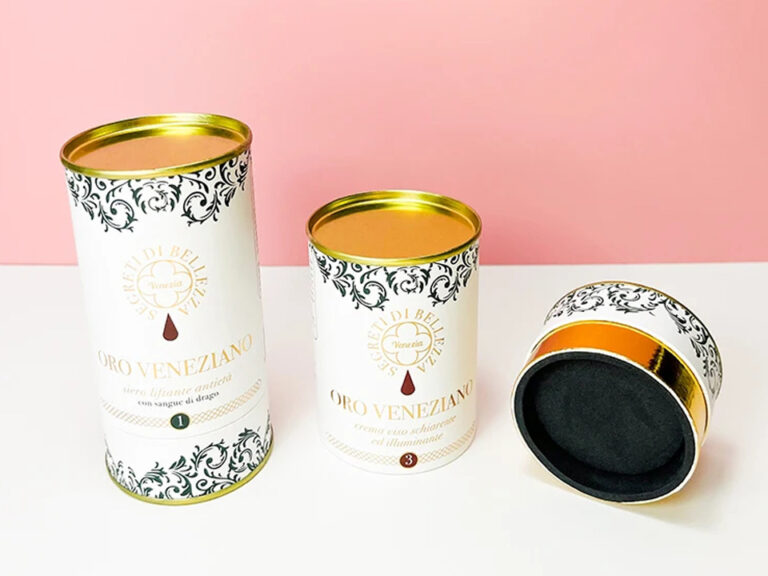
If you’re packaging chai, tea, or spice blends with repeat daily use, a structure like a food-grade tinplate lid kraft paper tube is a solid reference for stability and premium feel.
3) Premium cues must support product value, not decoration
Foil, embossing, soft-touch… they work when they signal something true: sourcing, craft, signature blends.
How to build it
Pick one premium “anchor” detail and keep everything else calm.
Let the product story do the heavy lifting, not noisy graphics.
If you want a premium finish benchmark, look at how cosmetic brands handle tactile upgrades, then translate the restraint into food branding. A cosmetics tube packaging style shows how clean premium cues can look when you avoid clutter.
4) Each flavor needs fast differentiation without breaking the system
When you run a real assortment, clarity becomes your growth engine. That’s SKU architecture.
How to build it
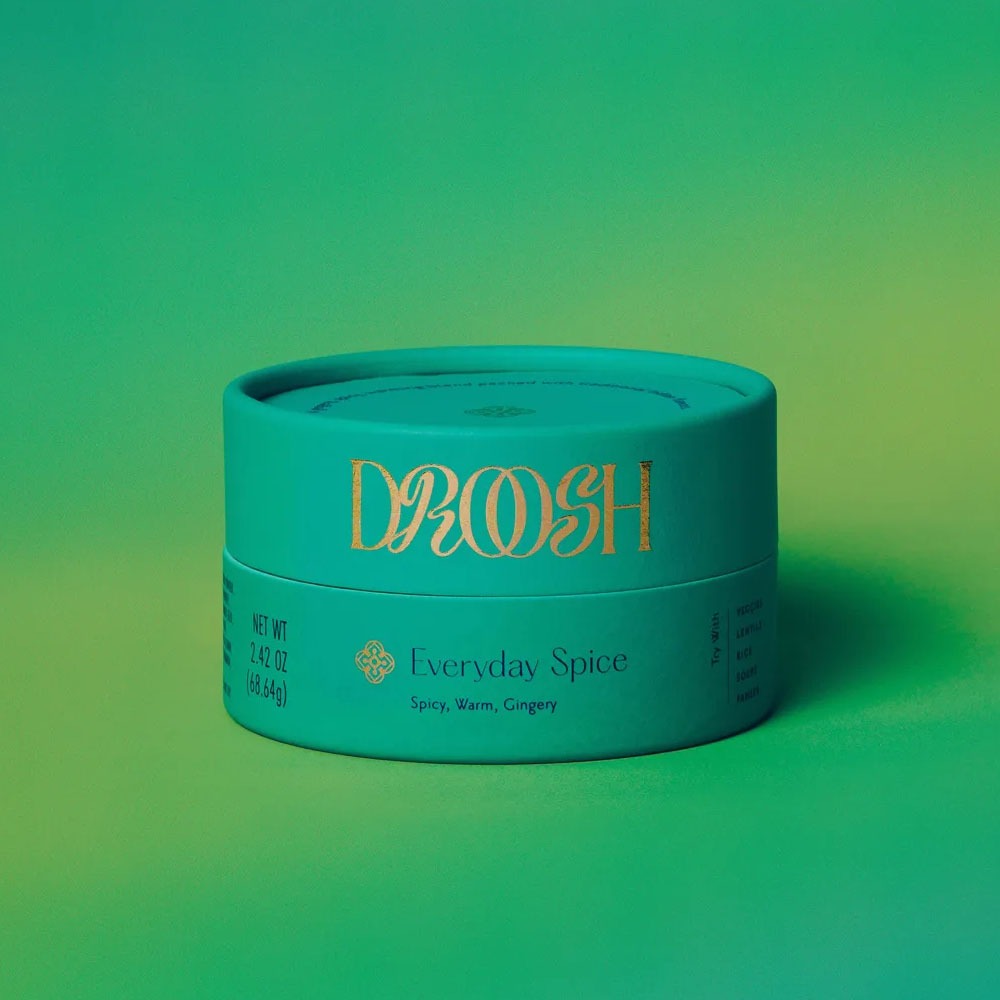
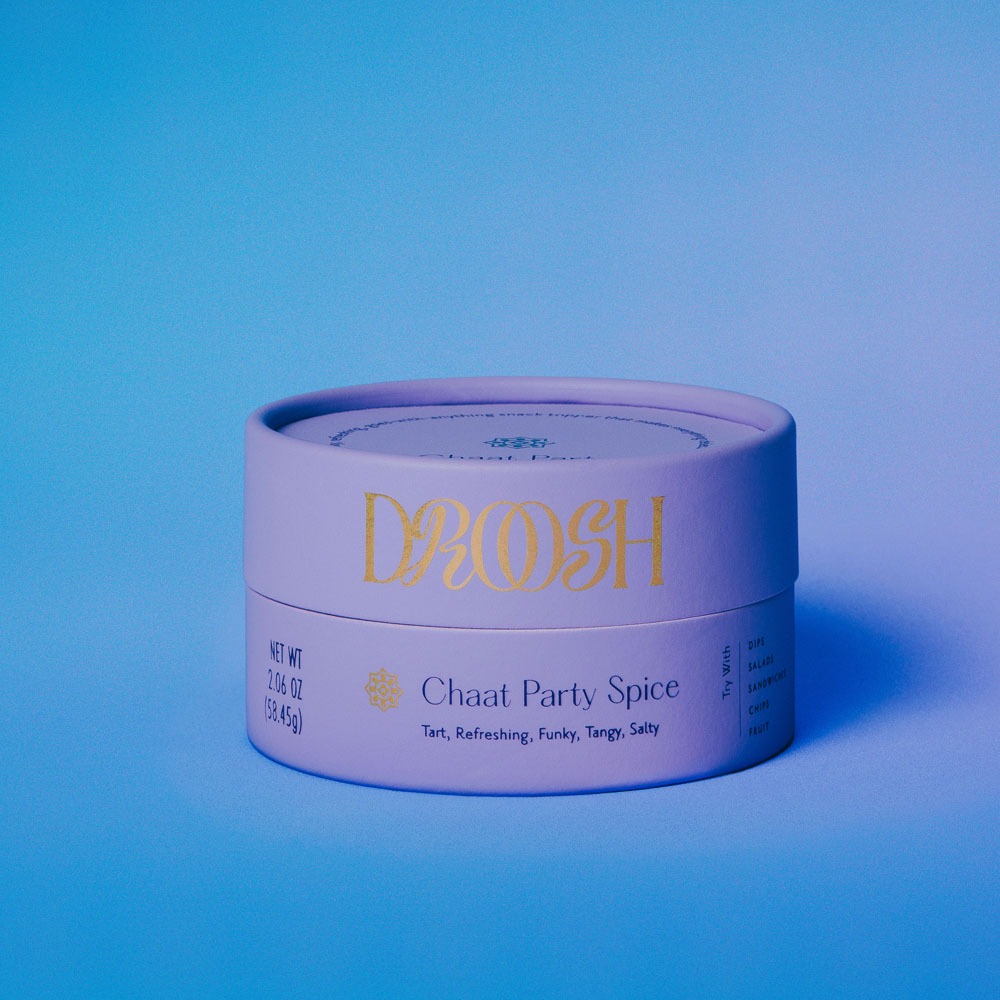
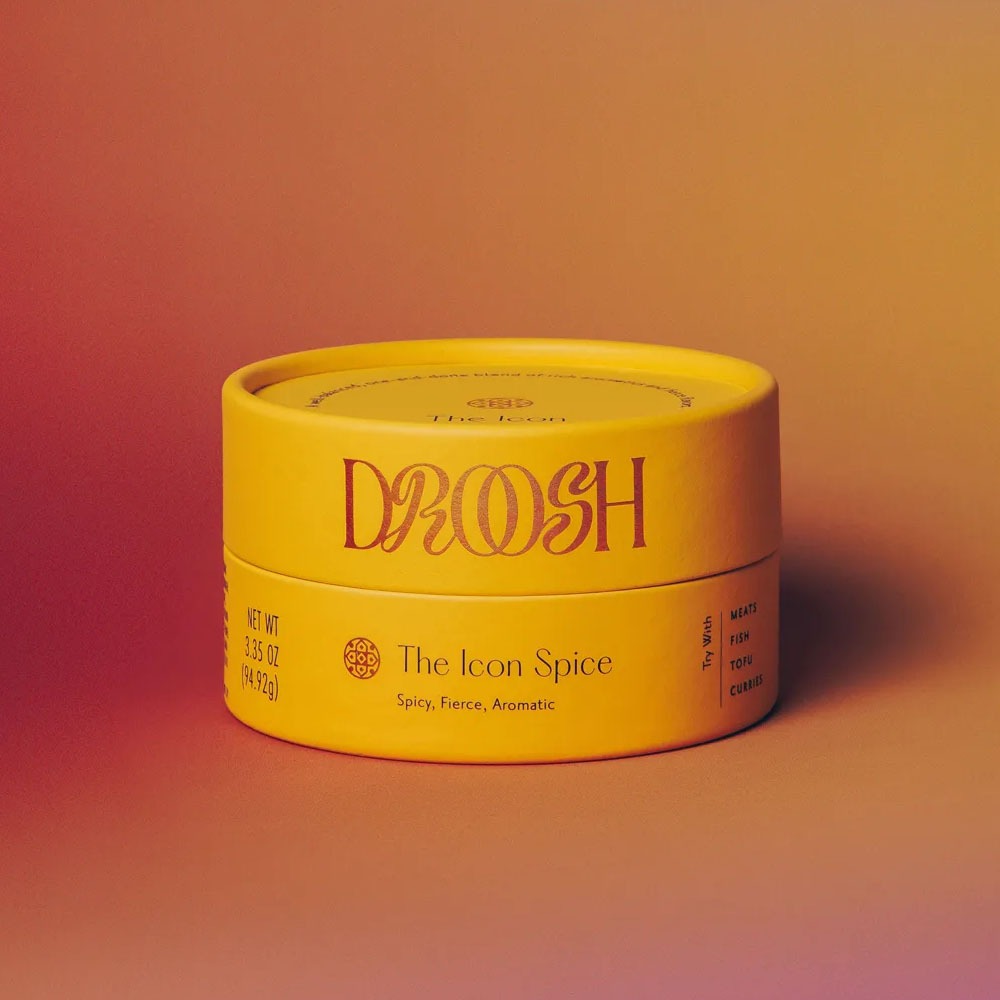
Use a code system: color band + icon + intensity marker.
Make it scannable from a distance. Don’t rely on paragraphs.
This is how you keep a line extension from turning into shelf chaos.
5) Solve the “Indian flavors are complicated” pain point
Many shoppers don’t fear the taste. They fear wasting it.
How to build it
Add a simple “default use” line:
“Eggs • roasted veg • yogurt dips”
“fries • popcorn • grilled chicken”
“chai • oatmeal • baking”
Put it where a thumb naturally rests. Don’t bury it on the back.
That one line reduces buyer hesitation more than another brand slogan ever will.
6) Culture is credibility when it feels lived-in
People can spot “decorative culture” fast. Real origin feels specific.
How to build it
Use honest cues: regional ingredients, recipe lineage, a short origin line.
Keep it respectful. Avoid random patterns that don’t mean anything.
This is how you earn trust without turning culture into a costume.
7) Packaging is the doorway to the full brand world
Your tube is the first touchpoint. After that, your website should turn curiosity into routine.
How to build it
QR to quick recipes, bundles, or refills.
Build a “try this next” path so customers don’t stall after the first purchase.
This is simple LTV engineering: better guidance, stronger repeat rate.
8) Tone should invite, not lecture
Spices are emotional. Nobody wants a scolding brand voice.
How to build it
Use friendly microcopy: “Start here,” “Weeknight-friendly,” “No special skills needed.”
Keep sentences short. Make it feel like a helpful cook, not a textbook.
9) International markets need packaging that explains and builds trust
Cross-border buyers want authenticity, but they also demand clarity.
How to build it
Front-of-pack: what it is, what it tastes like, how to use it.
Good packaging doesn’t just sell. It also prevents returns and distributor headaches.
10) Premiumization works when packaging balances authenticity, modern look, convenience, and sustainability
Modern shoppers want “real” and “easy” at the same time.
How to build it
Pair modern typography with culturally honest cues.
Bake convenience into structure, not just copy.
11) Sustainability affects brand preference, but it must fit category expectations
Eco claims don’t help if the pack feels weak or performs poorly.
How to build it
Choose sturdy materials and a build that protects aroma.
Align barrier choices to product sensitivity.
For powder-like blends, you can borrow structure logic from cylinder tubes used for powder packaging. The category differs, but the protection problem looks similar.
12) Food safety and freshness protection stay non-negotiable
If your spices arrive stale or clumped, you lose repeat purchase. If your labeling looks messy, you lose wholesale trust.
How to build it
Treat closure fit and barrier alignment as QC checkpoints.
Lock your dieline and prepress early so small text stays readable after printing.
Argument table with sources you can cite without external links
Paper tube packaging scenarios for spices, chai, and gifting
Here’s where paper tubes tend to perform well in the market, especially for brands selling wholesale, cross-border, or multi-SKU assortments.
Use case
Packaging direction
Operational win
Commercial win
D2C starter bundle with many blends
Consistent system + strong differentiation
Fewer pick/pack errors
Higher bundle conversion
Retail shelf launch
Clean hierarchy + shelf blocking
Better planogram performance
Better sell-through
Cross-border shipping
Strong structure + clear labeling
Lower damage and returns
Higher review quality
Refill and repeat purchase
Lid design for frequent use
Fewer “stale product” complaints
Better retention
PR kits and gifting
Gift-ready structure and details
Less extra wrapping
More unboxing content
If you want gift-ready cues without making the pack feel like a jewelry box, pull ideas from structures that already sell “premium unboxing,” then tone the visuals back for food. Two useful references for structure details are the clear window tube with handle and the matte white tube with bowknot detail. You’re not copying the category. You’re borrowing the mechanics that make gifting feel effortless.
For brands that want more storytelling space, inside-and-out print helps. A double-sided printed tube style can support an outer “fast decision” face and an inner “story + how-to” layer.
OEM/ODM wholesale packaging keywords: dieline, prepress, QC, and SKU governance
When you scale into wholesale or OEM/ODM, the difference between “pretty” and “profitable” is execution.
Dieline discipline: lock structure early so every SKU fits the same system.
Prepress control: protect small text and keep colors consistent across batches.
QC checkpoints: closure fit, print alignment, and surface finish consistency.
SKU governance: decide rules before line extension starts, or your shelf will look messy later.
This is where a manufacturer mindset matters. You’re not only buying packaging. You’re buying repeatability, throughput stability, and fewer surprises across production runs.
Wrap-up
Thoughtful packaging makes Indian flavors easier to understand and easier to use. It also makes your brand easier to scale.
Keep the hierarchy clean. Make the tube feel good in a real kitchen. Build a SKU system that holds up when you expand. And never compromise on freshness protection, because that’s where repeat purchase lives.