Still Not Seeing The Right Packaging Solution? Talk to Our Boss.
If you’ve reviewed our website or spoken with sales and still don’t see a clear path, send your request here. Your message goes directly to our General Manager for an executive review of feasibility, cost, and lead time. You’ll get a clear next step—what we can do, what we need from you, and the fastest route to a quote.
Built for packaging managers, procurement, and packaging engineers. Specify size, quantity, and finish to receive moq, lead time, and spec guidance for us/eu programs.
Quote-ready customization: diameter, height, wall thickness, inserts, liners, and closures
How to Choose Paper Tube Packaging for Sausage Products
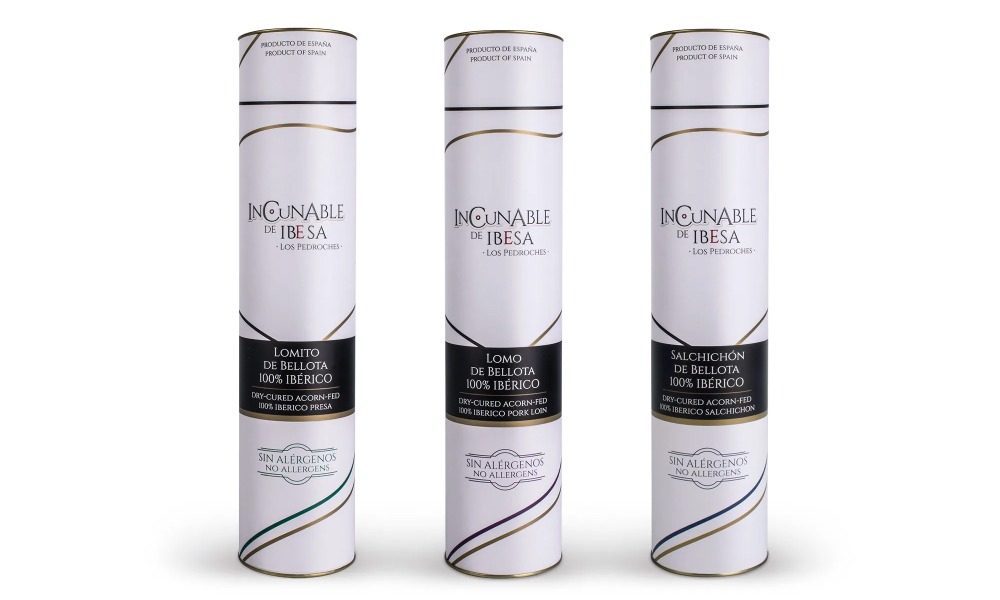
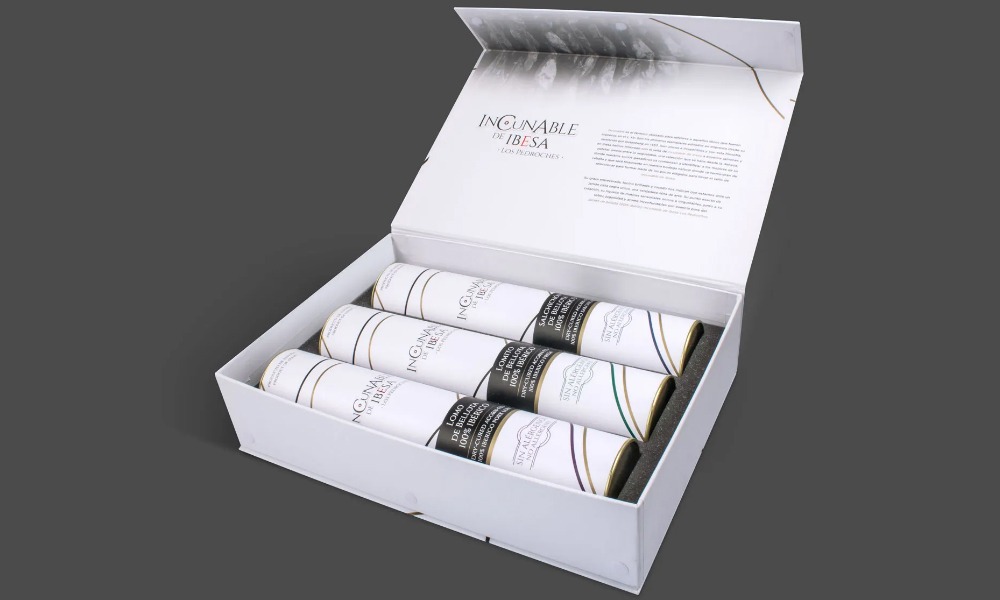
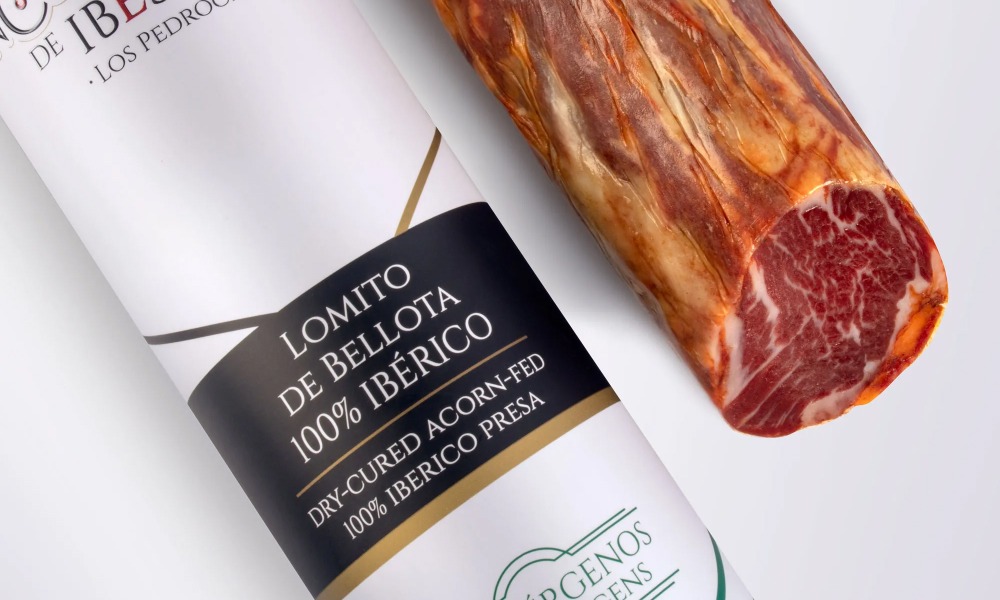
Paper tube packaging can work well for premium sausages, salami sticks, charcuterie gift sets, and private-label meat products—but usually not as the package responsible for shelf life. For most sausage applications, the meat should remain inside a validated vacuum pouch, flow wrap, casing, or modified-atmosphere package, while the rigid paper tube serves as secondary packaging for protection, presentation, branding, and gifting.
That distinction affects almost every purchasing decision. A buyer specifying the tube needs to consider the dimensions of the packed sausage, storage temperature, condensation, grease migration, lid fit, print durability, case packing, compliance requirements, and distribution conditions. Buyers comparing broader food paper tube packaging should therefore start with the complete packaging architecture rather than simply asking a supplier for a “food-grade tube.”
Should a Paper Tube Be the Primary Package for Sausage?
For most sausage products, no. A paper tube is generally better used around an already sealed primary package.
Sausage shelf life depends on factors such as oxygen exposure, moisture transfer, temperature, microbial control, formulation, processing method, and seal integrity. Vacuum packaging and modified-atmosphere packaging are specifically engineered to control these variables.
A 2026 peer-reviewed study of sliced dry-cured Portuguese sausage, for example, evaluated sausage packed in a 52 μm laminated vacuum film with an oxygen transmission rate below 3 cc/m²/day and a water-vapor transmission rate below 15 g/m²/day. The researchers followed the packaged product for as long as six months under defined storage conditions. Those results should not be interpreted as a universal six-month sausage shelf life; they demonstrate why primary packaging performance must be validated for a particular food, film, process, and storage condition.
A decorative paper tube cannot simply replace such a barrier system.
A more practical architecture is:
Sausage → validated primary pouch or wrap → rigid paper tube → shipping case
The primary pack controls food preservation. The paper tube then has a different job: prevent crushing, improve retail presentation, provide more branding area, organize multipacks, and create a premium gift format.
Which Sausage Products Are the Best Fit for Paper Tubes?
Paper tubes make the most commercial sense when the shape, retail positioning, and price point justify additional secondary packaging.
Sausage format
Paper tube suitability
Main reason
Main concern
Whole dry-cured salami
High
Cylindrical geometry suits the tube
Correct clearance around irregular product shape
Individually wrapped sausage sticks
High
Easy to bundle and merchandise
Product movement inside the tube
Premium smoked sausage
Medium–High
Strong gift and retail potential
Refrigeration and condensation exposure
Seasonal sausage gift sets
High
Good presentation and multi-item organization
Insert design and freight cube
Fresh raw sausage in trays
Low–Medium
Tube adds little to standard retail formats
Cost, refrigeration, inefficient geometry
Sliced charcuterie packs
Low
Flat primary packages do not use cylindrical space efficiently
Excess empty space and material
This is why sausage paper tube packaging is particularly relevant to premium dry-cured products, gourmet gifting, private-label specialty foods, tasting sets, and promotional programs rather than every meat SKU.
Choose the Packaging Architecture Before Choosing the Tube
A common specification mistake is to decide on a premium tube first and then try to make the sausage fit it.
Reverse that process.
Define the product, primary package, distribution conditions, and filling operation first. Only then should the tube diameter, height, wall construction, closure, insert, and finish be finalized.
Secondary packaging is usually the practical starting point
If the sausage is completely enclosed in its own sealed food-contact package, the rigid tube can be optimized around structural and commercial requirements rather than being asked to perform every food-preservation function.
This can reduce unnecessary complexity. A foil-lined, hermetically sealed paper canister may make sense for direct-fill coffee or powdered foods, but adding the same construction around an already validated vacuum-packed salami may provide little additional shelf-life value.
The better question is not:
“How food-grade can we make the tube?”
It is:
“What functions does the tube actually need to perform?”
For secondary sausage packaging, the priorities may instead be dimensional fit, grease resistance against accidental pouch contamination, odor neutrality, scuff resistance, humidity tolerance, closure retention, print quality, and compression performance.
When direct food contact changes the specification
If unpackaged sausage could directly contact the paper tube or its liner, the compliance scope changes substantially.
The U.S. FDA defines food-contact substances broadly enough to include packaging components such as adhesives, coatings, and colorants when applicable to food contact. Buyers therefore need to verify the regulatory status of the relevant materials for the intended food and conditions of use rather than accepting a generic statement that a tube is “FDA approved.”
For EU programs, Regulation (EC) No 1935/2004 establishes the general requirement that materials intended to contact food must not transfer constituents in quantities that could endanger health, unacceptably change food composition, or deteriorate taste or odor. The regulation also addresses traceability of food-contact materials.
Direct-contact paper tubes for oily meat products should therefore be treated as a specialist packaging project with appropriate material declarations and validation—not as a standard decorative paper tube with a different label.
How to Size a Paper Tube Around a Real Sausage Pack
Do not specify the tube from the sausage’s nominal caliber alone.
A 60 mm sausage does not necessarily create a 60 mm packed product. Casings vary, vacuum pouches create folds, labels add thickness, seals protrude, and the product may not remain perfectly round.
The procurement team should supply the packaging engineer with production-packed samples, ideally representing dimensional variation across more than one batch. Measure the largest practical diameter and total packed length, including seals or folded pouch ends.
Then ask the tube supplier to recommend the finished internal dimensions and disclose the manufacturing tolerances.
Too little clearance creates insertion problems on the packing line. Too much clearance makes the product rattle, weakens presentation, and may require an unnecessary insert.
If the sausage needs a more deliberate reveal during opening, a raised inner-neck kraft tube structure illustrates how a separate internal shoulder can control lid engagement and presentation. The example is designed for tea rather than meat, but the structural principle can be adapted to a properly sealed sausage product.
Which Paper Tube Structure Should You Choose?
The structure should follow the distribution channel and positioning of the product rather than aesthetic preference alone.
Two-piece telescopic tube
A lid slides over part of the base tube. This is straightforward, easy to open, and suitable for many premium sausage packs.
It works well when:
the product has reasonably consistent dimensions;
the tube is primarily for retail and gifting;
no complicated insert is required.
Tube with raised inner neck
A separate inner shoulder creates a more controlled lid fit and a stronger presentation line.
It can suit:
high-value salami;
corporate food gifts;
limited editions;
products where opening feel matters.
The trade-off is additional material, assembly, and tolerance control.
Three-piece tube
A body, base, and lid can provide more structural control and more options for different materials or closures.
This format may be useful for heavier sausage bundles or kits containing several products.
Paper tube with an insert
An insert becomes useful when several sausages, condiment sachets, serving accessories, or promotional materials must remain positioned during transport.
Do not add an insert merely to make the packaging appear premium. Every insert adds material, assembly time, freight weight, and another dimensional interface that can fail.
Specialty lids
Metal, paperboard, molded components, or decorative wooden closures can change perceived value significantly. For example, round paper tube boxes with natural wood lids demonstrate the visual effect of a contrasting premium closure.
For chilled sausage packaging, however, decorative wood should be evaluated carefully for the actual humidity and handling environment. A closure that works for ambient tea packaging should not automatically be transferred to refrigerated food without testing.
Materials, Liners, and Moisture: What Actually Matters?
For a secondary sausage tube, structural paperboard normally provides the rigidity while the outer wrap controls print appearance.
The more difficult issue is moisture.
A sausage may be perfectly sealed yet still move through refrigerated warehouses, chilled displays, delivery vehicles, and warmer retail or home environments. Temperature transitions can create condensation on the primary package or the outside of the secondary pack.
That means buyers should ask how the tube performs under the actual distribution environment, not merely whether the board looks rigid in a dry sample room.
Potential options include:
uncoated or minimally coated kraft for dry ambient applications;
varnished or coated printed wraps for improved rub resistance;
external film lamination where additional moisture/scuff resistance is required;
internal barrier layers where justified by the actual contact or contamination risk.
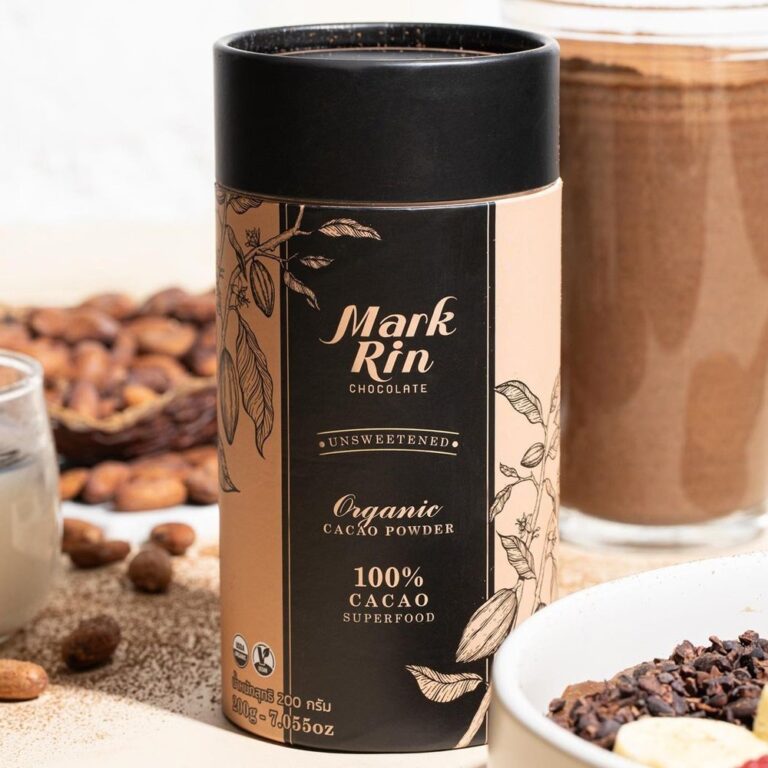
A printed kraft paper tube used for ground coffee retail shows a two-piece retail format with custom printing and optional interior liners. For sausage procurement, the useful lesson is not to copy a coffee barrier specification, but to separate structural, decorative, and barrier requirements and pay only for the functions the project actually needs.
Printing and Finishes for Refrigerated or Premium Retail
Print specifications should be based on the sales channel and expected handling.
Offset printing can provide strong image and color control for established volume programs. Digital printing can be useful for sampling, shorter commercial runs, regional variants, or artwork that changes frequently, depending on supplier capabilities and tube construction.
For branded sausage lines, specify:
CMYK versus Pantone/spot-color requirements;
physical approved color standards where brand color is sensitive;
matte, gloss, or other protective coatings;
foil stamping only where the premium signal justifies the cost;
barcode position and scan verification on the finished curved package;
abrasion resistance appropriate to case packing and retail handling.
A flat PDF proof cannot confirm lid fit, final color on the chosen substrate, foil registration, barcode scanning on a curved wall, or condensation resistance.
Approve the physical sample.
Build a Packaging System Across Multiple Sausage SKUs
One successful sausage SKU often becomes several: original, smoked, spicy, garlic, herb, regional, retailer-exclusive, and holiday versions.
Designing a completely different tube for each SKU creates unnecessary tooling, artwork control, inventory, and purchasing complexity.
A July 2026 discussion in the packaging community described a small food business facing this exact scaling problem after expanding from one product to eight. Packaging professionals in the discussion recommended treating the range as a controlled packaging system—standardizing structures, production files, and brand rules while changing only the elements that need to differ. This is qualitative community evidence rather than a formal industry study, but the operational problem is highly relevant to multi-SKU food brands.
For sausage brands, a sensible platform might use one or two tube diameters, a controlled family of heights, the same lid construction, and common brand zones. Flavor differentiation can come from artwork, labels, bands, or controlled color changes.
Seasonal assortments can then extend the same system. A custom Christmas gift paper tube set provides a useful structural reference for building promotional or holiday packaging without redesigning the permanent retail pack.
What Drives the Cost of Sausage Paper Tube Packaging?
Unit price is only one part of the purchasing decision.
Major cost drivers normally include:
Diameter and height. Larger tubes consume more board and increase shipping cube.
Wall construction. Additional board layers or heavier structures increase material usage and converting time.
Closure type. Standard paper lids are usually simpler than specialty metal, wood, or engineered closures.
Liners and coatings. Barrier layers should be tied to an actual performance requirement.
Printing method and coverage. Complex artwork, multiple spot colors, specialty papers, and heavy ink coverage may increase cost.
Premium finishes. Foil stamping, embossing, debossing, specialty varnishes, and multiple finishing operations add process steps.
Insert complexity. Custom cradles or dividers affect tooling, assembly, and packing labor.
Order quantity and SKU fragmentation. Ten thousand identical tubes are a different production job from ten designs at one thousand pieces each.
Freight. Empty rigid tubes occupy substantial volume. A slightly cheaper ex-factory quotation can lose its advantage after freight, duties, warehouse space, and damage are included.
This is why the lowest quoted unit price does not necessarily create the lowest total landed cost.
How Should Buyers Test Paper Tubes Before Mass Production?
A production-intent sample should be tested with the actual packed sausage, not an empty tube.
At minimum, the buyer and supplier should agree on checks for:
Product fit
Insert and remove sausages representing normal production variation. Confirm that vacuum seams, labels, and folded ends do not jam.
Lid retention
Verify opening force and fit after repeated opening, handling, and environmental conditioning.
Condensation and humidity exposure
Expose the assembled package to temperature and humidity conditions representative of its distribution route. Watch for swelling, delamination, staining, wrapper lifting, and loss of lid fit.
Grease and contamination resistance
If the primary pouch becomes oily during packing or handling, determine whether the tube surface or inner wall visibly stains.
Odor
The tube, adhesive, ink, liner, and finish should not introduce an objectionable odor into the closed secondary package.
Print and finish durability
Test rubbing, case packing, handling, and contact between adjacent tubes.
Shipping performance
Test the complete retail package inside its actual shipping case. Compression or drop performance of an empty tube does not tell the buyer how the finished packed system will behave.
Artwork control
Use the approved physical sample or an agreed color standard as the QC reference. Record artwork revision numbers so old files cannot re-enter production.
What Should Buyers Specify Before Requesting a Quote?
A useful sausage paper tube RFQ should contain enough information for suppliers to quote the same packaging specification.
Provide:
sausage type and format;
whether the tube is primary or secondary packaging;
actual dimensions of the packed sausage;
net weight and packed weight;
target tube diameter and height, if already developed;
quantity per order and annual forecast;
number of SKUs;
required tube structure;
lid type;
insert requirements;
printing colors and artwork;
surface finish;
food-contact status and target sales market;
storage temperature and distribution conditions;
retail versus gift-channel requirements;
shipping destination;
case-pack requirements;
required testing, inspection, and compliance documentation;
target launch date.
If dimensions are not finalized, send actual production-packed samples to the supplier before approving tooling or mass-production dimensions.
An RFQ that says only “10,000 food-grade sausage tubes, full color” invites suppliers to price completely different constructions. The cheapest quotation may simply contain fewer requirements.
Frequently Asked Questions
Can sausage be placed directly inside a paper tube?
It is technically possible to engineer direct-contact food packaging, but a standard paper tube should not be assumed suitable for unpackaged sausage. Wet, oily meat products require specific barrier, migration, hygiene, sealing, and shelf-life validation.
Are food-grade paper tubes airtight?
Not automatically. “Food grade” describes suitability for a defined food-contact application; it does not guarantee hermetic sealing. Airtight performance depends on the liner, end construction, membrane, closure, and sealing system.
Is a paper tube suitable for refrigerated sausage?
It can be suitable as secondary packaging if the structure withstands the expected chilled distribution environment. Buyers should test condensation, humidity exposure, dimensional stability, adhesive performance, and surface durability before production.
What sausage products are best suited to paper tube packaging?
Whole dry-cured sausages, salami sticks, premium smoked sausages, tasting sets, and gift assortments are generally better candidates than flat trays of fresh sausage or sliced charcuterie packs.
Do I need a foil liner inside a sausage paper tube?
Not necessarily. If the sausage already has a validated high-barrier primary pouch, an additional foil liner may add cost without improving shelf life. Specify a liner only when it solves a defined barrier, contamination, or compliance requirement.
What information does a paper tube supplier need to quote accurately?
Suppliers typically need packed-product dimensions, tube size, order quantity, structure, lid, printing, finish, inserts, food-contact requirements, target market, shipping destination, and required testing or documentation.
Should every sausage flavor use the same tube size?
Not automatically. Standardizing structures can reduce cost and complexity, but the final tube must still fit each product correctly. Standardize the packaging system where practical rather than forcing different sausage formats into one inefficient dimension.