Still Not Seeing The Right Packaging Solution? Talk to Our Boss.
If you’ve reviewed our website or spoken with sales and still don’t see a clear path, send your request here. Your message goes directly to our General Manager for an executive review of feasibility, cost, and lead time. You’ll get a clear next step—what we can do, what we need from you, and the fastest route to a quote.
Built for packaging managers, procurement, and packaging engineers. Specify size, quantity, and finish to receive moq, lead time, and spec guidance for us/eu programs.
Quote-ready customization: diameter, height, wall thickness, inserts, liners, and closures
Sustainable Herbal Tea Blends: Innovative Paper Tube Packaging
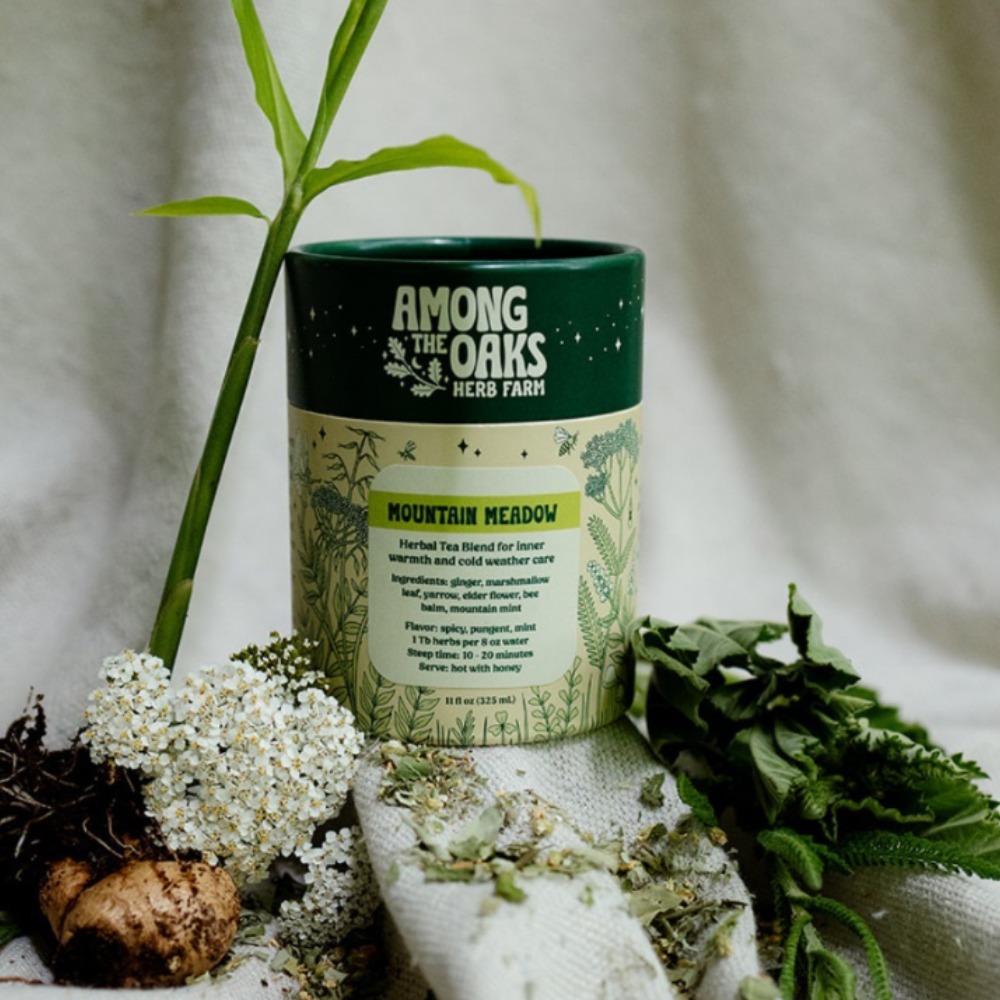
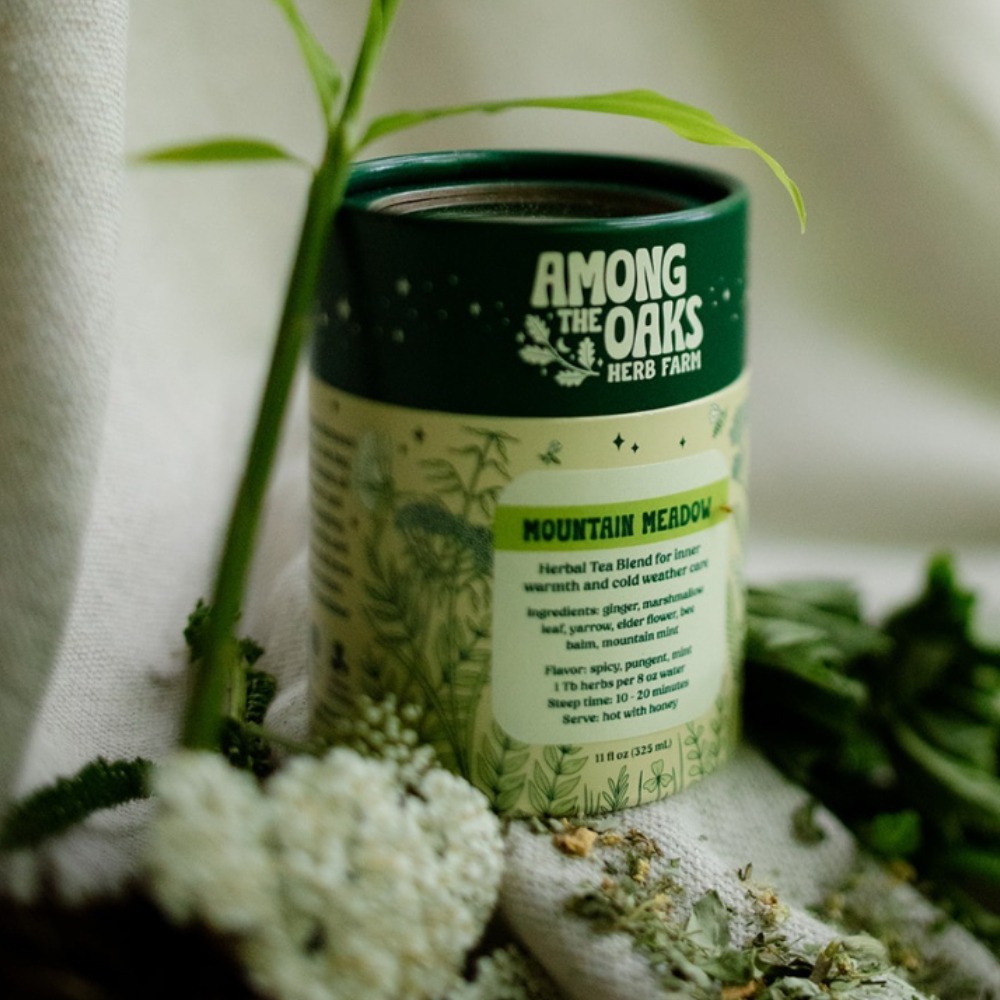
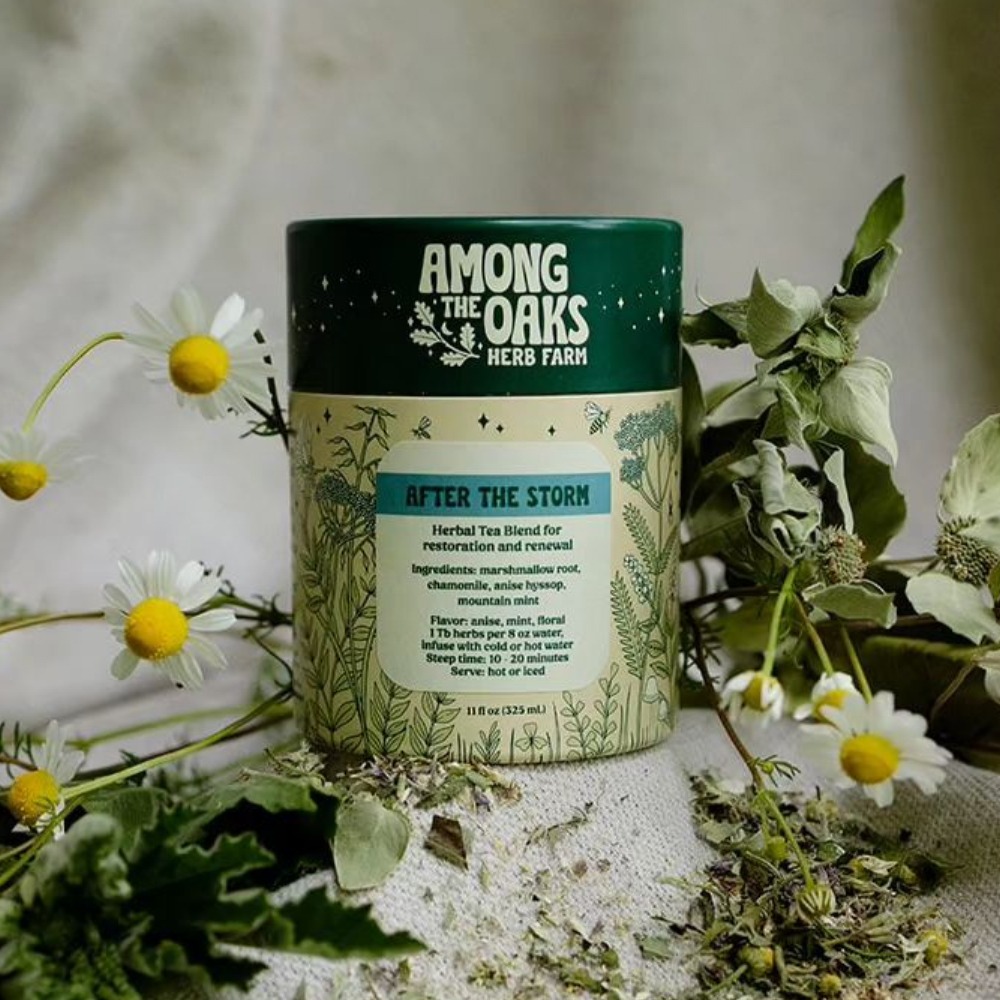
Herbal tea brands invest heavily in ingredient sourcing, blending quality, and flavor development, but packaging determines how well those qualities survive from production to the customer’s shelf. Herbal tea paper tube packaging provides a premium cylindrical format that combines brand presentation with practical protection through customized liners, closures, and structural designs.
For tea companies launching organic blends, wellness teas, botanical collections, or private-label products, the right paper tube is not simply a decorative container. It must protect aroma, control moisture exposure, support retail branding, and meet production requirements.
Key Takeaways
Paper tube packaging can provide a premium alternative to conventional tea bags and plastic containers.
Herbal tea packaging requires barrier protection against moisture, oxygen, and light.
The best tube design depends on tea type, shelf life requirements, filling method, and distribution channel.
Food-grade liners and airtight closures are critical for preserving tea quality.
Sustainable packaging decisions should consider the entire supply chain, not only the outer material.
Custom printing and finishing help tea brands create stronger shelf differentiation.
Why Herbal Tea Brands Are Choosing Paper Tube Packaging
Herbal tea products are increasingly positioned as premium wellness products. Packaging therefore plays two roles:
Protecting the product.
Communicating brand value.
A cylindrical paper tube gives brands a distinctive shelf presence compared with standard pouches or cartons. The structure works particularly well for:
loose leaf herbal tea
botanical blends
gift tea collections
premium wellness products
seasonal tea launches
Custom tea paper tube packaging allows brands to specify dimensions, printing, finishes, and internal protection requirements based on the product. ([Custom Paper Tube Boxes][4])
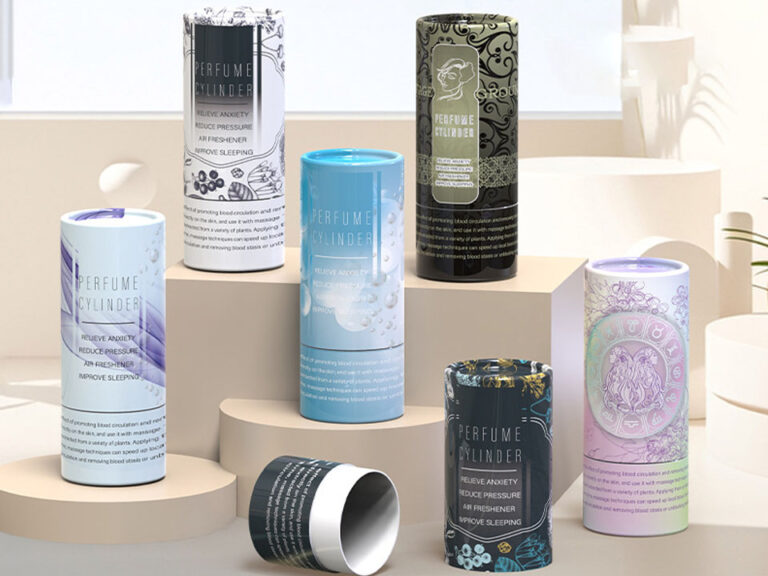
For brands developing premium tea collections, manufacturers can customize paper tubes with different diameters, heights, closures, liners, and decorative finishes.
What Makes Paper Tube Packaging Suitable for Herbal Tea?
Herbal tea is sensitive to environmental conditions. Excess moisture can reduce freshness, while oxygen exposure may affect aroma compounds.
A suitable tea tube normally combines several components:
Outer Paper Structure
The outer tube provides:
compression strength
retail appearance
printing surface
shipping protection
Common options include:
kraft paper
coated paper wraps
specialty textured papers
Inner Barrier Layer
The inside structure is often more important than the exterior appearance.
Possible options include:
Liner Type
Suitable Application
Main Benefit
Aluminum foil liner
Premium herbal tea, loose leaf tea
Strong moisture and light barrier
Food-grade PE liner
General dry tea products
Moisture protection
Kraft paper liner
Natural positioning
Sustainable appearance
Composite barrier liner
Longer shelf-life products
Higher protection
The correct liner depends on the tea formulation, expected shelf life, and distribution environment.
How to Choose the Right Tea Tube Closure
The closure system directly affects freshness and user experience.
Airtight Tinplate Lid
An airtight tinplate lid provides:
premium appearance
reusable positioning
improved sealing performance
This option is suitable for luxury tea collections and gift products.
Paper lids support sustainability-focused branding but may require additional inner sealing depending on product requirements.
Sustainable Tea Packaging: What Buyers Should Evaluate
Sustainability is now a purchasing factor, but packaging buyers should evaluate more than the material itself.
Important considerations include:
Material Source
Ask suppliers:
Is FSC-certified paper available?
Are inks and coatings suitable for the intended market?
Can documentation be provided?
CPTB highlights FSC paper availability as part of its tea packaging customization options. ([Custom Paper Tube Boxes][4])
Product Protection
A package that fails to protect tea may increase waste through:
rejected inventory
damaged shipments
shortened shelf life
Supply Chain Efficiency
Consider:
shipping volume
storage requirements
packaging weight
damage rates
The lowest material usage does not always create the lowest environmental impact.
Customization Options for Herbal Tea Brands
Premium tea brands usually customize four areas:
Printing
Available options may include:
CMYK printing
Pantone colors
full-wrap artwork
brand storytelling graphics
Surface Finishing
Common premium finishes include:
matte lamination
gloss lamination
embossing
foil stamping
spot UV
Structural Design
Brands can customize:
tube diameter
tube height
lid style
insert structure
opening method
Branding Applications
Paper tubes work well for:
luxury herbal tea
Chinese herbal blends
organic wellness brands
subscription tea boxes
corporate gift sets
A product example is medlar tea cardboard tube packaging, which demonstrates how herbal tea products can use cylindrical packaging for retail presentation.
Paper Tube Packaging vs Other Tea Packaging Formats
Packaging Type
Advantages
Limitations
Best For
Paper Tube
Premium appearance, customizable, strong branding
Higher cost than basic bags
Premium tea brands
Stand-up Pouch
Lightweight, economical
Less premium shelf presence
Mass retail
Metal Tin
Durable, reusable
Higher material cost
Luxury tea
Folding Carton
Low cost, easy printing
Requires inner protection
Secondary packaging
For premium herbal tea brands, paper tubes often provide a balance between sustainability, protection, and visual differentiation.
Supplier Evaluation Checklist for Tea Packaging Buyers
Before selecting a manufacturer, ask:
Material Questions
What liner options are available?
Are materials suitable for food-contact applications?
Can samples be provided?
Manufacturing Questions
What is the MOQ?
What is the production lead time?
How are color consistency and printing quality controlled?
Quality Questions
Are sealing tests performed?
How is dimensional accuracy controlled?
How are damaged products handled?
Commercial Questions
Can the supplier support repeat orders?
Can packaging be scaled internationally?
Can the supplier provide engineering recommendations?
A reliable supplier should help translate brand requirements into manufacturable specifications.
How to Reduce Risks When Ordering Custom Tea Tubes
Common mistakes include:
Choosing Appearance Before Function
A beautiful tube does not compensate for poor barrier performance.
Are paper tubes suitable for loose leaf herbal tea?
Yes. Paper tubes can be suitable for loose leaf herbal tea when combined with appropriate food-grade liners and closure systems. The correct structure depends on moisture sensitivity, shelf-life requirements, and distribution conditions.
Are paper tea tubes environmentally friendly?
Paper tea tubes can support sustainability goals when designed with responsible materials, efficient structures, and appropriate recycling considerations. Sustainability depends on the complete packaging system rather than only the outer paper layer.
Do herbal tea tubes need airtight seals?
Many herbal tea products benefit from airtight or high-barrier packaging because moisture and oxygen can affect freshness, aroma, and quality. The required protection depends on the tea formulation and expected shelf life.
What affects the cost of custom tea paper tubes?
Major cost factors include tube size, material thickness, liner type, closure style, printing method, finishing options, order quantity, and logistics requirements.
What information should tea brands provide before requesting a packaging quote?
Brands should provide tea type, filling weight, dimensions, expected market, artwork requirements, desired closure style, annual volume estimate, and required certifications or documentation.