Non vedete ancora la soluzione di imballaggio giusta? Parlate con il nostro capo.
Se avete consultato il nostro sito web o parlato con le vendite e non vedete ancora un percorso chiaro, inviate la vostra richiesta qui. Il vostro messaggio sarà inviato direttamente al nostro Direttore Generale per una revisione esecutiva della fattibilità, dei costi e dei tempi di realizzazione. Riceverete un chiaro passo successivo: cosa possiamo fare, cosa ci serve da voi e il percorso più veloce per ottenere un preventivo.
Revisione diretta da parte del GM delle vostre specifiche, del caso d'uso e dei vincoli
Controllo delle dimensioni e della struttura: diametro, altezza, resistenza delle pareti, inserti.
Raccomandazioni per la stampa e la finitura in base al marchio e al budget
Alternative di riduzione dei costi e opzioni di miglioramento dei tempi di consegna
Chiarezza sul percorso del preventivo: MOQ, piano di campionamento e cosa fare dopo
Parlare con il nostro capo
Richiedete offerta rapida per Imballaggi in tubo di carta personalizzati
Pensato per i responsabili degli imballaggi, degli approvvigionamenti e degli ingegneri dell'imballaggio. Specificate le dimensioni, la quantità e la finitura per ricevere indicazioni sul prezzo di vendita, sui tempi di consegna e sulle specifiche per i programmi USA/UE.
Personalizzazione pronta per il preventivo: diametro, altezza, spessore della parete, inserti, rivestimenti e chiusure
7 innovazioni delle scatole per cosmetici ricostruiscono l'ecosistema del packaging di bellezza
Indice dei contenuti
Il packaging di bellezza si è evoluto rapidamente negli ultimi anni. Un “bel tubetto” non è più sufficiente. I marchi ora chiedono migliore protezione, dichiarazioni di sostenibilità più pulite, maggiore impatto sugli scaffali e un più stretto controllo della catena di approvvigionamento-Tutti insieme.
Ecco perché le scatole per cosmetici (packaging in tubo di carta) si stanno evolvendo in un ecosistema completo: struttura + materiali + branding + dati + logistica.
A Scatole di carta-tubo personalizzate, costruiamo scatole di carta tubolari personalizzate per la vendita all'ingrosso, OEM/ODM e marchi privati. Gestiamo un moderno laboratorio di purificazione degli imballaggi alimentari e un magazzino 3D di 12.300 m², con una produzione media giornaliera superiore a 300.000 pezzi, per cui è possibile scalare una volta che il progetto funziona.
Di seguito una ripartizione pratica delle stesse “7 innovazioni” che ci avete chiesto, ma scritte nel modo in cui i buyer e i team di packaging parlano durante le telefonate: meno teoria e più scenari reali.
Ecco una rapida istantanea basata sui dati:
Parola chiave innovazione
Cosa cambia nella scatola dei tubi
Parametri di riferimento citati nell'articolo
Dove è più utile
Cosa specificare con il vostro fornitore
Meccanica strutturale
Struttura più robusta, migliore impilabilità
38kg/m² di compressione; 3,2× di resistenza; 72% di compressione del volume; +210% di efficienza dello scaffale; +65% di conversione dell'imballo
Spedizioni transfrontaliere, esposizioni al dettaglio
Spessore della parete del tubo, supporto interno, inserimento dell'inserto, test di impilamento
Materiali ecologici
Affermazioni più pulite, meno rischio di “greenwashing”
-69% di impronta (pasta FSC); 8 settimane di biodegradazione; +31% di disponibilità a pagare; -37% di rendimento
Marchi DTC, conformità della vendita al dettaglio
Opzioni FSC, qualità della carta, inchiostri, rivestimenti, note sulla riciclabilità
Tecnologia di comunicazione visiva
L'imballaggio diventa un punto di ingresso per il traffico
+58% conversione online (AR); 2,3× tempo di permanenza (NFC); +19% traffico organico
Lanci di influencer, flussi da QR a PDP
Area QR/AR, posizionamento NFC, contrasto di stampa, finitura antigraffio
Ecosistema modulare
Un tubo, molti SKU
+280% AOV; +76% fatturato; -68% SKU; +320% GMV
Kit, pacchetti, gocce stagionali
Inserti modulari, tubo esterno standardizzato, piano di kitting
Codice lotto, prova di manomissione, specifiche di impilamento, etichette pronte per la scansione
Potenziamento culturale
Lo storytelling spinge alla condivisione
+68% ripetizione; 17× UGC; esempio di sollevamento GMV
Edizioni limitate, regali
Opere d'arte in serie, finiture tattili, design da collezione
Personalizzazione guidata dai dati (C2M)
Iterazione più rapida, personalizzazione
Precisione del profilo 93%; 300 personalizzati/giorno; velocità di lancio 3×; +42% LTV
Nuovi marchi, mercati da testare
Esecuzioni a basso numero di pezzi, campionatura rapida, controllo della versione
Innovazione 1: rivoluzione della meccanica strutturale
I prodotti cosmetici non vengono spediti come mattoni. Vengono spediti come barattoli di vetro, contagocce fragili e flaconi a pompa che odiano le vibrazioni. Una scatola a tubo vince quando protegge il prodotto e sembra di qualità superiore.
Struttura esagonale a nido d'ape
L'idea del “nido d'ape” è importante perché attacca il vero punto dolente: schiacciamento dell'accatastamento + impatto dell'angolo. I numeri di riferimento che avete condiviso (38 kg/m², resistenza 3,2×, compressione del volume 72%) si traducono in risultati semplici: meno ammaccature, meno rimborsi, meno e-mail arrabbiate dei distributori.
Scenari pratici
Il commercio elettronico transfrontaliero in cui i pacchi vengono lanciati, impilati e scansionati centinaia di volte.
Il commercio al dettaglio, dove i planogrammi puniscono qualsiasi scatola che si inclina o crolla.
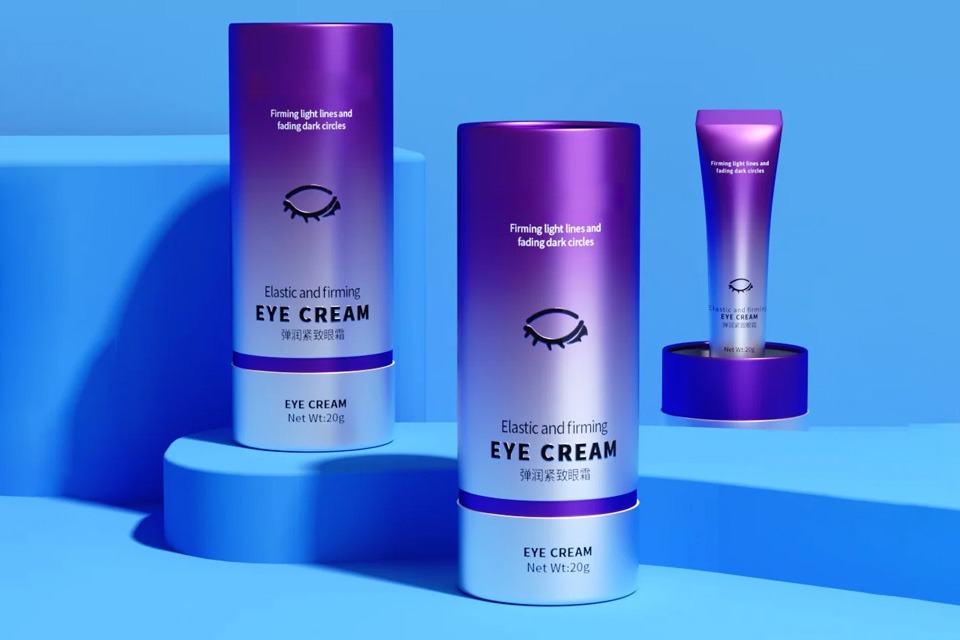
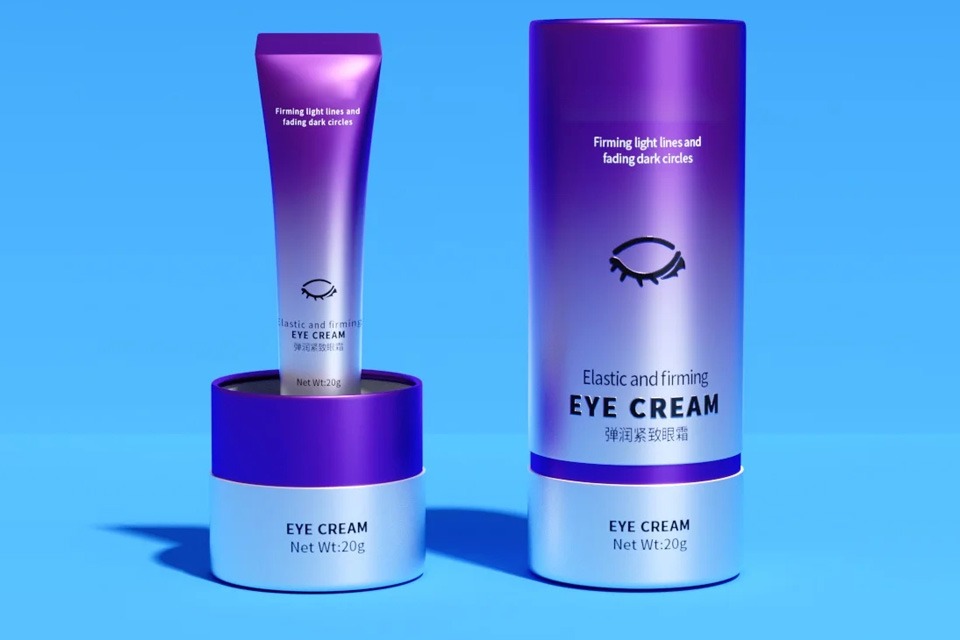
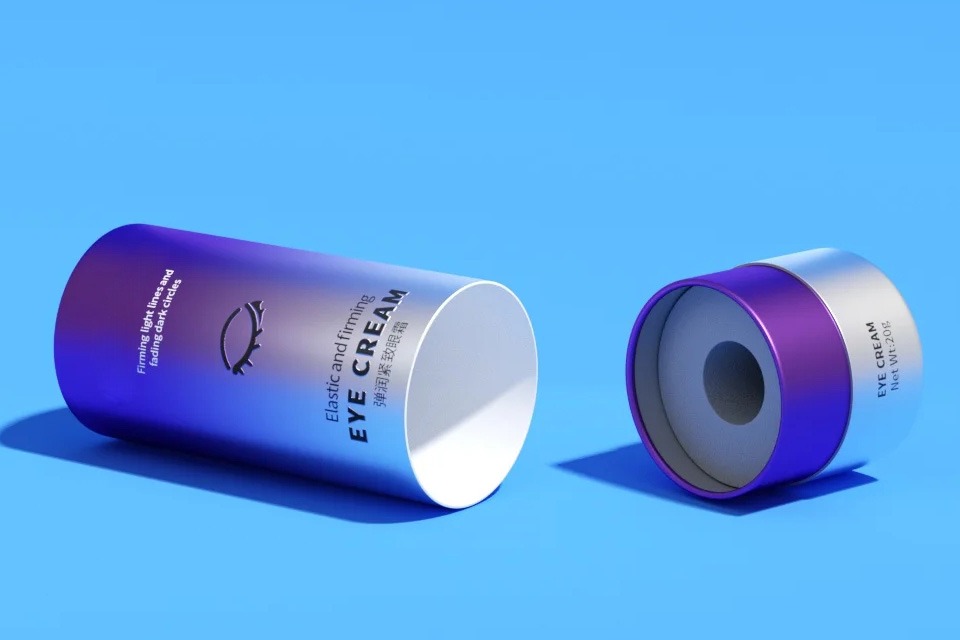
Se state costruendo una classica scatola di tubi cosmetici, partite da una base collaudata, come ad esempio tubi di cartone per cosmetici e aggiungere inserti che blocchino la confezione primaria. Una vestibilità aderente è sempre meglio di “più riempimento”.
Innovazione 2: evoluzione dei materiali ecologici
La sostenibilità non è più una vibrazione. È una lista di controllo. Gli acquirenti chiedono prove e le piattaforme chiedono chiarezza.
Carta FSC e scadenze biodegradabili
I parametri di riferimento forniti (riduzione dell'impronta di cellulosa FSC, biodegradazione in 8 settimane, calo del tasso di restituzione) indicano una lezione: I materiali non sono solo etici: i materiali riducono l'attrito nelle vendite.
Dove conviene
Onboarding dei rivenditori, in cui i team di conformità esaminano le dichiarazioni sugli imballaggi.
I marchi DTC che vogliono ridurre le lamentele dei clienti per la “troppa plastica”.”
Se dovete collegare la sostenibilità a una storia di produzione pulita, non nascondete le vostre capacità. Ditelo chiaramente: laboratorio di purificazione, grande magazzino, produzione stabile. Questo aiuta i grossisti e i proprietari dei marchi a fidarsi degli ordini ripetuti.
Per i marchi che vendono oltre la bellezza (il benessere si sovrappone molto), esempi come imballaggio in tubo di carta ecologico dimostrano come la “mentalità alimentare” possa aumentare la fiducia anche nel packaging cosmetico.
Innovazione 3: Tecnologia di comunicazione visiva
La vostra scatola di tubi è già in mano al cliente. Non avete bisogno di spese pubblicitarie supplementari per iniziare una conversazione. Avete solo bisogno del giusto layout di stampa.
Imballaggi AR e NFC
I benchmark dell'articolo (+58% di conversione da scansioni AR, 2,3× di tempo di permanenza con NFC) hanno senso nella vita reale perché risolvono un problema: ritardo nell'istruzione. La cura della pelle ha bisogno di spiegazioni: come usarla, cosa aspettarsi, come conservarla.
Scenari pratici
QR a video “come si usa” per ridurre l'uso improprio e le recensioni negative.
QR alla storia degli ingredienti per creare fiducia senza affollare l'etichetta.
NFC per l'anticontraffazione e la verifica dei lotti.
Se il vostro team di progettazione vuole una “finestra” per mostrare il prodotto e mantenere comunque una struttura premium, prendete spunto da questo stile: confezione in tubo di carta con finestra trasparente. La stessa idea funziona per i set di labbra, le miniature e le routine da regalare.
Innovazione 4: ecosistema modulare
La dispersione delle SKU uccide i team operativi. Le scatole singole sembrano belle finché il magazzino non diventa un caos.
Inserti modulari e kitting
I benchmark che hai elencato (-68% SKUs, +320% GMV) riflettono un semplice gioco: mantenere il tubo esterno coerente, quindi scambiare inserti, maniche o etichette.
Scenari pratici
Starter kit + ricariche
“Pacchetti ”Pick 3
Calo delle maniche stagionali senza riprogettare tutto
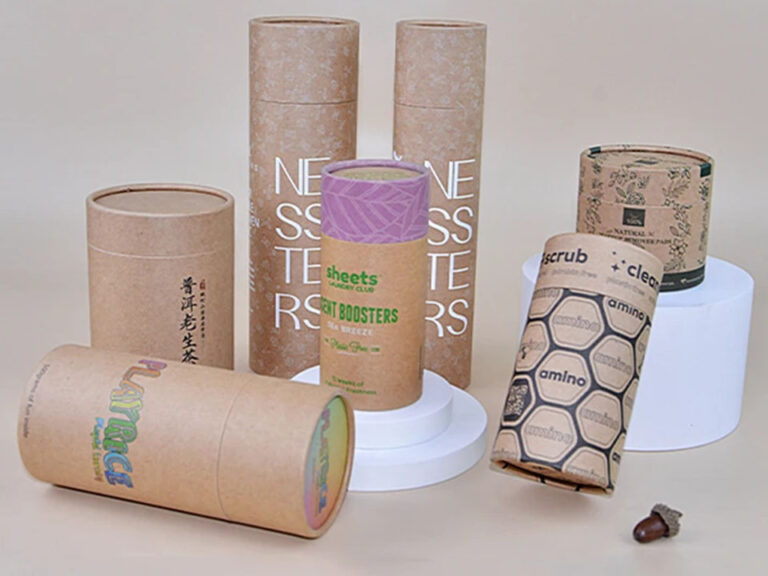
È possibile inviare gli acquirenti a un ampio catalogo per ridurre il tira e molla: prodotti per scatole in tubo di carta. Li aiuta ad autoselezionare forme e finiture prima di chiedere un preventivo.
Innovazione 5: Logistica intelligente
La maggior parte dei problemi di imballaggio si manifesta dopo la fabbrica, durante l'evasione. Se vendete sui marketplace, probabilmente lo avete visto: cartoni schiacciati, stampe rovinate, confezioni primarie rotte, chargeback e reclami “non conformi alla descrizione”.
Codice di tracciabilità e riduzione dei danni
I benchmark che avete condiviso (riduzione della rottura da 3,5% a 0,2%, riduzione delle perdite, migliore efficienza di carico) indicano la stessa idea di fondo: l'imballaggio diventa parte integrante dell'azienda. OTIF storia.
Scenari pratici
Spedizioni di distributori che necessitano di custodie esterne pronte per la scansione.
Amazon/FBA, dove l'imballaggio deve resistere a una manipolazione violenta.
Retail dove le prove di manomissione creano fiducia.
Per le categorie regolamentate o a rischio più elevato che condividono pressioni logistiche simili (resistenza alle manomissioni, conformità, sicurezza dei bambini), si possono considerare strutture come Imballaggio in tubo di carta riciclabile resistente ai bambini. È possibile adattare la meccanica alla cura della pelle senza copiare l'atmosfera della categoria.
Innovazione 6: Potenziamento culturale
La bellezza vende emozioni. Il packaging trasmette questa emozione prima che il prodotto tocchi la pelle.
Edizioni limitate e design da collezione
I parametri di riferimento “acquisto ripetuto +68%” e “UGC ×17” dell'articolo corrispondono a ciò che i marchi vedono ogni stagione natalizia: se la scatola sembra da collezione, i clienti la conservano, la mostrano e ne parlano.
Scenari pratici
Gocce di Capodanno lunare
Collaborazioni con artisti
“Storie di ingredienti ”Heritage
Un look minimalista e pulito funziona anche quando si ha bisogno di una base premium per molti mercati. Uno stile di riferimento è imballaggio in tubo di carta bianco opaco-La versione cosmetica segue la stessa logica: stampa nitida, texture controllata, chiusura forte.
Innovazione 7: Personalizzazione guidata dai dati (C2M)
La velocità vince. Soprattutto per i nuovi marchi e per i venditori transfrontalieri che testano la domanda.
Personalizzazione, campionamento rapido, controllo delle versioni
I parametri di riferimento che avete fornito (300 progetti personalizzati al giorno, velocità di lancio 3×, +42% LTV per i partecipanti personalizzati) sono importanti perché riducono un ciclo doloroso: i ritardi infiniti nella riprogettazione.
Scenari pratici
Lanciate in piccoli lotti, poi scalate il vincitore.
Localizzare le opere d'arte per le diverse regioni senza ricostruire la struttura.
Eseguire drop di influencer con manicotti unici.
È qui che l'OEM/ODM e l'acquisto all'ingrosso sono importanti. Quando il progetto si blocca, si vuole un fornitore in grado di mantenere le specifiche, di mantenere stabile il colore e di aumentare la produzione senza problemi.
Se il vostro marchio spazia dalla bellezza allo stile di vita (set regalo, accessori per profumi o anche regali in stile tè), strutture di prodotto come scatole per tubi in carta kraft con coperchio in banda stagnata possono ispirare sistemi di chiusura premium e valore di riutilizzo.
Se volete trasformare queste 7 innovazioni in una scheda tecnica pronta per l'acquisto, mantenetela semplice:
Bloccare prima la struttura (vestibilità + resistenza).
Quindi bloccare i materiali (qualità della carta + finitura).
Quindi bloccare la narrazione (stampa + tattile).
Infine, aggiungete funzioni “intelligenti” (QR/NFC, tracciabilità) dove sono davvero utili.