Non vedete ancora la soluzione di imballaggio giusta? Parlate con il nostro capo.
Se avete consultato il nostro sito web o parlato con le vendite e non vedete ancora un percorso chiaro, inviate la vostra richiesta qui. Il vostro messaggio sarà inviato direttamente al nostro Direttore Generale per una revisione esecutiva della fattibilità, dei costi e dei tempi di realizzazione. Riceverete un chiaro passo successivo: cosa possiamo fare, cosa ci serve da voi e il percorso più veloce per ottenere un preventivo.
Richiedete offerta rapida per Imballaggi in tubo di carta personalizzati
Pensato per i responsabili degli imballaggi, degli approvvigionamenti e degli ingegneri dell'imballaggio. Specificate le dimensioni, la quantità e la finitura per ricevere indicazioni sul prezzo di vendita, sui tempi di consegna e sulle specifiche per i programmi USA/UE.
Personalizzazione pronta per il preventivo: diametro, altezza, spessore della parete, inserti, rivestimenti e chiusure
Confezioni in tubo di carta riciclabile per candele: una guida per i marchi di candele
Le confezioni in carta riciclabile a forma di tubetto per candele possono offrire ai marchi di candele un formato rigido e pronto per essere regalato, con un’ampia superficie stampabile, ma la parola carta non rende automaticamente riciclabile una confezione finita. L’anima, l’involucro esterno, il coperchio, la base, l’inserto, i rivestimenti, i laminati, le finestre, gli adesivi e gli elementi decorativi influenzano tutti ciò che accade dopo lo smaltimento.
Per i team addetti agli acquisti e al confezionamento, la domanda concreta non è quindi semplicemente: “Possiamo usare un tubo di carta?”, bensì: È possibile realizzare un tubetto che protegga la candela, valorizzi il marchio, soddisfi i requisiti di riciclaggio del mercato di riferimento e possa essere prodotto in serie a un costo finale accettabile?
Ciò richiede di considerare la sostenibilità, la progettazione strutturale, la decorazione, la logistica e l'approvvigionamento come un unico sistema di imballaggio.
Cosa rende riciclabile l'imballaggio in cartoncino per candele?
Un tipico tubetto di carta per candele è costituito da un corpo in cartoncino avvolto, con coperchio e base separati. Il tubetto può poi essere rivestito con un involucro di carta stampata, carta speciale, decorazioni in lamina, vernice, laminazione, un inserto o altri componenti.
Il pacchetto completo può essere inserito in un circuito di riciclaggio della carta già esistente?
Il marchio è in grado di dimostrare la veridicità dell'affermazione relativa al riciclaggio che intende riportare sulla confezione?
Queste domande sono correlate, ma non sono intercambiabili.
L’Agenzia per la protezione dell’ambiente degli Stati Uniti (EPA) riferisce che, secondo i dati più recenti relativi ai rifiuti solidi urbani a livello nazionale, gli imballaggi in carta e cartone hanno registrato un elevato tasso di riciclaggio complessivo; tuttavia, tale dato è fortemente influenzato dalle scatole in cartone ondulato. Ciò non significa che ogni tubo rigido di carta, tubo laminato o imballaggio in materiali misti venga accettato da tutti i programmi di riciclaggio.
Per un marchio di candele, la riciclabilità dovrebbe quindi essere valutata a livello di livello del pacchetto finito, non deducibile dalla presenza di cartoncino.
La carta è la materia prima, non la specifica di sostenibilità del prodotto finito
C’è un presupposto che merita una precisazione: la scelta della carta kraft o del cartone marrone dall’aspetto riciclato non garantisce di per sé un imballaggio più riciclabile.
Un tubo di colore kraft può comunque contenere pellicole polimeriche, componenti metallici, schiuma, finestre in plastica o elementi difficili da separare. Al contrario, un tubo di carta stampato bianco o nero può avere una struttura a base di fibre relativamente semplice.
Le specifiche sono più importanti del linguaggio visivo.
Ai fini dell'approvvigionamento, chiedere al fornitore di indicare:
struttura in cartone/anima;
materiale di rivestimento esterno;
contenuto di fibre riciclate, ove dichiarato;
struttura del coperchio e della base;
inserire il materiale;
rivestimenti o laminati;
componenti metallici o in plastica;
materiale della finestra, se presente;
se i componenti siano destinati a essere separati prima dello smaltimento.
Queste informazioni forniscono al vostro team addetto alla sostenibilità o alla conformità un elemento concreto su cui basare la propria valutazione.
Anche il contenuto riciclato e la riciclabilità sono indicazioni diverse
Una confezione può contenere fibre riciclate ma presentare comunque caratteristiche che ne complicano il riciclaggio. Allo stesso modo, una confezione realizzata con fibre riciclabili non contiene necessariamente un'alta percentuale di materiale riciclato.
Mantenere distinti questi attributi nelle specifiche tecniche, nella documentazione dei fornitori, nelle dichiarazioni relative alla grafica e nella rendicontazione sulla sostenibilità.
Quali componenti del tubo per candele meritano maggiore attenzione?
Un progetto riciclabile risulta solitamente più facile da valutare quando vengono eliminate le combinazioni di materiali superflui.
Decisione relativa all'imballaggio
Un orientamento più semplice verso il riciclaggio
Possibile complicanza
Cosa chiedere nella richiesta di preventivo
Corpo del tubo
Struttura in cartoncino a prevalenza di fibre
Strati strutturali in materiali misti
In che percentuale, in peso, è composto il corpo?
Coperchio e base
Componenti in cartoncino/carta, ove le prestazioni lo consentano
Componenti permanenti in plastica o metallo
Le estremità sono in carta o separabili?
Inserire
Dispositivo di contenimento in cartoncino o fibra modellata, ove opportuno
Inserti in schiuma o in materiali misti
È possibile fissare il barattolo con un inserto in fibra?
Protezione delle superfici
Rivestimento minimo compatibile
Laminazione con pellicola pesante
Quale rivestimento o laminato viene applicato?
Decorazione
Stampa, goffratura in rilievo, goffratura in incavo, laminatura in edizione limitata
Pellicole metalliche/plastiche di grandi dimensioni
Quanta decorazione non cartacea viene aggiunta?
Finestra
Nessuna finestra dove non è necessaria
Finestrino in plastica trasparente incollato
Una finestra è necessaria dal punto di vista commerciale?
Struttura
Tubo delle giuste dimensioni attorno al vaso
Tubo sovradimensionato e ammortizzazione eccessiva
Qual è lo spazio libero necessario attorno al barattolo?
Ciò non significa che ogni componente non cartaceo debba essere automaticamente vietato. La progettazione corretta dipende dalla protezione, dall’aspetto, dalla produzione, dalle infrastrutture locali di riciclaggio e dai mercati in cui la candela verrà venduta.
L'obiettivo è quello di evitare di aggiungere complessità al materiale senza che ciò comporti una funzione misurabile.
In che modo un tubo di carta dovrebbe proteggere un barattolo di vetro per candele?
Per i contenitori in vetro per candele, spesso l'adattamento è più importante del semplice aumento dello spessore della parete del tubo.
Un tubo di grosso spessore con un gioco interno eccessivo può comunque consentire al barattolo di muoversi, urtare contro la parete laterale o subire un impatto concentrato. Un imballaggio correttamente dimensionato, dotato di un adeguato sistema di contenimento superiore, inferiore o radiale, può garantire prestazioni migliori senza dover semplicemente aggiungere altro cartone.
Parti dal prodotto vero e proprio piuttosto che da una dimensione generica della confezione.
Il fornitore dovrebbe ricevere:
diametro massimo del serbatoio;
altezza dell'imbarcazione;
diametro e profilo del coperchio della candela;
peso totale della candela imballata;
eventuali variazioni dimensionali tra i lotti di produzione;
gioco superiore e inferiore desiderato;
se è necessario un inserto;
se il tubetto è destinato esclusivamente alla presentazione nei punti vendita o fa parte anche di un imballaggio per l'e-commerce.
A tubo rigido nero per candele con stampa personalizzata del logo, ad esempio, può essere personalizzata in base alle dimensioni e ai requisiti estetici di un barattolo di alta qualità, anziché dover inserire la candela in un contenitore cilindrico standard che non ha nulla a che vedere con il prodotto.
Non date per scontato che un pannello più spesso risolva ogni problema di protezione
Una maggiore quantità di materiale può aumentare la rigidità, il peso e il costo, ma spesso i problemi di protezione hanno origine altrove:
il barattolo è allentato all'interno del tubo;
il sistema di ritenuta di base è inadeguato;
il coperchio della candela entra in contatto con il coperchio del tubo;
l'inserto si comprime in modo non uniforme;
Il pacco di presentazione viene utilizzato come se fosse un cartone da spedizione.
Questi problemi richiedono cambiamenti strutturali, non semplicemente un muro più spesso.
Il tubetto di presentazione non costituisce automaticamente l'imballaggio di spedizione
Questa distinzione è particolarmente importante per i marchi di candele che vendono direttamente al consumatore.
Le discussioni all’interno della comunità dei produttori di candele vertono ripetutamente sul controllo dei movimenti all’interno dei contenitori di vetro, sull’imbottitura dei prodotti all’interno di un cartone esterno e, in alcuni casi, sull’utilizzo di un approccio “scatola nella scatola”. Un produttore di candele ha segnalato la rottura dei prodotti nonostante un imballaggio protettivo molto accurato, mentre altri partecipanti hanno sottolineato l’importanza di impedire il movimento e di utilizzare un imballaggio esterno secondario. Si tratta di un’esperienza qualitativa piuttosto che di dati provenienti da test di laboratorio, ma la modalità di guasto è altamente rilevante: Le candele in vetro richiedono un imballaggio di distribuzione omologato, non solo una confezione accattivante per la vendita al dettaglio.
Un sistema di imballaggio pratico può comprendere:
Portacandela → supporto/inserto → tubo di cartone per la presentazione → scatola da spedizione → materiale di imbottitura per il trasporto secondo necessità.
Il tubo può garantire resistenza alla compressione, protezione della superficie, promozione del marchio e organizzazione. Lo spedizioniere deve gestire l'ambiente di distribuzione.
Per i programmi di più ampia portata, i marchi dovrebbero definire il protocollo di collaudo durante il trasporto richiesto insieme al responsabile della progettazione degli imballaggi o al team logistico, anziché dare per scontato che un tubetto dall’aspetto accattivante sia già pronto per la spedizione.
Quali materiali e finiture sono più adatti per i tubi riciclabili delle candele?
Non esiste un'unica specifica tecnica corretta valida per tutte le marche di candele.
Carta kraft
Il kraft conferisce un aspetto naturale ed è particolarmente indicato quando l’identità visiva richiede una trama fibrosa visibile o una stampa sobria. Inoltre, può ridurre la necessità di creare un’estetica “sostenibile” artificiale ricorrendo a decorazioni aggiuntive.
Tuttavia, L'aspetto del cartone Kraft non deve essere considerato una prova della riciclabilità. Controllare l'intera struttura.
Carta da stampa bianca o patinata
Una patina esterna liscia può garantire una riproduzione più prevedibile delle fotografie, delle sfumature, della tipografia di precisione e dei colori Pantone.
Ciò risulta utile per le collezioni di profumi in cui le diverse fragranze vengono distinte tramite sistemi cromatici o illustrazioni.
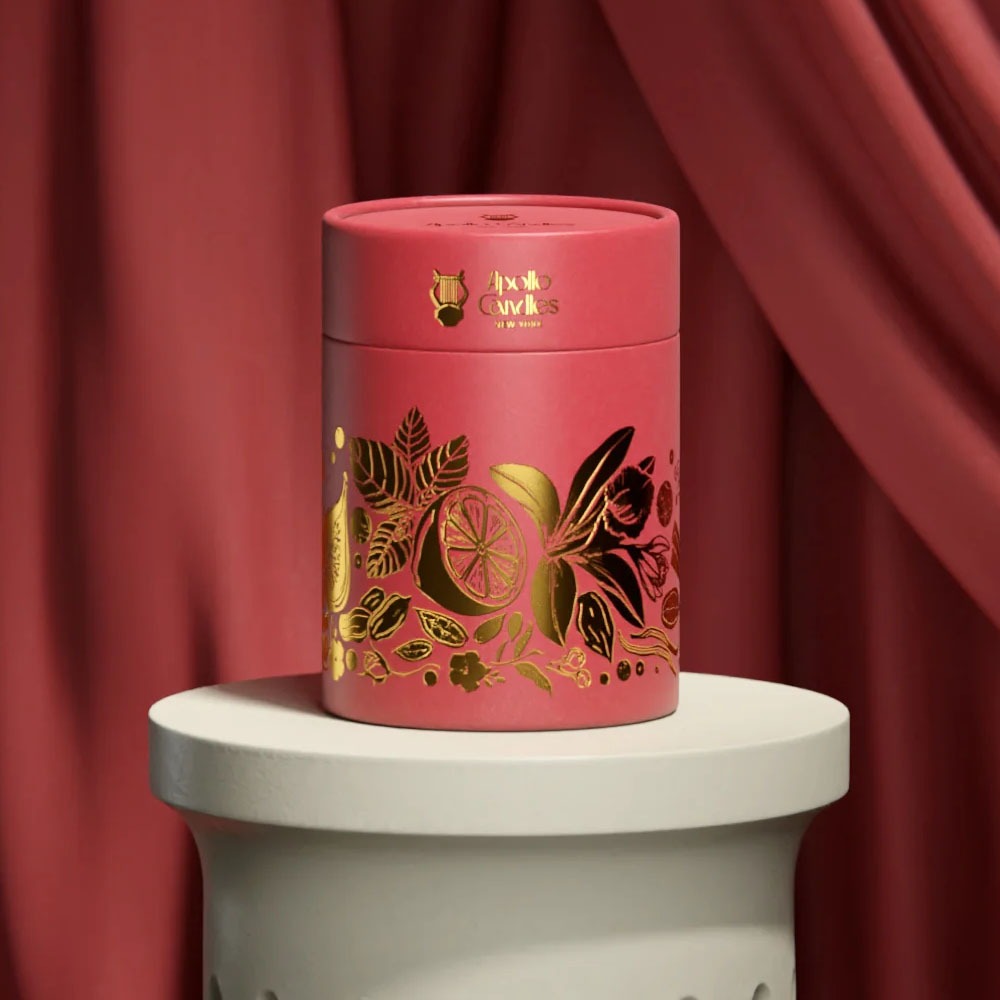
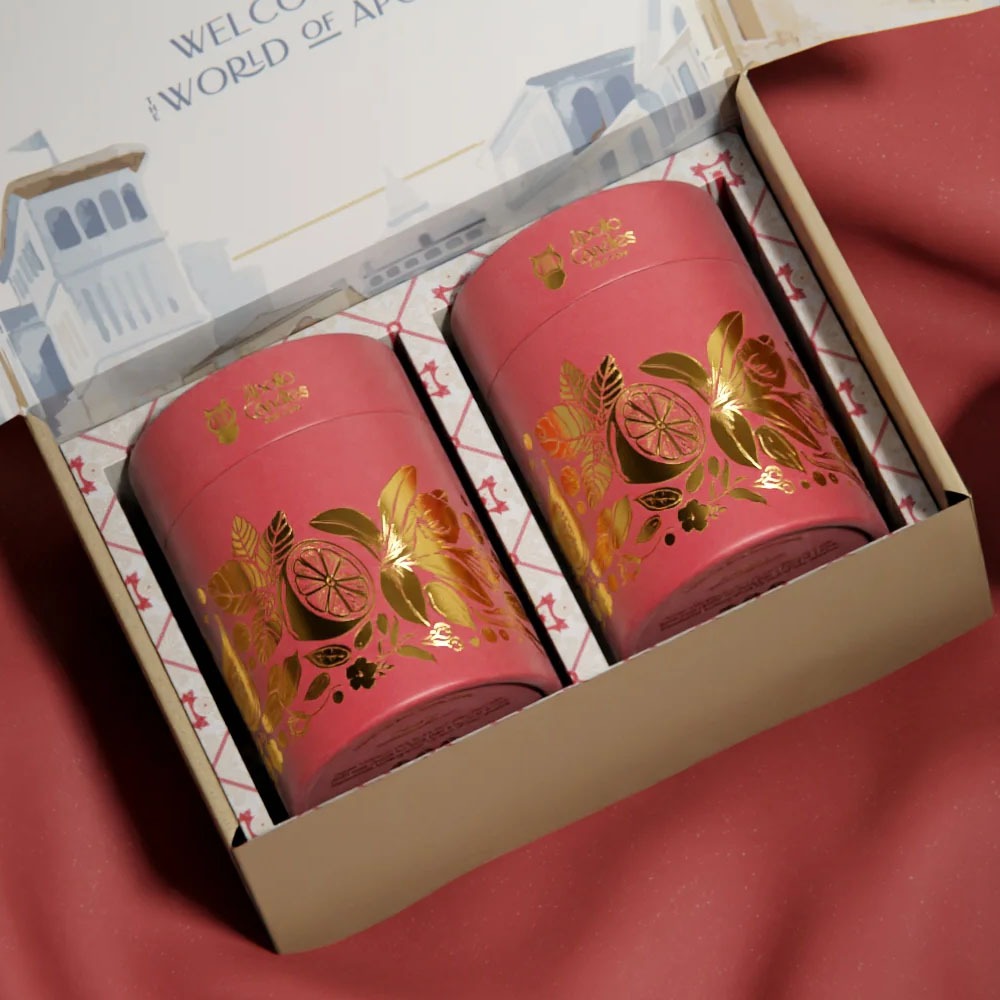
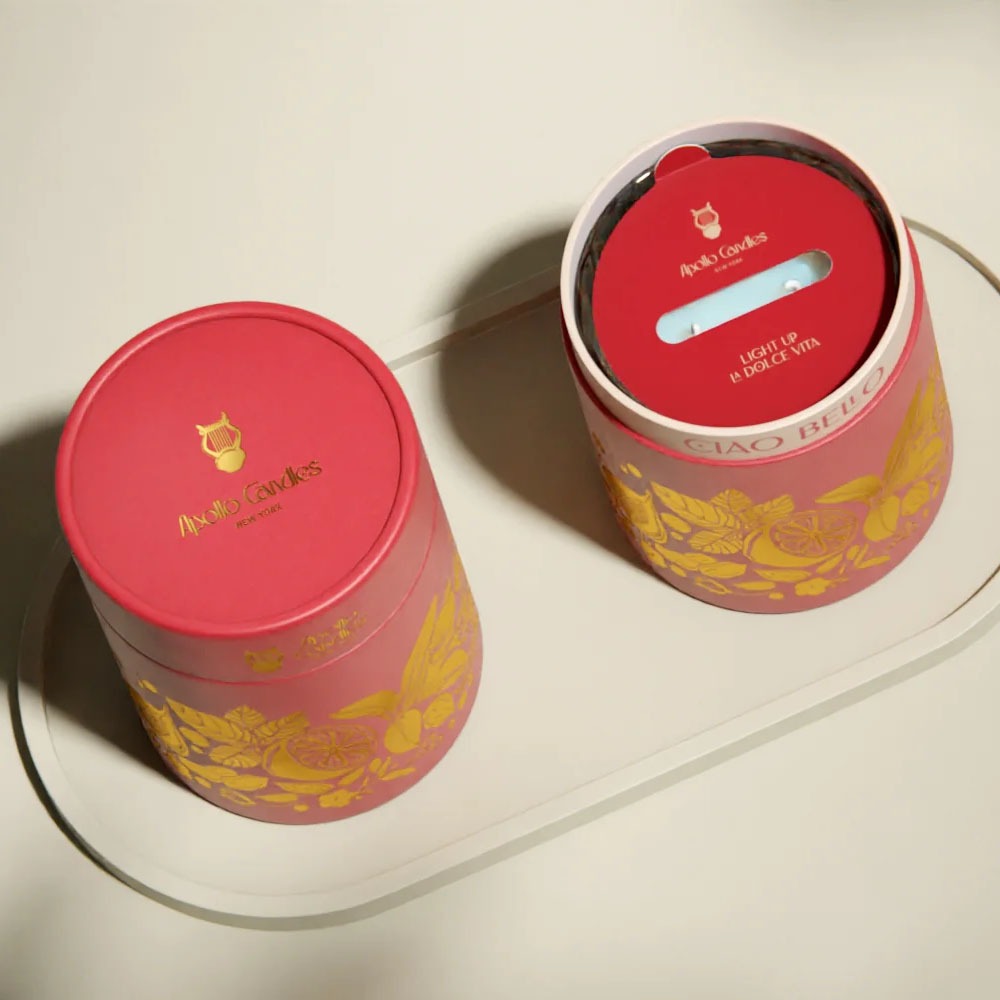
Ad esempio, confezione in tubo di carta rosa con stampa personalizzata dimostra come una superficie stampata a scopo decorativo possa creare un’identità commerciale fortemente distintiva, pur mantenendo una struttura cilindrica rigida.
Carta nera e carte speciali
Le carte speciali scure sono comunemente utilizzate per le candele di lusso perché consentono di creare un forte contrasto con la laminatura, la goffratura, l'incisione o la stampa discreta del logo.
La questione fondamentale non è se le decorazioni di lusso siano vietate, bensì se ogni finitura aggiuntiva apporti un valore commerciale sufficiente a giustificarne il costo, la complessità di produzione e l’impatto sul percorso di recupero previsto.
Quanta finitura è effettivamente necessaria?
Le confezioni delle candele di alta gamma sono spesso eccessivamente elaborate.
Un acquirente potrebbe richiedere una laminazione opaca, una pellicola soft-touch, la stampa a caldo, la goffratura, la verniciatura UV spot, la stampa interna, un inserto speciale e diversi componenti personalizzati, poiché ciascuna di queste caratteristiche, presa singolarmente, conferisce un tocco di classe al prodotto.
Il risultato complessivo può rivelarsi costoso e difficile da riprodurre in modo coerente.
Un approccio più rigoroso consiste nell'identificare il uno o due elementi visivi che trasmettono gran parte del valore del marchio.
Ad esempio:
carta ruvida + goffratura a secco;
carta nera + un colore metallizzato;
stampa a colori + superficie ruvida al tatto non patinata;
Esterno semplice + interno con stampa a contrasto.
Ciò può ridurre la complessità della configurazione e facilitare il controllo qualità relativo al colore, alla registrazione e alla finitura.
Quando la riciclabilità è una priorità, chiedete specificatamente al trasformatore in che modo il rivestimento, la laminazione, la copertura in lamina, l’adesivo e la carta speciale scelti influiscano sulla dichiarazione di riciclabilità proposta.
Tubo di carta o scatola pieghevole: quale è la soluzione migliore per una candela?
I tubi di carta non sono necessariamente la soluzione giusta per ogni linea di candele.
A scatola di carta per candele con stampa personalizzata I prodotti realizzati con cartoncino pieghevole possono essere spediti smontati prima dell'imballaggio, il che consente di ridurre il volume di stoccaggio degli imballaggi e i costi di trasporto in entrata rispetto a un tubo rigido preformato.
I tubi di carta, dal canto loro, offrono altri vantaggi:
Requisiti
Tubo di carta
Scatola pieghevole in cartoncino
Presentazione rigida di alta qualità
Forte
Da moderata a forte, a seconda della tavola/struttura
Si adatta perfettamente ai barattoli rotondi
Ottimo
Richiede una geometria interna rettangolare o un inserto
Area dedicata al branding a 360 gradi
Eccellente
Quattro pannelli principali
Viene spedito smontato prima del riempimento
Di solito no
Di solito sì
Volume in magazzino prima dell'imballaggio
Più alto
Più basso
Personalizzazione strutturale
Diametro, altezza, coperchio, spalla, inserto
Linea di taglio, alette, inserto, tipo di cartone
Percezione della confezione regalo
Alto
Dipende in gran parte dal modello e dalle finiture
Efficienza in termini di costi su larga scala
A seconda del progetto
A seconda del progetto
I marchi dovrebbero confrontarsi costo totale dell'imballaggio, non solo il prezzo unitario.
Un tubo rigido, che ha un costo unitario più elevato, potrebbe ridurre la necessità di una confezione regalo separata. Al contrario, una scatola pieghevole potrebbe comportare minori costi di trasporto in entrata e di magazzino.
Da cosa dipende il costo degli imballaggi personalizzati a forma di tubo per candele?
Le differenze nei preventivi derivano solitamente dalle specifiche tecniche piuttosto che dal margine applicato da un singolo fornitore.
Tra i principali fattori di costo figurano:
Diametro e altezza
I tubi più grandi richiedono una maggiore quantità di cartone e materiale di avvolgimento. I diametri non standard potrebbero inoltre richiedere configurazioni di produzione o attrezzature diverse, a seconda del produttore.
Costruzione delle pareti
La variazione dello spessore del pannello incide sul consumo di materiale, sui parametri di produzione, sul peso e sulle spese di trasporto.
Specificare i requisiti prestazionali anziché limitarsi a richiedere il tubo più spesso disponibile.
Quantità per modello
Un ordine di 10.000 pezzi suddiviso tra dieci creazioni profumate non si comporta necessariamente come un unico progetto da 10.000 pezzi.
Le impostazioni di stampa, le modifiche alla grafica, le lastre per la stampa a caldo, gli stampi per la goffratura e i cambi di produzione possono incidere sui costi.
Stampa e finitura
La stampa standard è generalmente più facile da scalare rispetto a una serie di processi specializzati. Le fustelle per la stampa a caldo, gli strumenti per la goffratura, le carte speciali, la stampa interna e le complesse operazioni di assemblaggio manuale possono aumentare il costo unitario e i costi di avviamento.
Inserti
Un collare in cartoncino, un inserto in fibra stampata, un inserto in schiuma o un sistema di fissaggio multicomponente incidono sia sul costo dell'imballaggio che sulla manodopera necessaria per l'assemblaggio.
Trasporto merci
I tubi rigidi occupano spazio anche quando sono vuoti. Quando si importano imballaggi, le dimensioni dei cartoni, il numero di unità per cartone di esportazione, la pallettizzazione, la modalità di spedizione e la destinazione possono incidere in modo significativo sul costo finale.
Un prezzo unitario franco fabbrica basso non rappresenta quindi necessariamente l'opzione di approvvigionamento più economica.
Un marchio di candele può semplicemente stampare la dicitura “100% Riciclabile” sul tubetto?
Non senza una giustificazione adeguata al mercato.
Negli Stati Uniti, le attuali “Green Guides” della Federal Trade Commission stabiliscono che un’affermazione relativa alla riciclabilità, se formulata senza riserve, debba essere qualificata qualora non siano disponibili adeguati impianti di riciclaggio per almeno il 60% dei consumatori o delle comunità in cui il prodotto viene venduto. La FTC sottolinea inoltre che le dichiarazioni ambientali devono essere veritiere e comprovate, piuttosto che basate su vaghe allusioni "ecologiche".
Per i team che si occupano di imballaggi, ciò significa che una dichiarazione del fornitore del tipo “la carta è riciclabile” non dovrebbe trasformarsi automaticamente in un’indicazione rivolta al consumatore del tipo “riciclabile 100%”.
Verifica:
la struttura esatta della confezione finita;
il mercato in cui apparirà l'annuncio;
il sistema di raccolta e riciclaggio applicabile;
se sia necessario rimuovere alcuni componenti;
quali misure di qualificazione o smaltimento siano appropriate.
Gli ingegneri del packaging e i team di marketing dovrebbero approvare congiuntamente le dichiarazioni ambientali.
Cosa devono sapere i marchi di candele dell’UE in merito al PPWR?
Per le aziende che immettono sul mercato dell'Unione Europea candele confezionate, la riciclabilità sta diventando anche un requisito normativo in materia di progettazione, piuttosto che una semplice questione di posizionamento del marchio.
Il regolamento dell'UE sugli imballaggi e sui rifiuti di imballaggio (PPWR) è entrato in vigore il 12 agosto 2026. La Commissione europea afferma che il regolamento introduce un quadro normativo armonizzato in materia di imballaggi e che, a partire dal 2030, entreranno in vigore i requisiti che impongono che tutti gli imballaggi siano riciclabili, insieme ad altre misure da attuare gradualmente.
Per i marchi di candele che stanno progettando confezioni destinate a rimanere sul mercato per diversi anni, ciò cambia le dinamiche relative all’approvvigionamento.
Un documento programmatico per il 2026 non dovrebbe concentrarsi esclusivamente su ciò che oggi è legalmente possibile vendere. I team addetti agli appalti dovrebbero inoltre valutare se la struttura sia in linea con i futuri requisiti di progettazione finalizzata al riciclaggio.
Ciò rende sempre più importanti le architetture dei materiali semplificate, la composizione documentata, la tracciabilità dei fornitori e le modifiche controllate alle specifiche.
Come dovrebbero valutare gli acquirenti un fornitore di tubi per candele?
Il fornitore più affidabile non è necessariamente quello che offre il quantitativo minimo d'ordine (MOQ) più basso o il tubo più spesso.
Valutate se il produttore sia in grado di tradurre le vostre indicazioni commerciali in specifiche di confezionamento controllate.
Capacità strutturale
Chiedete al fornitore se è in grado di consigliarvi il diametro interno, l’altezza del tubo, lo spessore della parete, la sovrapposizione del coperchio e gli inserti sulla base di un campione reale di candela o di un disegno quotato.
Trasparenza dei materiali
Richiedete le specifiche del materiale, anziché accontentarvi di definizioni generiche come “carta ecologica” o “cartone ecocompatibile”.”
Qualità del prototipo
Un campione fisico dovrebbe consentirvi di valutare:
inserimento e rimozione dei barattoli;
attrito del coperchio;
rotondità del tubo;
cuciture visibili;
graffi superficiali;
inserire la ritenzione;
posizionamento del colore e della lamina;
movimentazione dei prodotti imballati.
Controllo qualità della produzione
Precisare quali tolleranze saranno controllate nella produzione in serie e in che modo vengono classificati i difetti estetici.
Nel caso dei tubi di alta qualità, le variazioni di colore, l’adattamento del coperchio, l’allineamento della pellicola, i segni di colla, i danni ai bordi e i graffi superficiali possono assumere un’importanza commerciale maggiore rispetto alle piccole differenze nello spessore nominale del cartone.
Controllo delle modifiche
Se un fornitore modifica il tipo di carta, l’adesivo, la finitura, il materiale dell’inserto o la struttura dopo l’approvazione, anche le ipotesi relative alla sostenibilità e alle prestazioni potrebbero subire variazioni.
Le sostituzioni di materiali critici dovrebbero pertanto essere soggette all’approvazione dell’acquirente.
Cosa devono specificare gli acquirenti prima di richiedere un preventivo?
Un preventivo diventa molto più utile quando tutti i fornitori indicano il prezzo per le stesse specifiche.
Invia le seguenti informazioni:
Dati sul prodotto
diametro e altezza del portacandela;
dimensioni del coperchio della candela;
peso imballato;
materiale del serbatoio;
campione fisico o disegno tecnico, se possibile.
Requisiti relativi ai tubi
diametro interno nominale e altezza complessiva;
struttura preferita;
stile del coperchio/della base;
preferenza in materia di materiali;
inserire i requisiti;
obiettivo di riciclabilità.
Opere d’arte e decorazioni
numero di SKU;
colori di stampa;
Requisiti Pantone, ove applicabili;
laminatura, goffratura, incisione in rilievo, verniciatura o rivestimento;
stampa per interni;
dichiarazioni ambientali obbligatorie.
Informazioni commerciali
quantità per SKU;
domanda stimata annuale;
requisiti relativi ai campioni;
mercato di riferimento;
destinazione;
data di consegna richiesta;
metodo di spedizione;
requisiti di conformità o di documentazione.
Chiedete quindi al fornitore di individuare eventuali specifiche che potrebbero comportare un aumento significativo dei costi, dei tempi di consegna, della complessità del riciclaggio o dei rischi di produzione.
Quella conversazione è più utile che chiedere un prezzo generico per “un contenitore per candele ecologico”.”
Domande frequenti
I tubi di carta per candele sono riciclabili?
È possibile, ma la riciclabilità dipende dalla struttura complessiva del prodotto e dal sistema di riciclaggio locale. Il corpo in cartone, i rivestimenti, i coperchi, le basi, gli inserti, le finestre in plastica, le pellicole e gli altri componenti devono essere valutati nel loro insieme.
Le confezioni per candele in carta kraft sono più riciclabili rispetto a quelle in carta stampata?
Non necessariamente. Il termine “kraft” si riferisce alle caratteristiche del materiale o alla finitura estetica, non all’intero percorso di recupero. Un tubo di carta stampata con una struttura del materiale più semplice potrebbe essere più facile da valutare rispetto a un tubo kraft contenente componenti permanenti di materiali misti.
I tubi di carta possono proteggere i barattoli di vetro per candele durante la spedizione?
I tubi di carta possono fornire una protezione secondaria, ma non dovrebbero sostituire automaticamente un imballaggio in cartone progettato correttamente. L’adattamento del barattolo, gli inserti, il materiale di imbottitura, l’imballaggio esterno, il peso dell’imballaggio e le condizioni di distribuzione dovrebbero essere verificati nel loro insieme.
Quali sono le dimensioni richieste a un fornitore di tubi per candele?
Indicare il diametro massimo del contenitore della candela, l’altezza del contenitore, le dimensioni del coperchio, il peso lordo e gli spazi liberi richiesti. L’invio della candela vera e propria o di un disegno tecnico accurato riduce il rischio di un montaggio non corretto.
Qual è l'inserto più adatto per le confezioni di candele riciclabili?
Laddove le prestazioni lo consentano, l’uso di cartoncino o di materiale di rinforzo in fibra modellata può semplificare un concetto di imballaggio basato sulla fibra. La scelta dell’inserto corretto dipende comunque dal peso del contenitore, dalla sua fragilità, dallo spazio disponibile, dai requisiti di presentazione e dai test di trasporto.
La stampa a caldo e le finiture di alta qualità rendono un tubo di carta non riciclabile?
Non necessariamente, ma le finiture dovrebbero essere valutate nell’ambito della struttura complessiva dell’imballaggio. Chiedete al trasformatore in che modo la copertura con fogli metallici, i rivestimenti, i laminati, gli adesivi e i materiali speciali influenzano il percorso di riciclaggio previsto.
Cosa dovrebbero includere i marchi di candele in una richiesta di offerta per il packaging?
Includere le dimensioni del contenitore, il peso imballato, le dimensioni dei tubi, il materiale di costruzione, l’inserto, la stampa, le finiture, la quantità ordinata per SKU, il mercato di riferimento, le dichiarazioni ambientali, la destinazione, i tempi di consegna ed eventuali requisiti di collaudo o conformità.