Still Not Seeing The Right Packaging Solution? Talk to Our Boss.
If you’ve reviewed our website or spoken with sales and still don’t see a clear path, send your request here. Your message goes directly to our General Manager for an executive review of feasibility, cost, and lead time. You’ll get a clear next step—what we can do, what we need from you, and the fastest route to a quote.
Built for packaging managers, procurement, and packaging engineers. Specify size, quantity, and finish to receive moq, lead time, and spec guidance for us/eu programs.
Quote-ready customization: diameter, height, wall thickness, inserts, liners, and closures
Tea is picky. It loses aroma fast, hates moisture, and picks up weird smells like a sponge. Meanwhile, your customers judge quality in seconds. If the pack feels cheap, the tea feels cheap.
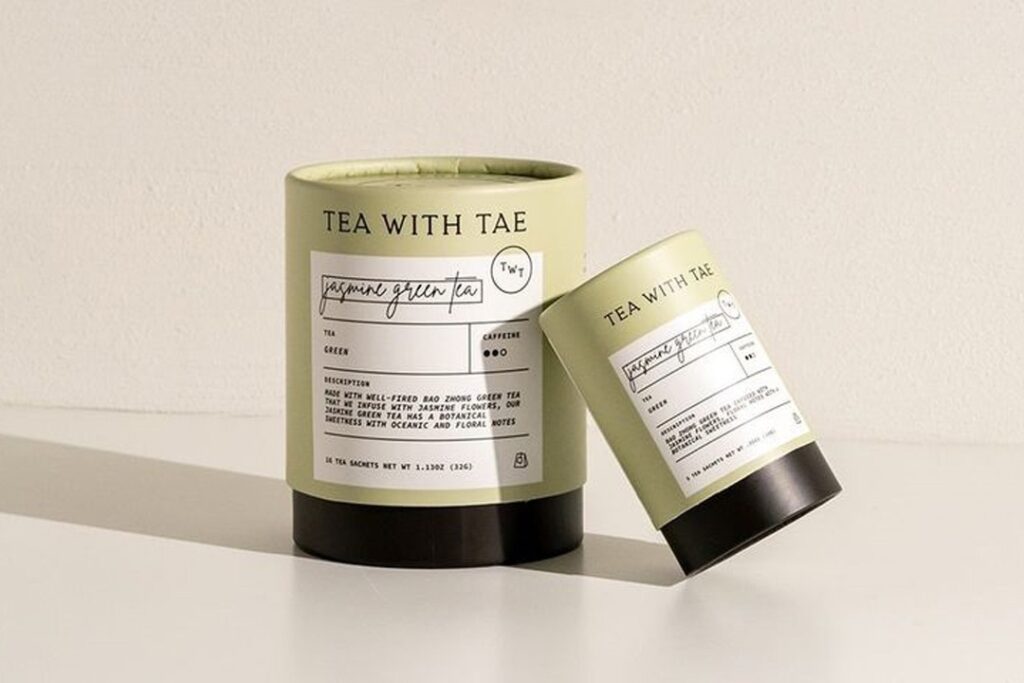
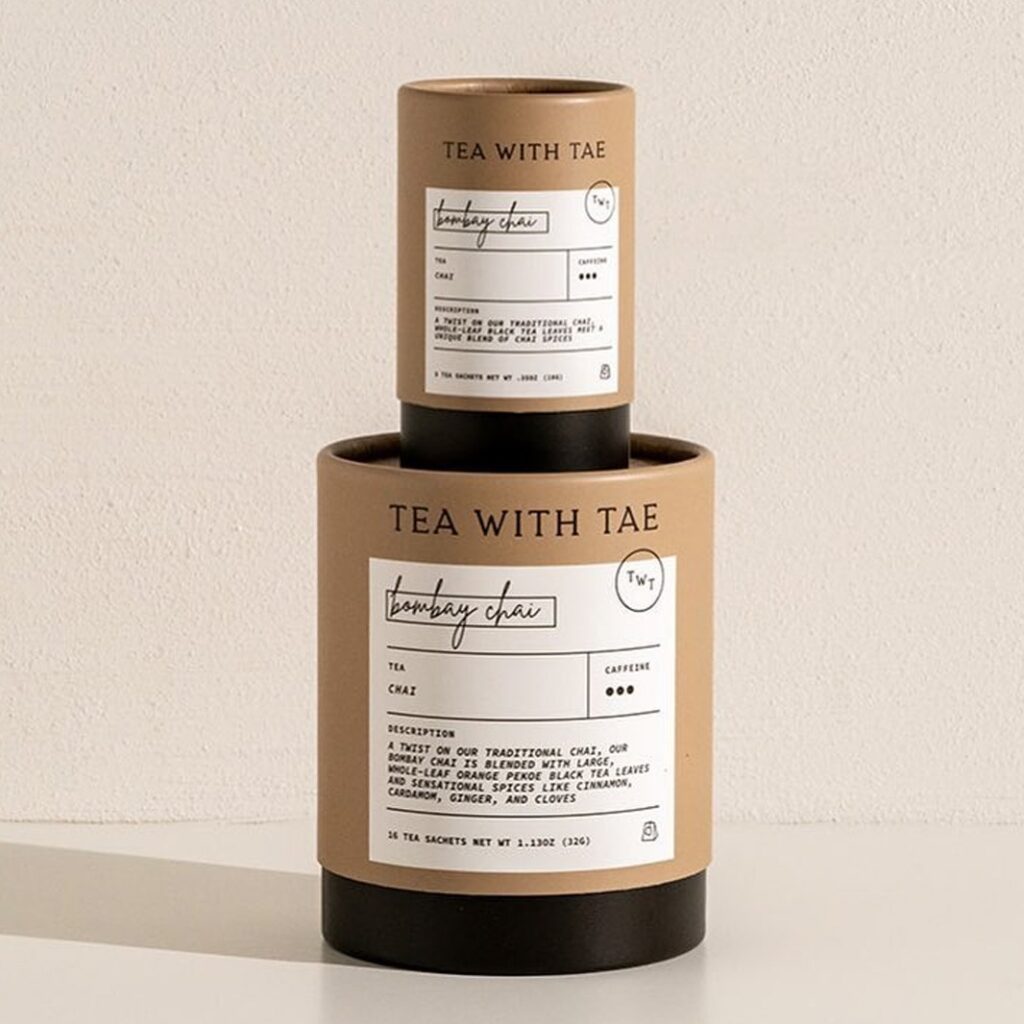
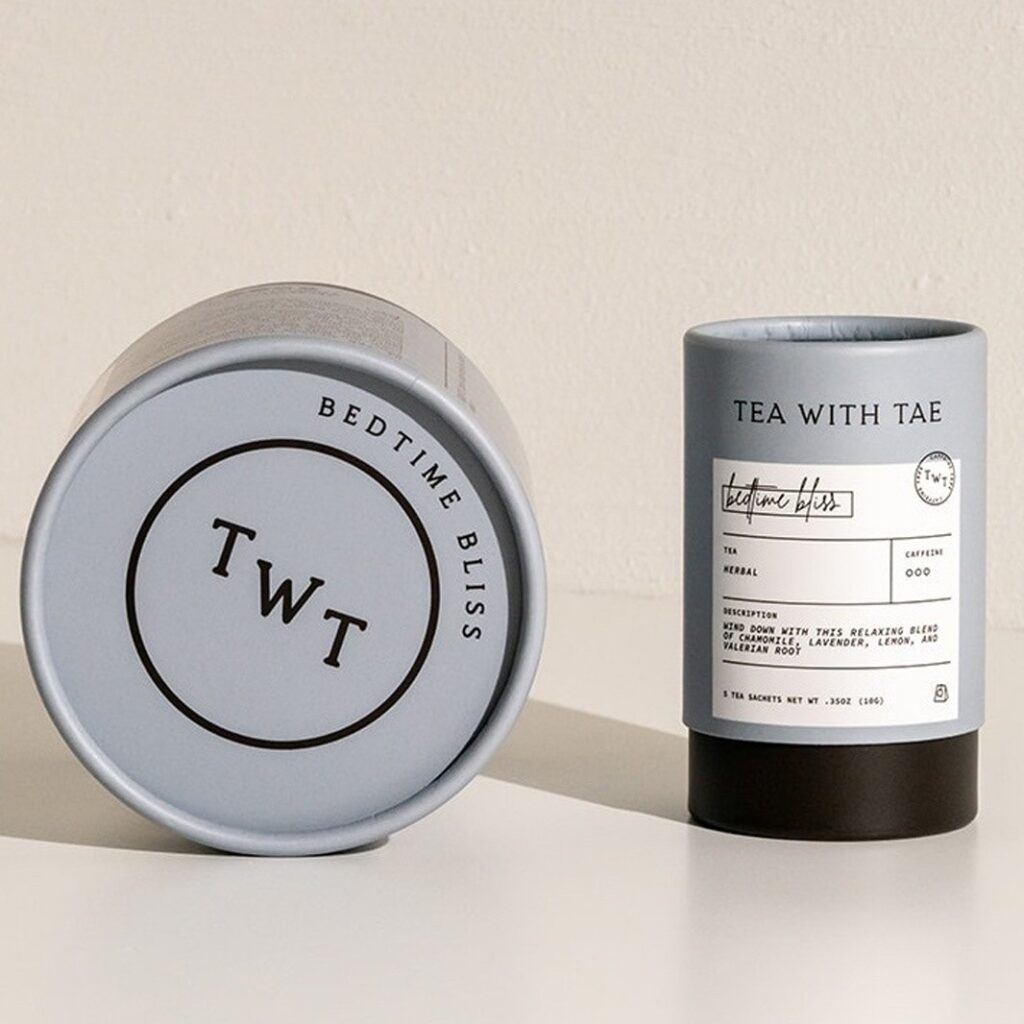
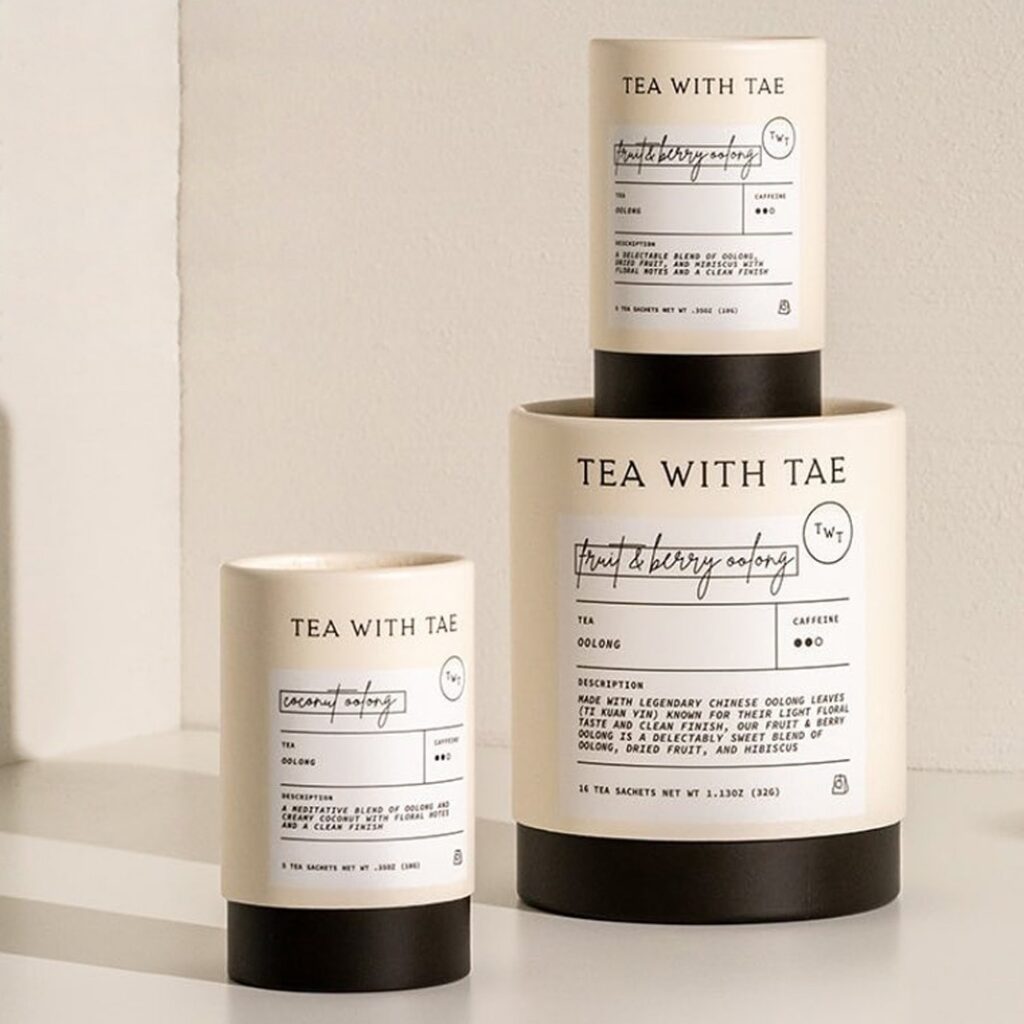
That’s why a custom tea tube box works so well. A rigid round pack protects the leaves, upgrades shelf presence, and gives you a clean canvas for branding and compliance info. If you’re sourcing bulk, doing OEM/ODM, or supplying retailers and e-commerce, it also makes operations smoother.
1) Solve the “freshness four”: oxygen, light, moisture, odor
Tea quality drops when air sneaks in, humidity creeps up, sunlight hits the product, or nearby odors contaminate it. You can’t “marketing-copy” your way out of stale tea.
What usually works in production:
Use a rigid outer tube to block light and reduce crushing.
Spec a tighter lid fit so the pack stays closed in transit and after opening.
Add an inner layer when you need stronger barrier performance.
2) Use rigid tube structure to reduce shipping damage
Soft bags crease. Folding cartons crush. A rigid cylinder holds shape, which helps protect whole-leaf tea and keeps the pack looking “new” when it arrives.
This matters most in:
Cross-border shipping (long transit, lots of handling)
Marketplace sales (returns and bad reviews hurt ranking)
Ops talk: reducing damage rate isn’t just “nice.” It cuts refunds, lowers re-ship volume, and keeps your store metrics healthy.
3) Use 360-degree branding for shelf impact
A round pack gives you a wraparound canvas. You can build stronger shelf recognition and make the product feel more “designed,” not just labeled.
Practical layout that sells:
Front: tea name + flavor notes + brand mark
Side: origin/story + tasting cues
Back: brewing guide + compliance info + barcode
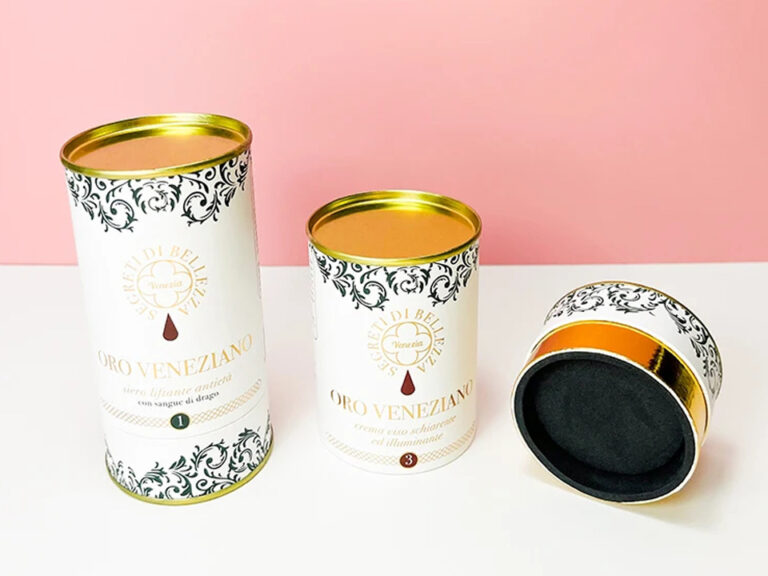
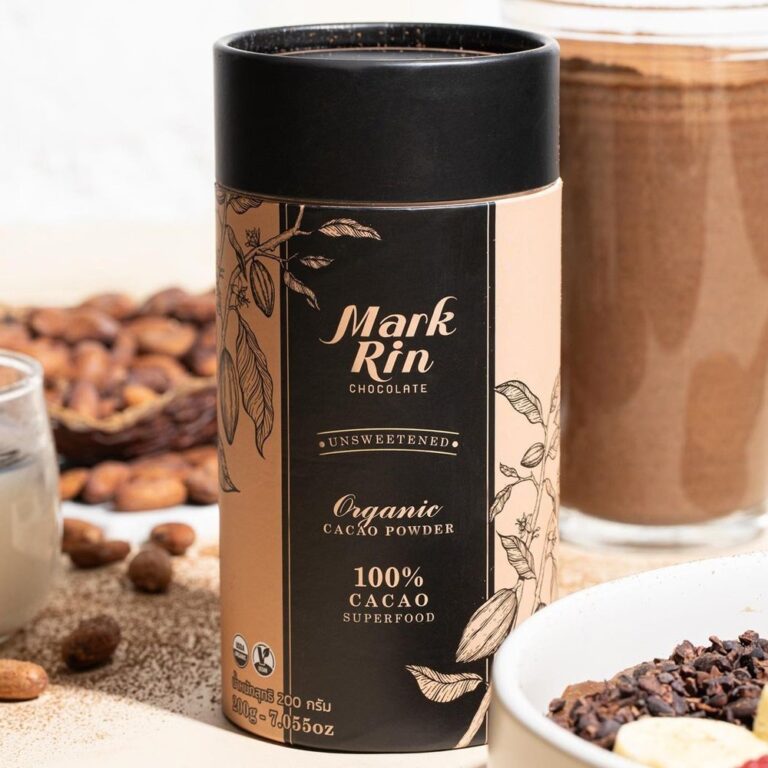
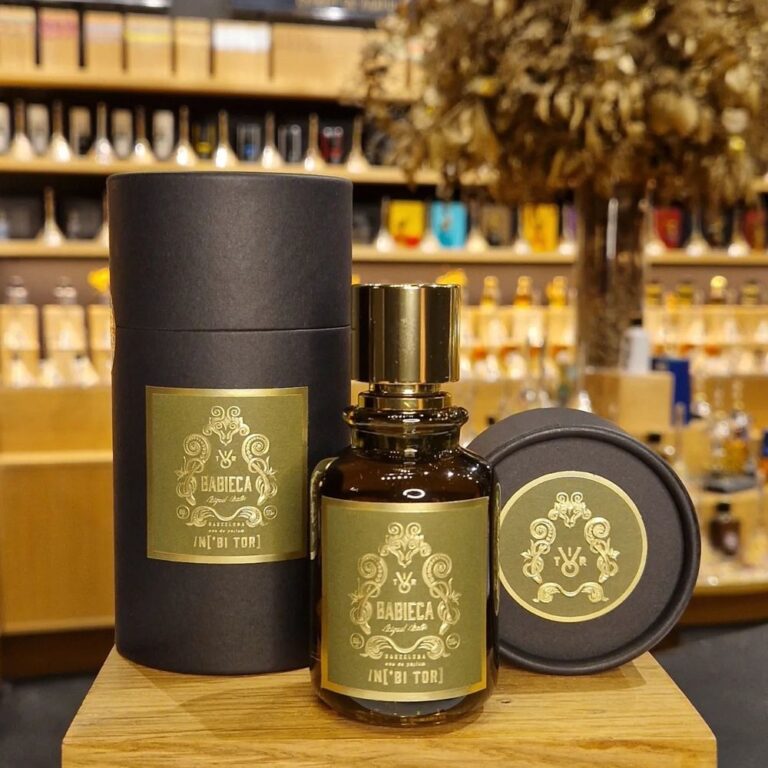
For full-wrap print inspiration, look at double-sides printed paper tube packaging. The product category is different, but the print logic transfers perfectly to tea.
4) Build gift packaging into the SKU plan
Tea is a classic gift category. A tube pack naturally feels “kept,” like something you’d display on a kitchen shelf instead of tossing.
Smart SKU strategy:
Keep a “daily drinker” pack simple for volume.
Add a gift-ready tube for holidays, bundles, and corporate orders.
Use the same tea inside. Let packaging do the premium lifting.
If you sell to retailers, distributors, or big brand teams, build a “spec sheet + QC list” workflow early. It shortens approval cycles and reduces back-and-forth.
6) Make sustainability claims verifiable
Sustainability wins attention, but only if you can explain it clearly. Keep your claims tight, specific, and easy to validate.
If you want an eco-leaning cylinder reference, see eco-friendly paper tube box. Again, different product, same sustainability positioning.
7) Lock size and closure early to avoid rework
Most sampling delays happen because teams start with artwork first. Then someone realizes the scoop doesn’t fit, the lid is loose, or the label area is too small.
A clean workflow:
Confirm tea format and fill volume
Set inner diameter and height (include headspace)
Choose lid type and fit tolerance
Finalize inserts (only if they add real value)
Then do artwork and finishing
This is how you keep your dieline stable and prevent “design redo” loops.
8) Control storage temperature with packaging + operations
Packaging supports quality. It doesn’t replace good storage. If your supply chain runs through hot warehouses or humid ports, your packaging spec must match reality.
What helps in real logistics:
Stronger barrier options for longer shelf life
Tighter closures for frequent open/close behavior
Clear “store cool and dry” messaging where customers can’t miss it
You’re not just protecting tea. You’re protecting repeat orders.
9) Print information clearly to cut support tickets
Clear info reduces customer questions, retailer issues, and marketplace disputes. It also reduces “confusing listing” returns.
Put these on-pack in a readable hierarchy:
Tea type + flavor notes
Brewing guide (simple and scannable)
Net weight + ingredients
Lot/batch + barcode placement that doesn’t wrap seams
Industry note: bad barcode placement causes retailer receiving headaches and can trigger chargebacks. Don’t let a pretty design break operations.
10) Plan MOQ, lead time, and sampling like a pro
If you’re doing wholesale runs, private label, or OEM/ODM, sampling is your insurance policy.
A practical sampling flow:
Structure sample (fit, closure, hand-feel)
Color proof (print accuracy, finish, scuff resistance)
Pre-production sample (final sign-off before mass run)
Write acceptance criteria for each step. You’ll prevent expensive mistakes without talking about “cost math.”
11) Use tea market demand to justify packaging upgrades
Packaging upgrades land best when you tie them to business outcomes:
Higher perceived value supports higher price positioning
Better protection reduces returns and negative reviews
Gift-ready packs lift AOV through bundles and seasonal promos
Choose finishes that survive long transit and handling
Distributor / wholesaler
Standard tube sizes across SKUs
Standardization reduces SKU sprawl and warehouse chaos
Corporate gifting
Gift-forward look + bundle-friendly design
Plan kitting early so your 3PL doesn’t improvise
Private label / OEM
Spec sheet + sampling checkpoints
Lock the dieline before heavy artwork work begins
Want a rigid tube structure reference that fits “high protection” positioning? Check recyclable custom cardboard packaging tubes. The market differs, but the protection logic is exactly what tea sellers need.
If your tea line includes “premium + safety” positioning (or you sell into categories that require controlled access), you can borrow closure thinking from recyclable child resistant paper tube packaging box. The key idea is closure performance and spec discipline, not the product category.
Custom tea tube packaging advantages for bulk wholesale and OEM/ODM
If you’re supplying retailers, running a brand, or doing OEM/ODM projects, tea tube packs create three kinds of leverage:
Brand leverage: a premium structure makes your tea feel legitimate, even before customers taste it.
Ops leverage: rigid packs reduce damage and keep products shelf-ready.
And when you buy in bulk, you want a supplier that can handle stable repeat runs, consistent QC, and wholesale volume. That’s the difference between “a nice sample” and a packaging program you can scale.