Still Not Seeing The Right Packaging Solution? Talk to Our Boss.
If you’ve reviewed our website or spoken with sales and still don’t see a clear path, send your request here. Your message goes directly to our General Manager for an executive review of feasibility, cost, and lead time. You’ll get a clear next step—what we can do, what we need from you, and the fastest route to a quote.
Direct GM review of your specs, use case, and constraints
Print/finish recommendations to match brand + budget
Cost-down alternatives and lead-time improvement options
Quote path clarity: MOQ, sampling plan, and what to next
Talk to Our Boss
Get a Fast Quote for Custom Paper Tube Packaging
Built for packaging managers, procurement, and packaging engineers. Specify size, quantity, and finish to receive moq, lead time, and spec guidance for us/eu programs.
Quote-ready customization: diameter, height, wall thickness, inserts, liners, and closures
The experience revolution of paper tube packaging design: the evolution from environmentally friendly containers to emotional media
Table of Contents
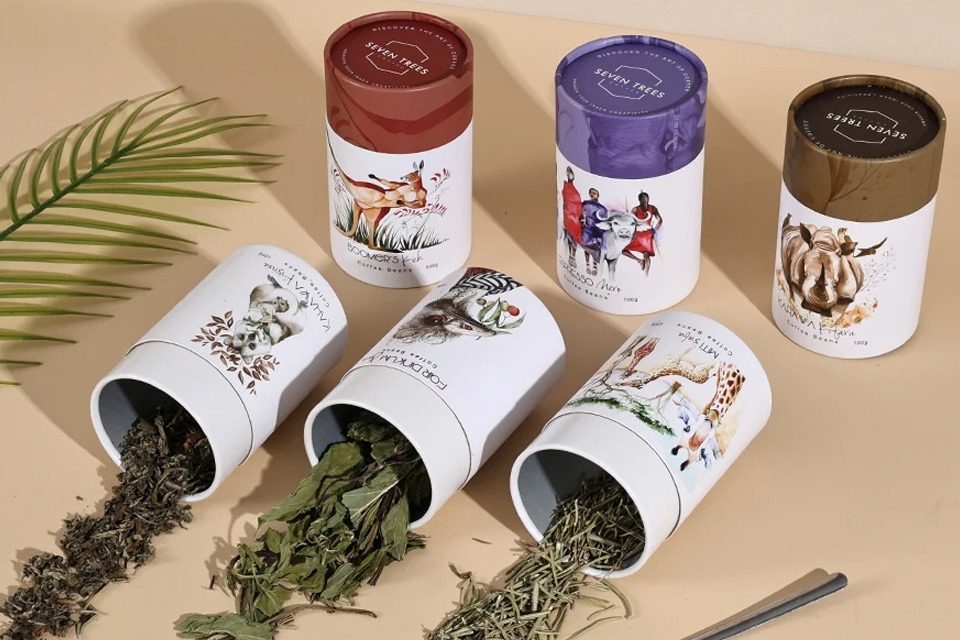
Paper tube packaging used to be a “better-for-the-planet container.” That story still matters. However, buyers don’t stop at eco claims anymore. They want the pack to sell, explain, protect, and feel like the brand.
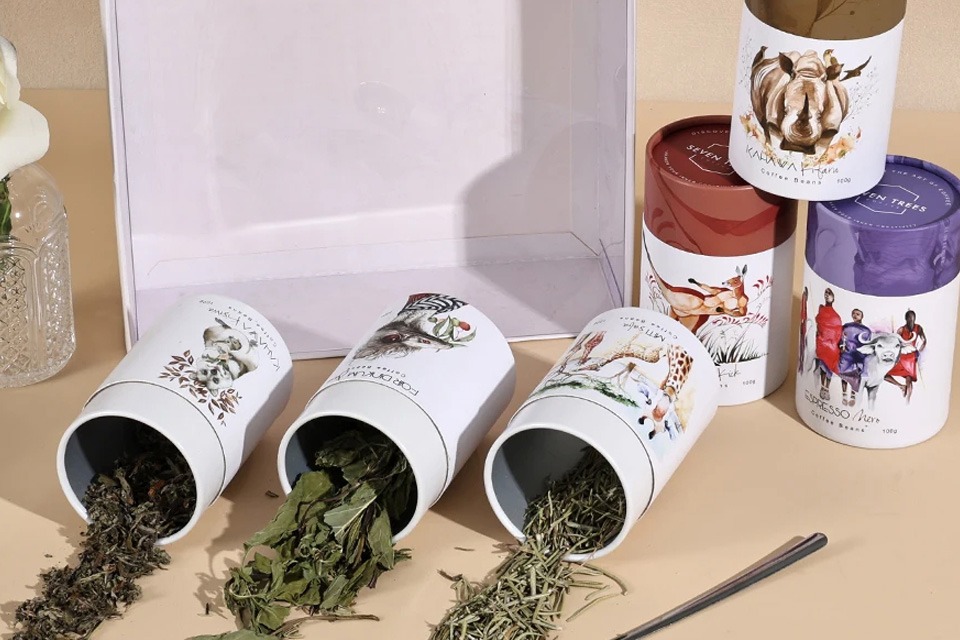
That’s why paper tubes are shifting from “a box that holds a product” to emotional media. The tube becomes a mini stage: the grip, the slide, the pop, the reveal, the reuse. Done right, it increases shelf pickup, improves unboxing content, and reduces “looks cheap” reviews.
If you’re sourcing at scale, you also need a manufacturer that can hold tight tolerances and run volume without drama. Your site positions you as a Top Custom Paper Tube Boxes Manufacturer, supporting OEM/ODM, bulk wholesale orders, and cross-border sellers with a modern food packaging purification workshop, a large warehouse, and high daily output. That’s the kind of backbone procurement teams like to hear before they sign off.
Evidence table for paper tube packaging experience design
You asked for professional support, so here’s an evidence table you can reuse in sales decks. It avoids external links while keeping sources clear.
Experience claim (what you can say)
Practical meaning for paper tubes
Business value (why clients care)
Evidence source (no external links)
Paper/cardboard often signals “natural” and “trustworthy”
Material choice can lift perceived quality when the finish matches the story
Higher conversion, fewer trust barriers for wellness/food
Peer-reviewed research on consumer perception of paper-based food packaging (MDPI journal)
Multisensory packaging influences attention and perceived value
Touch + opening ritual + sound can become part of the brand memory
Better recall, stronger “premium feel,” more shares
Peer-reviewed collection on multisensory packaging experience (Elsevier/ScienceDirect volume)
Paper-based packs may need barrier upgrades for aroma/moisture
Use liners, coatings, and better closure design for sensitive products
Fewer complaints, less leakage risk, more product categories fit
Peer-reviewed reviews on paper-based food packaging barriers (Elsevier/ScienceDirect review articles)
Creative packaging can trigger curiosity and deeper engagement
Structural tricks make customers slow down and interact
Higher shelf pickup, stronger unboxing watch time
Peer-reviewed study on packaging creativity and consumer curiosity (Journal of Business Research)
Cultural symbol design affects experience → perceived value → purchase intent
Cultural cues work best when they’re built into structure + ritual
Better gifting performance, stronger local identity
Peer-reviewed study using SOR model on cultural symbol metaphor design (PLOS ONE)
QR/AR expands packaging into a digital touchpoint
Scan-to-learn, authenticity, onboarding, brand story
Fewer returns, better education, higher trust
Peer-reviewed research and industry literature on AR/QR packaging interaction
Paper tube packaging and consumer experience
Paper tubes have two unfair advantages:
Shape contrast: cylinders stand out in a wall of rectangles.
Hand-feel: people naturally pick them up, rotate them, and test the lid.
That behavior matters for retail and for D2C. In retail, it boosts pickup and time-on-shelf. In D2C, it upgrades the unboxing moment into content.
From a buyer’s view, the pain points are predictable:
“Can you keep lid fit consistent across batches?”
“Will the print scuff during shipping?”
“Will this pass compliance for regulated categories?”
“Can you handle OEM/ODM and bulk runs without lead-time chaos?”
That’s where a one-stop manufacturer helps. It reduces handoffs, reduces rework, and keeps the project from turning into a blame chain.
Multisensory packaging and unboxing experience
A paper tube is basically a multisensory device. Customers see it, grip it, twist it, slide it, and hear it open. That sequence shapes what they feel about the product inside, even before they try it.
Unboxing experience and perceived value
If your customer sells premium items, the tube has to feel “tight” in a good way: controlled friction, clean edges, no rattles. That’s not fluff. It’s perceived value engineering.
Scene-based unboxing ideas that work in real orders:
Outside: calm, minimal branding.
Inside: bold color hit or story print.
Insert: product sits centered, not bouncing.
Closure: smooth slide, satisfying seal.
For beauty brands, this style fits well: custom cosmetic cardboard tubes. It supports a premium reveal without needing complicated parts.
Tactile narrative of environmentally friendly materials
Sustainability is not just a claim. It’s a feeling. Paper tubes let you turn the eco story into something customers can touch.
The trick is to design the material experience on purpose:
Use fiber texture when you want “natural.”
Use soft-touch or matte lamination when you want “luxury.”
Use emboss/deboss for fingertip recognition.
Control scuff resistance so the pack arrives looking new.
Paper/cardboard is associated with trust and natural
Paper often carries a “cleaner, safer, closer to nature” vibe in consumers’ minds, especially in food and wellness. That gives you a head start. However, you still have to match the look to the promise.
Some products need more than a nice surface. They need barrier performance. Paper alone may struggle with moisture, oxygen, and aroma. That’s where structure choices do real work.
Barrier-forward choices that keep the paper story
Inner liners for aroma-sensitive goods
Better closure fit to reduce micro gaps
Coatings that balance protection and recyclability goals
For sports nutrition, the tube format is practical because it’s rigid, stackable, and reusable. Here’s a clean example: protein powder paper tube packaging.
Interactive packaging design and gamification
If you want more social sharing and higher retention, give customers something to do. Interactive structure is the easiest way to create a “moment” without adding electronics.
Packaging design creativity and customer curiosity
Curiosity is a performance metric now. A design that feels clever makes people slow down, look longer, and remember more.
Traditional cultural symbols and customer experience
Cultural design works best when it feels like meaning, not decoration. Brands use it for festivals, tourism products, regional collabs, and premium gifting.
Metaphor design and perceived value
The strongest cultural tubes don’t just print a pattern. They build a ritual:
The opening direction follows a “ceremony” logic.
The inside print reveals a short story at the right moment.
Texture cues reference local craft, not generic icons.
Smart packaging doesn’t have to mean sensors. A QR code can already turn the tube into a digital touchpoint.
Use scan flows that solve real pain:
How-to videos (reduces misuse and returns)
Authenticity checks (reduces counterfeit anxiety)
Ingredient or material story (builds trust fast)
Setup guides (great for electronics and devices)
Smart packaging and digital twin
If you sell complex products, customers often judge you on how quickly they understand the product. A “digital twin” style flow can help: scan → learn → verify → share.
For regulated or sensitive items, pairing a strong tube with digital education is a clean play. Example category: CBD cartridge paper tube boxes.
Sustainable closed-loop experience design
Closed-loop doesn’t need big speeches. It needs small choices that make reuse natural.
Closed-loop moves that customers actually do
Make the tube durable enough to keep
Add inside prompts for reuse (storage, desk, travel)
Keep materials simple so recycling stays straightforward
Avoid mixed-material “Frankenpacks” unless the barrier need is real
When the tube becomes storage, you earn “brand exposure” every time the customer sees it again. That’s quiet marketing. It doesn’t feel like ads. It feels like utility.
Compliance packaging and child-resistant options
Some categories require compliance, not just aesthetics. Child-resistant structure, tamper evidence, and clear labeling can decide whether a retailer accepts the product.
If you sell cannabis-related items, don’t retrofit compliance at the end. Start with a compliant tube structure, then layer branding on top. This is a direct match: child resistant paper tube packaging.
Packaging specification checklist for OEM/ODM mass production
A great concept can still fail if mass production drifts. Here’s a practical checklist you can use with bulk buyers, wholesalers, and brand owners:
Fit tolerance: lid tightness, wobble control, repeatability