Still Not Seeing The Right Packaging Solution? Talk to Our Boss.
If you’ve reviewed our website or spoken with sales and still don’t see a clear path, send your request here. Your message goes directly to our General Manager for an executive review of feasibility, cost, and lead time. You’ll get a clear next step—what we can do, what we need from you, and the fastest route to a quote.
Built for packaging managers, procurement, and packaging engineers. Specify size, quantity, and finish to receive moq, lead time, and spec guidance for us/eu programs.
Quote-ready customization: diameter, height, wall thickness, inserts, liners, and closures
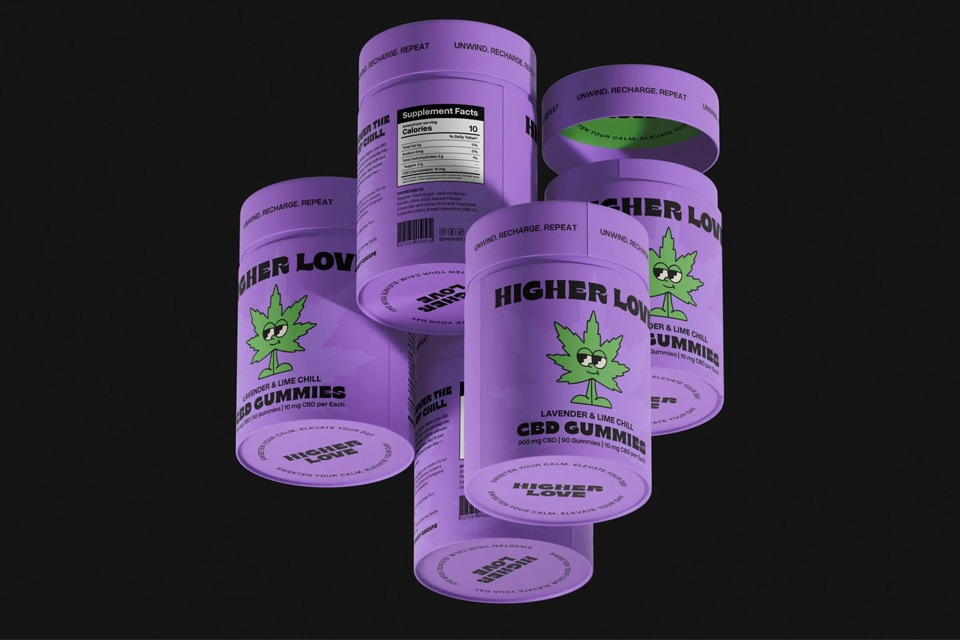
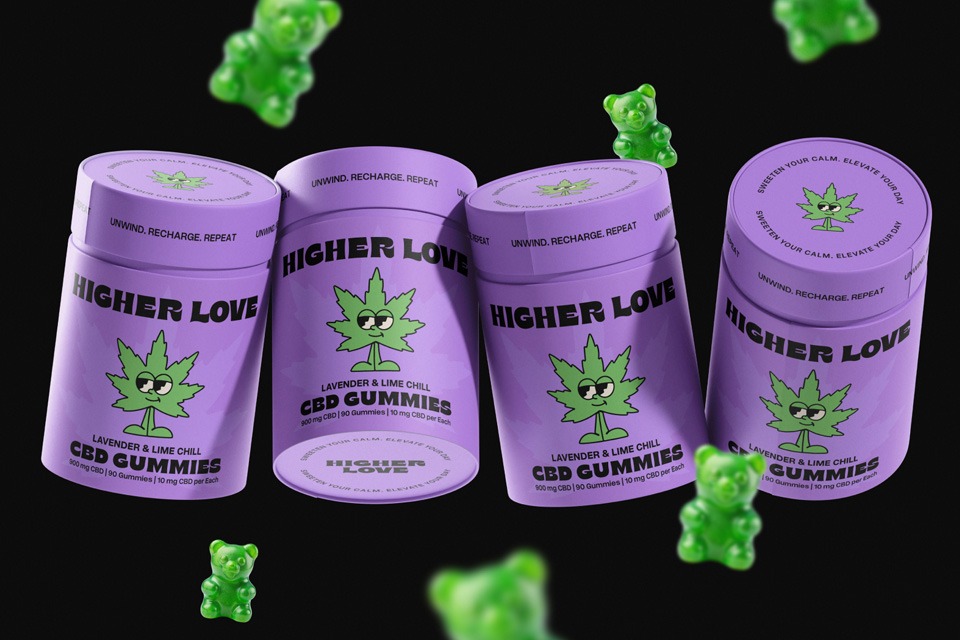
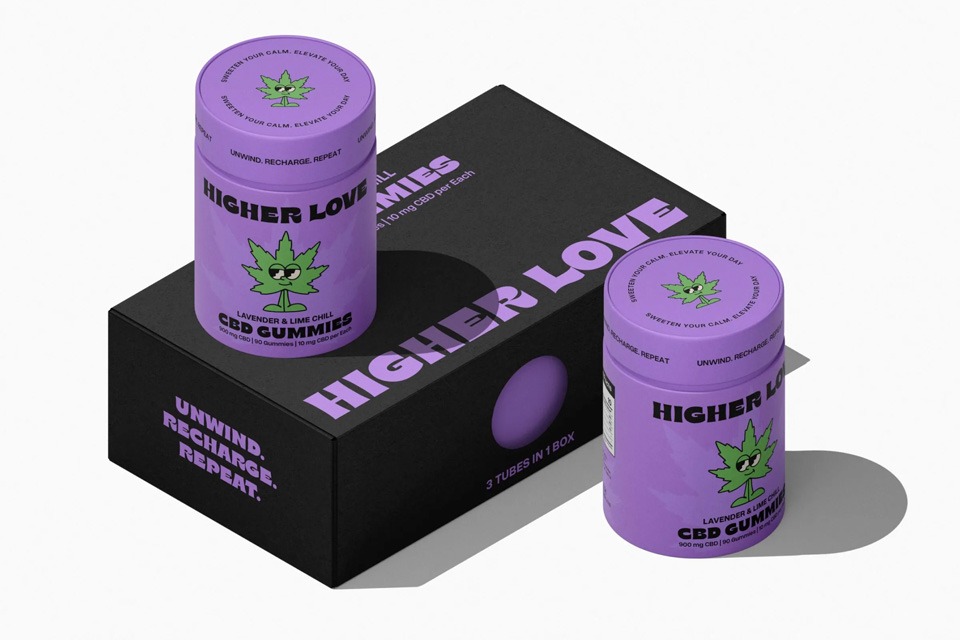
CBD Gummies Packaging: Paper Tubes, Child Resistance & Branding
CBD gummies packaging has to do more than look premium. A commercial package may need to protect the gummies, provide tamper evidence, meet applicable child-resistant requirements, carry substantial regulatory information, remain usable after opening, survive fulfillment, and still give the brand enough visual space to compete at retail.
A cylindrical paper tube can handle many of those jobs well, particularly as a rigid outer package. But the best result comes from treating the tube as part of a complete packaging system rather than assuming that paperboard alone solves food protection, compliance, and child resistance.
Important regulatory note: CBD and cannabis requirements vary significantly by product classification and jurisdiction. In the United States, FDA continues to state that CBD cannot currently be lawfully marketed federally by adding it to conventional food or labeling it as a dietary supplement. Packaging design cannot resolve the underlying legal status of a product. Companies should verify current federal, state, and local requirements before committing to packaging inventory.
Key Takeaways
Child-resistant is a performance requirement, not a visual feature. A push button, locking tab, or unusual lid does not automatically make a package compliant.
CBD-only hemp products and regulated cannabis edibles should not automatically be treated as the same packaging category. Requirements differ by jurisdiction.
A paper tube often works best as a rigid secondary package around a validated primary pouch, jar, cup, or other food-contact container.
Child resistance should be balanced with adult usability, especially for reclosable multi-serving packages.
Avoid committing excessive inventory to SKU-specific printed packaging until regulatory copy, sales volume, and product architecture are stable.
Sustainability claims should be based on the complete packaging construction, not simply on the fact that the visible exterior is paper.
What Is the Best Packaging Structure for CBD Gummies?
For many brands, the most practical architecture is a two-level packaging system:
a primary package that directly contains and protects the gummies;
a rigid cylindrical paper tube that provides secondary protection, child-resistant functionality where applicable, branding, and retail presentation.
This distinction matters because paperboard and food protection perform different jobs.
Primary Packaging
The primary package may be:
a sealed flexible pouch;
a plastic or glass jar;
a lined container;
a cup or tray with a sealed membrane;
another validated food-contact system.
Its job is usually to manage direct product contact, contamination risk, moisture transfer, aroma retention, leakage of surface oils or sugar, and shelf-life performance.
Secondary Paper Tube
The paper tube can then provide:
crush resistance;
cylindrical shelf presence;
a larger printing area;
structural protection for the primary container;
tamper-evident features;
a child-resistant outer mechanism where required;
premium opening experience;
easier portfolio-level brand consistency.
This architecture also gives procurement teams more flexibility. If a barrier specification changes, the inner pouch or jar may be modified without completely redesigning the printed outer tube.
Should CBD Gummies Packaging Be Child-Resistant?
It depends on the product and the jurisdiction.
There is no responsible way to say that every package sold as “CBD gummies” follows one identical US packaging rule.
For products regulated under a state cannabis framework, child-resistant requirements can be explicit. California, for example, requires regulated cannabis goods to use qualifying child-resistant packaging. Multi-serving edibles generally require packaging that remains child-resistant throughout repeated use, unless individual servings meet an applicable alternative. California also requires tamper evidence and opaque packaging for regulated cannabis edibles.
A CBD-only hemp product sold through another legal framework may be treated differently.
The procurement brief should therefore start with:
exact cannabinoid formulation;
THC content and product classification;
destination state or country;
retail channel;
serving configuration;
whether the product will be sold as a regulated cannabis product.
Do this before choosing the closure.
Child-Resistant Is a Tested Performance Claim
One of the most expensive packaging mistakes is selecting a closure that “looks childproof” and assuming that appearance equals compliance.
It does not.
Under the US Poison Prevention Packaging Act framework, special packaging is designed to be significantly difficult for children under five to open while remaining usable by adults. CPSC testing uses panels of children and adults to evaluate actual opening performance.
ISO 8317:2015 follows a similar performance-based concept for reclosable child-resistant packages: the package is evaluated both for resistance to child access and accessibility to adults.
That means the following features alone are not proof of compliance:
a push-and-turn lid;
two buttons that must be pressed simultaneously;
a locking tab;
hidden release points;
a sliding mechanism;
an opening instruction printed on the package.
The complete tested configuration matters.
Ask the Supplier for the Exact Certification Scope
Before approving a child-resistant tube, procurement teams should ask:
What test method or regulatory standard was used?
Was the complete package tested or only the closure component?
What diameter and height were included in the tested configuration?
Which materials and closure components were used?
Is the package single-use or reclosable CR?
Does modifying the tube diameter affect the tested configuration?
Does changing the cap material affect certification?
Can the supplier provide the relevant test report or certification documentation?
Does your target jurisdiction recognize that test method?
Do not accept “childproof style” as a substitute for documentation.
Child-Resistant Should Not Become Adult-Resistant
A closure that frustrates adults is not necessarily a better child-resistant package.
CPSC’s definition is deliberately balanced: special packaging should be difficult for children but not difficult for normal adults to use properly. ISO 8317 also evaluates adult accessibility.
This has practical design implications.
The packaging team should evaluate:
required finger force;
grip position;
opening instructions;
visibility of activation points;
opening torque where relevant;
repeat opening and closing;
performance with dry or slippery hands;
whether older adults can operate the mechanism comfortably.
A consumer discussion about cannabis packaging illustrates the problem: users with hand pain reported needing tools or excessive effort to open some CR containers. Anecdotes are not compliance evidence, but they show why usability testing should not end after the child-resistance certificate is obtained.
Why Use a Cylindrical Paper Tube for CBD Gummies?
Paper tubes have several structural and commercial advantages when used appropriately.
Rigid Structural Protection
The round paperboard wall creates a rigid outer shell around the product.
That is valuable when the primary pack is a pouch, lightweight jar, sachet set, or another package that benefits from additional compression protection.
The outer tube can reduce direct pressure on the primary pack during:
case packing;
warehousing;
parcel fulfillment;
retail handling;
subscription-box shipping.
The important point is not that a tube is indestructible. It is that the rigid outer structure can carry mechanical loads that would otherwise act directly on the primary package.
Large Continuous Branding Surface
A cylindrical package creates a nearly continuous printing area.
This is particularly useful for CBD gummies because the brand often needs space for both visual identity and detailed product information.
A practical artwork hierarchy may include:
Primary viewing area
brand;
product identification;
flavor;
gummy count;
cannabinoid variant where legally appropriate.
Secondary information area
ingredients;
net contents;
required warnings;
directions;
manufacturer/distributor information;
batch or lot information.
Traceability area
QR code;
COA access where appropriate;
barcode;
variable production data.
The artwork should be designed around the regulatory copy from the beginning rather than adding warnings after the visual design has already been approved.
Do Not Design Cannabis Edibles Like Children’s Candy
The visual attraction of gummies creates a unique packaging problem: brands want flavor and color to be immediately recognizable, but regulated cannabis markets may restrict graphics that appeal to children.
California provides a useful example. Its Department of Cannabis Control warns against packaging that imitates products marketed to children and identifies candy-like imagery, cartoon characters, flashy designs, and similar elements as potential concerns.
Even where those exact rules do not apply, the design principle is sensible.
Use Adult-Oriented Differentiation
A premium CBD/cannabis gummy design can differentiate SKUs through:
controlled color bands;
typography;
subtle botanical graphics;
geometric patterns;
matte/gloss contrast;
foil used selectively;
embossed logos;
structured variant naming.
Avoid relying on:
cartoon mascots;
child-oriented characters;
imitation candy branding;
packaging closely resembling mainstream sweets;
exaggerated confectionery imagery.
The package should communicate flavor without looking like a product intended for children.
Paper Tube Packaging Does Not Automatically Preserve the Gummies
A rigid outer tube helps with physical protection, but product stability still depends primarily on the primary containment system.
Depending on formulation, gummies may require control over:
moisture;
oxygen;
aroma;
contamination;
surface oils;
product-to-product sticking;
temperature exposure.
If the paper tube is used only as secondary packaging, the inner container should carry most of the barrier responsibility.
If the brand intends to place gummies directly inside a lined tube, the packaging team should evaluate:
food-contact suitability;
liner composition;
seam construction;
closure interface;
migration requirements;
shelf-life performance;
tamper evidence.
“Food-grade paper tube” should never be treated as a complete technical specification.
Tamper Evidence and Child Resistance Are Different Functions
A package can be tamper evident without being child-resistant, and child-resistant without giving obvious evidence of first opening.
They solve different problems.
Tamper evidence helps the buyer determine whether the package has previously been opened.
Child resistance makes access more difficult for children.
A CBD gummy package may use both.
Examples include:
tear band + CR closure;
security label + CR lid;
sealed inner pouch + CR outer tube;
peel membrane + reclosable CR cap.
For regulated cannabis goods in California, tamper evidence and child resistance are both explicitly addressed in packaging requirements.
How Should Branding Be Organized Around Compliance Copy?
CBD and cannabis brands often create the front panel first and then attempt to fit the required information into whatever space remains.
That is backwards.
Start by reserving the mandatory information area.
Then design the brand system around it.
Build an Information Hierarchy
A practical cylindrical artwork file can contain:
Primary brand panel
Product/variant panel
Required legal-information zone
Ingredients and directions zone
Barcode/QR/batch-code zone
Opening-instruction zone
Sustainability-information zone
Keep variable information separate wherever practical.
This reduces the risk that every regulatory-copy update forces a complete redesign.
Use Variable Components to Control SKU Complexity
One of the most common packaging-cost mistakes is printing every piece of information permanently onto the most expensive structural component.
Imagine a brand with:
three flavors;
three cannabinoid variants;
two gummy counts;
several state-specific labels.
That combination can quickly create a large number of packaging SKUs.
Instead, consider separating permanent branding from frequently changing information.
For example:
Permanent on the tube
master brand;
core graphics;
company identity;
generic opening instructions.
Variable label, band, sticker, or digital-print area
flavor;
cannabinoid strength;
lot number;
QR code;
state-specific warnings;
limited-edition information.
This becomes particularly important during early growth.
A 2026 cannabis-industry discussion described an early-stage company struggling with the combined cost of CR packaging, recycled-content requirements, and custom printing. Another participant described a company that committed to hundreds of thousands of preprinted packages spread across many product variants. The broader procurement lesson is straightforward: do not lock uncertain demand and changing compliance copy into excessive finished packaging inventory.
Custom CR Tooling Is Not Always the Best First Move
A unique child-resistant closure may make a prototype look differentiated, but developing an entirely new CR mechanism can introduce additional:
tooling;
testing;
certification;
engineering;
sampling;
lead-time;
quality-control risk.
For many emerging brands, the more economical route is to begin with an existing validated child-resistant platform and customize:
tube height;
printed wrap;
colors;
graphics;
surface finish;
inner holder;
tamper-evident component.
Move to a completely proprietary CR mechanism only when annual volume and brand strategy justify the engineering program.
The lowest MOQ is not always the lowest-risk choice, but neither is maximum customization.
How Can Paper Tubes Support a CBD Product Family?
Cylindrical packaging becomes more valuable when the brand sells several formats.
A company may sell:
gummies;
tinctures;
CBD oils;
capsules;
topical products;
gift kits.
Rather than designing each package independently, establish a shared cylindrical design system.
For example, the same typography, finish specification, brand colors, foil location, and cap styling used on the gummy tube can be adapted to CBD oil dropper tube packaging.
The dimensions and inserts change, but the visual system remains recognizable.
This is a stronger use of packaging than forcing every product into an identical container.
Is Paper Tube Packaging More Sustainable?
Paper tubes can reduce reliance on some conventional rigid-plastic packaging, but paper does not automatically mean recyclable, low-impact, or environmentally preferable.
A finished tube may contain:
virgin or recycled paperboard;
printed art paper;
lamination;
adhesive;
plastic cap components;
metal hardware;
foil decoration;
polymer liners;
EVA or foam inserts.
Sustainability therefore needs to be evaluated at the complete-package level.
Be Careful With “Recyclable” Claims
The US Federal Trade Commission’s Green Guides state that marketers should qualify recyclable claims when appropriate recycling facilities are not available to a substantial majority of consumers or communities where the item is sold. FTC guidance uses 60% access as the benchmark for “substantial majority.”
Multi-material packaging needs particular care because a recyclable paper layer does not necessarily make the complete bonded package recyclable. FTC guidance specifically discusses the potential for misleading claims on multi-material structures.
Instead of asking a supplier:
“Is this eco-friendly?”
ask:
What percentage of the package by weight is fiber?
Does it contain plastic lamination?
Is the cap separable?
Is there an aluminum or polymer liner?
What recycled content does the paperboard contain?
Is FSC-certified material available?
Can the consumer separate different components?
What evidence supports any recyclable or recycled-content claim?
That produces a much more useful specification.
What Should Be Included in a CBD Gummy Packaging RFQ?
A strong RFQ should contain enough information for the packaging manufacturer to recommend a real construction rather than quote a generic tube.
Include the following.
Product Information
CBD-only, THC-containing, or other cannabinoid formulation;
gummy count;
net contents;
approximate individual gummy dimensions;
primary container type;
target shelf life.
Market Information
destination country;
destination states;
retail, dispensary, DTC, or other channel;
regulatory framework identified by the buyer.
Child-Resistant Requirements
whether CR is required;
single-use or reclosable CR;
required standard;
certification documentation required;
preferred opening mechanism.
Tube Construction
inner diameter;
height;
wall construction;
insert type;
lid design;
tamper-evident component.
Artwork
CMYK or Pantone requirements;
number of SKUs;
variable print requirements;
foil;
embossing/debossing;
matte/gloss finish;
barcode and QR-code areas.
Commercial Requirements
initial order quantity;
annual forecast;
number of artwork variations;
sample requirement;
target delivery date;
destination;
incoterm if importing.
QC Requirements
dimensional tolerances;
color tolerance;
lid fit;
surface defects;
opening performance;
print registration;
assembly inspection;
AQL or other sampling criteria where used.
Sending this information at RFQ stage makes supplier comparisons far more meaningful.
Prototype Approval Is Not Mass-Production Approval
A handcrafted sample can confirm:
basic appearance;
tube dimensions;
artwork placement;
finish;
general opening method.
It does not automatically prove:
production color consistency;
closure-force consistency;
dimensional capability;
CR performance of a modified configuration;
bulk shipping performance;
mass-production defect rates.
Before production, separate three approvals.
Structural Approval
Confirm dimensions, fit, insert geometry, closure, and primary-package compatibility.
Artwork Approval
Confirm text, regulatory copy, barcode, QR code, color references, and finishing position.
Production Standard
Define what constitutes an acceptable mass-production unit.
For a premium matte tube, for example, that might include limits for:
visible glue;
wrap misalignment;
foil registration;
edge damage;
color shift;
loose or excessively tight closures.
This is how buyers convert an attractive sample into a repeatable specification.
Paper Tube vs. Common CBD Gummy Packaging Formats
Format
Strongest Use Case
Advantages
Limitations
Child-resistant paper tube + inner pouch/jar
Premium multi-serving products
Rigid, highly printable, separates branding from primary barrier
More components than a single pouch
CR jar
High-volume mainstream format
Familiar opening, direct product containment
Plastic-heavy unless alternative materials are used
CR flexible pouch
Lightweight DTC or value-oriented products
Low shipping weight, compact storage
Less rigid and different shelf presentation
Rigid carton + inner pouch
Premium rectangular branding
Large flat panels, good stacking
Corners may show transit wear
Single-dose packs inside CR outer package
Portion-controlled products
Convenient dose management
Higher component count and filling complexity
There is no universally superior format.
The best package is the one that satisfies the product’s legal, protection, usability, manufacturing, and commercial requirements with the least unnecessary complexity.
Common CBD Gummy Packaging Mistakes
Treating “Child-Proof” as a Design Style
Require test documentation where CR performance matters.
Designing Artwork Before Checking the Rules
Determine the target markets first.
Using the Paper Tube as the Barrier Without Validation
Separate structural protection from food-contact/barrier requirements.
Making the Closure Too Difficult for Adults
Child resistance and adult accessibility must coexist.
Printing Too Many Regulatory Variables Permanently
Leave flexibility for state, strength, batch, and SKU changes.
Ordering by Unit Price Alone
Include tooling, testing, freight, rejected packaging, unused inventory, and regulatory rework in the cost comparison.
Calling a Multi-Material Tube “100% Recyclable” Without Evidence
Review the complete bill of materials and actual recycling access.
Assuming a Prototype Represents Production Capability
Define tolerances and QC requirements before mass production.
Frequently Asked Questions
Do all CBD gummies require child-resistant packaging?
No. Requirements depend on the product’s cannabinoid composition, legal classification, sales channel, and jurisdiction. Regulated cannabis edibles in markets such as California have explicit CR requirements, but businesses should not automatically apply one state’s cannabis rules to every CBD-only hemp product.
Can a paper tube itself be child-resistant?
Yes. A paper tube can incorporate a tested child-resistant closure system. However, the appearance of a locking mechanism does not establish compliance. Buyers should confirm the applicable standard, tested package configuration, certification scope, and whether the system remains child-resistant after repeated opening when that is required.
Can CBD gummies touch the paper tube directly?
Potentially, but only when the complete direct-contact construction is suitable for the intended use. Many brands instead use a sealed inner pouch, jar, or other primary food-contact package inside the paper tube. This separates product-protection requirements from the printed structural package.
What is the difference between tamper-evident and child-resistant packaging?
Tamper evidence shows whether a package has previously been opened. Child-resistant packaging is designed to make access significantly more difficult for children. They are separate functions, and some CBD or cannabis products may need both.
Is a paper tube automatically recyclable?
No. Recyclability depends on the entire structure, including coatings, liners, adhesives, caps, metal components, and the recycling infrastructure available where the package is sold. Environmental claims should be substantiated for the finished package rather than based solely on the visible paperboard.
What information should I send a paper-tube manufacturer for a quotation?
Provide the product type, gummy count, primary container dimensions, target markets, required CR standard, tube diameter and height if known, order quantity, number of SKUs, printing and finishing requirements, sample expectations, QC criteria, and delivery destination. More complete specifications produce more comparable quotations.