¿Aún no encuentra la solución de envasado adecuada? Hable con nuestro jefe.
Si ha consultado nuestro sitio web o hablado con el departamento de ventas y sigue sin ver claro el camino a seguir, envíe su solicitud aquí. Su mensaje irá directamente a nuestro Director General para que realice una revisión ejecutiva de la viabilidad, el coste y el plazo de entrega. Obtendrá información clara sobre el siguiente paso: qué podemos hacer, qué necesitamos de usted y la ruta más rápida para obtener un presupuesto.
Revisión directa por parte de GM de sus especificaciones, casos de uso y limitaciones
Comprobación de tamaño y estructura: diámetro, altura, resistencia de la pared, insertos
Recomendaciones de impresión/acabado que se ajusten a la marca y al presupuesto
Alternativas de reducción de costes y mejora del plazo de entrega
Claridad en la ruta de cotización: MOQ, plan de muestreo y qué hacer a continuación
Hable con nuestro jefe
Obtenga un presupuesto rápido para Envasado de tubos de papel a medida
Diseñado para directores de envasado, compras e ingenieros de envasado. Especifique el tamaño, la cantidad y el acabado para recibir información sobre precios, plazos de entrega y especificaciones para programas de EE.UU. y la UE.
Personalización lista para cotizar: diámetro, altura, grosor de pared, insertos, revestimientos y cierres
Personalización de logotipos e impresión digital: la evolución cuatridimensional del diseño de envases originales
Índice
El envasado solía ser una tarea de “protección del producto”. Ahora se trata de “vender el producto”.
Si tienes varias referencias, vendes en otros países o te mueves a través de distribuidores, habrás notado la fricción: un pequeño retoque en el diseño se convierte en una larga cadena de correos electrónicos, los colores cambian de un lote a otro y el tubo tiene un aspecto estupendo en la renderización, pero “meh” en la vida real.
Por eso personalización del logotipo y impresión digital importa. No como extras de lujo, sino como un flujo de trabajo escalable. Una forma sencilla de pensar en ello es un marco 4D: Símbolo Alquimia, Revolución de la impresión, Codificación cultural, y Ingeniería de la experiencia.
El mapa 4D de la personalización de logotipos y la impresión digital
Dimensión (4D)
Qué va a actualizar
Resultado del envasado más adecuado
Movimientos comunes de impresión/acabado
Dolor típico que soluciona
Símbolo Alquimia
reconocimiento + confianza
“Lo detecto al instante”
logotipos en lockups, foil, emboss/deboss, spot UV
aspecto genérico, escaso impacto en las estanterías
Revolución de la impresión
velocidad + flexibilidad SKU
“Lanzar rápido, iterar limpio”
impresión digital, versionado, datos variables
actualizaciones lentas, caos de SKU sprawl
Codificación cultural
relevancia local + claridad
“Hecho para mi mercado”
paneles multilingües, iconos, zonas de conformidad
Alquimia de símbolos: personalización de logotipos que genera confianza al instante
Un logotipo en un envase no es decoración. Es una señal de confianza.
Cuando los compradores se desplazan, comparan y deciden con rapidez, el logotipo debe leerse con claridad de un solo vistazo y seguir pareciendo de primera calidad en la mano.
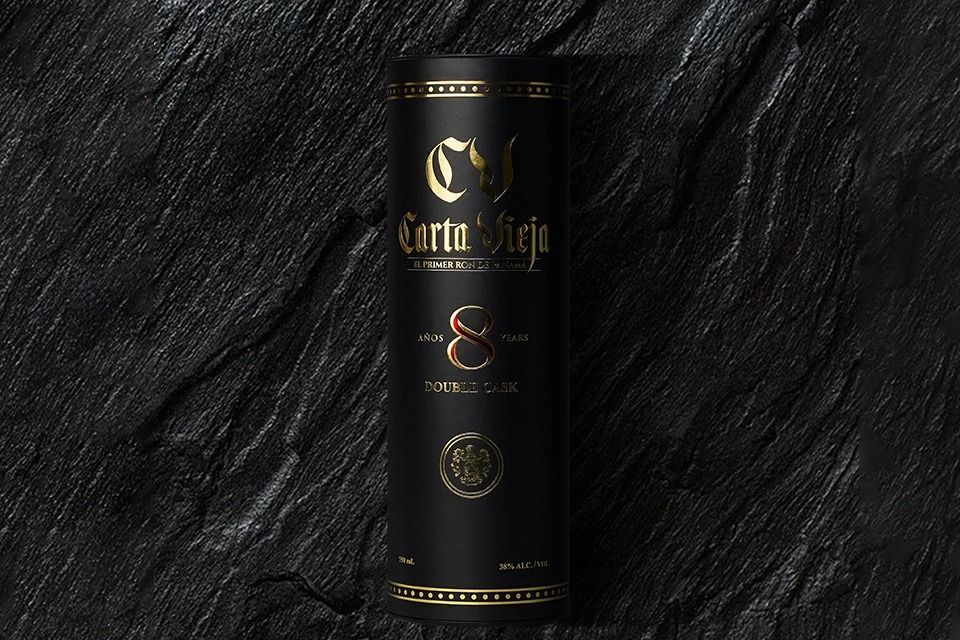
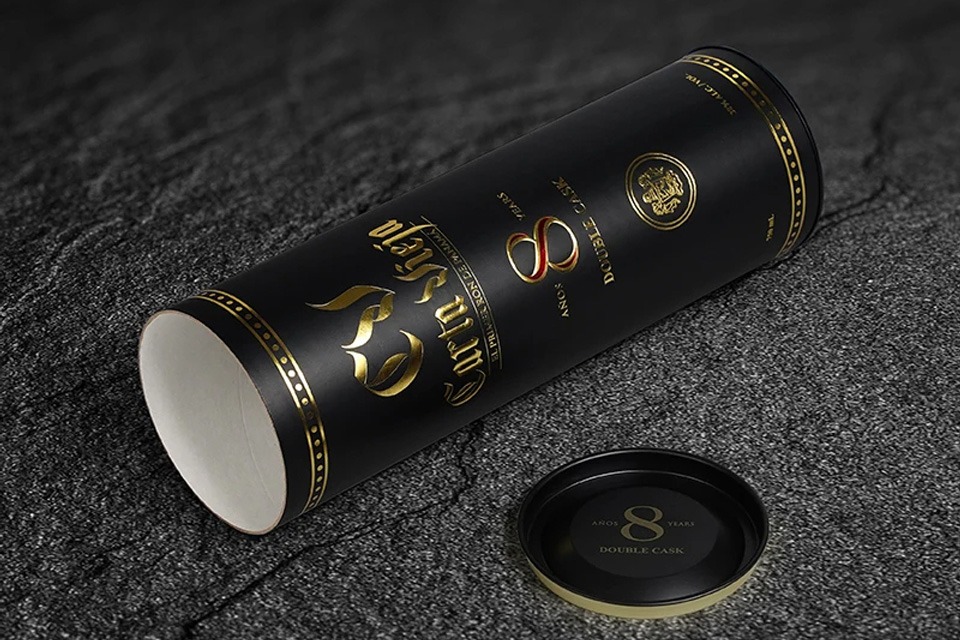
Colocación del logotipo en los envases de tubos de papel
Los tubos de papel te ofrecen un lienzo de 360°. Úsalo.
Un diseño limpio que funciona en canales reales tiene este aspecto:
Logotipo frontal del “héroe para ver listados y fotos de estanterías
Bloqueo secundario (logotipo pequeño + eslogan) para rotación en contenedores, almacenes o expositores de venta al por menor
Zona tranquila de conformidad para que códigos de barras, reclamos e iconos no luchen contra su marca
Control del material gráfico OEM/ODM para la coherencia de la venta al por mayor
Los compradores mayoristas y OEM/ODM no fracasan por las ideas. Fracasan en la deriva de la ejecución.
Lo que te mantiene a salvo:
Una línea maestra por estructura
Control de versiones (v1, v2, v3... sin archivos misteriosos)
Objetivos de impresión para los colores de la marca y los negros clave
Puntos de control de calidad (prueba de preimpresión → muestra de producción → tirada masiva)
Así es como se mantiene estable el “aspecto de la marca” a través de nuevas referencias, colaboraciones y renovaciones estacionales.
La revolución de la impresión: impresión digital para tiradas cortas, múltiples SKU y actualizaciones rápidas
La impresión digital cambia las reglas del juego porque se adapta a la forma de trabajar de las marcas modernas: pruebas rápidas, giros rápidos, lanzamientos frecuentes.
En lugar de encerrar todo el año en una tirada masiva, puede mantener los envases alineados con lo que se está vendiendo en este momento.
Impresión digital para lanzamientos de varias SKU y rebajas de temporada
Si vendes en plataformas, es probable que hagas malabarismos:
Medida práctica: mantener el estructura idéntica, y dejar que la impresión se encargue de la variación. Así se simplifica el abastecimiento y se reducen los dolores de cabeza por la “proliferación de SKU”.
Impresión de datos variables para códigos de lote, campañas QR y versiones regionales
La impresión de datos variables (VDP) es donde lo digital se vuelve interesante.
Puedes cambiar el contenido de cada tubo sin cambiar todo el diseño:
códigos de lote
códigos de minorista
QR para campañas
bloques lingüísticos regionales
Esto resulta útil cuando se comercializa el mismo producto a través de distintos canales. Una estructura tubular. Múltiples versiones de mercado. Menos lastre operativo.
Gestión del color para la coherencia CMYK
Hablando en serio: la deriva cromática mata la confianza en la marca.
Para mantener la uniformidad del color, cree una sencilla rutina de “higiene de impresión”:
confirmar los objetivos CMYK para los colores clave de la marca
aprobar una prueba física cuando importa
bloquear elementos críticos (logotipo, pesos tipográficos, sólidos de fondo)
Así se evita la clásica queja: “La última vez se veía bien. ¿Por qué este lote parece diferente?”.”
Codificación cultural: diseño de envases localizados para el comercio transfronterizo y el cumplimiento de normas
La codificación cultural parece académica, pero es práctica: hacer que el envase parezca pertenecer al mundo del comprador.
Esto puede referirse al lenguaje, la elección de iconos, las señales materiales o la disposición de la conformidad. Si se hace bien, se reducen las devoluciones y aumenta la confianza.
Diseño multilingüe y jerarquía de etiquetas
Los envases multilingües suelen fracasar porque las marcas lo atiborran todo.
Un enfoque limpio:
simplificar el panel frontal (marca, nombre del producto, un reclamo clave)
trasladar la complejidad a los paneles traseros/laterales
utilizar una rejilla de información coherente para que todas las versiones del mercado estén ordenadas
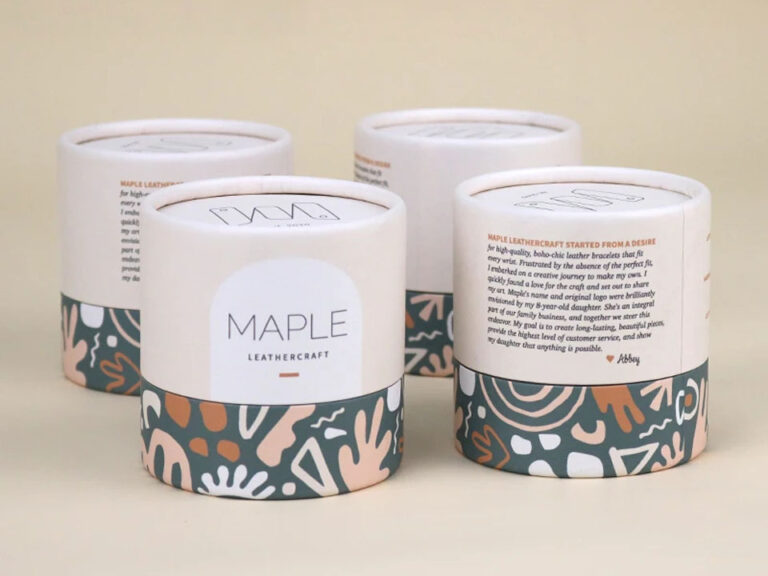
Señales de material: kraft, blanco mate y opciones de textura
La tinta no es el único mensaje. El material habla primero.
El mercado común lee:
Kraft vibe: natural, ecológico, patrimonio
Blanco mate: limpio, moderno, minimalista
Textura/papel táctil: boutique, hecho a mano, listo para regalo
Si su marca vende “ingredientes limpios” o “sensación ecológica”, su elección de sustrato debe coincidir con esa historia. De lo contrario, los clientes percibirán el desajuste aunque no puedan explicarlo.
Requisitos de los envases a prueba de niños y de categoría regulada
En las categorías reguladas, el envasado es también una herramienta de control de riesgos.
Necesita un diseño que deje espacio para la información necesaria y una estructura que apoye la especificación. Una página de producto como tubo de papel reciclable para cannabis a prueba de niños muestra cómo el formato de tubo puede satisfacer mayores expectativas de cumplimiento sin dejar de tener un aspecto de primera calidad.
Ingeniería de la experiencia: diseño unboxing que impulsa la retención y el UGC
Los tubos de papel ganan en “ritual”.”
La acción de abrir y cerrar parece intencionada. La gente guarda los tubos en escritorios, estanterías y mostradores. Esa retención no se consigue con un cartón desechable.
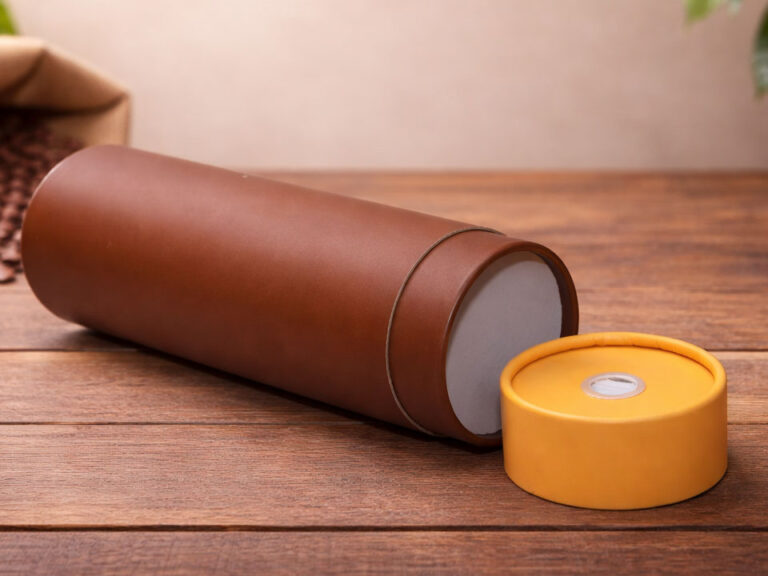
Estructura, ajuste y protección de los tubos para envíos de comercio electrónico
ajuste perfecto de la tapa (menos traqueteo, más calidad)
paredes robustas (mayor resistencia al aplastamiento)
opciones de superficie que ocultan las marcas de roce
No se trata sólo de protección. Es la percepción de la marca en los primeros cinco segundos.
Impresión interior y momentos de “marca oculta
La impresión interior es una flexión silenciosa.
Mantiene el exterior limpio y luego ofrece al cliente un momento “agradable” dentro de la tapa o la pared interior. Esto funciona bien para los sets de bienestar y belleza, como doble cara impresa cabello piel uñas papel tubo envase.
Un ángulo inteligente: utilizar la impresión interior para la historia de la marca, los pasos de uso o un QR que lleve a un tutorial rápido. Da sensación de ayuda, no de venta.
Diseño con ventana, asa e inserto para exponer y regalar
La estructura también puede impulsar la conversión.
mejora de la estructura + impresión interior + puntos de contacto táctiles
Crecimiento del comercio mayorista
envasado incoherente entre líneas
Alquimia simbólica + codificación cultural
biblioteca de activos de marca + paneles normalizados
Cómo informar a un proveedor de envases sin interminables idas y venidas
Si quiere que el proceso de OEM/ODM sea más fluido, envíe un informe pensado para la producción, no sólo para el diseño.
Incluir:
mercado objetivo + canal de venta (Amazon, minorista, distribuidor, DTC)
preferencias de tamaño y estructura del tubo (estilo de tapa, ventana, inserto)
archivos del logotipo (vector), colores de la marca, normas tipográficas
prioridades de acabado (foil / emboss / spot UV)
necesidades de conformidad (bloques de idiomas, iconos, zonas de códigos de barras)
Lista de SKU y qué cambia por SKU (nombre, olor, QR, código de lote)
Esto reduce el ping-pong de la preimpresión y mantiene el proyecto en marcha.
Recapitulación: convertir los envases en un activo de ventas escalable
Cuando se combina personalización del logotipo con impresión digital, obtiene algo más que un tubo atractivo. Obtendrá un sistema de envasado que se adapta a todas las referencias y mercados.
Utilice el marco 4D como una lista de comprobación:
Símbolo Alquimia generar confianza al instante
Revolución de la impresión moverse más rápido que el mercado
Codificación cultural sentirse local y seguir cumpliendo la normativa
Ingeniería de la experiencia para impulsar el unboxing, compartir y repetir la compra